
window.dataLayer = window.dataLayer || []; function gtag(){dataLayer.push(arguments);} gtag('js', new Date()); gtag('config', 'UA-206511945-1');
Search
Categories
Uncategorized

The Ultimate Salon Business Health Checklist: Is Your Studio Ready for 2026?

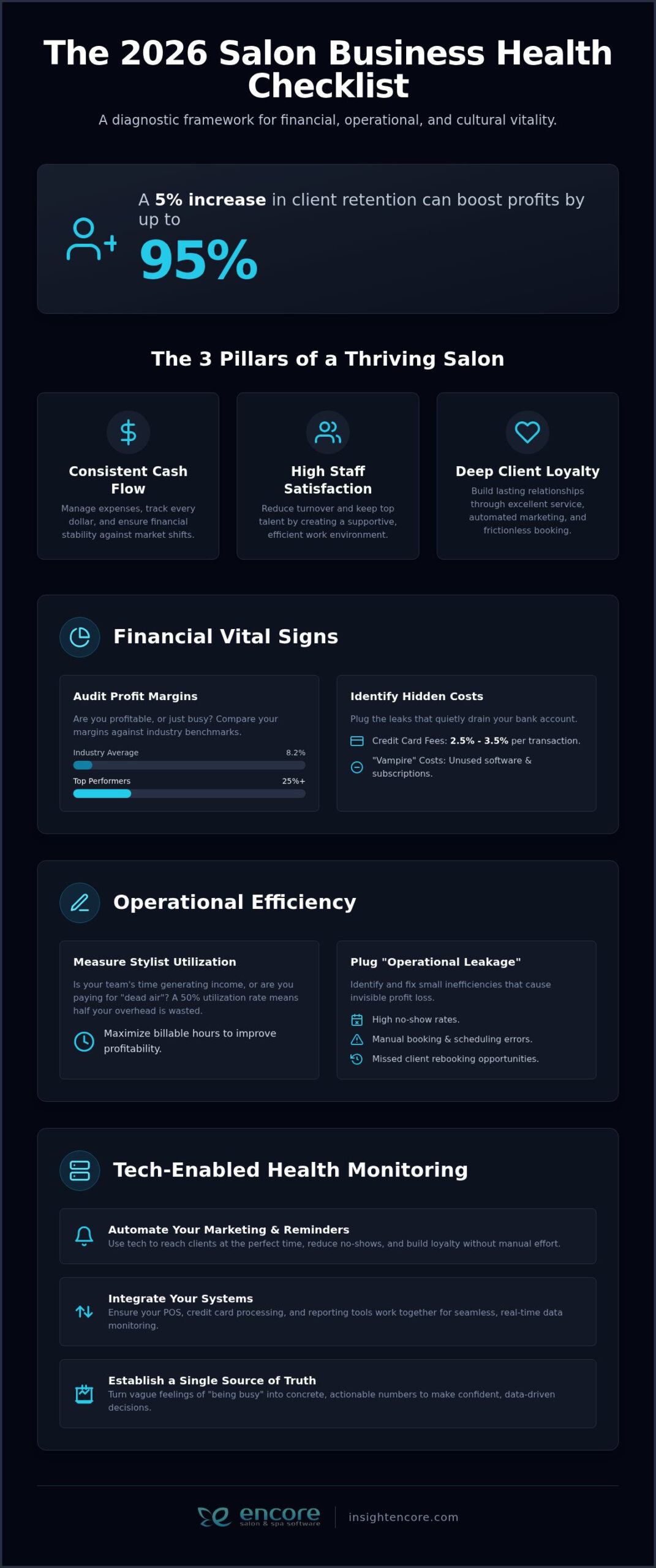
Did you know that increasing your client retention by just 5% can boost your profits by as much as 95%? It’s a staggering figure, yet many owners spend 2026 feeling like they’re just keeping their heads above water. Between rising operating costs and the constant pressure to keep top talent from moving to salon suites, it’s easy to lose track of the actual pulse of your studio. You deserve a business that supports your life, not one that consumes every waking hour with unpredictable cash flow and booking friction.

We’ve designed this salon business health checklist to help you audit your financial, operational, and cultural vitality. It’s time to move past the guesswork and use a clear diagnostic framework to see where you truly stand. This guide will walk you through everything from meeting the latest OSHA hazard communication standards to implementing automated loyalty programs. By the end, you’ll have a clear roadmap to improve your profit margins beyond the 8% industry average and regain the work-life balance you’ve been working so hard to find.

Key Takeaways

  • Learn how to balance cash flow, staff satisfaction, and client loyalty to move from surviving to thriving in the 2026 economy.
  • Audit your profit margins against 2026 benchmarks to ensure your overhead isn’t quietly draining your service revenue.
  • Identify “dead air” in your schedule and remove friction from your booking process by using our comprehensive salon business health checklist.
  • Discover how to boost your bottom line by automating your marketing and loyalty programs to reach clients at the perfect time.
  • Verify your tech stack’s health by ensuring your POS, credit card processing, and reporting tools work together seamlessly for real-time monitoring.

The 2026 Salon Landscape: Why a Business Health Checkup is Mandatory

The 2026 beauty market moves fast. It’s no longer enough to just “keep the lights on” and hope for the best. To move from surviving to thriving, you need a deep understanding of your studio’s inner workings. Relying on gut feelings or outdated paper ledgers is a major risk to your business continuity. Manual tracking makes it impossible to spot trends until it’s too late. It leaves your business vulnerable to simple human errors that digital systems catch instantly. If your data isn’t digital, it isn’t actionable.

True vitality comes from balancing three core pillars: consistent cash flow, high staff satisfaction, and deep client loyalty. When these align, your salon becomes resilient against economic shifts. This is why a comprehensive salon business health checklist is mandatory for any owner who wants to grow rather than just exist. We’ve designed this audit to give you the clarity you need to lead with confidence.

Moving Beyond Revenue: Defining True Business Health

Revenue is a vanity metric if your expenses are out of control. You might have a full book, but are you actually profitable? True health is measured through utilization rates. This means looking at how much of your stylists’ time is actually generating income versus sitting idle. If your team is only 50% utilized, you’re paying for overhead that isn’t working for you.

Applying sound business administration principles helps you build a “Business Continuity Plan” to protect your studio from unexpected market changes. To make this work, you need a single source of truth that consolidates your data. Encore Salon Software provides that data-driven backbone, turning vague feelings of “being busy” into concrete numbers you can use to make real-time decisions.

Common Red Flags in Modern Salon Operations

Identifying problems early saves you thousands in the long run. One major red flag is a high no-show rate. This usually points to a breakdown in your client management or a lack of automated reminders. If your retail sales haven’t moved in months, it often signals a gap in staff training or poor inventory control. These issues don’t fix themselves; they require a proactive approach to management.

Keep an eye out for “operational leakage” in your daily workflow. Operational leakage is the invisible loss of profit caused by small inefficiencies like manual booking errors, unoptimized schedules, or missed rebooking opportunities. By running through a salon business health checklist, you can plug these holes before they drain your bank account. We’ll explore how to audit these financial and operational vital signs in the sections ahead.

Financial Vital Signs: Profits, Margins, and Cash Flow

Checking your bank balance isn’t a financial audit. In 2026, the average hair salon operates on a slim profit margin of about 8% to 8.2%. While top performers can push those margins toward 25%, most studios struggle with rising costs that quietly eat away at their take-home pay. Using a salon business health checklist allows you to see exactly where your money goes before it disappears. You need to know if your overhead, from rent to backbar supplies, is staying in proportion to your service revenue. If your costs are rising faster than your prices, you’re essentially paying for the privilege of working.

Hidden costs are the primary culprits of financial stress. Many owners overlook credit card processing fees, which typically range from 2.5% to 3.5% per transaction. While it seems small, this can cost a high-volume studio thousands every year. If you want to understand how to reduce credit card processing fees for small business and stop junk fees from quietly draining your margins, our 2026 guide breaks down exactly where those costs hide and how to reclaim them. Integrating your payments through Integrated Credit Card Processing can help you track these costs in real-time rather than waiting for a confusing end-of-month statement. For long-term growth, you should also look at SBA financial projections to map out your expected income and expenses for the next quarter. This foresight prevents the “feast or famine” cycle that plagues so many small businesses.

Cash Flow Stability and Expense Management

Cash flow is the lifeblood of your studio, but there’s often a painful gap between performing a service and having that cash available for bills. You need to audit your recurring expenses for “vampire” costs. These are old software subscriptions, unused marketing tools, or redundant services that no longer provide value. Small, $30 monthly charges add up quickly. By tightening your expense management, you ensure that more of your hard-earned money stays in your business. It’s about making sure every dollar has a job to do.

Profit Margins and Revenue Diversification

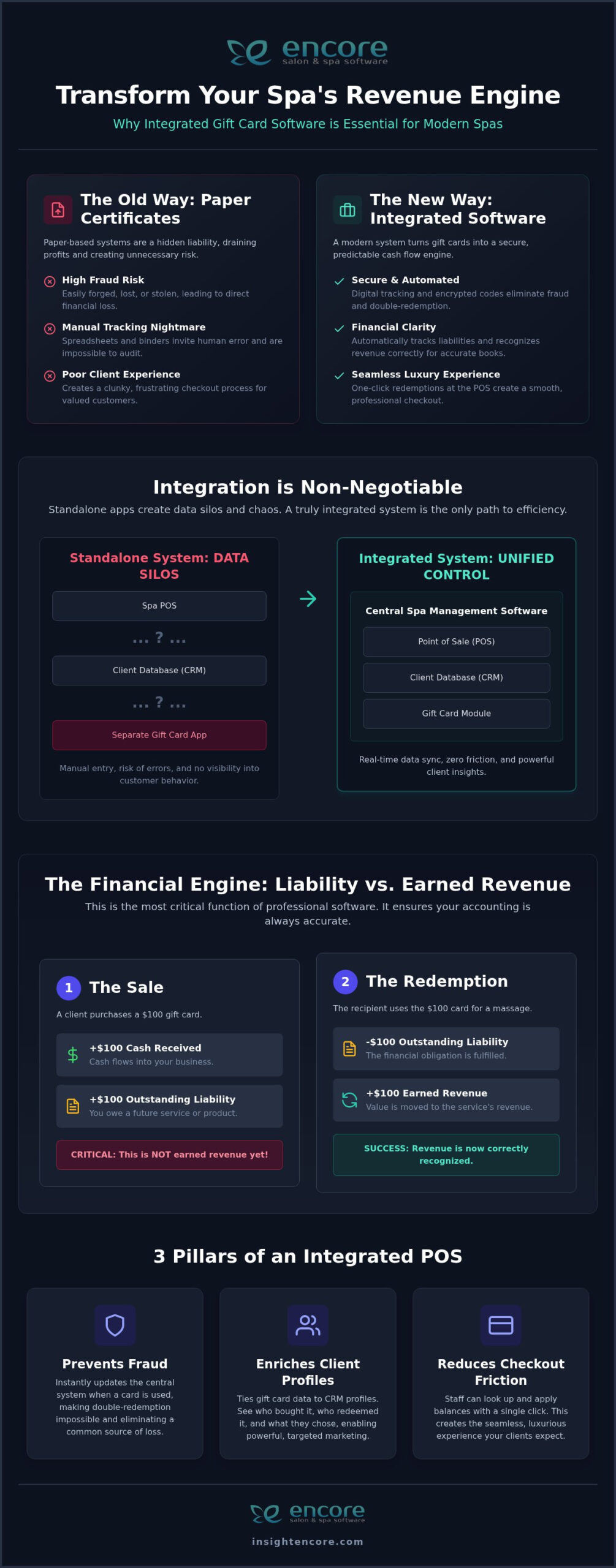
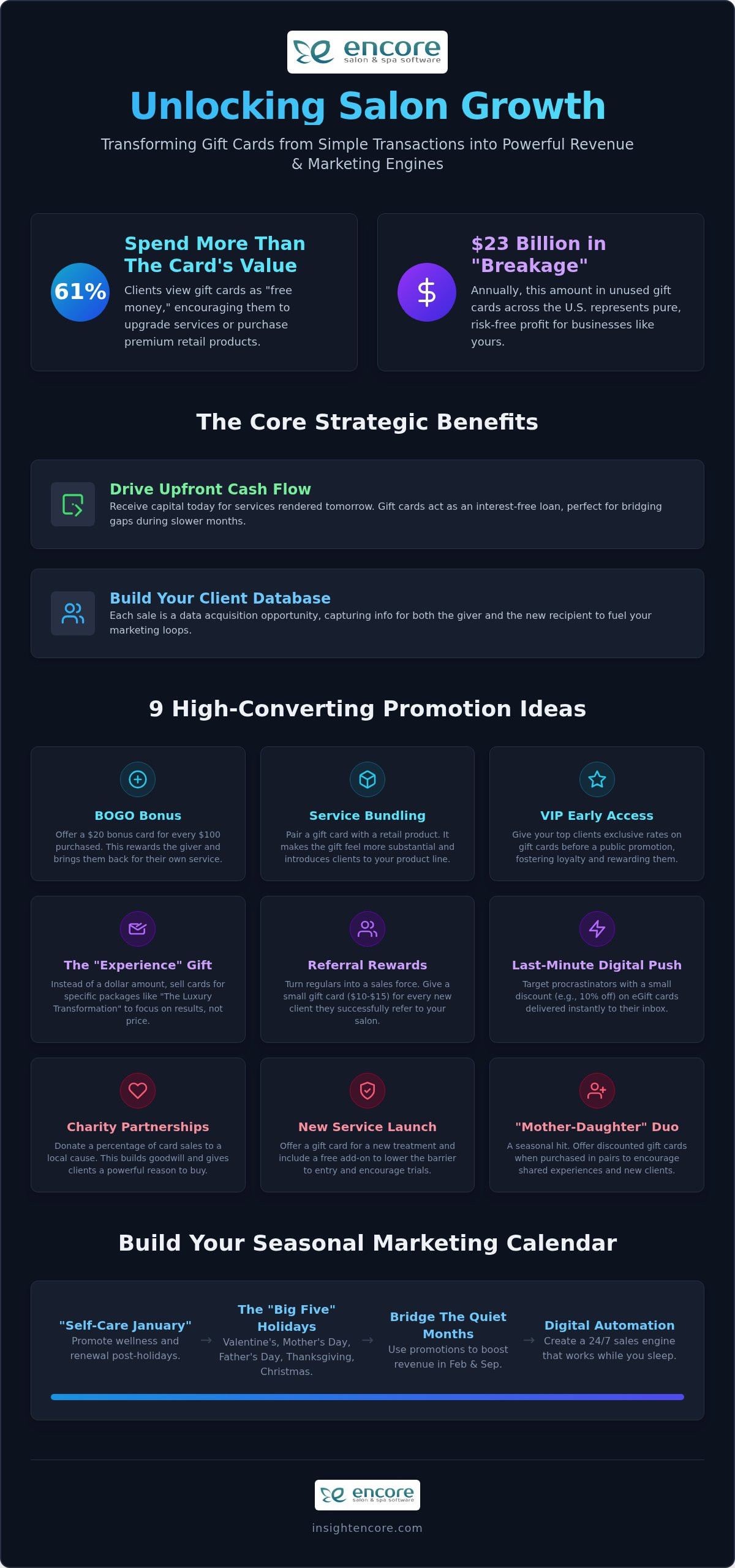
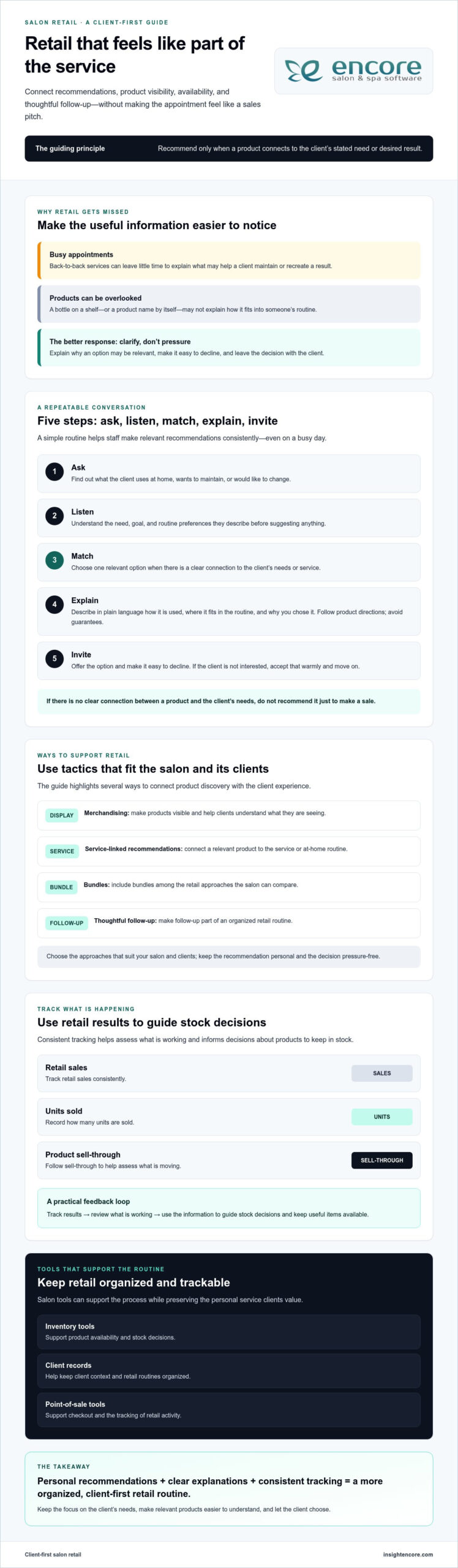
Healthy salons don’t rely on services alone. You should aim for a retail-to-service ratio of at least 15% to 20%. Since retail products often carry profit margins of 50% or more, they are the fastest way to boost your bottom line without adding more hours to your day. Another vital tool for stability is your gift cards strategy. Gift cards provide immediate cash flow and are excellent for filling the books during traditional off-peak months. If you’re looking for ways to streamline these numbers, you can contact our team to see how data-driven tools make financial tracking effortless.

Diversifying how you earn money makes your business resilient. When you combine high-margin retail sales with a robust rebooking strategy, your profit margins naturally expand. Don’t let your financial health be a mystery. Take control of your data today to build the profitable studio you’ve always envisioned.

Operational Efficiency: Optimizing the Salon Floor

A busy salon floor isn’t always an efficient one. If your stylists are rushing while your chairs sit empty during peak hours, you have a bottleneck. A robust salon business health checklist must include a deep dive into your daily operations. Start by auditing the friction in your booking process. How many clicks does it take for a client to secure an appointment? If the process is clunky or requires a phone call, you’re likely losing younger clients who value speed. Seamless online booking isn’t just a convenience; it’s a vital revenue protector.

Beyond the schedule, you must protect your digital assets. Your client data is one of your most valuable resources for growth. Ensuring full PCI compliance and secure data storage protects your reputation and your clients’ peace of mind. Without secure systems, a single data breach could undo years of brand building. Reliability in your tech stack allows you to focus on the artistry of your craft while the backend stays secure and organized.

Optimizing Staff Utilization and Scheduling

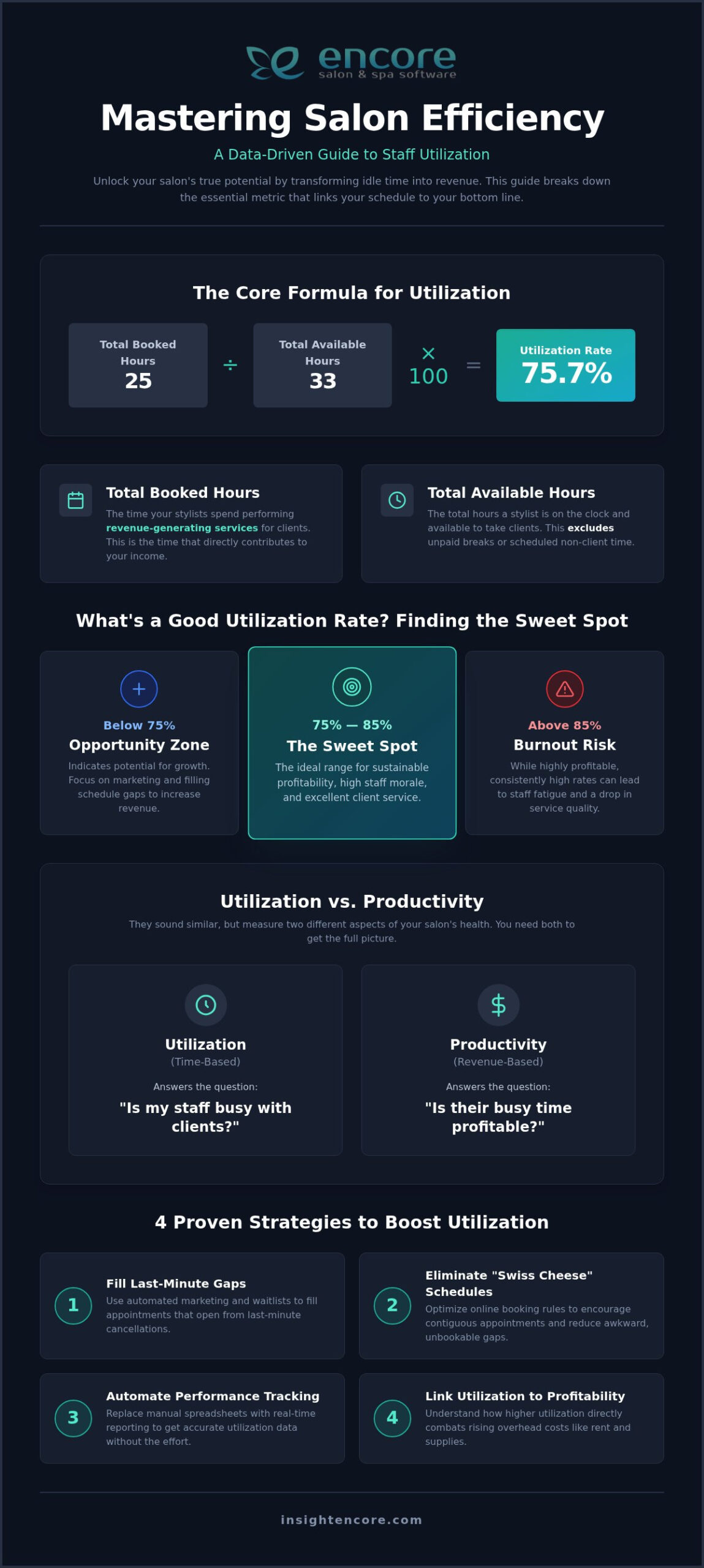
Dead air in the schedule is a silent profit killer. You need to identify if your current hours maximize peak revenue. Are you overstaffed on Tuesday mornings but turning away clients on Thursday nights? Measuring utilization rates helps you spot top-performing stylists and those who might need extra coaching. You can learn how to calculate salon staff utilization rate to turn these observations into hard data. High utilization means your team is productive, but not burnt out. It’s about finding the “sweet spot” where your team stays engaged without feeling overwhelmed by an impossible pace.

Inventory Control and Waste Reduction

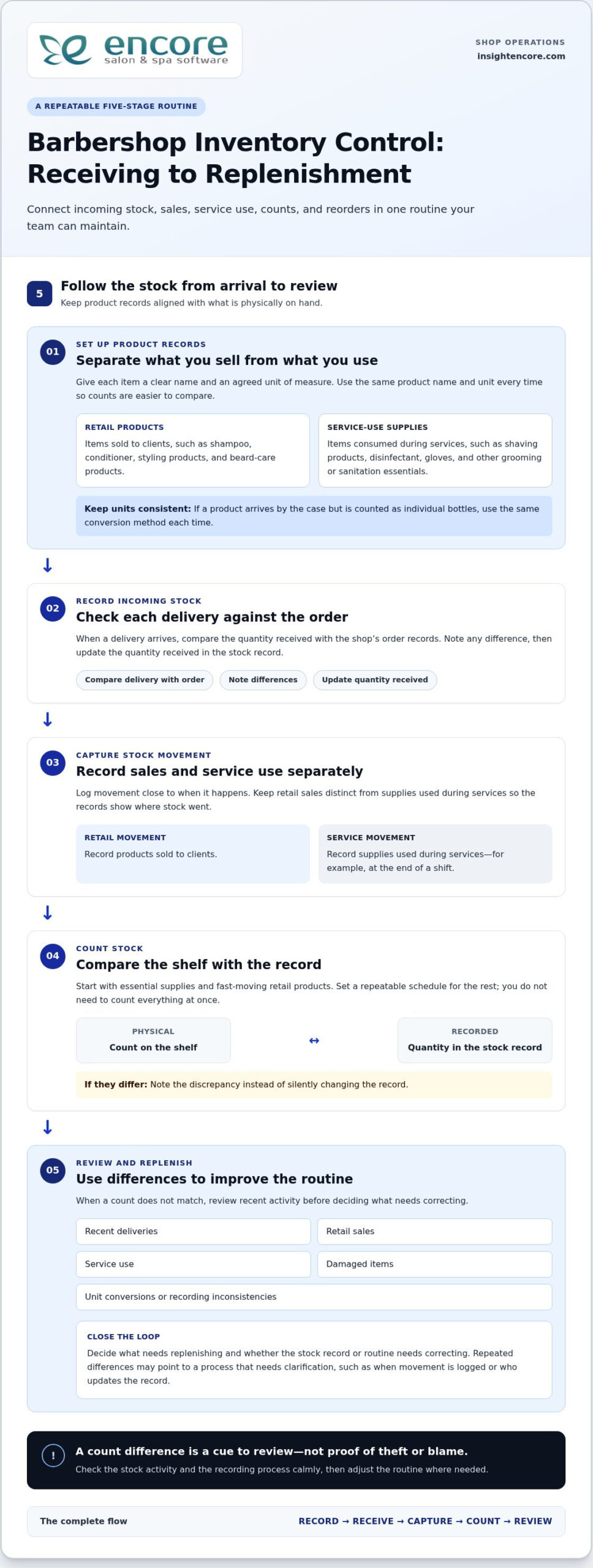
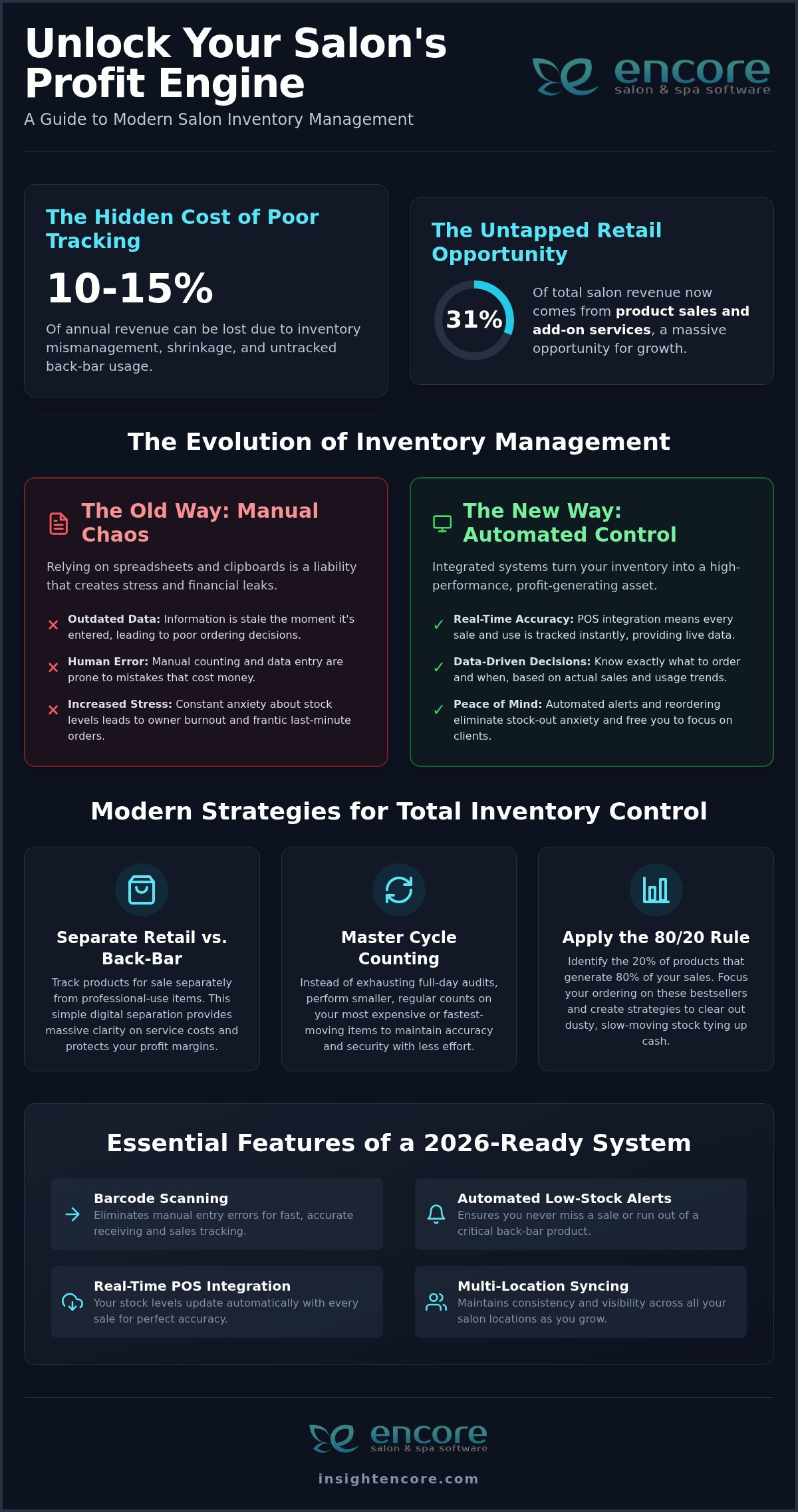
Capital locked in dust-gathering products is capital you can’t use for marketing or upgrades. Audit your back-bar usage to prevent the “heavy pour” that drains your supplies faster than expected. A dedicated inventory management system helps you set automated reordering triggers. This prevents “out of stock” scenarios that frustrate clients and staff alike. Efficient inventory turnover ensures your cash stays liquid and your shelves stay fresh. While operational efficiency keeps the floor running, it also supports broader customer retention strategies by ensuring a consistent, reliable experience every time a guest walks through the door.

The Ultimate Salon Business Health Checklist: Is Your Studio Ready for 2026?

Client Retention and Brand Vitality Checklist

Social media followers are often a vanity metric that masks the true health of your studio. While a large following looks great, it doesn’t always translate into a stable bank account. Real vitality is measured by your Client Retention Rate (CRR). A healthy salon usually maintains a retention rate between 60% and 75%, with top performers reaching as high as 85%. If your numbers are slipping, your salon business health checklist should focus on why guests aren’t coming back. Remember, it’s five times more expensive to find a new client than it is to keep an existing one happy.

Reviewing your loyalty program is another essential step in this audit. Is your program actually driving more frequent visits, or is it just handing out discounts to people who would have come anyway? In the 2026 economy, your loyalty strategy should reward engagement and rebooking rather than just slashing your profit margins. You also need to assess your online reputation. Responding to every review shows you’re a human-centric business that cares about feedback. It builds trust with potential clients before they even step through your door.

Understanding Client Lifetime Value (CLV)

Understanding CLV is more important than tracking a single high-ticket service. CLV represents the total revenue a client brings to your studio throughout their entire relationship with you. Your management software should track these spending habits over time so you can clearly see who your most valuable guests are. Once you identify this VIP segment, you can create targeted appreciation campaigns that make them feel seen and valued. This data-driven approach ensures you’re investing your marketing energy where it will have the biggest impact on your long-term stability.

Marketing Automation and Digital Presence

Your marketing shouldn’t feel like a second job. Audit your automated email and SMS triggers to see if you’re reaching clients at the right time. “Thank you” messages after an appointment and “we miss you” prompts for clients who haven’t visited in eight weeks are simple ways to stay top-of-mind. These small touchpoints keep your chairs full without requiring hours of manual work. It’s about working smarter so you can spend more time behind the chair or leading your team.

Branding consistency is the final piece of the vitality puzzle. Your logo, colors, and tone should be identical across your social media and your online booking module. A professional, unified look builds confidence and makes the booking process feel secure. While social media is great for inspiration, your automated SMS marketing often delivers a much higher ROI because it lands directly in your client’s pocket. Mixing these digital tools creates a resilient brand that can weather any market shift.

Build a more loyal client base today

The Tech-Enabled Salon: Automating Your Health Monitoring

A common mistake in any salon business health checklist is treating software as a simple cash register. In reality, your technology is the central nervous system of your studio. You need to verify if your POS system integrates directly with your credit card processing. If these systems are disconnected, you’re forced to reconcile data manually; this invites errors and hides the true state of your margins. Integrated systems ensure that every penny is accounted for without the headache of manual entry.

Real-time reporting is another non-negotiable for 2026. Can you see your health metrics on your phone while you’re away from the desk? Waiting for a monthly report is too slow in a fast-moving market. You need to see staff utilization and daily sales at a glance. This accessibility gives you peace of mind and allows for quick adjustments before small issues become expensive problems. If you can’t monitor your business from anywhere, you’re tied to the front desk instead of leading your team.

Technology should be a tool that supports your staff, not a hurdle that slows them down. Audit how your team interacts with your current systems. If they find the software frustrating or confusing, they won’t use it correctly, and your data will suffer. Scalability is also vital. Your tech stack must be ready to support your 2026 growth, whether that means adding new chairs, hiring more stylists, or opening a second location. Your software should grow with you, not hold you back.

Leveraging Encore Salon Software for Real-Time Insights

Encore’s dashboard is designed to provide an instant business health score. It takes the guesswork out of management by turning raw numbers into clear, actionable insights. We offer specialized tools for tattoo studios, nail salons, and barber shops to ensure the features fit your specific workflow. Moving away from manual spreadsheets to automated accuracy isn’t just about saving time. It’s about having the confidence that your data is 100% correct. When your backend is automated, you can focus on the artistry and client relationships that define your brand.

Setting Your 2026 Growth Roadmap

Now that you’ve completed this salon business health checklist, use your results to set three “Non-Negotiable” goals for Q1. Maybe you need to tighten inventory control, or perhaps your focus is on boosting client retention through automated loyalty programs. Whatever the gap, technology is usually the bridge that gets you there. Scheduling a demo is the best way to see how modern tools can fill the specific needs identified in your audit. It’s time to stop wondering if your business is healthy and start knowing it is. Contact us today to start your tech-driven health check and secure your studio’s future.

Secure Your Studio’s Future with Data-Driven Confidence

Building a thriving studio in 2026 requires more than just artistic talent; it demands a clear view of your business’s inner workings. By running through this salon business health checklist, you’ve taken the first step toward moving from survival to sustainable growth. You now understand that true health is a balance of optimized staff utilization, secure client data, and healthy profit margins that exceed the industry average. It’s about making sure your hard work translates into a stable, profitable future.

Since 1991, we’ve helped thousands of beauty professionals simplify their operations. Whether you run a specialized tattoo studio, a spa, or a traditional salon, our integrated POS and credit card processing tools turn complex numbers into a simple roadmap for success. You deserve the peace of mind that comes with knowing your studio is on the right track. We’ve built our systems to remove the daily frustrations that hold you back from your true potential.

Ready to automate your salon's health check? Explore Encore Salon Software today.

You don’t have to face the hurdles of 2026 alone. With the right tools and a commitment to your studio’s vitality, you can reclaim your time and build a legacy that lasts. We’re here to help you every step of the way, providing the support you need to lead with confidence. Your journey toward a healthier, more organized business starts today.

Frequently Asked Questions

How often should I perform a salon business health checklist?

Aim for a full review every quarter. This frequency allows you to spot seasonal trends without becoming overwhelmed by data. Use a salon business health checklist monthly to monitor your cash flow and no-show rates. Regular checkups ensure you can pivot quickly if your margins slip. Staying consistent with these audits prevents small operational leaks from turning into major financial drains and keeps you focused on growth.

What is the most important KPI for salon health in 2026?

Client Retention Rate (CRR) remains the gold standard for health in 2026. Because acquiring a new client is five times more expensive than keeping an existing one, your ability to bring guests back is vital. A healthy salon targets a CRR between 60% and 75%. While revenue tells you what you’ve earned, retention tells you if your business has a sustainable future and a loyal, returning community.

How do I calculate my salon’s client retention rate accurately?

To calculate your CRR, subtract your new clients from the total number of clients at the end of a period. Divide that number by the total clients you had at the start. It sounds complex to do manually, which is why most owners use their management software to generate this report instantly. Accurate tracking helps you identify whether your stylists are building long-term relationships or just filling seats for a single visit.

Can salon management software really reduce my operating costs?

Yes, modern software reduces costs by eliminating manual errors and automating repetitive tasks. It cuts down on “dead air” in your schedule through smart rebooking and reduces no-shows with automated reminders. An inventory management system also prevents over-ordering, ensuring your capital isn’t tied up in products that don’t sell. These small efficiencies add up to a significant increase in your overall profit margins without needing extra staff.

What are the signs that my salon is financially ‘at risk’?

A primary sign of risk is a profit margin that consistently stays below the 8% industry average. Other red flags include high staff turnover and a rising no-show rate. If you find yourself struggling to cover overhead despite a busy schedule, you likely have operational leakage. Completing a salon business health checklist can help you identify if your pricing or expenses are out of alignment with your long-term studio goals.

How do I improve staff utilization without burning out my stylists?

Focus on optimizing your peak hours rather than just adding more shifts. Use data to identify the busiest times and ensure your top stylists are available when demand is highest. Automated gap-filling tools can also book short services into small openings in the schedule. This approach maximizes revenue without forcing your team to work longer hours. It’s about working smarter to protect their creative energy and your bottom line.

Is my salon data safe with cloud-based management software?

Your data is extremely secure when you use a reputable cloud-based platform. We prioritize PCI compliance and advanced encryption to protect your client records and payment information. Cloud systems are often safer than local computers because they include automatic backups and protection against hardware failure. This reliability ensures your business remains operational even if your physical studio faces an unexpected technical issue or power outage, giving you total peace of mind.

What is a healthy retail-to-service revenue ratio for a modern spa?

Modern spas should aim for a retail-to-service revenue ratio of 15% to 20%. Since retail products often have profit margins near 50%, they are essential for offsetting the lower margins of labor-intensive services. If your ratio is below 10%, it’s a sign that your team may need more training on how to recommend home-care solutions. Improving this metric is one of the fastest ways to boost your studio’s financial vitality and overall health.

Disclaimer

This article is general in nature and may contain errors, please verify all claims with your sales rep

Categories
Uncategorized

Ultimate Salon Financial Forecast Template & Guide 2026

Did you know that while the beauty industry is worth over $92 billion, same-store growth for many salons has slowed to just 2%? It’s a sobering reality that makes every dollar count more than ever. You likely started your business to create beauty, not to spend your Sunday nights squinting at a confusing spreadsheet. It’s normal to feel a bit of anxiety when you’re deciding if you can afford a new hire or a second location. That’s why having a reliable salon financial forecasting template is so vital. It moves you away from “gut feelings” and toward a clear, data-backed strategy for your year ahead.

We understand that numbers can feel intimidating, but they don’t have to be. This guide provides a plug-and-play framework designed to wipe out cash flow uncertainty and replace it with professional confidence. You’ll learn how to build a living roadmap that accounts for everything from repeat client revenue to the latest 2026 economic shifts. We’ll show you how to automate your data tracking so you can stop worrying about manual errors and start focusing on your team. By the end of this article, you’ll have the tools to ensure your salon is sustainable, profitable, and ready for growth.

Key Takeaways

  • Shift your focus from past bookkeeping to future forecasting to identify potential cash flow dips before they happen.
  • Master the essential components of a salon financial forecasting template, including service sales, retail revenue, and the balance between fixed and variable costs.
  • Learn the step-by-step process of using your POS data to calculate average ticket prices and client frequency for a reliable 12-month roadmap.
  • Avoid expensive growth mistakes by accounting for staff turnover and setting realistic timelines for new guest acquisition.
  • Discover how Encore Salon Software removes the stress of manual data entry by generating instant reports for your financial planning.

Why Financial Forecasting is the Secret to Salon Longevity in 2026

Many salon owners mistake bookkeeping for financial planning. While bookkeeping tracks what you’ve already spent, it doesn’t tell you where you’re going. To understand what a financial forecast is, think of it as a projection of your future business health based on current trends. Using a salon financial forecasting template allows you to look forward. It helps you anticipate the slow months of 2026 before they happen. You’re no longer just recording history; you’re writing it.

A forecast acts as your business’s early warning system. With industry reports showing that same-store growth has leveled off at around 2%, you can’t afford to be reactive. If your forecast shows a potential cash flow dip in November, you have time to launch a loyalty campaign or adjust your inventory orders now. This proactive approach is what separates a thriving salon from one that’s constantly firefighting. It gives you the power to make adjustments while you still have the resources to do so.

The Emotional Benefit of Financial Clarity

Financial uncertainty is a leading cause of owner burnout. When you don’t know if you can cover rent next month, your creativity suffers. Clarity brings peace. A clear roadmap transforms you from a stressed manager into a confident leader. It also builds a professional image that matters to outside partners. If you’re looking at SBA 7(a) loans, which currently carry variable rates between 9.75% and 13.25%, lenders will want to see that you have a firm grip on your future numbers. Professionalism breeds trust.

Strategic Decision Making via Data

Data gives you the permission to grow. Instead of wondering if it’s time to hire a new stylist, your salon financial forecasting template will show you exactly when your current team will reach capacity. You can see the revenue impact of a new hire before they even start their first shift. This same logic applies to your marketing budget. You’ll know exactly how much you can spend to acquire a new guest while maintaining your margins. For more tips on protecting your bottom line, check out our guide on how to increase salon profit margin. Strategic growth isn’t about taking big risks; it’s about making informed choices.

Essential Components of a Salon Financial Forecasting Template

A salon financial forecast is a predictive model of cash inflows and outflows over a specific period. To build a resilient business, your salon financial forecasting template must go beyond simple estimates. It needs to reflect the reality of your daily operations. This means breaking your business down into manageable categories that show exactly where your money goes. You can’t plan for growth if you don’t know your starting point.

Revenue isn’t just about how many haircuts you perform. It includes retail product sales, which often carry higher profit margins, and gift card breakage. When you create a prospective financial outlook, you’re looking at the total potential of your brand. It’s about seeing the big picture of how different income streams work together to support your goals.

Costs usually fall into two buckets. Fixed costs like rent and insurance stay the same regardless of your volume. Variable costs, such as color backbar and stylist commissions, change based on how busy you are. Staffing costs remain the biggest lever in your financial model. Managing these properly is the difference between a profitable month and a stressful one. You also need to plan for capital expenditures. These are the larger investments, like new styling chairs or a front desk renovation, that keep your space competitive and fresh.

Predicting Revenue Beyond Service Sales

Service sales drive the schedule, but retail-to-service ratios drive the profit. A healthy salon often aims for retail to make up 10% to 20% of total revenue. Your forecast should also account for seasonal fluctuations, such as the “January dip” when client spending naturally cools after the holidays. Don’t overlook the impact of gift cards on your future cash flow. While they provide immediate cash, they represent a liability for future services that you must track carefully in your model.

Understanding Your True Operating Costs

Hidden costs can quietly erode your margins. Credit card processing fees and software subscriptions often go unexamined but add up quickly over a year. If you want to stop these fees from silently draining your profits, our guide on how to reduce credit card processing fees for small business breaks down exactly where the money goes and how to reclaim it. Treat your backbar inventory as a variable expense that scales with your service volume. If your color usage spikes, your revenue should too. For a deeper dive into balancing these numbers, read our guide on salon cash flow management. If you want to see these numbers in real-time without the manual math, you can explore our reporting tools to simplify your planning.

Step-by-Step: How to Forecast Salon Revenue and Expenses

Creating a salon financial forecasting template isn’t just about guessing. It’s about building a model based on what actually happens in your chairs. You need to follow a logical path to ensure your projections are grounded in reality. This process turns your messy data into a clear vision for the future of your business.

Start by gathering historical data from your POS system. Look at your performance from the last 12 months to find your baseline. This tells you your average ticket price and how often your clients return. If you’re following the SBA’s guide to financial projections, you know that historical accuracy is the foundation of any reliable outlook. Next, factor in your staff utilization. A chair that sits empty for half the day isn’t earning its keep. Layer in any planned price increases or upcoming marketing campaigns. These variables can significantly shift your revenue curve.

Finally, stress-test your model. Create a “worst-case” scenario where new guest acquisition drops by 10%, which was a common industry trend in late 2026. Knowing you can survive a dip gives you the confidence to push for the “best-case” results. It’s better to be prepared for a storm than to be surprised by one. To ensure your studio is truly ready for what’s ahead, it’s worth running through a comprehensive salon business health checklist that audits your financial, operational, and cultural vitality alongside your forecast.

The Role of Staff Utilization in Revenue

Your forecast will fail if you don’t track stylist performance. You need to calculate the revenue per hour for every chair in your salon. This metric reveals whether you’re truly at capacity or if you just have a scheduling bottleneck. If you aren’t sure where to start, check out our guide on how to calculate salon staff utilization rate. High utilization leads to higher profit margins without adding more overhead. It’s the most effective way to grow your income without expanding your footprint.

Projecting Retail and Upsell Growth

Retail isn’t just an extra on the side; it’s a core revenue driver. Set realistic benchmarks for your team based on their historical performance. Use your salon financial forecasting template to see how even a small 5% increase in retail sales impacts your year-end profit. Automated marketing tools can help here by sending rebooking reminders and personalized product offers. These systems boost your rebooking rates, making your future revenue more predictable and less reliant on finding new guests every month. Use your historical data to predict peak demand periods so you can stock up on inventory before the rush starts.

Ultimate Salon Financial Forecast Template & Guide 2026

Common Forecasting Mistakes and How to Avoid Them

Many owners feel a surge of relief once they first fill out a salon financial forecasting template. It feels like the hard part is over. However, the real value of a forecast lies in the accuracy of your assumptions. It’s easy to fall into traps that make your roadmap unreliable. One of the most frequent errors is overestimating how quickly you can acquire new clients. Industry data from 2026 shows that new guest visits declined by 10% across the board. If your model assumes a constant stream of new faces without a heavy marketing spend, your revenue projections will be inflated.

You also can’t ignore the impact of staff turnover. When a stylist leaves, they often take a portion of their clientele with them. This creates a massive revenue hole that can take months to fill with new hires. Additionally, many owners underestimate the “cost of goods” as they get busier. As your service volume increases, your backbar expenses and laundry costs scale right along with it. If you don’t account for this, your profit margin will shrink even as your total sales grow. Finally, a forecast is only useful if you update it. Failing to compare your actual results against your projections makes the whole exercise a waste of time.

The Danger of “Optimism Bias”

Everyone wants to be positive about their business, but your budget needs to be grounded in reality. Always include a 10% buffer for expenses in your salon financial forecasting template. Unexpected costs, like a broken HVAC system or a faulty water heater, can derail your cash flow if you aren’t prepared. Use real benchmarks to validate your goals. For example, a well-managed salon typically sees a profit margin between 8% and 15%. If your model predicts a 40% margin, it’s time to double-check your math and your assumptions.

Static vs. Rolling Forecasts

A yearly budget often feels irrelevant by February. The market moves too fast for static planning. Instead, adopt a 3-month rolling forecast. This allows you to stay agile and adjust your spending based on the previous quarter’s actual performance. By integrating real-time credit card processing data, you can see exactly how much cash is hitting your bank account every day. This clean data ensures your projections stay accurate and useful all year long, helping you make better decisions for your team’s future.

Get started with Encore to automate your data tracking today

Automating Your Forecast with Encore Salon Software

A manual salon financial forecasting template is a fantastic starting point, but the real magic happens when you stop typing and start leading. Manual data entry is the primary source of errors that lead to “messy spreadsheet” anxiety. Encore Salon Software eliminates this hurdle by connecting your POS and inventory management directly to your financial planning. Every service performed and every bottle of retail product sold flows into your records automatically. This shift moves you from a state of constant stress to a feeling of organized control.

Generic accounting tools often fall short because they don’t speak the language of beauty and wellness. They don’t understand the nuances of color waste or the complexities of tracking chair and booth renter financials in one unified platform. We’ve spent 35 years refining our tools to handle these specific industry hurdles. We aren’t just a distant service provider; we’re a supportive partner. Our human-centric approach ensures you have the reliability you need to master your numbers without feeling intimidated by the technology.

From Data to Insight: Encore’s Reporting Suite

Visualizing your business health should only take a few clicks, not a few hours. Encore allows you to generate instant performance reports that feed directly into your salon financial forecasting template. You can customize these reports for specialized environments, including tattoo studios, nail salons, or spas. This level of detail helps you see exactly which services are driving your profit and where your costs might be creeping up. You can explore the full range of Encore Salon Software features to see how we turn raw data into actionable insights for your growth.

Ready to Take Control of Your Numbers?

Predictable revenue is the foundation of a sustainable business. Our automated marketing and loyalty programs contribute to this by increasing client retention and boosting rebooking rates. When your revenue is predictable, your forecast becomes a powerful tool for expansion rather than just a way to track expenses. You’ll have the data-backed confidence to hire new stylists or invest in a renovation. We’re eager to help you reach that next level of success. If you’re ready to see how our system can transform your planning, contact our team for a personalized walkthrough of our platform today.

Build a Business That Lasts

Mastering your numbers is the most empowering thing you can do for your salon. It transforms daily financial anxiety into a clear, actionable roadmap for growth. By implementing a salon financial forecasting template, you’ve taken the first step toward true business sustainability. You’re no longer just reacting to your bank balance; you’re designing your future with data-backed confidence.

We’ve been a dedicated partner to salon owners since 1991, offering 35 years of industry expertise. Our all-in-one platform covers everything from POS to payroll, ensuring your data is always clean and ready for analysis. Whether you run a high-volume barbershop or a specialized wellness studio, we provide the human-centric tools you need to succeed. You’ve built something beautiful, and now it’s time to ensure it thrives for years to come.

See how Encore Salon Software automates your financial reporting—Book a Demo Today!

Your passion for your craft deserves a business that is as resilient as it is creative. Take the leap today and replace uncertainty with organized control. We’re here to guide you every step of the way toward the successful future you deserve.

Frequently Asked Questions

What is the difference between a salon budget and a financial forecast?

A budget is a spending plan that sets limits on your expenses; a financial forecast is a prediction of where your business is actually headed. While a budget is often static, a forecast uses current trends to show future outcomes. Using a salon financial forecasting template helps you bridge this gap. It allows you to see the real-world impact of your current bookings on next month’s bank balance.

How often should I update my salon financial forecasting template?

You should update your salon financial forecasting template at least once a month. This practice, known as a rolling forecast, ensures your projections stay relevant as market conditions change. If same-store growth stalls or new guest acquisition dips, a monthly update allows you to catch these trends early. Regular reviews transform your forecast from a static document into a living roadmap that guides your daily business decisions.

Do I need expensive software to start forecasting for my salon?

You don’t need expensive software to begin, but manual spreadsheets often lead to data entry errors. While a basic template is a great starting point, specialized tools like Encore Salon Software automate the process. Our platform pulls data directly from your POS and inventory records to feed your projections. This saves you hours of manual work and provides the professional confidence you need to make big expansion decisions.

How do I account for booth renters in my financial projections?

Booth renters should be projected as a steady stream of fixed rental income rather than variable service revenue. Unlike commission stylists, their contribution doesn’t fluctuate with service volume. Encore offers specialized modules for chair and booth renters to keep these financials separate and clear. This ensures your projections accurately reflect your overhead coverage without confusing your personal service sales with your rental income.

What is a realistic profit margin for a hair salon in 2026?

A realistic profit margin for a well-managed hair salon in 2026 typically falls between 8% and 15%. While your total revenue might be high, your net profit depends on how effectively you manage variable costs like backbar supplies and commissions. Monitoring your margin through a forecast helps you identify if costs are creeping up. This allows you to adjust your pricing or inventory management before your bottom line suffers.

Can I use a general accounting tool like QuickBooks for salon forecasting?

General tools like QuickBooks are excellent for bookkeeping and tax compliance, but they often lack the industry-specific depth needed for salon forecasting. They don’t naturally track metrics like stylist utilization or retail-to-service ratios. Encore is designed specifically for wellness businesses, offering integrated reporting that understands the nuances of your daily operations. This specialized focus provides a much clearer picture of your business health than generic accounting software can.

How do I factor in seasonal trends like the holiday rush?

Factoring in seasonal trends requires looking at your historical POS data to identify recurring patterns. Most salons experience a significant revenue peak in December followed by a natural cooling in January. Your forecast should adjust for these fluctuations by lowering revenue expectations during slow months and increasing them during high-demand periods. This ensures you have enough cash reserved from the busy season to comfortably cover your fixed costs during the dips.

What should I do if my actual numbers are significantly lower than my forecast?

If your actual numbers fall short, use the gap to identify exactly where the leakage is happening. Check if your new guest acquisition has dropped or if your staff turnover has increased. A forecast acts as an early warning system, giving you time to respond. You might launch an automated loyalty program or a targeted marketing campaign to boost rebooking rates and get your revenue back on track.

Disclaimer

This article is general in nature and may contain errors, please verify all claims with your sales rep

Categories
Uncategorized

Salon Cash Flow Management: 2026 Financial Guide

With the U.S. salon industry projected to generate $48 billion in revenue in 2026, why does it feel like your bank account is often running on empty? It’s a common frustration to see every chair full yet still worry about covering the next lease payment. You aren’t alone in feeling the sting of unpredictable slow seasons or the headache of tying up too much capital in retail stock that just won’t move. Learning how to manage salon cash flow effectively is the vital shift that transforms a talented artist into a confident, relaxed business owner.

We understand that you started this journey to create beauty, not to spend your weekends buried in complex spreadsheets. It’s exhausting to manually calculate staff commissions or wonder exactly where your profit disappeared. This guide is your roadmap to financial clarity. We will provide a step-by-step framework to stabilize your monthly income and automate the “math” that currently causes so much stress. You’re about to discover how to gain a clear understanding of your finances and ensure your business thrives in 2026 with systems that work as hard as you do.

Key Takeaways

  • Understand why a fully booked calendar doesn’t always mean a healthy bank account by mastering the difference between profit and real-time cash flow.
  • Stop “leaky” finances by categorizing fixed and variable expenses and implementing a simple daily reconciliation routine that keeps you in control.
  • Unlock “frozen cash” by optimizing your inventory levels and aligning staff schedules with your most productive hours to reduce unnecessary overhead.
  • Follow a proven five-step method on how to manage salon cash flow effectively by using historical data to project future revenue with confidence.
  • Learn how automated tools like Encore Salon Software handle complex math and data tracking for you, letting you focus on your clients instead of spreadsheets.

Profit vs. Cash Flow: Why Your Salon Can Be Busy but Broke

It’s a frustrating paradox. Your stylists are booked solid and you might even hit the industry average revenue of $245,000. Yet, when you look at your bank balance on Friday, there’s barely enough to cover the rent. This is the “Busy but Broke” trap. It happens because profit is just a theoretical number on paper, while cash flow is the cold, hard reality of your bank account. To understand what cash flow is, you have to look at the timing of every transaction. Profit tells you what you earned after expenses, but cash flow tracks exactly when that money arrives and when it leaves.

In a salon, managing this is uniquely complex. You’re balancing service revenue, which is immediate, with retail stock that might sit on a shelf for months. With labor costs typically eating up 45% to 55% of your gross revenue, there is very little room for error. You have to track three main types of movement:

  • Operating Cash Flow: The daily money from haircuts, colors, and product sales.
  • Investing Cash Flow: Money spent on long-term assets, like new salon chairs or high-end equipment.
  • Financing Cash Flow: Cash used for loans or business debt.

Learning how to manage salon cash flow effectively starts with recognizing that timing is everything. If your expenses hit on the 1st but your big color appointments aren’t until the 15th, you have a cash flow problem, even if you are profitable by the end of the month.

Common Cash Flow Killers in the Beauty Industry

Small leaks can sink a big ship. Last-minute cancellations and no-shows are the most immediate thieves. They don’t just cost you a service fee; they leave a stylist idle while your fixed costs, like electricity and rent, keep ticking. Then there’s the “January Slump.” If you haven’t built a reserve during the busy holiday season, a 20% dip in bookings can feel like a crisis. Finally, watch your petty cash. Those emergency trips to the store for extra towels or coffee pods add up quickly if they aren’t tracked daily.

The Role of Visibility in Financial Peace of Mind

You can’t fix what you can’t see. Many owners wait for a quarterly report from their accountant, but that’s like looking in the rearview mirror while driving. By the time you see a problem, it’s three months old. Real-time data gives you the power to make decisions today. Instead of relying on a gut feeling that the salon is doing well, you need to know your exact totals every evening. Automation is the key. It removes human error from daily tallies and ensures that your commission math is perfect. When you use integrated management features, the stress of the unknown disappears, replaced by a feeling of organized control.

Building a Foundation: Tracking Income and Expenses with Precision

Running a salon is deeply personal. Every dollar represents a client served or a product sold. To keep that money where it belongs, you need a crystal-clear map of your outflows. This starts with separating your fixed costs from your variable ones. Your fixed costs, like rent and insurance, are the anchors that stay the same every month. Variable costs, such as backbar supplies and utilities, are more fluid. Tracking these categories separately is how to manage salon cash flow effectively because it stops small, variable leaks before they become floods.

Daily reconciliation is your best defense against “leaky” cash flow. It’s tempting to wait until the end of the week, but small errors in manual entry or untracked petty cash purchases add up quickly. By spending ten minutes each evening balancing your till, you ensure your records match your bank account. This habit creates a reliable foundation for your morning check-in. A simple cash flow dashboard allows you to see your current balance and upcoming bills in just five minutes, giving you the confidence to start your day with a clear head.

Automating Revenue Tracking with POS Integration

Manual data entry is a magnet for human error. When you use integrated credit card processing, your sales data flows directly into your management system without you lifting a finger. This automation captures every detail, including digital tips and service add-ons that might otherwise slip through the cracks. It also speeds up fund availability. Instead of waiting days for transactions to clear, integrated systems often provide faster access to your cash, which is vital for meeting immediate payroll needs.

Managing Outflows: The ‘Envelope Method’ for the Digital Age

The “Envelope Method” isn’t just for physical cash; it’s a powerful digital strategy too. By allocating specific percentages of your daily revenue to separate “envelopes” or accounts, you ensure you’re never scrambling for tax or payroll money. For example, you might set aside 15 percent for taxes and 50 percent for labor costs immediately. This proactive approach allows you to implement strategies to strengthen your financial stability during the quieter seasons.

Modern software can even flag your account when variable expenses, like your monthly color order, exceed your set budget. There is a massive psychological benefit to seeing “saved” cash sitting in a dedicated account for future bills. It replaces the panic of the unknown with a sense of organized control. If you’re ready to see how simple this tracking can be, you can explore our all-in-one management tools today.

Optimizing Your Two Largest Outflows: Inventory and Labor

Inventory and labor are the two heaviest weights on your balance sheet. If they aren’t balanced perfectly, they can pull your entire business down. Many owners see a shelf full of products and feel a sense of security, but that’s a mistake. Think of your backbar and retail shelves as “frozen cash.” Every bottle sitting there is money that isn’t available to pay your team or your rent. Understanding the relationship between these two expenses is the next step in learning how to manage salon cash flow effectively.

Labor is your highest expense, typically accounting for 45% to 55% of gross revenue in 2026. If you have three stylists standing around during a Tuesday morning dead zone, you’re paying to keep the lights on for no return. This is especially critical for specialized businesses like tattoo studios or booth rental spaces. These “mini-cash flows” require precision to ensure the house stays profitable while the artists thrive. Commission structures also impact your weekly cash availability. If you pay out commissions before your credit card deposits fully clear, you create a temporary cash crunch that can be avoided with better timing.

Smart Inventory Management: Freeing Up Your Capital

Stop guessing what you need to order. You can implement “Par Levels” to trigger orders only when you hit a specific minimum. This ensures you aren’t overbuying “Dust-Gatherers,” which are products that haven’t moved in 90 days. When you use Encore’s inventory management, this process becomes automatic. The system tracks every ounce used in the backbar and every bottle sold at retail, keeping your capital fluid instead of trapped on a shelf.

Aligning Staff Performance with Financial Health

A busy salon isn’t always a productive one. You need to track your salon staff utilization rate to see if your team’s time is being used efficiently. If utilization is low, it’s time to adjust your scheduling or focus on automated marketing to fill those gaps. Automated commission calculations also prevent “human error” overages that can quietly drain your accounts. By incentivizing your staff to focus on high-margin services like color corrections or scalp treatments, you increase the amount of cash staying in the business after labor costs are paid.

Salon Cash Flow Management: 2026 Financial Guide

The 5-Step 2026 Salon Cash Flow Forecasting Method

Forecasting is your financial weather report. It tells you when to carry an umbrella and when to soak up the sun. If you’re tired of being surprised by a low bank balance, learning how to manage salon cash flow effectively requires a proactive look at the months ahead. This isn’t about being a math genius; it’s about using your existing data to make informed decisions. This 5-step method for 2026 simplifies the process so you can plan with total confidence. To take your planning even further, a dedicated salon financial forecasting template can give you a plug-and-play framework that moves you from gut feelings to a clear, data-backed strategy for the year ahead.

  • Step 1: Gather 12 months of historical data. This shows you the natural rhythm and seasonal cycles of your business.
  • Step 2: Project future revenue. Use your current booking trends and staff levels to estimate what’s coming in the next quarter.
  • Step 3: List known upcoming expenses. Include everything from license renewals to planned equipment upgrades and lease increases.
  • Step 4: Factor in seasonal peaks and valleys. Plan for the holiday rush and the January slump at the same time.
  • Step 5: Adjust your strategy. This is where you decide how to manage salon cash flow effectively by cutting unnecessary costs or launching a new marketing campaign.

Projecting Revenue in a Subscription and Service Economy

The beauty industry is leaning heavily into recurring revenue models. If you offer memberships, include that guaranteed income in your projections. It’s also helpful to estimate the lifetime value of a new client. A one-time visitor is a win, but a client who returns every six weeks is a financial pillar for your business. Don’t forget about gift card sales. These are fantastic immediate cash injections that can help bridge a gap during a slow week. Just remember to track these as liabilities so you’re ready when the client returns to redeem them later in the year.

Building the ‘Peace of Mind’ Cash Reserve

Every salon owner deserves to sleep soundly at night. We recommend following the “Rule of Three” as a core part of your financial strategy. Your goal is to have three months of operating expenses sitting in a separate business savings account. You don’t need to find this money all at once. Build this reserve incrementally by setting aside a small percentage of your weekly profit, perhaps just 2 or 3 percent. This habit ensures your business remains stable without hurting your daily operations or your ability to pay your team. This emergency fund is your shield against the unexpected, like a sudden equipment failure or a change in local regulations. Having this cushion allows you to lead your team with a sense of calm and control. Pairing this reserve-building habit with a thorough salon business health checklist gives you a complete picture of your studio’s financial and operational readiness for the year ahead.

Start your financial transformation today

Leveraging Encore Salon Software to Automate Your Success

You didn’t open your doors to become a full-time bookkeeper. You’re an artist, a mentor, and a leader. While the financial framework we’ve discussed is vital, you shouldn’t have to spend your Sunday nights manually entering data into a spreadsheet. This is where Encore acts as your friendly mentor, handling the heavy lifting of data tracking so you can stay focused on your team and your clients. Shifting your focus to how to manage salon cash flow effectively through automation is the single most impactful change you can make for your business in 2026.

One of the biggest mistakes owners make is “Frankenstein-ing” their business by using five different apps that don’t talk to each other. When your booking system, inventory tracker, and credit card processor all live under one roof, you eliminate the data gaps that lead to financial surprises. For specialized businesses like tattoo studios or niche wellness centers, this level of integration is even more critical. You need a system that understands the specific nuances of your craft, from tracking booth rental fees to managing high-ticket service deposits.

Integrated Tools That Drive Immediate Inflows

Waiting for money to arrive is the hardest part of the “Busy but Broke” cycle. Encore helps you break that cycle with tools designed to secure your income before the client even walks in. By setting automated deposit requirements for high-ticket services like extensions or complex color work, you protect your time and your cash. If your calendar shows a gap, you can use built-in marketing automation to send targeted offers to your most loyal clients, filling those empty chairs instantly. Best of all, our simplified financial reporting translates complex numbers into clear, actionable insights that you can actually understand at a glance.

Taking the Next Step Toward Financial Freedom

Upgrading your management system is about more than just better math; it’s an investment in your mental health. The constant low-level stress of “not knowing” is what leads to burnout. Transitioning from a state of surviving to thriving requires the visibility that only professional software can provide. You don’t have to be an accountant to run a highly profitable business. You just need the right partner to handle the details. Encore is the ultimate answer to how to manage salon cash flow effectively without the daily headache of manual tracking.

Explore Encore Salon Software features

Transforming Your Financial Future

Mastering the art of financial management is the bridge between being a busy stylist and becoming a thriving business owner. You’ve learned that profit on paper doesn’t always match the cash in your hand, and that visibility is your greatest tool for stability. By optimizing your inventory and aligning your labor costs with actual productivity, you’re already ahead of the curve. Learning how to manage salon cash flow effectively is a journey that replaces daily stress with organized control.

Since 1991, we’ve helped salons, spas, and tattoo studios across the globe simplify their operations. Our all-in-one management platform handles the complex data lifting, from integrated inventory tracking to automated payroll calculations. You don’t have to navigate these financial hurdles alone. With the right systems in place, you can focus on the creative work you love while your business grows with confidence.

Take Control of Your Salon's Finances with Encore Salon Software

Your path to a predictable monthly income and a thriving salon starts today. We’re here to guide you every step of the way toward the financial freedom you deserve. You’ve got the talent; now you have the framework to match it.

Frequently Asked Questions

What is the difference between profit and cash flow in a salon?

Profit is the surplus left over after all expenses are subtracted on paper, while cash flow is the actual timing of money entering and leaving your bank account. A salon can be profitable but still run out of cash if bills are due before client payments arrive. Understanding this distinction is key to learning how to manage salon cash flow effectively. It ensures you have liquid funds for daily operations regardless of your paper revenue.

How much cash reserve should a small salon ideally have?

A small salon should ideally aim for a cash reserve that covers at least three months of operating expenses. This “Rule of Three” provides a safety net for unexpected equipment repairs, sudden staff turnover, or seasonal dips. You can build this fund incrementally by setting aside a small percentage of your weekly intake. Having this cushion allows you to make calm, strategic decisions rather than reacting out of financial panic during a slow week.

Can salon software really help me save money on credit card fees?

Yes, integrated credit card processing can often reduce your total costs by eliminating the need for separate third-party hardware and reducing manual entry errors. While specific fees vary by provider, integrated systems streamline your reporting and speed up fund availability. This improved efficiency means your money reaches your bank account faster, which is a vital part of how to manage salon cash flow effectively and maintain steady business operations.

How often should I check my salon’s cash flow statement?

You should perform a quick five-minute check of your daily totals every evening and a more detailed review of your cash flow statement once a week. Daily reconciliation prevents small errors from ballooning into large discrepancies. The weekly review allows you to spot trends, such as rising backbar costs or underperforming shifts, before they impact your ability to pay upcoming bills like rent or payroll.

What are the biggest ‘hidden’ expenses in a spa or salon?

The biggest hidden expenses often include backbar waste, untracked petty cash spending, and credit card processing fees. Small, frequent purchases for salon supplies like coffee, towels, or cleaning products can quietly drain your profits if they aren’t logged. Additionally, “frozen cash” tied up in overstocked retail inventory that hasn’t moved in 90 days acts as a major hidden drain on your liquid capital and prevents you from investing in growth.

How do I handle cash flow if I’m a solo chair renter?

Solo chair renters should treat their business like a mini-salon by using specialized Chair/Booth Renter Software to track their individual inflows and outflows. You need to separate your personal and business finances strictly and set aside a fixed percentage of every service for taxes and rent immediately. This disciplined approach ensures you always have the funds ready for your overhead, even if your booking schedule varies from week to week.

What should I do if my salon’s cash flow becomes negative?

If your cash flow becomes negative, the first step is to identify where the money is “leaking” by reviewing your variable expenses. You may need to temporarily reduce inventory orders, adjust staff schedules to match peak hours, or offer high-margin service specials to drive immediate revenue. Focus on collecting deposits for high-ticket services to inject cash into the business quickly. Analyzing your data helps you determine if the issue is a temporary dip or a structural problem.

How can I improve cash flow during the slow post-holiday months?

To improve cash flow during slow periods, use automated marketing to fill empty chairs with loyal clients who haven’t visited recently. You can also promote gift card redemptions or launch specialized membership programs to create recurring, predictable income. Focusing on high-margin treatments, such as scalp treatments or deep conditioning, can increase the average ticket price without significantly increasing your product costs or labor time during these quieter weeks.

Disclaimer

This article is general in nature and may contain errors, please verify all claims with your sales rep
Categories
Uncategorized

How to Increase Salon Profit Margin: The 2026 Operational Checklist

What if the reason your bank account feels empty isn’t a lack of clients, but a series of invisible leaks in your daily operations? It’s a frustrating reality for many owners in 2026. You see a packed appointment book, yet rising labor costs, high no-show rates, and product waste keep your actual take-home pay stagnant. We understand how exhausting it feels to work this hard without seeing the financial reward you deserve. To truly master how to increase salon profit margin, you need to move beyond simple revenue growth and start plugging those operational gaps.

We’re here to help you shift from being busy to being profitable. You’ll discover how to identify which services are actually making you money and how to stop the backbar bleed of wasted supplies. We’ll also look at how automating those tedious, time-consuming tasks can drastically lower your labor expenses. This guide provides a comprehensive operational checklist designed to protect your bottom line and give you back your peace of mind. By the end, you’ll have a clear roadmap to turn your salon into a high-efficiency, high-profit business.

Key Takeaways

  • Understand the difference between gross and net profit margins to set realistic 2026 targets for your specific business model.
  • Identify and stop “invisible” profit leaks like backbar over-pouring that quietly erode your bottom line.
  • Discover how to increase salon profit margin by auditing your service menu to prioritize high-margin treatments over high-effort tasks.
  • Reclaim hours of administrative time and reduce labor costs by automating your booking and marketing workflows.
  • Establish a sustainable profit culture by tracking the specific weekly metrics that move the needle on your financial growth.

Understanding Salon Profit Margins: 2026 Benchmarks

Many owners focus on the wrong number. They see a busy shop and assume success. But revenue just tells you how much money passed through your hands. Profit tells you how much stayed there. Profit margin is the percentage of revenue remaining after all operating costs are paid. In our current economic climate, “revenue is vanity, profit is sanity.” You can have a million-dollar salon and still struggle if your margins are thin. Learning how to increase salon profit margin starts with a clear-eyed look at your current health.

There are two levels to watch. Gross margin measures the efficiency of a specific service. It subtracts the cost of the stylist and the product from the ticket price. Net profit margin is the big picture. It’s the final amount left after you’ve paid the landlord, the tax man, and the electric bill. If you don’t know the difference, you might be busy doing work that actually costs you money.

The Net Profit Formula for Salon Owners

Calculating your profit doesn’t require a degree in finance. Use this simple formula: (Total Revenue – Total Expenses) / Total Revenue. This gives you a percentage that represents your business efficiency. To get an accurate number, you must categorize your spending correctly. Fixed costs stay the same regardless of how many clients you see. This includes your rent, insurance, and utilities. Variable costs move with your volume. These include backbar products, retail inventory, and commissions.

In 2026, three specific “margin killers” are draining bank accounts. Labor costs are rising as the competition for top talent increases. Software bloat is a sneaky second; paying for multiple disconnected apps for booking, marketing, and inventory adds up fast. Finally, product inflation means your color lines and shampoos likely cost significantly more than they did two years ago. Identifying these leaks is the first step toward fixing them. Learning how to manage salon cash flow effectively alongside your margin strategy ensures that the money you save from plugging leaks actually stays in your account.

Margin Benchmarks by Business Model

Profitability looks different depending on how you run your shop. Traditional commission-based hair salons usually aim for a 10-15% net margin. Med spas often see higher margins due to equipment-led services, though their insurance and compliance costs are much steeper. Tattoo and nail studios vary wildly based on talent, but they generally fall within the 12-18% range.

If you manage a booth rental model, your margins might look higher, often 20-30%. This is because your overhead is lower, but remember that the responsibility for marketing and growth shifts to the individual renter. Using Encore Salon Software helps you track these specific benchmarks in real-time. Instead of waiting for your accountant to deliver bad news, you can see exactly where you stand every Monday morning. Understanding these numbers gives you the professional confidence to make necessary changes before a small leak becomes a flood. Pairing this real-time visibility with a salon financial forecasting template allows you to project future performance and plan proactively rather than reacting to surprises.

Identifying and Plugging Salon “Profit Leaks”

Revenue growth is exciting, but it’s often a mask for internal inefficiencies. If your salon is a bucket, you can’t fill it if the bottom is full of holes. Small losses compound. Identifying where your money disappears daily is the most practical way to understand how to increase salon profit margin. These “profit leaks” are often invisible until you start looking for them. From the backbar to the front desk, tiny drains on your resources turn into a significant financial deficit by the end of the year.

Consider your backbar first. Many stylists over-pour color or use twice as much shampoo as a service requires. This invisible waste typically eats 3-5% of your gross margin. It might seem like a few cents per service, but it adds up to hundreds of dollars in literal trash every month. The Invisible Waste Checklist includes:

  • Backbar over-pouring in color and chemical services.
  • Retail shrinkage from unrecorded sales or theft.
  • Expired inventory taking up valuable shelf space.
  • Staff downtime due to poor scheduling or late arrivals.

Staff downtime is a particularly silent killer. If your therapists have a 50% utilization rate, you’re paying for an hour of labor but only generating revenue for 30 minutes. This is a financial emergency. It demands an immediate shift in how you manage your team’s time and schedule. Whether you run a hair salon or a barbershop, the principles of tight scheduling and operational accountability are universal — the barbershop management tips for new owners in our 2026 success guide offer a practical framework for building that discipline from day one.

Inventory Control and Backbar Management

Protecting your supplies requires more than just a locked cabinet. You need a robust inventory management system to track exactly what’s being used versus what’s being sold. Implementing a weigh-and-track policy for chemical services is a game-changer. By weighing color bowls before and after application, you eliminate the guesswork that leads to over-pouring. This level of transparency also reduces “shrinkage” and ensures you aren’t holding onto expired products that represent dead capital on your shelves. You’ll stop paying for product that never reaches a client’s hair.

Eliminating the No-Show Margin Drain

A no-show is more than just a missed appointment. It represents a 100% loss of revenue for that time slot while your fixed costs remain unchanged. This is a primary factor when considering how to increase salon profit margin. In 2026, relying on hope is not a business strategy. Automated appointment reminders are essential for keeping your calendar full. They respect the client’s time and protect your therapists’ productivity. You might also consider the psychology of deposits. A small booking fee, even $20, creates a commitment that significantly lowers no-show rates. If you’re ready to secure your schedule, you can explore how automated tools protect your time.

High-Margin Service Engineering & Retail Strategy

Not all services are created equal. Some treatments fill your chair but drain your resources; others take minutes and carry massive margins. To master how to increase salon profit margin, you must audit your menu with clinical precision. Identify your “Stars” and your “Dogs.” Stars are high-margin services that are easy to perform. Dogs are low-margin tasks that require heavy effort or expensive supplies. If a service takes three hours but barely covers the stylist’s commission and product costs, it might be time to let it go.

The secret to immediate growth often lies in the “Add-on.” These are 5-minute treatments, like deep conditioning masks or scalp massages, that provide up to 90% profit margins. They require almost no extra labor but significantly increase the average ticket price. When you engineer your menu to encourage these small wins, your daily profitability climbs without adding more hours to the schedule. It’s about working smarter, not just filling more slots.

Cash flow is the lifeblood of your business. Developing a proactive gift card strategy is one of the fastest ways to improve immediate liquidity. Gift cards provide upfront revenue and often lead to new client acquisitions. They also tend to result in higher spending per visit, as clients feel like they’re “treating” themselves with “free” money. This simple shift in focus helps stabilize your bank account during slower months. Pairing this approach with a solid understanding of salon cash flow management ensures that seasonal revenue spikes are planned for and protected rather than spent impulsively.

Menu Engineering for Maximum Profit

Start by calculating the “Cost per Minute” for every stylist in your building. Factor in their wages, the utilities used during their shift, and the average cost of backbar supplies. If a service doesn’t clear this baseline with a healthy buffer, it’s a liability. Specialized software for nail salons or hair studios can help you track specific art-supply or color costs with total accuracy. You can’t fix what you don’t measure. Dropping services with a low return on investment frees up time for more profitable bookings.

The 20% Retail Rule

Retail should account for at least 20% of your total revenue. This is pure margin that doesn’t require additional chair time. The key is training your staff to view retail as “prescribing” rather than “selling.” If a client leaves without the right products, they can’t maintain the look you’ve created. It’s a service to their hair, not a sales pitch. Link retail sales to your commission structures. When your team sees how retail growth boosts their own paychecks, they’ll become your most vocal advocates for profit growth. This creates a win-win culture where everyone is invested in the salon’s financial health.

How to Increase Salon Profit Margin: The 2026 Operational Checklist

Operational Efficiency: Automation as a Margin Protector

Labor is often the single largest expense on your profit and loss statement. If you’re paying a receptionist to answer phones and manage a paper book, you’re missing a massive opportunity to protect your bottom line. Automation isn’t about replacing the human touch; it’s about removing the manual friction that eats your time. Implementing an online booking module can save your team 10 or more hours of administrative labor every week. That’s time they could spend on the floor or assisting clients, directly impacting how to increase salon profit margin through reduced overhead.

Beyond the front desk, automated marketing acts as a silent salesperson. Instead of manual outreach, your system identifies gaps in the calendar and sends personalized offers to clients who are due for a visit. This fills empty chairs without requiring a single minute of staff time. Additionally, moving toward a “paperless” model in 2026 reduces physical overhead. You save on the cost of supplies, storage, and the inevitable time lost searching for misplaced client files. Every minute saved is a cent earned back for your business.

Integrated payments also play a critical role in efficiency. When your POS and booking system talk to each other, you reduce human errors during checkout. This ensures you’re capturing every dollar and managing credit card processing fees effectively. It’s a professional, seamless experience that builds trust with your clients while protecting your revenue. As you digitize more of your operations, following salon client data security best practices becomes equally important to ensure that the personal and payment information flowing through your integrated systems stays fully protected.

Streamline your salon operations today

Optimizing Staff Utilization Rates

Staff utilization is the percentage of available hours actually spent in a billable service. If your team is only billable 50% of the time, your margins are in danger. You can use a performance dashboard to spot these schedule gaps before they become a problem. Once you see a pattern of downtime, you can deploy “last-minute” automated marketing campaigns to fill those empty slots. This turns wasted time into profitable appointments with minimal effort.

Streamlining the Checkout Process

A slow, clunky checkout process leads to missed retail opportunities. If a client has to wait five minutes to pay, they won’t want to browse your product shelves. Integrated POS systems are especially beneficial for tattoo studios and barber shops where quick, accurate transactions are essential. These systems automate commission and tip calculations, removing the risk of “human error” that can lead to overpaying or frustrating your staff. A fast checkout keeps the client happy and ensures your financial data is always precise.

Building a Sustainable Profit Culture with Encore

Transitioning from a busy salon to a profitable one requires a fundamental shift in your daily mindset. You’ve likely spent years focusing on filling chairs, but now it’s time to focus on what actually stays in the bank. A sustainable profit culture starts with transparency and a clear understanding of how to increase salon profit margin. This isn’t a one-time event; it’s a commitment to checking the pulse of your business every single week. Monitoring your net margin, retail-to-service ratio, and staff utilization rates allows you to make corrections before a small dip becomes a financial crisis.

Sharing these financial goals with your team doesn’t have to create friction. In fact, it often does the opposite. When you frame profitability as “business health” and “job security,” your staff becomes more invested in the results. A profitable salon can afford better education, newer equipment, and a more stable work environment. It creates a win-win scenario where everyone benefits from efficiency. While you build this culture, take a hard look at your current software stack. Many owners pay for multiple apps that overlap in features. Auditing for this waste and consolidating your tools can instantly reclaim hundreds of dollars in monthly overhead.

Data-Driven Decision Making

Using Encore Salon Software reporting removes the guesswork from your management style. You can see your true net margin at the click of a button, rather than waiting for an accountant’s end-of-year report. This data helps you identify your top-performing staff members and those who might need extra support or training. If a specific stylist has a low retail percentage, you can provide targeted coaching to help them grow. Setting specific “Margin Goals” for the next quarter gives your entire team a target to hit, turning abstract numbers into a shared mission. Complement this real-time reporting with a structured salon financial forecasting template to translate today’s data into confident projections for the months ahead.

Your 2026 Profit Growth Roadmap

Massive year-over-year gains are rarely the result of one giant change. They come from consistent, small tweaks to your operations. Use a 30-day checklist to keep yourself on track: spend the first week auditing your menu, the second week implementing backbar tracking, the third week setting up automated marketing, and the final week training your team on retail prescriptions. This methodical approach ensures you aren’t overwhelmed while making significant progress. If you’re ready to take control of your financial future, view Encore pricing and start protecting your margins today.

Take Control of Your Financial Future

Success in 2026 isn’t just about how many clients walk through your door. It’s about what stays. By plugging invisible leaks in your backbar and using automation to cut labor costs, you’ve mastered the basics of how to increase salon profit margin. These small operational shifts create the foundation for a business that truly rewards your hard work. You’ve built a beautiful brand; now it’s time to ensure it provides the financial freedom you deserve.

We’ve supported beauty professionals as a dedicated partner since 1991. Whether you need integrated credit card processing or precise inventory tracking, our specialized solutions are built for your specific niche. We’re here to help you move from feeling overwhelmed to feeling in total control of your bottom line. Our tools act as the silent partner that watches your metrics so you can focus on your craft. Protecting your clients’ personal and payment data is equally part of that commitment — reviewing the latest salon client data security best practices ensures that the trust you’ve built with every client is never put at risk.

Ready to see your true profit? Explore Encore Salon Software today.

Take that first step toward a more profitable future today. We’re ready to help you grow and thrive.

Frequently Asked Questions

What is a good profit margin for a hair salon in 2026?

A healthy net profit margin for traditional hair salons in 2026 typically falls between 10% and 15%. If you’re operating a booth rental model, you might see higher margins between 20% and 30% because your overhead is significantly lower. These benchmarks help you understand where your business stands compared to industry standards. Aiming for these numbers ensures you have enough capital to reinvest in your team and your facility’s long-term growth.

How do I calculate my salon’s net profit margin?

You can calculate your net profit margin by subtracting your total expenses from your total revenue, then dividing that result by the total revenue. This gives you a percentage that reflects your overall business efficiency. It’s essential to include every cost, from fixed rent and insurance to variable expenses like backbar supplies and commissions. Tracking this number monthly allows you to see exactly how your operational changes are impacting your actual take-home pay.

Will increasing my prices hurt my salon’s profit margin in the long run?

Increasing your prices won’t necessarily hurt your margin if you focus on delivering high-value, high-margin services. In fact, strategic price adjustments are often necessary to keep up with rising product inflation and labor costs. The key is to communicate the value to your clients and ensure your “Star” services remain profitable. If you provide a superior experience, your loyal clients will understand the need for a professional rate that reflects your expertise.

How can salon software help increase my profit margin?

Salon software provides the tools you need for how to increase salon profit margin by automating time-consuming administrative tasks. By using an online booking module, you can save hours of receptionist labor every week. Integrated inventory management also prevents costly product waste by tracking exactly what your stylists use. These efficiencies protect your bottom line from the silent leaks that often go unnoticed in a busy, manual shop environment.

What are the biggest expenses for a salon business?

Labor remains the largest expense for most salon owners, often accounting for a significant portion of total revenue. Rent and utilities are the primary fixed costs, while product inventory and software bloat from multiple disconnected apps are the main variable drains. In 2026, product inflation has also become a major factor. Identifying these high-cost areas is the first step toward managing them more effectively and protecting your business’s financial health.

How can I reduce my salon’s product waste?

You can reduce product waste by implementing a strict weigh-and-track policy for all chemical services. Using an inventory management system allows you to see exactly how much color or treatment product is used versus what was billed. This transparency discourages over-pouring and ensures you aren’t throwing money into the trash. Training your staff to view backbar supplies as a shared resource helps build a culture of accountability and financial awareness.

Is it better to have more clients or higher-paying clients for better margins?

Higher-paying clients who book high-margin services are generally better for your bottom line than a high volume of low-profit appointments. Focus on “Star” services that offer a high return for the time and effort required. Encouraging small, high-margin add-ons can also boost your average ticket price without adding significant labor time. Efficiency is the key to mastering how to increase salon profit margin while maintaining a sustainable workload for your team.

How does staff utilization affect my bottom line?

Staff utilization directly impacts your profitability because it measures the percentage of available hours your team spends in billable services. If your stylists are only billable 50% of the time, you’re paying for labor that isn’t generating revenue. This is a common profit leak that demands better scheduling and automated marketing to fill gaps. Improving this rate ensures you’re getting the best possible return on your largest investment: your people.

Disclaimer

This article is general in nature and may contain errors, please verify all claims with your sales rep

Categories
Uncategorized

How to Calculate Salon Staff Utilization Rate: The 2026 Management Guide

What if those quiet gaps in your appointment book weren’t just a natural part of the day, but actually a hidden leak in your salon’s profitability? It’s a common frustration for owners who see high overhead costs but feel like their revenue isn’t quite reaching its potential. You shouldn’t have to wonder which stylists are carrying their weight or why your margins feel so thin despite a busy-looking floor. Learning exactly how to calculate salon staff utilization rate is the first step toward reclaiming control over your schedule and your bank account.

We know that managing a team is as much about people as it is about numbers. That’s why this guide focuses on mastering the math behind your productivity without losing the human touch your brand is known for. You’ll learn the exact formula for measuring efficiency, see where you stand against 2026 industry benchmarks, and discover actionable ways to fill empty chairs. We will also look at how automated tools can replace spreadsheet fatigue with clear, reliable insights that empower both you and your staff to succeed. It’s time to turn that idle time into a revenue-generating opportunity.

Key Takeaways

  • Master the fundamental math of your business by learning exactly how to calculate salon staff utilization rate to identify where your revenue is leaking.
  • Discover why a 100% booking rate is actually a sign of potential burnout and learn how to aim for the sustainable “sweet spot” of 75% to 85%.
  • Learn how to eliminate “Swiss cheese” gaps in your daily schedule using automated marketing tools that fill last-minute cancellations.
  • Stop wasting hours on manual performance tracking and see how real-time reporting can replace your spreadsheets with accurate data.
  • Understand the direct link between stylist productivity and rising overhead costs to ensure your salon stays profitable in the 2026 market.

Understanding Salon Staff Utilization: Why This Metric Matters in 2026

In the fast-paced world of hair and beauty, it’s easy to mistake a bustling floor for a profitable one. However, the true health of your business lies in a specific number. A utilization rate is the percentage of time your stylists spend performing services compared to the total hours they are available to work. As we move into 2026, understanding this metric is no longer optional. With rising overhead costs like rent and energy prices, every minute an employee is on the clock must be intentional. This is why learning how to calculate salon staff utilization rate is the first step in protecting your bottom line.

Many owners assume that if their team looks busy, the salon is doing well. This is a common misconception. A stylist might spend half their shift cleaning or folding towels. While these tasks are helpful, they don’t generate direct revenue. Knowing how to calculate salon staff utilization rate allows you to see past the activity on the floor and focus on the actual bookings that pay the bills. It’s the direct link to your break-even point. If your utilization is too low, you aren’t just losing potential profit. You’re actively paying for time that isn’t being sold.

Utilization vs. Productivity: What is the Difference?

While these terms are often used interchangeably, they measure different things. Utilization is a time-based metric. It tells you if your staff is being kept busy with clients. Productivity, on the other hand, is revenue-based. It tracks how much money a stylist generates during those booked hours. You might have a stylist with 90% utilization who only performs low-cost trims. Conversely, a senior stylist might have 60% utilization but generates massive revenue through high-end color services. You need both metrics to get a full picture of your salon’s health and to make informed management decisions.

The Financial Impact of Idle Time

Idle time is a silent profit killer. Think about the “cost of an empty chair.” Every hour a stylist sits without a client, you’re still paying for rent, utilities, and potentially their base wage. Low utilization rates eat into your margins. This makes it difficult to offer competitive commissions or invest in new equipment. By tracking this data, you can make smarter staffing choices. If utilization is consistently high, it’s time to hire. If it’s low, you might need to adjust your scheduling features or focus on marketing to fill those gaps. Using these insights helps you move from “guesstimating” to running a data-driven business. Of course, utilization is just one piece of the puzzle — pairing this data with a broader strategy to increase your salon profit margin ensures that every filled chair is also contributing meaningfully to your bottom line.

The Step-by-Step Formula for Calculating Stylist Utilization Rates

Ready to get into the numbers? Don’t worry. This isn’t complex calculus. The core formula for how to calculate salon staff utilization rate is straightforward: (Total Booked Hours / Total Available Hours) x 100. This simple equation gives you a percentage that represents how much of your staff’s time is actually being sold to clients. It’s the most reliable way to see if your team is truly productive or just staying busy with side tasks.

To get an accurate result, you must define your terms clearly. “Available Hours” are the hours a stylist is on the clock and ready to work. This should exclude unpaid lunch breaks or scheduled administrative time where they aren’t expected to take clients. “Booked Hours” refers to the time spent performing services. While some owners include cleanup time in this, it’s often better to keep cleanup as a separate operational buffer to avoid inflating your numbers. This ensures you’re measuring the actual revenue-generating capacity of your chairs.

Let’s look at a concrete example. Stylist Sarah works a 40-hour week. After deducting 5 hours for lunch and 2 hours for a weekly staff meeting, her “Available Hours” total 33. If Sarah has 25 hours of services booked on her calendar, her calculation looks like this: (25 / 33) x 100 = 75.7%. This tells you Sarah is performing services for roughly three-quarters of her available time. Knowing how to calculate salon staff utilization rate this way helps you spot performance trends across your entire team.

Accounting for Double Bookings and Overlaps

In busy salons, stylists often work on one client while another’s color processes. This can result in utilization rates exceeding 100%, which might look great on paper but can be confusing for reporting. While high utilization is positive, “weighted” utilization helps you understand if a stylist is multi-tasking effectively or simply overbooked. To keep your data clean, normalize double-booking by counting the total duration of the shift rather than stacking overlapping appointment times. This prevents your reports from suggesting a stylist worked 12 hours in an 8-hour shift, giving you a more realistic view of capacity.

Standardizing Your Data Collection

Consistency is the secret to reliable data. If one stylist clocks in early and another forgets until their first client arrives, your percentages will be skewed. Establish a firm rule for clock-in and clock-out times. You should also distinguish between “walk-in” time and “pre-booked” time. This helps you identify if your utilization is driven by loyal repeat clients or foot traffic. Setting a weekly reporting cadence is usually best for catching trends before they become problems. If you find manual tracking too tedious, you can explore integrated reporting features that handle these calculations for you automatically.

Analyzing Your Results: What Is a “Good” Utilization Rate for a Salon?

Now that you’ve mastered how to calculate salon staff utilization rate, it’s time to interpret what those percentages mean for your business. A common mistake is aiming for 100%. While it sounds efficient, a fully booked team is often a team on the brink of burnout. In the salon industry, the “sweet spot” for sustainable growth usually falls between 75% and 85%. This range allows for maximum revenue while leaving enough room for staff to breathe, clean their stations, and engage with clients about retail products.

If you see rates dipping below 60%, you’ve entered the danger zone. This level of idle time suggests that your marketing isn’t reaching the right people or your scheduling needs a serious overhaul. However, don’t panic if your junior stylists are in this bracket. It’s natural for newer team members to have lower utilization as they build their books. For your master colorists, you should expect to see them consistently hitting that 80% mark. Understanding the numbers is just as important as knowing how to calculate salon staff utilization rate in the first place. If persistent low utilization is squeezing your margins, reviewing your full operational costs through the lens of how to increase salon profit margin can reveal additional leaks that go beyond scheduling alone.

Utilization Benchmarks by Service Type

Expectations should shift based on your business model. High-volume environments like barber shops often thrive with utilization rates closer to 90% because services are quick and transitions are fast. Luxury spas or salons specializing in long-form services like extensions might target a slightly lower rate to ensure the client experience feels unhurried. Specialized businesses have their own rhythms too. For example, artists using Encore Tattoo Software often balance long sessions with significant prep time, which changes how you view a productive day. If you run a high-volume barbershop and want to maximize those strong utilization numbers, reviewing proven barbershop management tips for new owners can help you build the operational foundation needed to sustain that pace.

Red Flags: When High Utilization Becomes a Liability

Consistency is key, but pushing for 95% or higher is a recipe for staff turnover. When stylists have zero “buffer time,” their stress levels skyrocket and the quality of their work can slip. It also kills your retail sales. A stylist who is rushing to clean up for the next client won’t have the time to explain which shampoo will preserve that fresh color. If your team is over-utilized, you’ll see it in their energy levels and your Google reviews. Sustainable success requires a balance between a full book and a supported team.

How to Calculate Salon Staff Utilization Rate: The 2026 Management Guide

4 Proven Strategies to Improve Low Utilization Without Increasing Burnout

Knowing how to calculate salon staff utilization rate is only half the battle; the real magic happens when you use that data to drive positive change. It’s common to feel a bit stuck when you see low percentages, but you don’t have to push your team to the point of exhaustion to see results. Improving utilization is about working smarter and refining your operations. Start by looking at your daily schedule for “Swiss cheese” gaps. These are those awkward 15 or 30 minute breaks between appointments that are too short for a new service but long enough to waste time. By nudging appointments together, you can reclaim hours of billable time every week.

Automated marketing is another powerful tool for your management toolkit. Instead of waiting for the phone to ring, you can send last-minute booking incentives to your most loyal clients as soon as a gap appears. Cross-training also plays a vital role in a modern salon. When a stylist is trained in multiple service types, they can step in to help with a busy nail tech’s overflow or handle a quick brow wax during a color processing break. Implementing online booking further supports this by allowing clients to fill those gaps themselves, often during the late night hours when your salon is closed.

Incentivizing Staff for Self-Filled Gaps

Your stylists are your best brand ambassadors and they’re often eager to help the business grow. Why not reward them for taking initiative? Offering a small bonus or a slightly higher commission for clients they bring in during their own idle hours can transform a slow afternoon into a productive one. You can encourage them to post “flash sales” on their professional social media pages to fill immediate openings. When you integrate these clear utilization goals into your salon employee performance review template, you turn a math problem into a shared win for the whole team.

Managing Client No-Shows and Cancellations

A single no-show can tank your daily utilization rate and leave a stylist feeling undervalued. Protecting your team’s time is a non-negotiable part of modern management. Implementing small deposits or firm cancellation fees ensures that clients value your schedule as much as you do. You can also use automated waitlists to instantly notify waiting clients the moment a slot opens up. This keeps your chairs full and your revenue steady without adding any extra stress or manual work to your staff’s busy day.

Try Encore for free and fill your empty chairs today

Beyond the Spreadsheet: Automating Performance Tracking with Encore

Many owners spend their Sunday nights hunched over a laptop, trying to figure out why their bank balance doesn’t match the activity they saw all week. While knowing how to calculate salon staff utilization rate manually is a foundational skill, relying on pen and paper or clunky spreadsheets often leads to “guesstimates” rather than solid facts. Spreadsheet fatigue is real, and human error is inevitable when you’re busy managing a team and serving clients. A missed clock-in or a forgotten walk-in can skew your data, leaving you with an inaccurate picture of your business health. Encore Salon Software removes this frustration by automating the entire process. It captures every booking and every minute on the clock to generate real-time reports that you can trust.

Automation doesn’t just save time; it connects your data in ways a manual system never could. When your utilization rates are integrated with your payroll and commission structures, you eliminate the need for stressful double-entry. For a deeper look at how to eliminate manual payroll errors entirely, explore how calculating salon staff commission automatically can build lasting trust with your team and protect your peace of mind. Your stylists can see exactly how their performance impacts their paycheck, which builds a culture of transparency and trust. You can also use these performance dashboards to make confident hiring decisions. If your team is consistently hitting that 85% mark, the data is telling you it’s safe to bring on a new team member. Learning how to calculate salon staff utilization rate through an automated system ensures every growth decision is backed by reliable evidence.

Real-Time Insights for Proactive Management

Stop waiting until the end of the month to realize you had too many empty chairs. With live data, you move from “looking back” at missed opportunities to “fixing today.” You can check staff utilization from anywhere using mobile access, whether you’re at the salon or grabbing a coffee down the street. Set up automated alerts to notify you when specific time slots are consistently under-utilized. This allows you to launch a quick marketing campaign or adjust your staffing levels before the week is even over. It’s about having total control over your schedule without being tied to a desk.

Scaling Your Business with Data

Scaling your business requires more than just a gut feeling. When you track utilization trends over months or years, you gain the clarity needed to plan for a second location or a major expansion. These data-backed reviews also improve staff morale. Instead of a vague conversation about “being busy,” you can show a stylist their growth through clear, visual charts. This professional approach fosters loyalty and keeps your best talent from looking elsewhere. If you’re ready to ditch the calculator and see what automation can do for your peace of mind, contact our team for a demo today. We’re here to help you turn those spreadsheets into a strategy for long-term success.

Take Control of Your Salon’s Future

Mastering how to calculate salon staff utilization rate is the key to identifying hidden profit leaks and protecting your team from burnout. You now have the clarity to target that 75% to 85% sweet spot where productivity meets sustainability. By replacing manual spreadsheets with automated insights, you can stop guessing and start making data-driven decisions that actually move the needle for your business.

Since 1991, we’ve provided salon owners with the specialized tools needed to manage everything from utilization to inventory in one place. Whether you’re an independent stylist or running a large spa, our all-in-one reporting is designed to give you back your Sunday nights. You’ve mastered the math. Now it’s time to let a reliable partner handle the tracking so you can focus on your craft.

Stop doing the math and start growing your salon with Encore Software.

Your journey toward a more efficient and profitable salon starts today. We’re here to help you turn your idle time into revenue and your stress into a feeling of organized control. Let’s get started.

Frequently Asked Questions

How do I calculate salon staff utilization rate manually?

To find this number, divide the total hours a stylist spent with clients by the total hours they were available to work, then multiply by 100. For example, if a stylist was available for 30 hours and performed services for 21 hours, their rate is 70%. Understanding how to calculate salon staff utilization rate manually is a great way to double-check your numbers before you transition to an automated reporting system.

What is a good staff utilization rate for a hair salon?

A healthy target for most salons is between 75% and 85%. While 100% might sound like the goal, it often leads to staff burnout and leaves no room for retail sales or cleaning. If your rates fall below 60%, it’s usually a sign that you need to ramp up your marketing or adjust your scheduling. Aiming for the sweet spot ensures your business stays profitable while your team remains happy.

Does double booking affect my utilization rate calculation?

Yes, double booking can skew your data and even push your utilization rate above 100%. If a stylist works on two clients at once, their booked hours might technically exceed their shift length. To keep your reports accurate, it’s best to normalize this data by counting the total duration of the shift as the maximum capacity. This prevents confusing spikes in your reports and gives you a more realistic view of your salon’s actual floor capacity.

How can I improve my stylists utilization without making them feel pressured?

Focus on filling the “Swiss cheese” gaps in your schedule through automated marketing rather than demanding more speed. Use incentives like small bonuses for stylists who fill their own idle time or offer flash sales to your loyal clients. When you frame utilization as a way for them to grow their own commissions, it feels like a partnership. It’s about optimizing the day to work smarter, not just pushing everyone to work harder.

Should I include unpaid lunch breaks in the available hours calculation?

No, you should always exclude unpaid lunch breaks and scheduled meetings from your “available hours” total. Your utilization rate should only reflect the time a stylist is actually on the clock and ready to accept clients. Including non-working time would artificially lower your percentages and give you an inaccurate picture of your team’s efficiency. Removing these hours ensures you’re only measuring the time that has the potential to generate revenue for your salon.

How often should I review my staff utilization reports?

Reviewing your reports once a week is the best way to catch scheduling trends before they turn into major profit leaks. A weekly check-in allows you to be proactive and adjust your marketing if you see a slow period coming up. You should also do a deeper dive once a month to look at long-term performance and seasonal patterns. Consistent reviews keep you in control and help your team stay aligned with your growth goals.

Can salon software calculate utilization for booth renters?

Yes, specialized tools like our Chair/Booth Renter Software are built specifically for independent professionals. Even if you don’t manage a full team, knowing how to calculate salon staff utilization rate for yourself is vital for managing your own time and income. The software tracks your specific bookings against your personal availability. This gives you the same level of professional insight that a large salon uses to stay profitable and organized every single day.

What is the difference between utilization and productivity in a spa?

Utilization measures the time a therapist spends with clients, while productivity measures the revenue they generate during those sessions. In a spa setting, a therapist might be 90% utilized with low-cost treatments but generate less revenue than someone who is 60% utilized with high-end facials. You need both numbers to see the full picture. High utilization is a great start, but it must be paired with strong productivity to ensure your spa remains truly profitable.

Disclaimer

This article is general in nature and may contain errors, please verify all claims with your sales rep
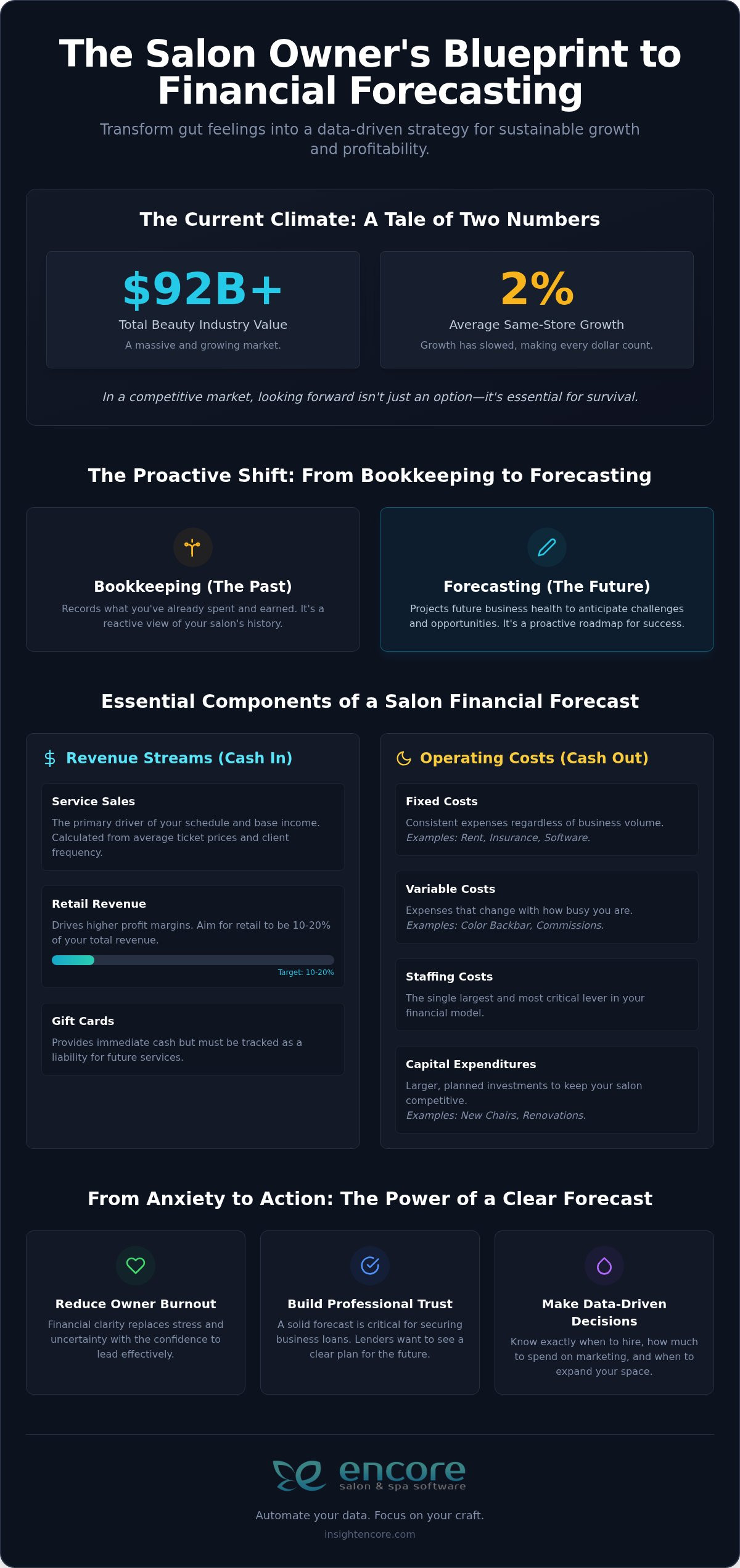
Categories
Uncategorized

The Complete Guide to Spa Gift Card Software: Boosting Revenue in 2026

A stack of paper gift certificates tucked away in a drawer isn’t just disorganized—it’s a ticking time bomb of accounting errors, lost revenue, and client frustration. In 2026, a modern spa’s success hinges on turning those liabilities into a powerful, predictable cash flow engine. The right spa gift card software does more than just replace paper; it transforms how you attract new clients, manage revenue, and build loyalty.

The problem is that many systems are either standalone apps that create data headaches or expensive add-ons that don’t truly integrate with your daily operations. You need a solution that feels like a natural part of your workflow, not another task on your to-do list.

This guide will walk you through the essential features of a high-performance gift card system. We’ll cover everything from the critical importance of POS integration and liability tracking to the specific strategies you can use to make gift cards a cornerstone of your spa’s growth.

Spa Gift Card Systems: Why Integration is Key

At its core, spa gift card software is a digital ledger that tracks prepaid services or dollar amounts for your clients. It replaces unreliable paper certificates with a secure, centralized system that logs every purchase, redemption, and balance. For 2026, the industry standard has moved far beyond simple tracking; it’s about creating a seamless financial tool that works in lockstep with every other part of your business.

The most significant evolution is the shift from standalone gift card apps to fully integrated modules within your primary spa management software. Standalone systems create dangerous data silos. When your gift card program doesn’t communicate with your point-of-sale (POS) or client relationship management (CRM) system, you invite chaos. Staff members are forced to manually enter codes, check balances in a separate program, and reconcile sales at the end of the day. This friction leads to errors, a clunky checkout experience, and a professional blind spot—you have no idea who is buying or redeeming cards.

True integration means that when a gift card is sold or redeemed, the balance updates in real-time across your entire system, from the front desk computer to a therapist’s tablet. This isn’t a luxury; it’s a fundamental requirement for efficient and secure operations.

The Evolution from Paper to eGift Cards

For decades, spas relied on paper gift certificates. While charming, they are a significant security risk. They can be easily forged, lost, or stolen, and tracking their balances in a binder or spreadsheet is an administrative nightmare. Any spa still using paper in 2026 is leaving itself vulnerable to fraud and accounting errors that can silently drain profits.

The rise of eGift cards—digital codes that can be emailed or texted—introduced instant delivery, which is perfect for last-minute shoppers. However, the true innovation isn’t just the digital format, but the encrypted code itself. This unique identifier is the foundation of a secure system, whether it’s assigned to a physical plastic card or a digital certificate. This leads to the modern standard: an omnichannel gift card experience where a single, integrated system manages both physical and digital card data seamlessly at the point of sale.

Why Integrated POS Systems Win

The point of sale is where your gift card program lives or dies. An integrated system connects every transaction directly to your financial and client databases, providing three undeniable advantages:

  • Prevents Fraud and Double-Redemption: When a card is redeemed through an integrated POS, its balance is instantly and permanently updated in the central system. This makes it impossible for the same card or code to be used twice, eliminating a common source of loss.
  • Enriches Client Profiles: Tying gift card data to a client’s CRM profile is a marketing game-changer. You can see who purchased the card, who redeemed it, and what services they chose. This allows you to turn a first-time gift recipient into a loyal, long-term client with targeted follow-up marketing.
  • Reduces Checkout Friction: A seamless checkout is a hallmark of a luxury spa experience. With an integrated system, your front desk staff can look up a client, see their available gift card balance, and apply it to a sale with a single click. No manual entry, no awkward delays.

High-Performance Features: Beyond Simple Gift Certificates

A basic system that just sells and redeems cards is no longer enough. To truly drive revenue and streamline your business, your spa gift card software needs a robust set of back-end features designed for spa owners and managers. It’s about giving you control, security, and financial clarity.

Look for a system that offers customizable denominations, allowing you to sell cards for specific services (like a "Signature Massage Package") or flexible dollar amounts. You should also have control over expiration logic, ensuring your policies are clear and comply with local regulations. Most importantly, any system you choose must be powered by secure integrated credit card processing. This protects both you and your clients, ensuring every transaction is fast, safe, and reliable.

Liability Tracking and Revenue Recognition

This is the single most overlooked—and most critical—feature of professional spa gift card software. When a client buys a $100 gift card, you have $100 in cash, but you have not yet earned $100 in revenue. That money is a liability on your books until the client redeems the card for services or products.

Manually tracking this is an accountant’s worst nightmare and can lead to serious errors on your tax filings. A sophisticated system like Encore solves this automatically:

  • It separates cash from earned revenue. The software understands that a gift card sale is a prepayment. It tracks the cash received while holding the value as an outstanding liability.
  • It automates revenue recognition. When the card is used, the software correctly moves the corresponding amount from the liability column to the earned revenue column for the specific service or product sold.
  • It provides instant, accurate reporting. With a few clicks, you can generate a report showing all active, redeemed, and expired gift cards. This gives you a precise, real-time snapshot of your outstanding financial obligations.

Flexible Selling and Marketing

An omnichannel strategy in 2026 is about making your gift cards visible everywhere, even if the final sale happens in a controlled environment. While some platforms offer online storefronts, a system that centralizes sales through your POS provides a high-touch, secure alternative that many spa owners prefer. This approach allows you to:

  • Promote 24/7, Sell In-Person: Use your website and social media to showcase beautifully designed gift card packages for holidays, birthdays, and special occasions. A clear call-to-action can direct clients to call or visit the spa to purchase, creating an opportunity for a personal interaction.
  • Leverage Your Automated Marketing: A fully integrated system allows you to use your CRM to promote gift cards. Send a targeted email campaign to clients who have purchased gift cards in the past, reminding them that Mother’s Day is approaching. You can include a link to your automated marketing features page on your website with details about your current gift card offers.
  • Use In-Salon Prompts: Place elegant signage and QR codes at the front desk that lead to a promotional page on your website. This encourages clients to think about gift-giving while they are already in your spa and feeling great about their experience.

The Business Case: How Gift Cards Drive Spa Growth

Gift cards are far more than a simple convenience; they are a strategic tool for client acquisition, cash flow management, and revenue growth. When implemented correctly, they can become one of your most profitable marketing channels.

The data consistently shows that gift card recipients spend more. Studies reveal that clients using a gift card are likely to spend 20-50% more than the card’s initial value. This "Reciprocal Spending" effect happens because the initial service feels "free," making clients more open to splurging on an add-on, upgrading a service, or purchasing retail products. Speaking of which, it’s vital to have a robust spa inventory management system to handle the increased product sales that gift cards drive.

Furthermore, every gift card sold acts as a zero-cost client acquisition tool. Your loyal clients are effectively selling your services to their friends and family, delivering a pre-qualified new customer directly to your door. Finally, gift cards provide a crucial injection of upfront cash flow, helping you manage expenses and payroll during seasonal lulls.

The Psychology of the Gift Card Recipient

A client spending their own money might stick to their usual maintenance service. But a client spending "free money" from a gift card is psychologically primed to explore. This is your golden opportunity to introduce them to higher-margin, luxury services they might not otherwise try, like an advanced facial, a body wrap, or a hot stone massage.

Your goal is to use the gift card as an introduction to a new level of service. Once a client experiences that luxury treatment, they are far more likely to book it again. Your integrated CRM is key here. By tracking what the gift recipient chose, you can send targeted follow-up promotions for that specific high-ticket service, strategically converting them from a one-time guest into a long-term, high-value client.

Referral Programs and Client Incentives

Gift cards are the perfect fuel for a powerful referral and retention engine. Instead of offering a generic discount, you can create tangible, high-perceived-value rewards that drive specific actions:

  • Reward Referrals: When a loyal client refers a new guest, automatically add a $15 or $25 gift credit to their account as a thank you. It feels more like a gift than a discount and encourages them to return.
  • Re-engage Dormant Clients: Run a report to find clients who haven’t visited in over six months. Send them a "We Miss You!" SMS or email with a surprise $10 digital gift credit that expires in 30 days. This small gesture can be incredibly effective at bringing them back.
  • Incentivize Pre-Booking: Encourage clients to pre-book their next appointment before leaving by offering a small gift card credit that can be used at their next visit.

The Complete Guide to Spa Gift Card Software: Boosting Revenue in 2026

Implementation Guide: Launching Your Digital Gift Card Program

Moving from a manual process to a streamlined digital system is a straightforward process when you have a clear roadmap. The key is to focus on system configuration, staff training, and a smart marketing launch.

This process is especially critical for businesses with unique structures, such as spas that work with chair or booth renters. A professional software solution should allow each independent renter to manage their own gift card program under the spa’s umbrella, ensuring their revenue is tracked separately and accurately.

Before you launch, invest time in training your team. They are your front-line salespeople. Ensure they understand the benefits, know how to answer questions about terms and conditions, and feel comfortable mentioning gift cards during checkout or service wrap-ups.

Step-by-Step System Configuration

  1. Step 1: Define Your Card Types and Branding. Work with your software provider to design physical cards that reflect your spa’s luxury brand. Decide on the standard denominations you will offer and create templates for any digital gift certificates you may email from the POS.
  2. Step 2: Set Your Terms, Conditions, and Expiration Dates. Research your state or provincial laws regarding gift card expiration—many jurisdictions have strict consumer protection laws. Clearly define your policies on your website and on the cards themselves to avoid any client confusion.
  3. Step 3: Integrate Your Payment Gateway. Ensure your credit card processing is fully integrated with your POS system. This allows your staff to sell and activate a gift card in a single, secure, and swift transaction right at the front desk.
  4. Step 4: Promote Your Program. Announce your new, professional gift card program to your clients via email, social media, and in-salon signage. This is the time to build excitement and educate your customers on how easy it is to give the gift of relaxation.

Marketing Your Gift Card Program

Once your system is live, a proactive marketing strategy will ensure it generates a steady stream of revenue.

  • Plan Holiday Campaigns: Don’t wait until December to think about Christmas. Plan your marketing for Mother’s Day, Valentine’s Day, and the holiday season months in advance. Create compelling graphics and email campaigns for each.
  • Create Bundle Deals: Increase the average sale value by offering incentives. A popular promotion is: "Buy a $100 gift card, and receive a bonus $20 credit to spend on retail products." This drives cash flow and moves your inventory.
  • Train for the Upsell: The best time to sell a gift card is when a client is at their happiest—right after a wonderful service. Train your therapists and stylists to conclude their service by saying, "If you know anyone who could use a day of relaxation like this, we have beautiful gift cards available at the front desk."

Why Encore is the Best Choice for Spa Gift Card Management

Choosing the right software is about choosing a partner that understands the unique pressures of the spa industry. Encore Salon & Spa Software provides a fully integrated gift card management system designed to eliminate complexity, not add to it. Because gift cards are a core feature of the all-in-one platform—not a tacked-on module—they work seamlessly with every other part of your business.

Developed by Syntec Business Systems, a company that has specialized in the beauty industry since 1991, Encore is built on a foundation of reliability and deep industry knowledge. We understand the specific needs of spas, salons, and even niche businesses like tattoo studios, and have tailored our features to solve their real-world problems.

Our human-centric support and "can-do" personality mean you’re never left dealing with a faceless corporation. We are your partners in growth, dedicated to helping you succeed.

Seamless Integration Across All Modules

The power of Encore lies in its unified ecosystem. When you sell a gift card through our POS, the data flows everywhere it needs to, instantly:

  • Marketing & Loyalty: The purchaser and recipient are tagged in the CRM, allowing for targeted follow-up campaigns and loyalty point tracking.
  • Inventory Management: When a gift card is used to buy a retail product, your stock levels are updated in real-time.
  • Centralized Reporting: Multi-location spas and franchise owners can view gift card sales and liability reports for their entire organization from a single dashboard, providing complete financial oversight.

Getting Started with Encore

We make the transition from a legacy system or manual process smooth and painless. Our team will guide you through the setup, help you configure your gift card program, and ensure your staff is fully trained. With integrated credit card processing built-in, you can streamline every sale from day one.

Stop wrestling with spreadsheets and paper certificates. It’s time to implement a professional, secure, and integrated gift card system that boosts your revenue and gives you peace of mind. Start Growing Your Revenue with Encore Gift Cards and see how a truly all-in-one system can transform your business.

Frequently Asked Questions (FAQs)

Do spa gift cards expire by law in 2026?

Gift card expiration laws vary significantly by state and province. In the U.S., the federal Credit CARD Act of 2009 mandates that cards cannot expire within five years of their purchase date, but many states have even stricter consumer protections. Always consult with a local business advisor to ensure your spa’s policy is compliant with current 2026 regulations in your area.

What is the difference between an eGift card and a physical gift card?

A physical gift card is a plastic, branded card with a magnetic stripe or barcode. An eGift card is a digital version with a unique code that is delivered to the recipient via email or text. Both are managed by the same integrated software; the only difference is the delivery method and physical form factor.

How do I track gift card sales for my spa’s taxes?

Properly integrated spa gift card software does this automatically. It records the sale as a liability, not as immediate revenue. When the card is redeemed for a service or product, the software moves the amount from the liability account to the earned revenue account. This ensures your financial reports are accurate for tax purposes.

Can booth renters have their own independent gift card system?

Yes, but only with the right software. Systems like Encore offer specialized features for booth renters, allowing them to sell and manage their own gift cards. The software keeps their financial data separate from the main spa, ensuring each independent professional can accurately track their own sales and liabilities.

How much do spas typically make from gift card sales annually?

This varies widely based on spa size, location, and marketing efforts. However, for many successful spas, gift card sales can account for 5-10% of their total annual revenue, with significant spikes during key holidays like Christmas and Mother’s Day.

What happens if a client loses their physical gift card?

This is a major advantage of an integrated software system. Because the gift card’s value is tied to a unique code and often linked to a client profile in your CRM, you can easily look up the balance and issue a new card or apply the credit directly to their account. With paper certificates, the value is often lost for good.

Is it better to offer a discount or a gift card for referrals?

While both can be effective, a gift card often has a higher perceived value and is more likely to bring a client back. A $20 gift card feels like a tangible present, whereas a "20% off" coupon feels like a simple marketing promotion. Gift cards are excellent tools for building loyalty and encouraging repeat visits.

How do I integrate gift cards into my spa’s existing website?

The best approach is to create a dedicated page on your website that beautifully showcases your gift card designs and package options. While some systems offer direct online sales, a highly secure and personal approach is to use this page to direct customers to call or visit your spa to complete the purchase through your integrated POS system. This ensures every sale is handled securely by your trained staff.

Disclaimer

This article is general in nature and may contain errors, please verify all claims with your sales rep

Categories
Uncategorized

Salon Retail Inventory Best Practices: The Ultimate 2026 Profit Guide

Did you know that 31% of salon revenue now comes from product sales and add-on services, according to Salon Business Strategies? It is a massive opportunity; however, if you haven’t mastered salon retail inventory best practices, that stockroom can quickly become a source of stress. You have likely felt the frustration of seeing your hard-earned cash tied up in dusty bottles that just won’t move. Perhaps you are tired of dealing with unexplained shrinkage or a team that constantly forgets to log back-bar usage.

We understand how heavy that burden feels. You started this business to create beauty and connect with people, not to be buried in spreadsheets. This guide will show you exactly how to flip the script and turn your inventory into a streamlined profit engine. You’ll discover how to move from manual chaos to a system that offers real-time accuracy and automated reordering. We are going to walk through the modern strategies you need to protect your margins, boost your retail-to-service ratio, and finally get your stock under control so you can focus on your clients.

Key Takeaways

  • Learn how to identify the “hidden drains” in your stockroom that could be costing your business up to 15% of its annual revenue.
  • Discover how to implement modern salon retail inventory best practices by moving away from manual spreadsheets and toward real-time POS integration.
  • Master the art of cycle counting to keep your most expensive items secure without the exhaustion of a full-day manual audit.
  • Use the 80/20 rule to pinpoint your true bestsellers and effectively clear out dusty products that are tying up your cash flow.
  • Explore how automated reordering and professional support can transform your inventory management into a stress-free, background process.

Beyond the Stockroom: Why Salon Retail Inventory is Your Secret Profit Engine

Poor tracking often leads to a hidden drain on your business, costing the average salon between 10% and 15% of its annual revenue. This isn’t just about missing a few bottles of conditioner; it’s about lost opportunities and leaked cash. Salon retail inventory is the strategic management of products you sell to clients versus those you use in-service. It’s a delicate balance. To truly succeed, you need to master salon retail inventory best practices so you can stop viewing your stockroom as a chaotic expense and start seeing it as a high-performance asset.

In 2026, consumer demand for professional home-care is at an all-time high. Clients are more educated than ever, and they want the specific products their stylists recommend. When you view your stockroom as a collection of high-value assets rather than just a storage expense, your profit margins begin to shift. Applying standard inventory control principles allows you to stop reacting to shortages and start planning for growth. This is where you move from being a storekeeper to a business strategist who understands exactly what drives your bottom line.

Retail vs. Back Bar: The Critical Distinction

Tracking professional-use products requires a different logic than retail sales. While a retail bottle has a clear price tag, back-bar products are "internally consumed." If you don’t track that liter of shampoo used at the sink, your service margins will suffer. It’s easy to lose track of small amounts, but they add up fast over a month. Modern software, like the Encore Inventory Management System, lets you set up separate digital bins. This keeps your reporting clean and ensures you always know what is for sale and what is for service. It’s a simple change that provides massive clarity for your team.

The Emotional Cost of Inventory Chaos

Inventory chaos isn’t just a financial problem; it’s an emotional one. We know the stress of that Sunday night panic when you realize you’re out of a key color line. Eliminating the "did we order more?" anxiety reduces owner burnout instantly. It gives you back your weekends and your peace of mind. An organized stockroom also boosts staff morale. When stylists feel confident that the tools they need are always available, they perform better and stay longer. Plus, a tidy, well-stocked retail area creates a welcoming environment. It naturally encourages your clients to browse, making retail feel like a helpful service rather than a pushy sales pitch.

The 2026 Inventory Framework: Modern Tech Meets Best Practices

Manual spreadsheets are officially a liability. By 2026, the industry has moved toward automated ecosystems that eliminate human error. If you’re still relying on a clipboard or a static Excel file, you’re likely working with outdated data. Modern salon retail inventory best practices require real-time accuracy that only a fully integrated system can provide. When your POS talks directly to your stockroom, you gain a level of control that manual counting can’t touch. It’s about moving from "guessing" to "knowing."

Mobile accessibility is another game-changer. Stylists don’t have time to run back to the stockroom to see if a specific serum is in stock. With a mobile app, they can check availability right from the chair. This empowers them to make recommendations with confidence. It also ensures that the data-driven demand forecasting in your software is working with live numbers. Your software should tell you when to buy, not the other way around. This shift allows you to keep your focus on the client in the chair rather than the boxes in the back.

Essential Features of a 2026 Inventory System

To stay competitive, your system needs specific tools that simplify your life. Barcode scanning is the absolute minimum requirement for accuracy. It removes the "guesswork" and keeps your team accountable. You should also look for specific capabilities like:

  • Automated low-stock alerts: These ensure you never miss a sale because of an empty shelf.
  • Multi-location syncing: This is vital for maintaining consistency across every site as you grow.
  • Barcode integration: A simple scan updates your entire database instantly.

Adopting these proven inventory management strategies ensures your business stays resilient and profitable. It’s a supportive way to ensure your business grows without the usual growing pains.

Master the Count: Modern Auditing and Cycle Counting Strategies

Counting every single item in your salon at once is a recipe for burnout. It’s often called the "Sunday Stocktake," and it’s something most owners dread. Instead, modern salon retail inventory best practices favor cycle counting. This method involves counting small portions of your stock on a rotating basis. It keeps your data fresh without requiring you to close your doors or stay late. It’s a supportive way to maintain accuracy while protecting your personal time.

We recommend the "High-Value" Rule. Your most expensive items, like luxury serums or professional styling tools, should be counted weekly. These are your biggest assets. If one goes missing, you’ll want to know immediately. Lower-value items, like hair ties or basic combs, can wait for a monthly check. This targeted approach ensures your time is spent where the money is. It also helps you identify shrinkage early. Most shrinkage isn’t actually theft; it’s usually just a stylist forgetting to log a product they used at the back bar. Frequent counts help catch these habits before they ruin your margins.

A Step-by-Step Cycle Counting Schedule

To make this work, divide your stock into "A, B, and C" categories based on their value and how fast they sell. Category A items are your top earners and should be counted every week. Category B items move moderately and need a bi-weekly check. Category C items are low-cost staples that only need a monthly count. This 15-minute weekly habit prevents the dreaded year-end audit. When you find a discrepancy, don’t panic. Simply check your recent sales and back-bar logs to see if a transaction was missed. Resolving these small gaps immediately is much easier than trying to solve a three-month-old mystery.

Empowering Your Team to Track

Inventory management shouldn’t be a solo mission. By building a culture of accountability, you turn inventory into a shared team goal. Designating an "Inventory Lead" is a great way to delegate without creating a bottleneck. This person doesn’t have to do all the work, but they should oversee the schedule and ensure counts are completed. You can also incentivize staff for accuracy. When the team sees that organized stock makes their jobs easier, they’re more likely to participate. Using a tool like Encore Salon & Spa Software allows you to delegate these tasks with clear permissions. It gives your team the responsibility they need while giving you the oversight you want. This collaborative approach turns a chore into a source of professional pride.

Salon Retail Inventory Best Practices: The Ultimate 2026 Profit Guide

Data-Driven Merchandising: Turning Dust-Collectors into Bestsellers

Not every product on your shelf deserves the same amount of space. One of the most effective salon retail inventory best practices is applying the 80/20 rule. This principle suggests that roughly 20% of your products generate 80% of your retail profit. By identifying these "hero" products, you can ensure they never go out of stock while reducing the space given to slow-movers. This is about working smarter to maximize every square inch of your retail area.

Identifying "dead stock" is the next step in cleaning up your profit engine. If a product hasn’t moved in six months, it’s a dust-collector that’s eating your cash. Don’t be afraid to clear it out. You can discount these items, bundle them with a popular service, or even donate them to a local charity for a tax benefit. Once you’ve cleared the clutter, establish par levels. This is the science of knowing the minimum number of bottles you need on hand to meet demand until your next shipment arrives. It keeps your shelves looking full without tying up unnecessary capital in the back room.

Your data also gives you a seat at the table with vendors. When you can show a supplier exactly how much of their line you move, you’re in a much stronger position to negotiate. You might ask for better margins, free back-bar samples, or extended payment terms. Having these numbers at your fingertips turns a vendor relationship into a true partnership that supports your growth. It’s a professional way to ensure your business remains healthy and competitive.

[Unlock Your Salon’s Profit Potential with Encore](https://insightencore.com/try-encore-now/)

Visual Merchandising for Maximum Impact

Your retail display should do the heavy lifting for you. Remember that "eye-level is buy-level." Place your high-margin hero products where clients can’t miss them. Use simple signage or "shelf talkers" to explain the benefits of a product in plain language. Instead of a hard sell, focus on how the product solves a client’s problem. If you have an overstock of a specific item, try a "Gift with Purchase" strategy. Offering a free travel-size bottle with a full-size purchase is a great way to move stock while making the client feel pampered and appreciated.

The Power of Bundling and Loyalty

Bundling is a fantastic way to increase your average ticket price. Create "Service + Product" packages, like a "Color Refresh Bundle" that includes a color-safe shampoo and conditioner. This ensures the client gets the best results at home while boosting your sales. You can also link your inventory to your Loyalty Program. Rewarding clients with points for retail purchases encourages repeat business and builds long-term trust. Use automated marketing to send a quick text or email when a client’s favorite product is back in stock. It shows you’re paying attention to their needs and makes their lives easier.

Automating Excellence with Encore: The Stress-Free Path to Inventory Control

Transitioning from manual tracking to a digital ecosystem is the final step in mastering salon retail inventory best practices. It is the bridge that connects the strategies we have discussed; like cycle counting and par levels; into a single, effortless workflow. Encore Salon & Spa Software provides an integrated Inventory Management System that removes the guesswork from your daily operations. Instead of checking shelves and cross-referencing paper logs, you have a live pulse on your business that updates with every transaction.

This integration starts the moment a client clicks your online booking link. As services are performed and retail items are scanned at the desk, your stock levels adjust automatically. This seamless flow ensures your data-driven merchandising is always based on reality, not a three-week-old count. Whether you are an independent professional using our specialized modules for chair renters or a manager overseeing a multi-location spa, the system scales to meet your needs. You get the same level of professional confidence and real-time accuracy regardless of your shop’s size.

We believe that technology should feel like a partner, not a hurdle. That’s why we prioritize human support for every setup and migration. You don’t have to face the transition alone. Our team understands the daily hurdles of the beauty industry and is genuinely invested in your success. We help you move your data over so you can start seeing the relief of organized control from day one.

Reports That Actually Help You Grow

Data is only useful if it leads to action. Our platform generates reports that simplify the complex decisions you face as an owner. The Sales Statistics Report automates the 80/20 analysis for you, showing exactly which brands are driving your revenue and which are taking up space. Meanwhile, the Professional Product Usage Report helps you catch back-bar waste by comparing what was used in-service against your service sales. We also offer tailored reporting for niche businesses, such as tattoo studios, where tracking specialized supplies is critical for maintaining margins. It’s a professional way to ensure your business stays lean and profitable.

Getting Started: Your 30-Day Inventory Turnaround

You can achieve a total stockroom transformation in as little as 30 days. We’ve designed the migration process to be straightforward and supportive, helping you import your current stock data without the usual headache. Once your data is in, we’ll help you set your first automated reorder points and par levels. This turns the panic of "running out" into a background process that the software handles for you. It’s a steady, logical path toward a business that runs smoothly even when you aren’t standing in the stockroom.

Book a demo with a friendly Encore expert today

Take the Next Step Toward a More Profitable Future

Mastering your stockroom is no longer a matter of manual counts and stressful Sunday audits. By shifting your mindset from "counting bottles" to "managing assets," you unlock a level of financial clarity that most owners only dream of. You’ve seen how modern tools like cycle counting, automated par levels, and data-driven merchandising can turn a dusty stockroom into a high-performance profit engine. It’s about working smarter, not harder, to ensure every product on your shelf is earning its keep.

Implementing salon retail inventory best practices is the most direct path to reclaiming your time and your margins. Since 1991, Syntec Business Systems has been the trusted partner for owners who want to eliminate industry frustrations once and for all. With integrated booking, POS, and stock management backed by real-person support, you have everything you need to succeed.

Start Your Stress-Free Inventory Journey with Encore Salon & Spa Software
You have the roadmap and the professional tools to make it happen. We are genuinely excited to help you take this next step toward a more organized, empowered, and profitable business. Your future starts with one simple choice to put your inventory on autopilot.

Frequently Asked Questions

How often should I do a full inventory count in my salon?

You should perform a full physical inventory count at least once a year for tax and accounting purposes. However, if you follow salon retail inventory best practices like cycle counting, you won’t need to close your shop for a massive audit. By rotating through small sections of your stock weekly, your year-end count becomes a quick verification rather than a multi-day ordeal. This keeps your data accurate and your stress levels low throughout the year.

What is a good retail-to-service sales ratio for a hair salon?

A healthy retail-to-service sales ratio for most hair salons is between 15% and 20%. While service revenue pays the bills, retail profit is what truly grows your business. If your ratio is below 10%, it’s time to look at your team’s consultation habits. High-performing salons often reach 25% by focusing on home-care education. Tracking this number in your reports helps you identify which stylists are natural educators and who might need extra training.

How can I prevent staff from using retail products on the back bar?

The best way to prevent retail products from migrating to the back bar is to use separate tracking bins in your software. When you clearly designate specific bottles for professional use, it’s easier for the team to stay organized. You can also implement barcode scanning for every product pulled from the shelf. If a stylist knows that every item is tracked in real-time, they are much more likely to grab the correct back-bar liter instead of a retail bottle.

What should I do with retail products that aren’t selling?

If a product hasn’t moved in six months, you should bundle it with a popular service or offer it as a gift with purchase. Letting dead stock sit on your shelf ties up cash that could be used for faster-moving items. You can also try a "stylist pick" promotion to give the product more visibility. If it still won’t move, consider donating it to a local charity. This clears your shelf space and can provide a helpful tax deduction.

Is it better to have a few large brands or many small ones in my retail section?

It is generally better to focus on a few core brands rather than many small ones. Managing multiple vendors creates extra administrative work and makes it harder to hit the volume thresholds needed for better margins. By concentrating your orders, you become a more valuable partner to your primary suppliers. This often leads to better support, free samples, and more favorable terms. Aim for a balanced selection that covers all hair types without creating shelf clutter.

How do I calculate the "carrying cost" of my salon inventory?

To calculate the carrying cost of your inventory, you need to add up your storage expenses, insurance premiums, and the opportunity cost of the cash tied up in products. Most industry experts estimate this cost is about 20% to 30% of your total inventory value annually. For example, if you have $10,000 in stock, it might be costing you $2,500 a year just to keep it. This is why following salon retail inventory best practices is so vital for your profitability.

Can I manage inventory if I am just a booth renter?

You can absolutely manage inventory as a booth renter, and it’s actually one of the best ways to boost your take-home pay. Since you are running your own mini-business, tracking your color usage and retail sales is essential for tax time. Specialized software for chair renters allows you to track your small stockroom on your phone. This ensures you never run out of your favorite lightener and helps you maximize every dollar of profit from your retail shelf.

What is the best way to handle product returns from clients?

The best way to handle product returns is to have a clear, written policy that prioritizes exchanges over refunds. If a client isn’t happy with a product, encourage your stylists to find a better fit. This keeps the revenue in your business and ensures the client still gets the home-care results they need. Always log the return in your inventory system immediately. This keeps your stock counts accurate and helps you track if a specific product has a high return rate.

Disclaimer

This article is general in nature and may contain errors, please verify all claims with your sales rep
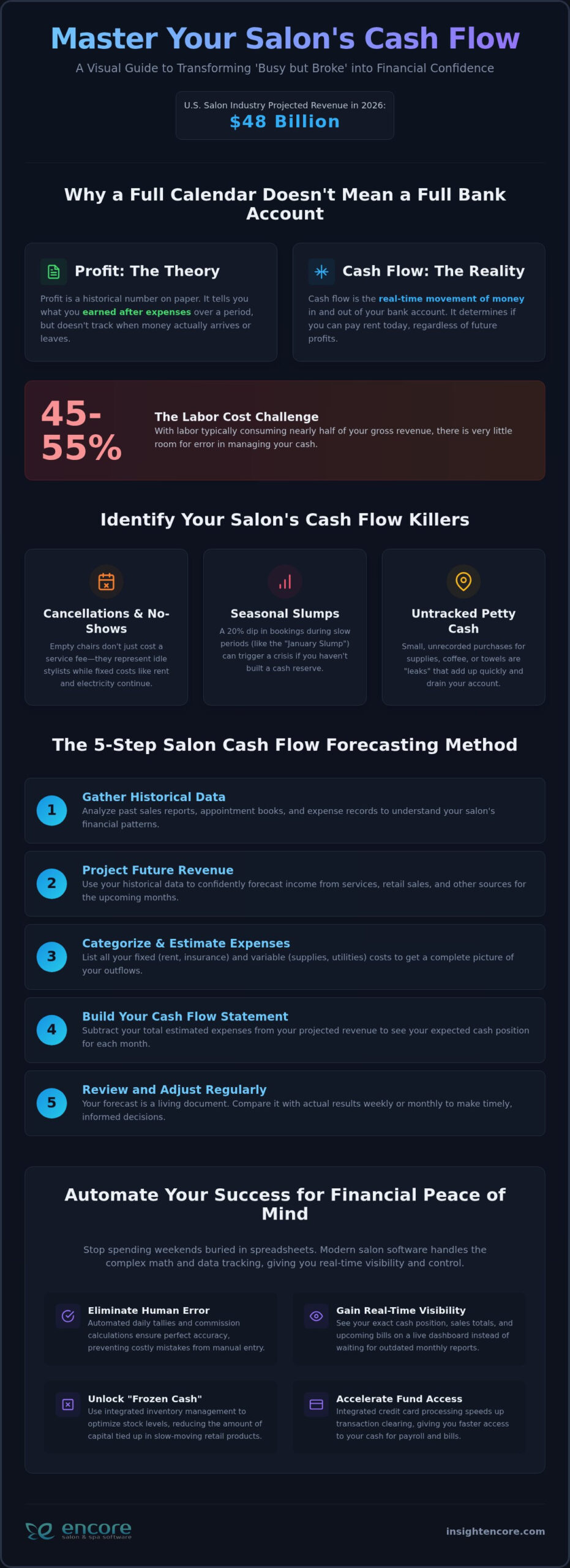
Disclaimer

This article is general in nature and may contain errors, please verify all claims with your sales rep

Categories
Uncategorized

15 Creative Salon Gift Card Promotion Ideas to Skyrocket Revenue in 2026

Did you know that 61% of consumers spend more than their gift card’s value when they finally sit in your chair? It’s a staggering figure that proves your credits are much more than just pre-paid services; they’re powerful engines for growth. If you’ve struggled with inconsistent cash flow, implementing the right salon gift card promotion ideas can be the bridge that carries your business through quiet months. We understand the frustration of manual tracking and the worry of unredeemed balances. It shouldn’t be a chore to offer your clients a way to share their love for your work.

You deserve a system that works as hard as you do. We’ll show you how to design, market, and automate a gift card program that drives immediate revenue and sparks new client referrals. We’ve gathered 15 creative strategies to help you move past paper certificates and into a professional, digital experience. From leveraging 2026’s wellness trends to mastering seasonal outreach, you’re about to learn how to turn every gift card into a long-term relationship. Let’s look at how you can regain control and watch your salon thrive.

Key Takeaways

  • Learn how to turn gift cards into a high-leverage data acquisition tool that creates a self-sustaining marketing loop for your salon.
  • Discover 15 high-converting salon gift card promotion ideas like “BOGO” bonuses and retail bundling to increase your upfront revenue.
  • Master the essential accounting and legal requirements for 2026, including how to track outstanding liability without the stress.
  • Build a seasonal marketing calendar that targets the “Big Five” holidays and “Self-Care January” to ensure consistent cash flow.
  • See how Encore Salon & Spa Software automates your digital gifting experience to create a 24/7 sales engine that works while you sleep.

The Strategic Value of Gift Card Promotions for Modern Salons

Think of your gift card program as more than a simple convenience for last-minute shoppers. It’s a high-leverage marketing tool that requires very little overhead but offers massive returns. When you look at what is a gift card in the modern beauty industry, it’s clear these tools have evolved from paper certificates into sophisticated digital assets. Effective salon gift card promotion ideas don’t just sell services; they secure your future revenue while building a foundation of trust with your community.

The financial benefits go beyond the initial sale. Research shows a significant "breakage" benefit, with an estimated $23 billion in unused gift cards existing in the U.S. annually. While you always want your clients to visit, these unredeemed balances represent pure profit for your business. Even more exciting is the psychological shift that happens when a client walks in with a card. Statistics from August 2026 indicate that 61% of consumers spend more than the card’s balance during their visit. They view the card as "free money," which encourages them to upgrade their service or try that premium retail product they’ve been eyeing.

Driving Upfront Cash Flow

Cash flow is the lifeblood of any salon, yet it’s often the biggest source of stress. Gift cards act like an interest-free loan from your clients to your business. You receive the capital today, which you can use to upgrade equipment, stock up on inventory, or cover overhead during slower seasons. These promotions are perfect for bridging the gap during quiet months like February or September. By securing revenue before you even pick up a pair of shears, you create a financial safety net that allows you to focus on your craft rather than your bank balance.

Building a High-Quality Client Database

Every gift card sold is an opportunity to gather valuable data. You aren’t just selling to the giver; you’re gaining access to a brand-new recipient who might never have found your salon otherwise. By capturing contact information for both parties, you can fuel your Automated Marketing & Loyalty Programs. This data allows you to follow up with personalized offers that turn a one-time visitor into a regular. Focusing on improving salon client experience from the very first interaction ensures that the "gift" leads to a long-term relationship. It’s about using your salon gift card promotion ideas to build a community, not just a transaction list.

15 High-Converting Salon Gift Card Promotion Ideas

Many articles offer five basic tips and call it a day. We know your business is more diverse than that. To truly move the needle, you need salon gift card promotion ideas that resonate with your specific clientele and business model. Whether you run a high-end hair studio or a busy pet grooming shop, these strategies help you capture attention and drive sales. Start with the "BOGO" Bonus. It’s a classic for a reason. Offer a $20 bonus card for every $100 purchased. This rewards the giver and often brings them back for their own service.

For those looking to increase retail sales, try Service Bundling. Pair a gift card with a professional shampoo set for a "Complete Care" kit. It makes the gift feel substantial and introduces clients to your product line. You can also offer VIP Early Access. Give your top 10% of clients exclusive rates on gift cards before the general public. Finally, consider the "Experience" Gift. Instead of a dollar amount, sell cards for specific high-end packages like "The Luxury Transformation." This shifts the focus from price to the result.

Incentive-Based Promotions

Don’t wait for clients to come to you. Use Referral Rewards to turn your regulars into a sales force. Giving a $10 gift card for every new client referred is a low-cost way to grow your book. If you’re seeing a dip in mid-week sales, a "Last-Minute" Digital Push works wonders. Target procrastinators with 10% off eGift cards delivered instantly to their inbox. You can also build community goodwill through Charity Partnerships. Donating a percentage of card sales to a local cause gives people a powerful reason to choose your salon over a big-box retailer.

Service-Specific and Seasonal Ideas

Launching a new treatment? Offer a gift card specifically for that service and include a free add-on. This lowers the barrier to entry for something new. For holidays, the "Mother-Daughter" Duo is a hit. Offer discounted cards when purchased in pairs to encourage shared experiences. If you want to build momentum, a Holiday Countdown featuring 12 days of different gift card surprises keeps your brand top-of-mind throughout December. These salon gift card promotion ideas create urgency without devaluing your primary services.

Niche Promotions for Spas, Tattoos, and Groomers

Customizing your approach is key to success. Tattoo studios can offer discounts for pre-paying a 4-hour session, which helps secure large projects. Pet groomers might sell "Puppy’s First Year" multi-card packages to ensure repeat business as the dog grows. Spas can thrive by selling "Stress-Relief" cards in bulk to local corporate offices for employee rewards. Managing these diverse offers doesn’t have to be a headache. You can see how Encore automates these promotions to keep your business running smoothly while you focus on your clients.

While brainstorming creative salon gift card promotion ideas is the exciting part of business growth, the backend details are what protect your profit. You shouldn’t treat gift card sales like a typical service transaction. When you sell a card, that cash is "deferred revenue." It’s a liability on your books because you still owe the client a service. You haven’t "earned" that money until they actually sit in your chair. Tracking this outstanding liability is vital for clean accounting. If you don’t have real-time reporting, you’re flying blind and risking a surprise at tax time.

Escheatment laws in 2026 are also a critical factor for modern owners. These regulations determine what happens to "abandoned" property, which includes unredeemed gift card balances. Depending on your region, you might eventually be required to turn these funds over to the state. Digital tracking and unique identification numbers are your best defense against fraud. They stop double-redemption and ensure that once a card is used, it’s instantly updated across your entire system. This level of security gives you peace of mind and protects your bottom line from simple human errors.

Managing Your Books with Ease

Categorizing your gift card sales correctly for tax purposes saves hours of frustration later. You need a system that handles partial redemptions automatically. If a client uses half a card today, your software should calculate the remaining balance without manual math. This is where Integrated Credit Card Processing becomes a game changer. It ensures every transaction is secure and instantly logged in your financial reports. It’s about removing the "accounting nightmare" and replacing it with organized control.

Expiration Dates and Fees

Navigating the legal landscape of expiration dates requires careful attention to current laws. Under the federal CARD Act, gift cards generally cannot expire for at least five years from the date of activation. However, some states have even stricter rules. For example, effective April 1, 2026, California law requires businesses to provide a cash refund for gift card balances under $15 if a client asks. Using "No Expiration" policies for your salon gift card promotion ideas often builds more brand trust. It shows you value the client’s investment and aren’t looking for "gotcha" moments. Transparency in your terms ensures a positive experience for every recipient.

15 Creative Salon Gift Card Promotion Ideas to Skyrocket Revenue in 2026

Designing Your Marketing Calendar: When and How to Promote

A successful year doesn’t happen by accident. It requires a clear roadmap that aligns your salon gift card promotion ideas with the natural rhythm of the beauty industry. You should focus your heaviest efforts on the "Big Five" holidays: Valentine’s, Mother’s Day, Graduations, Weddings, and Christmas. These peaks represent the highest consumer demand for thoughtful, easy-to-buy gifts. By planning your creative themes months in advance, you avoid the stress of last-minute scrambling and ensure your messaging is consistent across all platforms.

Don’t overlook the potential of a "Self-Care January" push. With 2026 trends shifting heavily toward wellness and scalp health, clients are often looking for a fresh start after the holiday rush. Position your gift cards as the perfect investment in a new self-care resolution. Your salon client booking portal is prime digital real estate for these offers. Ensure your active promos are visible the moment a client logs in to book their next appointment. At the physical salon, place attractive displays at the checkout counter to capture impulse buys as clients finish their services.

Digital Outreach Strategies

Your digital presence should act as a 24/7 sales engine. Email marketing remains incredibly effective when you use conversion-focused subject lines. Try something direct like "Give the Gift of Glow" or "Last-Minute Solutions for Mom." On social media, use Instagram Stories to film a short "unboxing" of your gift cards. Show the premium packaging or the sleek, mobile-friendly digital delivery to make the experience feel tangible. For those final hours before a holiday, a punchy SMS reminder can be the helpful nudge a busy client needs to complete their shopping.

Staff Training and Incentives

Your team is your most valuable marketing asset. Teach your stylists and front desk staff to mention gift cards as a genuine solution for "gift-giving" stress. If a client mentions a friend’s upcoming birthday or a sister’s wedding, it’s the perfect time to offer a luxury package. You can keep energy high by running internal contests. Reward the staff member who sells the most cards in a month with a bonus or a professional tool upgrade. Providing simple scripts helps them bring up the topic naturally during a consultation without feeling like a pushy salesperson.

Start planning your marketing calendar today

Automating Your Success with Encore’s Integrated Gift Card Suite

Implementing these salon gift card promotion ideas shouldn’t create more work for your team. If you’re still using paper certificates or disconnected systems, you’re missing out on the full potential of your program. Encore provides a total integration that links your gift cards directly to Encore Salon Software. This means every sale, redemption, and balance adjustment happens in one place. You don’t have to worry about manual entry or errors at the front desk. It’s about giving you the organized control you need to scale your business without the headache.

Your salon can become a 24/7 sales engine. With our eGift card module, your clients can purchase gifts while you sleep. The digital card is delivered instantly to their inbox, making it the perfect solution for last-minute shoppers. When they come in to redeem it, verification is instant at the point of sale. This prevents disputes and ensures a professional experience for every guest. When tax season rolls around, your accountant will thank you. You can generate one-click liability and breakage reports that keep your books crystal clear and compliant.

Setting Up Your Program in Encore

Customizing your program is simple and intuitive. You can design digital cards that match your luxury brand’s aesthetic. This ensures a consistent experience from the first click to the final service. By linking your sales to our Client Management System, you’re building a robust database of both givers and recipients. This data is gold for your future salon gift card promotion ideas. You can also set up automated promo codes for your seasonal campaigns. This allows you to track which offers are driving the most revenue without any manual math or tracking sheets.

Ready to Transform Your Revenue?

We’ve been a trusted partner in the beauty industry since 1991. Thousands of businesses rely on Encore because we combine powerful technology with a human-centric approach. You’re never just a number to us. We understand the daily hurdles you face and are dedicated to your individual success. Our support team is here to help you move from a state of stress to a feeling of total control. You deserve a partner that cares as much about your growth as you do. Let’s build a more profitable future together.

Start your stress-free gift card journey with Encore today!

Secure Your Salon’s Financial Future Today

You’ve seen how the right salon gift card promotion ideas can transform your revenue from unpredictable to unstoppable. By mapping your marketing to the natural rhythms of the industry and embracing 2026’s wellness trends, you create a self-sustaining growth loop. It’s time to leave behind the stress of manual tracking and the anxiety of accounting errors. Your expertise in the chair combined with a professional, automated gifting experience is a winning formula for long-term client loyalty.

As an industry leader in beauty and wellness software since 1991, we provide the integrated POS and real-time liability reporting you need to stay compliant and profitable. Whether you’re managing a busy hair studio or a high-end spa, the right tools make all the difference in your daily peace of mind. We’re committed to your success and ready to support your business as it reaches new heights. Let’s make this your most organized and profitable year yet.

Try Encore Now and Automate Your Gift Card Sales
You have the talent and the vision to succeed. Let us handle the technical heavy lifting so you can focus on what you do best: making your clients look and feel incredible. You’ve got this, and we’re here to help every step of the way.

Frequently Asked Questions

Do salon gift cards expire in 2026?

Under the federal CARD Act, gift cards generally cannot expire for at least five years from activation. However, you must check your specific state laws as some are even stricter. For instance, as of April 1, 2026, California requires businesses to provide cash refunds for balances under $15. Providing a "no expiration" policy is often the best of your salon gift card promotion ideas because it builds lasting trust with your clients.

How do I account for gift card sales for taxes?

Gift card sales are recorded as deferred revenue, which is a liability on your balance sheet until the service is performed. You only recognize it as earned revenue once the client redeems the card. This distinction is vital for accurate tax filing and prevents you from overpaying on income you haven’t technically earned yet. Using integrated software ensures these categories are tracked automatically, removing the risk of manual accounting errors during tax season.

Is it better to offer physical or digital gift cards?

Offering both is the most effective strategy for modern salons. While physical cards are popular for traditional gift-giving, digital eGift cards are projected to grow at a much faster rate through 2026. Digital options provide 24/7 sales potential and instant delivery, making them perfect for last-minute shoppers. Physical cards, on the other hand, serve as a tangible marketing tool in your retail space and can drive impulse buys at the checkout counter.

How can I prevent gift card fraud in my spa?

You can prevent fraud by using unique identification numbers and real-time digital tracking for every card sold. This stops double-redemption and ensures that once a card is used, the balance updates instantly across your system. Avoid using generic paper certificates that are easily duplicated. Integrated systems like Encore provide a secure environment where every transaction is logged, giving you peace of mind and protecting your business from unauthorized or fraudulent redemptions.

What is ‘breakage’ in gift card accounting?

Breakage refers to the portion of gift card balances that are never redeemed by the consumer. This unused value eventually becomes pure profit for your salon, though you must follow state escheatment laws regarding "abandoned" property. In the U.S., billions of dollars in gift cards go unused annually. Tracking breakage through your software helps you understand your true liability and provides a clearer picture of your long-term financial health and overall profitability.

Should I offer discounts on gift card purchases?

While direct discounts can drive quick cash flow, they can sometimes devalue your services. Instead, consider value-added salon gift card promotion ideas, such as a $20 bonus card for every $100 spent. This keeps your service price points intact while providing an incentive for the client to spend more. These "BOGO" style offers are highly effective because 61% of clients typically spend more than the card’s original value during their visit anyway.

How does Encore track gift card liability?

Encore tracks gift card liability through a fully integrated module that records every sale and redemption in real-time. You can generate liability reports that show exactly how much outstanding credit exists on your books. This removes the "accounting nightmare" of manual tracking and ensures your financial data is always accurate for your accountant. The system also handles partial redemptions automatically, updating the client’s remaining balance instantly at the point of sale.

Disclaimer

This article is general in nature and may contain errors, please verify all claims with your sales rep
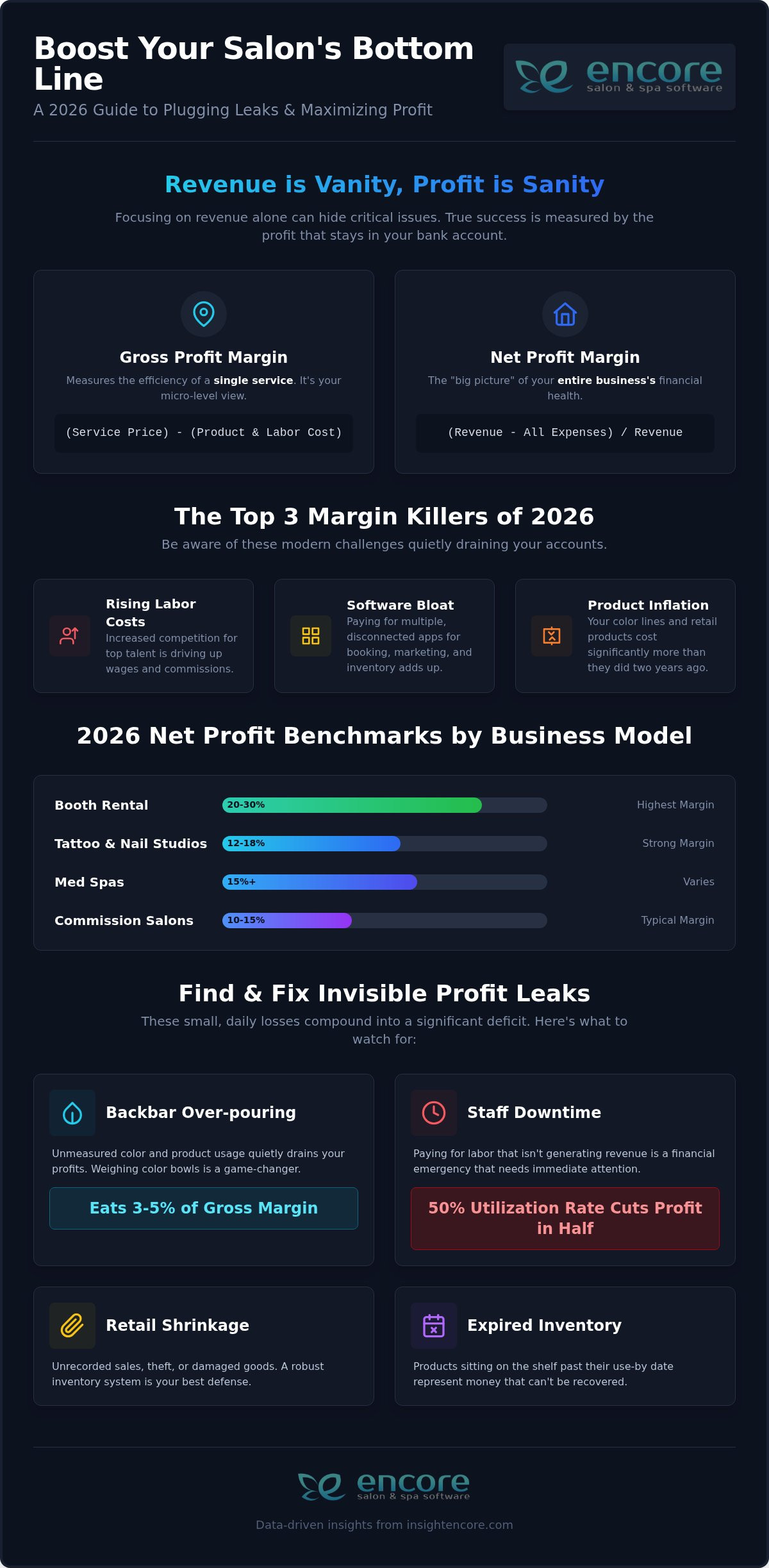
Categories
Uncategorized

The Complete Guide to Choosing a Spa Inventory Management System in 2026

Imagine a therapist is mid-treatment, the guest is finally sinking into a state of deep relaxation, and suddenly the essential oil bottle runs dry. It’s a tiny moment that shatters a big promise of luxury. With the U.S. spa industry growing to over 22,000 locations, staying competitive means you shouldn’t have to spend your unpaid evenings performing manual stock counts just to prevent these hiccups. Choosing the right spa inventory management system is the secret to moving from reactive stress to proactive growth. It’s a tool designed to protect your profit margins from shrinkage; it ensures your team has exactly what they need, exactly when they need it.

We understand that managing a spa is a delicate balancing act of guest care and business logistics. It’s frustrating when product waste or missing supplies eat into your hard-earned revenue. This guide will show you how to unlock seamless stock control and transform your profitability. We’ll walk through how to achieve real-time visibility across all your locations, set up automated low-stock alerts, and accurately track the professional supplies used in every single treatment. By the end, you’ll have a clear roadmap to a more organized and peaceful business.

Key Takeaways

  • Learn why a centralized digital hub is superior to manual spreadsheets for tracking every product in your wellness space.
  • Identify the must-have features of a high-performance spa inventory management system, from mobile barcode scanning to automated low-stock alerts.
  • Gain clarity on managing the “two-sided” inventory challenge by separating retail sales from professional back-bar supplies.
  • Use our 5-step implementation roadmap to conduct a clean audit and migrate your data into a modern system with confidence.
  • See how an all-in-one solution integrates your inventory with booking and marketing to drive consistent profitability and a better guest experience.

What is a Spa Inventory Management System and Why is it Essential?

At its heart, a spa inventory management system is the digital core of your wellness business. It’s a centralized hub that tracks every bottle of retail serum and every drop of back-bar massage oil. Think of it as the brain that connects your stockroom to your front desk. In 2026, relying on a dusty spreadsheet or a handwritten log is like trying to run a high-tech spa with a rotary phone. It simply doesn’t work in a fast-paced environment where guest expectations are higher than ever.

When tracking is manual, the costs are often hidden. You lose money on retail sales when a client wants a product that’s out of stock. You waste money when professional supplies expire on the shelf because you over-ordered. These “invisible costs” eat into your profit margins and frustrate your talented therapists. Spa inventory management is the automated synchronization of supply levels with service demand.

The Evolution of Stock Control in the Wellness Industry

We’ve moved past the era of stressful “end-of-month” counts. Today, successful spas use perpetual, real-time tracking. This means your stock levels update the second a sale happens or a treatment is completed. By 2026, AI and data forecasting are helping owners predict wellness trends before they happen. If a specific essential oil is trending for the season, your system knows. Plus, a mobile-first approach allows your team to update stock directly from the treatment floor using tablets or phones. It’s about making their jobs easier, not harder.

The ROI of Automated Inventory Systems

Switching to an automated spa inventory management system isn’t just about being organized; it’s about protecting your cash flow. When you have a reliable partner like Encore, you regain control over your margins. Consider the immediate financial benefits:

  • Reducing labor costs: You’ll eliminate hours of unpaid or overtime manual counting.
  • Protecting cash flow: Prevent over-ordering slow-moving items that tie up your capital.
  • Increasing retail revenue: Ensure your best-sellers are always available when a client is ready to buy.
  • Accurate tracking: Monitor professional supplies used in treatments to stop “shrinkage” from draining your budget.

By automating these processes, you stop being a stockroom clerk and start being a spa leader. You’ll have the visibility you need to make smart, data-driven decisions that grow your business and keep your guests coming back for more. If you want to go deeper on plugging the operational gaps that keep your take-home pay stagnant, our guide on how to increase salon profit margin walks through a comprehensive checklist of the most common revenue leaks and how to fix them.

Essential Features of a High-Performance Inventory System

A high-performance spa inventory management system should do more than just count bottles. It needs to act as a silent partner that anticipates your needs before a crisis hits. One of the most critical tools is the automated low-stock alert. By setting specific par levels for your most popular serums or oils, the system triggers a notification the moment you hit a minimum threshold. This means you’ll never have to apologize to a guest for a missing retail product again.

Modern systems also prioritize mobility. With mobile barcode scanning, your team can use their own tablets or smartphones to scan deliveries as they arrive. This instant update keeps your records accurate without forcing staff to sit at a back-office computer. Storing your supplier contacts and order histories in one accessible dashboard makes vendor management a breeze. Everything works best when it’s part of a unified business view. That’s why integration with Encore Salon & Spa Software is so transformative. It connects your stockroom directly to your sales and booking data.

Automated Reordering and Purchase Orders

Procurement doesn’t have to be a headache. A smart system generates draft purchase orders based on your real-time consumption patterns. It understands how much product you actually use during services, reducing the human error that leads to over-ordering. If a shipment arrives incomplete, you can easily track partial deliveries and backordered items. This level of detail ensures your financial records match what is actually sitting on your shelves. It’s a simple way to protect your cash flow from being tied up in excess stock. Pairing accurate inventory records with integrated credit card processing means your checkout totals and stock deductions sync automatically, eliminating the manual reconciliation that leads to costly discrepancies.

Analytics and Profitability Reporting

Data is your best friend when it’s time to grow. High-quality reporting helps you identify dead stock, those expensive products that have been collecting dust for months and draining your capital. You can also monitor shrinkage by comparing what should have been used in treatments against what is actually missing. This transparency extends to your team too. You can link specific product sales to staff members for automated commission tracking, rewarding your top performers without the manual math. Understanding how to calculate salon staff utilization rate alongside your inventory data gives you a complete picture of where your resources are being spent and which team members are driving the most value. Explore our full list of management features to see how these tools work together to boost your bottom line.

If you’re ready to see how these features can streamline your daily operations, you can reach out to our team today to learn more.

Retail vs. Back-Bar: Solving the Two-Sided Inventory Challenge

Managing your stockroom is a delicate balancing act. You’re effectively running two distinct businesses under one roof: a retail boutique and a professional service clinic. On one side, you have retail products meant for client home care. On the other, you have back-bar supplies like massage oils, needles, and dyes used strictly during treatments. Treating these two categories as one is a common mistake that leads to major headaches during tax season.

Separating these categories is critical for accurate reporting. Professional supplies are typically recorded as a business expense or Cost of Goods Sold; meanwhile, retail items stay on your books as assets until they’re sold. If you mix them, your profit margins will look distorted. For those managing specialized studios, checking out our 2026 Nail Salon POS Guide can provide even more tailored tips for these unique environments.

Tracking Professional Supply Consumption

How do you track a single pump of serum or a pair of gloves? A specialized spa inventory management system allows your team to log “internal usage” with ease. This process deducts the items from your stock levels without creating a ghost sale that clutters your revenue data. It’s the only way to maintain a true count of what’s actually on your shelves. You don’t want your sales reports inflated by items that were never actually sold to a guest.

Logging these details helps you calculate the exact cost of every service you offer. You’ll quickly see if the price of a facial covers the actual volume of product used. It also helps you set usage benchmarks. If one therapist consistently uses significantly more product than others for the same service, you can address the waste through better training. This level of oversight turns a “guessing game” into a precise science that protects your profit. Owners who want a broader operational framework for stopping this kind of backbar bleed will find our checklist on how to increase salon profit margin an essential companion resource.

Maximizing Retail Revenue Through Inventory Visibility

Your inventory data is a powerful engine for your marketing efforts. When you have real-time visibility, you can power Automated Marketing & Loyalty Programs that feel personal to your clients. If a guest bought a specific serum three months ago and you have it in stock, your system can send a friendly restock reminder automatically. It’s a supportive way to stay connected with your guests between visits. Pairing this approach with proven strategies for improving salon client experience ensures that every touchpoint — from product reminders to post-visit follow-ups — works together to turn one-time visitors into loyal regulars.

In 2026, clients expect a seamless shopping experience. Your online booking portal should reflect your real-time retail availability. This allows guests to reserve their favorite home care products when they book their next appointment. By identifying current buying trends, you’ll know exactly which products to promote and which ones to phase out. It’s about working smarter to ensure your shelves are always working for your bottom line.

The Complete Guide to Choosing a Spa Inventory Management System in 2026

How to Implement a New Inventory System: A 5-Step Plan

Moving from paper logs or clunky spreadsheets to a modern spa inventory management system is a major milestone for your business. It’s the moment you stop guessing and start knowing. While the transition might feel like a big project, following a structured roadmap ensures you don’t lose any data or sleep along the way. We’ve simplified the process into five manageable steps to help you get up and running with confidence:

  • Conducting a final, deep physical audit.
  • Organizing SKUs and mapping categories.
  • Training your team on scanning protocols.
  • Integrating with your POS and booking software.
  • Optimizing reorder points with your first month of data.

Step 1 & 2: The Physical Audit and Category Mapping

You can’t build a digital future on inaccurate data. Before you touch a single piece of software, you must conduct a final, thorough physical audit. This means counting every single bottle of essential oil, every retail serum, and every tool in your treatment rooms. It’s a “one and done” task that sets the foundation for your success. Once you have your numbers, organize them into clear categories like “Retail Skincare” or “Professional Back-bar.” Assigning unique barcodes or internal IDs at this stage makes the daily “scanning out” process much faster for your therapists.

Step 3 & 4: Staff Buy-In and System Integration

Your team’s daily habits will determine how well your new spa inventory management system works. Some staff might feel intimidated by new technology, so focus on ease-of-use demos. Show them how a quick scan on a tablet is much faster than writing in a logbook. The real magic happens when you connect your inventory to your spa booking software. This integration allows your stock levels to update automatically as services are booked and checked out. You can then set up initial reorder alerts based on your historical usage, ensuring you never run out of critical supplies during a busy weekend.

Step 5 is all about the “Go-Live” and continuous optimization. Once you’ve transitioned away from manual logs, use your first 30 days of digital data to refine your reorder points. You’ll likely discover that you’ve been over-ordering some items while others are flying off the shelves faster than you realized. This first month of insight allows you to fine-tune your cash flow and keep your shelves perfectly balanced. Pairing this supply-side clarity with an understanding of how to calculate salon staff utilization rate gives you a complete operational picture, ensuring your team’s time and your product supply are both optimized for peak profitability. To further eliminate end-of-day discrepancies, consider how integrated credit card processing for salons and spas automatically syncs payment data with your inventory records, so every retail sale is accounted for without manual cross-referencing.

Start your stress-free inventory transition today

Why Encore is the Best Choice for Your Spa Growth in 2026

Choosing a spa inventory management system is a decision that affects your daily peace of mind and your long-term success. We’ve built Encore Salon & Spa Software to be more than just a technical tool. It’s a supportive partner designed by industry experts who truly understand the messy, complex reality of back-bar management. Our logic doesn’t treat your spa like a simple retail store; it recognizes that a single bottle of oil represents dozens of guest experiences and specific profit margins.

Everything flows better when your tools talk to each other. With Encore Salon & Spa Software, you get a seamless integration of booking, POS, marketing, and inventory in one single platform. This removes the frustration of jumping between different apps and manually syncing data. Whether you’re running a single independent treatment room or a multi-national spa franchise, our system scales with your ambition. You’ll also have access to reliable human support. We’re seasoned professionals who speak your language, not just tech-speak, so you always feel empowered and heard.

Tailored Solutions for Specialized Studios

Wellness isn’t one-size-fits-all. That’s why we’ve created specialized modules that cater to the unique needs of different business models. For example, tattoo studios use Encore Salon & Spa Software to manage highly specific supplies like specialized inks and needles with surgical precision. We also provide a dedicated advantage for independent booth and chair renters who need professional-grade power without the corporate complexity.

If you’re growing a wellness brand across several neighborhoods or cities, our multi-location inventory control is a game-changer. You can monitor stock levels across all sites from a single dashboard. This prevents one location from running out of essentials while another has a surplus. It’s about maintaining a consistent guest experience no matter which door your clients walk through.

The Future-Proof Spa Backend

The 2026 wellness market is moving fast, and staying competitive requires a backend that’s as agile as your therapists. Encore Salon & Spa Software helps you reduce business overhead by providing total visibility into your supply chain. You’ll know exactly where every dollar is spent. This clarity allows you to reinvest your capital into what matters most: your guests and your team’s growth.

By automating the heavy lifting of stock control, you’re free to focus on the luxury and care that define your brand. You don’t have to be a tech expert to master our spa inventory management system. It’s designed to be intuitive, accessible, and inclusive for users of all skill levels. We’re here to help you move from a state of potential stress to a feeling of total, organized control.

Ready to take control of your stock? Try Encore Salon & Spa Software now!

Step Into a More Organized Future

Managing your wellness business shouldn’t feel like a constant battle against your stockroom. You’ve seen how a dedicated spa inventory management system moves your team from manual stress to automated growth. By separating your retail products from professional back-bar supplies and following a clear implementation plan, you can finally stop losing sleep over missing essentials or wasted profit.

Since 1991, we’ve been a supportive partner to beauty and wellness professionals. Our all-in-one platform brings booking, POS, and inventory into a single, easy-to-use space. We’ve built specialized modules for spas, salons, and tattoo studios because we know your business has unique needs that generic software just can’t meet. You deserve to focus on your guests while your technology handles the heavy lifting.

Master your stock and boost your profits; Try Encore now!

We’re here to guide you through every step of your digital transition. Take the first step toward total control and reclaim your peace of mind today. Your future, organized self will thank you.

Frequently Asked Questions

What is the best inventory management system for a small boutique spa?

Encore Spa Software is the best spa inventory management system for a boutique because it’s designed specifically for wellness businesses of all sizes. It offers specialized modules that fit independent professionals and smaller boutiques perfectly. You’ll get high-end features like automated stock alerts without the overwhelming complexity of traditional corporate systems. It’s about giving you the same power as a massive franchise while maintaining the personal feel your clients love.

How do I track professional back-bar supplies separately from retail items?

You can use the “internal usage” feature within your spa inventory management system to log professional supplies. This separates back-bar consumption from retail sales data, ensuring your profit reports stay accurate. You simply scan the item as it’s pulled for a treatment. This process deducts the product from your stock levels without creating a fake sale. It keeps your tax reporting clean and your margins completely transparent for better business health.

Can I use my smartphone as a barcode scanner with Encore?

Yes, you can use your smartphone or tablet as a barcode scanner with Encore. This mobile-first approach is perfect for busy therapists who need to update stock while on the treatment floor. There’s no need for expensive hardware. Just open the app, use your device’s camera, and your inventory levels update in real-time. It’s a simple way to keep your data accurate without ever having to leave the guest service area.

How does an inventory system help reduce my business overhead?

An automated system reduces overhead by eliminating product waste and preventing the over-ordering of slow-moving items. By having clear visibility into what you actually use, you stop tying up your precious cash flow in excess stock that might expire. Automated alerts also save you hours of labor costs by removing the need for manual counting. You’ll spend less on supplies and less on the time it takes to manage them every month.

Is it difficult to switch from manual spreadsheets to an automated system?

It’s much easier than most owners expect, especially with a supportive partner like Encore to guide you. We recommend a simple 5-step transition that starts with a final physical audit and ends with a clean data import. Our system is designed to be intuitive and accessible for users of all technical skill levels. We provide hands-on support to ensure your team feels confident and empowered during the entire digital transition process.

Does the Encore system alert me when products are about to expire?

Yes, the system allows you to track lot numbers and expiration dates for your supplies. You can set up notifications that alert you well before a product reaches its end-of-life. This is especially critical for medical-grade supplies or organic oils that have a shorter shelf life. It ensures you always provide the freshest, highest-quality products to your guests while protecting your business from unnecessary waste and the cost of expired goods.

Can I manage inventory across multiple spa locations with one login?

You certainly can. Encore provides a centralized dashboard that gives you real-time visibility across every location you own. You can compare stock levels, track transfers between sites, and manage vendor orders from a single login. This scalability is perfect for growing brands that want to maintain consistent standards and supply chain efficiency without the headache of managing multiple separate databases. It makes managing a multi-location brand feel as simple as a single room.

How does inventory tracking improve my spa marketing efforts?

Accurate inventory data allows you to create hyper-personalized marketing campaigns based on your clients’ actual purchase history. If your system shows a guest’s favorite serum is in stock, you can send an automated restock reminder at the perfect time. It helps you identify which products are trending so you can feature them in your newsletters. This ensures your marketing is always relevant and driven by real-time availability, which boosts your overall retail conversion rates.

Disclaimer

This article is general in nature and may contain errors, please verify all claims with your sales rep

Categories
Uncategorized

The Independent Stylist’s Guide: Why You Need a Booth Renter Client Management App in 2026

Imagine it’s 10:00 PM on a Tuesday, and instead of winding down, you’re three layers deep in Instagram DMs trying to squeeze a client into your Friday afternoon slot. You chose the independent life for the freedom, but lately, the manual hustle feels like a second full-time job. It’s exhausting to manage every booking, reminder, and payment through a flurry of texts. If you’re still relying on the salon’s front desk or a messy notebook, you’re likely feeling the weight of that uncertainty. Transitioning to a dedicated booth renter client management app isn’t just about convenience; it’s about finally owning your business and your data.

You already know that your talent is worth a premium, but your administrative process should reflect that same level of excellence. We’ll show you how the right tools transform a rented chair into a thriving, independent business while protecting your hard-earned income. In this guide, we’ll explore how to automate your schedule, simplify your tax prep, and create a professional client experience that matches your skill level. It’s time to stop being just a renter and start being the CEO of your own career.

Key Takeaways

  • Define your role as a true business owner by shifting from manual scheduling to a digital front desk that handles the heavy lifting for you.
  • Secure your professional future by using a booth renter client management app to maintain total ownership of your client list and business data.
  • Avoid the hidden costs of “free” payment apps and paper planners that often lead to tax season stress and unprotected income from no-shows.
  • Follow a simple, step-by-step workflow to audit your current services and migrate your client info into a more professional system.
  • Discover how human-centric software and expert support can act as your dedicated partner while you’re busy behind the chair.

What is a Booth Renter Client Management App?

A booth renter client management app is a specialized digital tool designed to help independent beauty and wellness professionals run their entire operation from a single device. It isn’t just a digital calendar. It’s a comprehensive platform that handles the administrative tasks that used to be the responsibility of a salon’s front desk. When you move from a commission structure to renting a chair, you aren’t just changing your pay structure. You’re launching a micro-business. This software acts as your virtual assistant, ensuring that your business stays organized while you focus on your craft.

Modern Customer relationship management (CRM) strategies are at the heart of these apps. They allow you to track client preferences, color formulas, and visit history without relying on a shared salon database. This independence is vital. It ensures that your client data stays with you, regardless of where you choose to work. By automating reminders and bookings, you reclaim hours of your week that were previously lost to manual texting and back-and-forth DMs. The core mission is to remove the friction of business ownership so you can stay creative behind the chair.

The Difference Between Salon Management and Renter Apps

Standard salon software is often built for owners who need to manage a large team. These systems usually rely on a "master" login where the owner has oversight of everyone’s books, income, and client lists. For a solo professional, this structure can feel restrictive or even risky. A dedicated booth renter client management app prioritizes your privacy and ownership. It links directly to your personal bank account and keeps your client list confidential from the salon owner. It also allows you to showcase your individual branding. This is essential for building a personal brand that stands out even when you’re working within a shared salon space.

Who Benefit Most from This Software?

Independence looks different for everyone, but the need for organization is universal. If you are responsible for your own taxes, supplies, and schedule, this software is built for you. Several types of professionals find these tools life-changing:

  • Hair stylists and barbers: Those who need total schedule autonomy and the ability to set their own hours without checking in with a manager. Barbers renting a chair can especially benefit from understanding how a dedicated barber shop POS system builds a complete digital foundation that handles bookings, payments, and client management in one place.
  • Tattoo artists and massage therapists: Professionals who require secure, digital intake forms and detailed client history logs. If you’re a tattoo artist tired of managing DM chaos and chasing deposits, explore how dedicated tattoo shop booking software can automate your studio’s entire scheduling workflow.
  • Pet groomers: Business owners who need mobile-friendly booking solutions and integrated inventory management for their supplies.

Whether you’re just starting out or you’ve been renting for years, having the right system in place is the only way to scale without burning out. You can explore the specific features that help automate these daily hurdles and give you back your peace of mind.

The 4 Pillars of Independent Client Management

Success as an independent professional relies on more than just your technical skills. It requires a business framework that protects your time and your money. When you use a booth renter client management app, you’re establishing four essential pillars that turn a rented chair into a sustainable career. These pillars include data ownership, financial independence, a professional image, and growth marketing. Without these, you’re essentially an employee without the benefits.

Why Client Data Ownership is Non-Negotiable

Your client list is your most valuable asset. If you rely on a salon’s paper book or a shared computer system, you’re at risk. If you decide to move to a new location, you might find yourself starting from scratch because you don’t have direct access to your visit history or contact details. A management app ensures you own every phone number, color formula, and purchase record. In 2026, data privacy is also a major concern. Using a professional system helps you stay compliant with privacy standards, ensuring your clients feel safe sharing their information with you. You aren’t just storing names; you’re building a portable business that moves whenever you do.

Financial independence is equally critical. According to IRS guidelines on independent contractors, maintaining your own financial records is a key part of proving your status as a business owner. The right booth renter client management app separates your income from the salon owner’s account immediately. This makes tax season much simpler. You won’t have to wait for a payout or double-check a commission check. You see your earnings in real-time, allowing you to reinvest in your tools or save for your future with total confidence.

Automated Scheduling: Your 24/7 Virtual Assistant

Manual booking is a hidden drain on your energy. Answering texts at 10:00 PM or checking DMs between clients isn’t sustainable. It leads to burnout and missed opportunities. By moving to an online portal, you give your clients the convenience they expect while setting firm boundaries for your personal life. Automated reminders and deposit requirements also drastically reduce no-shows. This protects your income and ensures your time is respected. You can master your business with Encore Salon & Spa Software and stop playing phone tag forever.

A professional image is what attracts high-paying clients. When someone receives a polished confirmation email or a sleek text reminder, it signals that you’re a serious professional. This trust allows you to charge what you’re worth. Finally, having your own data allows for growth marketing. You can see who hasn’t visited in six weeks and send a friendly note to fill a gap in your calendar. It’s about being proactive rather than waiting for the phone to ring. To see how these tools work in action, take a look at our comprehensive feature list.

Why "Free" Apps and Paper Planners Often Cost You More

It’s tempting to think that a simple paper planner or a free social media app is enough to run your business. You’re just one person, so why overcomplicate things? However, these "free" methods often come with hidden costs that drain your time and income. When you rely on fragmented systems, you’re forced to manage the mental load of five different apps just to get through one workday. A dedicated booth renter client management app replaces this chaos with a single, professional source of truth.

One of the biggest risks is the "Venmo Trap." Using personal payment apps might seem easy, but it creates a massive tax headache. Mixing business and personal funds makes it nearly impossible to track expenses and income accurately. This lack of clear records can lead to missed deductions or issues during tax season. Beyond the numbers, asking a client to "Venmo me" can feel informal. A formal booking link justifies higher service prices by signaling that you’re an established business owner who values professional standards.

Then there’s the "No-Show Tax." Paper planners are completely passive. They can’t send text reminders, they can’t collect deposits, and they certainly can’t protect your time if a client simply doesn’t show up. Every empty slot in your chair is lost revenue that you can’t get back. Moving to an automated system ensures that your time is respected and your income is secured before the client even walks through the door. This is especially true for high-demand artists who want to learn how tattoo shop booking software eliminates no-shows with automated deposits collected at the time of booking. Independent nail technicians renting a booth face the same challenges, and understanding how nail salon client management software automates reminders and protects revenue can be equally transformative for their business. Nail studio owners who are ready to move beyond basic cash registers and protect their profit margins can also explore how a dedicated nail salon POS system turns manual tracking into a streamlined, scalable operation.

The Real Value of Integrated Payments

Integrated credit card processing is about more than just taking money. It’s about simplifying your life. When your payments are tied directly to your booking system, end-of-day reconciliation takes seconds rather than hours. You don’t have to cross-reference your bank app with your notebook to see who paid what. Everything lives in one secure place. This keeps your deposits and service fees organized, allowing you to focus on your clients instead of your spreadsheets. You can check out our features for independent pros to see how this integration creates a seamless experience.

Security and Reliability in 2026

In 2026, security is a top priority for every client. A physical notebook is vulnerable to fire, water damage, or simply being left behind at the salon. Cloud-based software keeps your business information safe and accessible from any device. Data redundancy is the practice of storing your business information in multiple secure locations simultaneously so that your records are never lost if one device fails. Additionally, you deserve human-led support when questions arise. While many platforms rely on cold, automated chatbots, having access to a real person who understands your industry makes all the difference in your peace of mind.

The Independent Stylist’s Guide: Why You Need a Booth Renter Client Management App in 2026

Setting Up Your Digital Booth: A Step-by-Step Workflow

Moving your business from a paper planner or a salon-owned system into your own digital space is a major milestone. It can feel overwhelming at first, but taking it step-by-step ensures you don’t miss any critical details. Your goal is to build a digital infrastructure that works for you even when you’re busy with a client. By following a clear workflow, you’ll transition from a stylist who rents a chair to a business owner who controls their destiny.

  • Step 1: Audit your list and menu. Look at your current client list and service menu. What are your most profitable services? Who are your most reliable regulars? Use this time to refine your offerings and prices.
  • Step 2: Choose a platform with support. Select a booth renter client management app that offers migration assistance. You shouldn’t have to manually type in every name and phone number.
  • Step 3: Set up your digital storefront. This is your online booking portal. Upload photos of your best work and make sure the interface reflects your personal brand.
  • Step 4: Automate your communication. Configure your confirmation emails and text reminders. This "set and forget" step is what gives you your evenings back.
  • Step 5: Launch your announcement. Tell your clients! Send a mass message explaining the new, easier way to book with you.

Migrating Your Existing Client Data

The first hurdle is often getting your data out of its current home. If you’re coming from a larger salon system, ask for a CSV export of your client list. If you’ve been using your phone’s contacts, most apps allow you to sync them directly. This is the perfect time to clean your list. Focus on your "A-list" clients first. These are the people who show up on time and value your expertise. Starting with a clean, accurate database ensures that your future marketing efforts reach the right people, leading to a much higher return on your time.

Customizing Your Booking Experience

Your online portal is more than just a calendar. It’s an opportunity to set expectations. When setting your hours, be realistic. Build in buffer time for cleaning between clients and scheduled breaks for yourself. This prevents the "back-to-back" burnout that many renters face. When writing service descriptions, focus on the value. Instead of just "Full Highlight," describe the result your client will see in the mirror. Once your portal is ready, place your booking link prominently in your Instagram and Facebook bios. This makes it effortless for new clients to find you and book immediately. Ready to take the leap? You can start your journey to total independence today.

How Encore Supports Your Journey to Independence

Transitioning to independence is one of the biggest moves you’ll ever make. You’re no longer just a stylist; you’re the CEO, the marketing manager, and the accountant. That’s a lot to carry on your own. Choosing a booth renter client management app shouldn’t add to that stress. At Encore, we’ve spent decades refining our tools to act as a supportive partner for professionals just like you. We understand the daily hurdles of the industry because we’ve been helping professionals navigate them since 1991.

Our software isn’t a one-size-fits-all corporate solution. We offer a specialized Chair/Booth Renter Software module that feels like it was built specifically for your individual workflow. It removes the "front desk" frustration by giving you total control over your schedule and income. Our booth renter client management app is designed to be the only tool you’ll ever need to manage your growth. If your dream eventually grows beyond a single chair, our platform scales with you. Whether you stay independent or open your own multi-chair studio, your data and systems remain consistent and reliable.

Features Designed for the Solo Professional

Managing your business requires precision. You need to know exactly what’s in your cabinet and what’s in your bank account. Our Inventory Management System allows you to track your personal product stock with ease. This ensures you never run out of a critical color or supply mid-appointment. To keep your workflow smooth, we provide Integrated Credit Card Processing. This allows for a seamless checkout right at the chair, removing the need for clunky third-party apps or awkward cash transfers. We believe in total honesty, which is why you can always view our transparent pricing plans without worrying about hidden fees.

Join the Encore Family

We pride ourselves on the human touch. When you’re "the only employee," you need to know that someone has your back. Unlike cold, automated platforms that leave you waiting for an email response, we prioritize real connections. Our team acts as a dedicated mentor, offering expert support whenever you need a hand. We want you to feel empowered, not intimidated, by your business tools. This is why we encourage a low-pressure exploration of what we offer. There’s no rush and no corporate pressure; just a genuine desire to see you succeed.

Your journey to a thriving, independent business starts with the right foundation. You’ve done the hard work of building your skills and your clientele. Now, let us help you protect them. We invite you to contact us today for a personalized demo. See for yourself how a dedicated partner can transform your daily grind into a streamlined, professional operation.

Take Control of Your Independent Future

Stepping out on your own is a bold move that deserves the right digital foundation. By prioritizing data ownership and professional automation, you’re doing more than just simplifying your day; you’re building a business that belongs entirely to you. You’ve seen how the right booth renter client management app removes the stress of manual booking and the uncertainty of tax season. It’s time to stop letting administrative tasks dictate your schedule and start focusing on the creative work you love.

Syntec has been a trusted partner for independent professionals since 1991. We provide all-in-one tools for booking, CRM, and payments, all backed by a dedicated support team that truly understands the booth rental business. You don’t have to navigate this transition alone. Our human-centric approach ensures you have the guidance needed to thrive in a competitive industry. Take the first step toward a more organized, profitable, and balanced career today.

Start Your Journey to Independence with Encore Salon & Spa Software

Frequently Asked Questions

Do I really need a management app if I only have 20 clients?

Yes, because professional tools aren’t just for large salons. Even with 20 clients, you’re still responsible for scheduling, reminders, and financial tracking. Automating these tasks now prevents burnout and ensures every client receives a high-end experience. It’s about setting a professional standard from day one so you’re ready to scale when your list grows. You’ll reclaim hours of your week that were previously spent on manual admin.

Will my salon owner be able to see my client list in the app?

No, your client list remains completely private to you. A dedicated booth renter client management app is built with an individual login structure that keeps your data separate from the salon owner’s view. This independence is a core feature of the Encore renter module. You own your relationships, your formulas, and your history, no matter where you choose to rent your chair.

How much does booth renter software typically cost in 2026?

Pricing for software in 2026 is designed to be accessible for solo professionals. Most providers offer tiered plans based on the specific features you need, such as inventory tracking or integrated payments. While we don’t list specific dollar amounts here, you’ll find that the cost is a strategic investment in your time. It often pays for itself by reducing no-shows and simplifying your daily administrative hurdles.

Can I take my data with me if I decide to switch software later?

Yes, you should always have the ability to export your data. Reputable software providers understand that your client list is your most valuable business asset. You can typically download your records into a standard file format if you ever choose to move to a different system. This portability ensures that you aren’t locked in and remain the true owner of your business information at all times.

Does the app handle tax reporting for independent contractors?

The app simplifies your tax preparation by tracking every transaction and expense in real-time. While it doesn’t file your taxes for you, it generates the detailed reports your accountant needs to see. This removes the stress of digging through bank statements or old receipts. Using a booth renter client management app ensures your financial records are organized and ready for tax season well in advance.

What happens if I lose my phone? Is my client data safe?

Your data is perfectly safe because it’s stored in the cloud rather than on your physical device. If you lose or break your phone, you simply log in to your account from a tablet, computer, or a new phone. All your appointments, client notes, and payment records will be exactly where you left them. This digital security is a major advantage over a physical paper planner or a notebook.

Can I require deposits for new clients through the app?

Yes, you can absolutely require deposits or full prepayments for any service. Setting up a deposit requirement for new clients is one of the most effective ways to protect your time and income. The app handles the transaction securely during the booking process. This ensures that you’re compensated for your time, even if a client fails to show up for their scheduled appointment.

Is it hard to move my clients from a paper book to a digital app?

It’s much easier than you might think, especially with a supportive partner to guide you. While moving from a paper book requires a bit of initial data entry, it’s a one-time task that pays off forever. Many platforms even offer migration assistance to help you upload your phone contacts or existing spreadsheets. Once the transition is complete, you’ll wonder how you ever managed your business without it.

Disclaimer

This article is general in nature and may contain errors, please verify all claims with your sales rep