window.dataLayer = window.dataLayer || []; function gtag(){dataLayer.push(arguments);} gtag('js', new Date()); gtag('config', 'UA-206511945-1');
Search
Categories
Uncategorized

Automated Marketing & Loyalty: 2026 Salon & Spa Guide

What if your next repeat visit began with one well-timed message and a reward that felt genuinely worthwhile? Automated Marketing & Loyalty Programs can help connect those moments when they match client needs and fit your salon or spa’s daily workflow.

Follow-up matters, but sending messages between appointments, managing operations, and serving clients leaves little time for manual marketing. A generic offer may not give someone a compelling reason to return. Industry research reports that 73% of clients are more likely to choose a salon or spa with a loyalty or membership program. The opportunity is there, but the approach needs to feel relevant and be measured.

This guide explains how to pair timely communication with meaningful rewards, assess whether your efforts support repeat business, and choose a practical setup. You’ll also see how client management, online booking, marketing, and loyalty can work together through Encore Salon & Spa Software, helping you create a more consistent client journey with less manual effort.

Key Takeaways

  • Connect communication and rewards across the client journey, from the first interaction to a future return.
  • Compare points, visit-based rewards, and non-discount recognition to find an approach clients can understand and your team can manage.
  • Use Automated Marketing & Loyalty Programs to make client communication more consistent while keeping rewards relevant.
  • Start with one business goal and one client group, then explain program terms clearly to clients and staff.
  • See how Encore brings marketing and loyalty capabilities into a broader platform that includes client management and online booking.

What Automated Marketing & Loyalty Programs Mean for Salons

Salon relationships are built in person, but they continue between appointments. A useful update, a timely follow-up, or recognition of a client’s continued visits can keep that relationship active without relying on staff to remember every task. Automated Marketing & Loyalty Programs bring together two distinct activities: planned communication and meaningful recognition.

Marketing automation uses software to support repeatable communication workflows. It can help organize messages and client information, but it doesn’t replace professional judgment or the personal attention clients value. The overview What is Marketing Automation? explains the broader concept and its applications. For a salon or spa, the practical question is how to make each communication useful and appropriate, not simply how to send more messages.

How do automated marketing and loyalty programs differ?

Think of marketing automation as the communication process and a loyalty program as the value or recognition offered to clients. For example, a salon might plan a message with relevant service information for a color client, while separately recognizing clients who continue to book over time. The business decides what to say, when it makes sense to say it, and how clients receive the recognition.

Client information can make both activities more relevant. Service history and booking preferences can help a team avoid sending a broad promotion that doesn’t fit a client’s needs. That context can also help staff recognize ongoing relationships in a way that feels sincere. Record only useful details, keep them current, and put the client experience first.

Why does the combination matter in a salon or spa?

Appointment-based businesses have natural points of connection: a client discovers the business, books, receives a service, and decides whether to return. Consistent communication can make those transitions clearer. A helpful follow-up can keep a client engaged after a visit, while a relevant reward can offer an added reason to continue the relationship.

Neither element works well if it feels impersonal. Frequent messages can become noise, and a reward with complicated rules may not feel valuable. Keep communications purposeful, explain recognition clearly, and let staff bring their knowledge of clients into the relationship. Software can organize the process, but the human welcome, consultation, and service remain essential.

Marketing keeps the conversation timely; loyalty gives clients a meaningful reason to continue it. Together, they can support a connected client journey without treating every person as if they have the same needs. Encore brings automated marketing and loyalty capabilities into salon and spa management software alongside client management and online booking. Explore salon software features to see how these capabilities fit into business management.

How Marketing Automation and Loyalty Connect Across the Client Journey

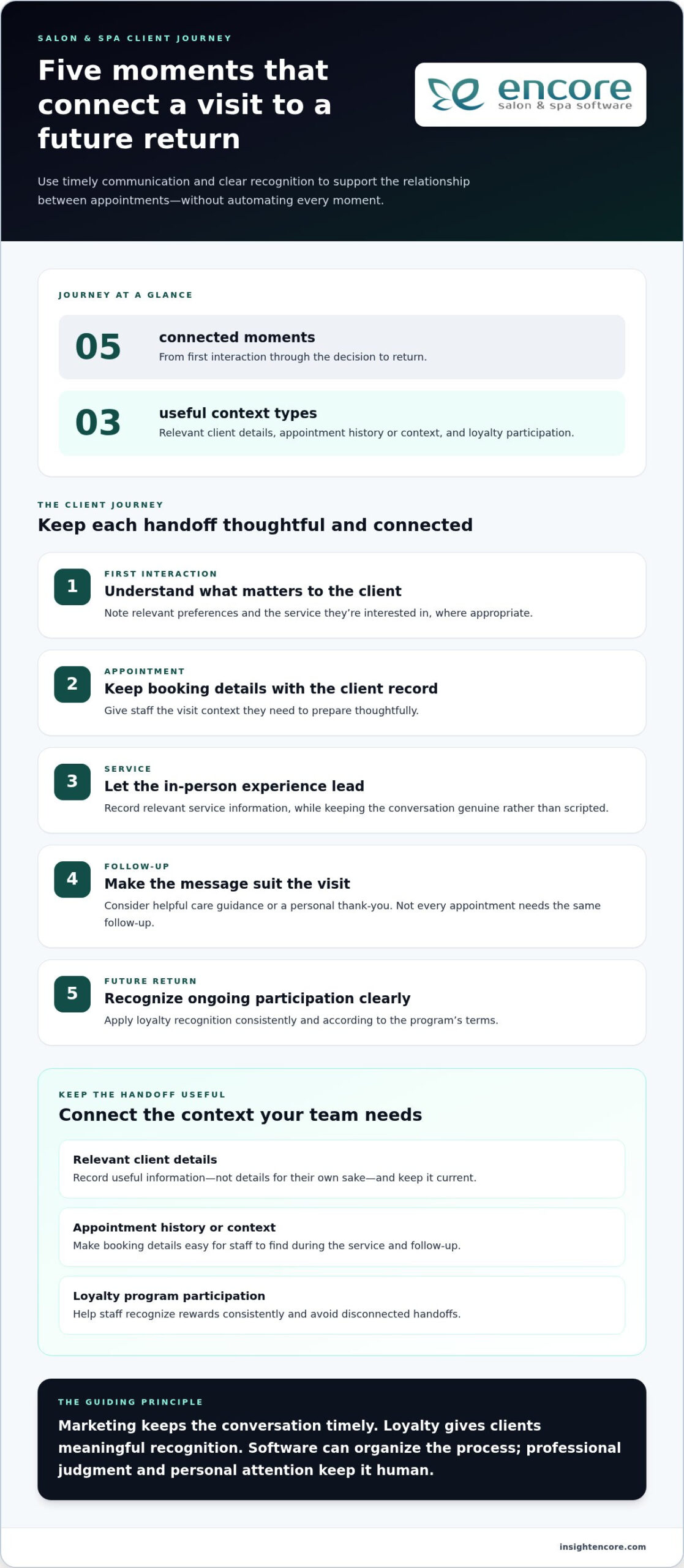
A client’s experience doesn’t begin and end in the salon chair. It moves through discovery, booking, service, follow-up, and the decision to return. When client records, appointment context, communication, and loyalty participation are organized around that journey, each interaction can feel more connected. The aim isn’t to automate every moment. It’s to help your team keep useful details accessible and communicate with care.

Where can marketing and loyalty meet in a client journey?

Picture a first-time client who finds your salon, books a consultation, receives a service, and considers their next visit. A simple journey map helps your team identify what information and support matter at each step:

  • First interaction: Note the client’s preferences and the service they’re interested in, where appropriate.
  • Appointment: Keep booking details connected to the client’s record so staff can prepare with the visit’s context in mind.
  • Service: Record relevant service information, then let the in-person experience lead. A genuine conversation is more valuable than a scripted exchange.
  • Follow-up: Decide whether a helpful message, such as care guidance or a personal thank-you, suits the visit. Don’t assume every appointment needs the same follow-up.
  • Future return: Recognize ongoing participation in a loyalty program clearly and consistently, according to its terms.

The handoff matters. When booking details are easy for the team to find during the service, staff can carry that context into follow-up. A salon client booking portal guide can help you consider how online booking fits into the wider experience, from choosing an appointment to arriving prepared.

What should salon owners keep connected?

Start with the information your team needs to serve clients thoughtfully: relevant client details, appointment history or context, and loyalty program participation. The point isn’t to collect information for its own sake. Make useful context available when it can improve a conversation or help staff provide a more consistent experience.

Disconnected records can lead to generic communication. A client might receive an offer that doesn’t reflect their services, or staff may not know whether a reward has already been recognized. Agree on what information the team records, where it belongs, and how staff keep it current. A shared process makes handoffs easier without requiring a complicated journey design.

Encore brings client management, online booking, automated marketing, and loyalty capabilities into a broader business-management platform. Explore the client management features as you consider how organized records can support daily operations. Explore Encore to see how these tools could fit your business.

How to Judge Whether a Salon Loyalty Program Is Worthwhile

A loyalty program should feel worthwhile to clients and manageable for your team. Before choosing a reward, ask whether clients will understand its value, staff can explain the rules, and you can track participation. The best fit depends on your services, client habits, and capacity to run the program consistently, not on how elaborate it looks.

Which loyalty approach fits your clients and business?

Each approach balances clarity, perceived value, and administration differently. Use this comparison to narrow your options:

  • Points: Clients accumulate points through defined activity and redeem them for a stated reward. This can offer flexibility, but earning and redemption rules need to be easy to follow and maintain.
  • Visit-based rewards: Clients receive recognition after a set number of visits or services. The idea is simple to explain, but the program needs a clear way to record progress and define which visits count.
  • Non-discount recognition: A business can acknowledge continued participation without making a price reduction the focus. This may feel personal, but the recognition still needs to matter to clients and be delivered consistently.

Consider your service mix and booking patterns. If clients tend to return for similar services, a straightforward visit-based structure may be easier to explain. If they use a wider range of services, a flexible points model may suit them, provided the team can administer it accurately. Non-discount recognition can complement either approach, but it needs a clear purpose too. Keep the terms brief: explain how clients participate, what counts, and how they receive recognition. If staff need a lengthy explanation, simplify the rules.

How can a business tell whether the program is helping?

Set a baseline before launch so you have a fair point of comparison. Choose a period that reflects your normal appointment patterns, then track a small set of measures consistently:

  • Repeat visits: Track whether participating clients return and compare the pattern with your baseline.
  • Redemptions: Note how often clients use rewards and which types they choose.
  • Client response: Record questions, feedback, and signs that clients understand or value the offer.
  • Team workload: Notice whether tracking and explaining the program fits comfortably into daily operations.

Redemption shows that a reward was used. It doesn’t, by itself, show that the program prompted a meaningful return visit. Compare behavior over time and consider whether clients might have booked again without the reward. Avoid treating correlation as proof that the program caused a change.

Program activity shows participation; repeat behavior helps show whether the program is supporting the relationship. Salesforce has cited a broad estimate that customer acquisition can cost at least six times more than retention. Treat that as general research, not a salon-specific benchmark or a prediction of what your own program will achieve. Judge Automated Marketing & Loyalty Programs using your own records, client feedback, and the effort required to keep the program clear and consistent.
Automated Marketing & Loyalty: 2026 Salon & Spa Guide

How to Launch Automated Marketing and Loyalty Without Overwhelming Clients

A manageable launch starts with focus, not a long list of campaigns. Choose one business goal and one client group, then build a process your staff can explain and maintain. For example, you might focus on keeping clients who book a particular service connected between visits. Keep the first version small enough to review and adjust.

What should a practical launch sequence include?

Before setting anything up, write down how your team currently handles client follow-up and rewards. This gives you a starting point and helps reveal manual steps or confusing handoffs. Then follow a straightforward sequence:

  1. Choose a measurable objective. Decide what you want to learn or improve, such as whether a specific client group returns after a service. Record the current process or baseline so you can compare later.
  2. Set simple program rules. Define how clients participate, what recognition they can receive, and which terms they need to understand. Keep the explanation brief enough for staff to share consistently.
  3. Prepare the client-facing language. Draft a clear message that sounds like your business. Make sure staff know how to answer common questions and where to find program details.
  4. Review responses and refine. Look at participation, client feedback, and any confusion your team encounters. Adjust the message or rules based on what you observe before adding another client group or idea.

This sequence lets you test the experience as well as the offer. A program that looks simple on paper still needs to work at the front desk, during a busy appointment day, and in the way clients understand it.

How can automation stay personal and respectful?

Automation should make useful communication easier to manage, not become a reason to contact clients more often. Before sending a message, ask whether it’s relevant to the recipient, clear about its purpose, and consistent with the service they receive in person. If it adds no useful information or value, leave it out.

Keep the language warm and direct. Use familiar wording, explain why you’re contacting the client, and describe any reward in plain terms. Review messages regularly so details stay accurate as services or program rules change. Let staff use their judgment too. A planned workflow can support consistency, while a personal conversation is still the right choice for questions or individual client needs.

Start with the smallest version that lets you learn. A measured rollout gives your team room to build confidence and gives clients a clear, comfortable experience. Encore brings automated marketing and loyalty capabilities into a broader salon and spa management platform, alongside client management and online booking.

Explore how Encore can support your business

How Encore Brings Salon Marketing and Loyalty Into Business Management

Marketing and rewards are easier to manage when considered alongside the daily work of running a salon or spa. Encore Salon & Spa Software is an all-in-one management platform with automated marketing and loyalty capabilities, as well as client management, online booking, gift card management, and point-of-sale transactions. This broader context helps owners consider how client communications and recognition fit into daily operations instead of treating them as separate tasks.

How does Encore fit into salon and spa operations?

Appointment-based businesses rely on clear client and booking information to organize the client experience. Encore Salon & Spa Software brings client management and online booking into the same broader software offering as marketing and loyalty. These capabilities support planning client communications and rewards, while the business chooses messages and program terms that suit its clients.

Encore Salon & Spa Software also serves barber shops, tattoo studios, massage businesses, and pet grooming businesses, alongside salons and spas. Each business has different needs, so consider how the management tools relate to the way your team books appointments and maintains client relationships. The Encore Salon & Spa Software overview provides salon-specific platform context.

Keep gift cards distinct from loyalty rewards. A gift card represents stored value that can be purchased or given to someone, while a loyalty program recognizes ongoing client participation according to its terms. Both can be part of a client-focused business, but they serve different purposes. Encore Salon & Spa Software includes gift card management alongside its marketing and loyalty capabilities.

What is a sensible next step for your business?

Before adopting new tools, take stock of your current process. Where does your team record client information? How do you handle follow-up? Can staff explain existing rewards consistently? These questions help identify what’s working and where manual steps or disconnected records create extra effort.

Next, consider how marketing and rewards fit with your client-management needs. A useful solution should support the way your business organizes client details and appointments while keeping communication clear and manageable. Start with the needs you’ve identified, such as more organized records or a more consistent approach to client recognition. Then consider how the platform’s relevant capabilities could support those priorities without assuming every feature or workflow is necessary for your business.

Encore Salon & Spa Software’s Automated Marketing & Loyalty Programs are part of a broader management platform for appointment-based businesses. Salon and spa owners can consider marketing, loyalty, booking, and client management together while keeping decisions about the client experience in their hands.

See how Encore fits your business

Build a Client Experience You Can Keep Improving

Your next step doesn’t need to be a full campaign calendar or a complex rewards structure. Choose one moment in the client relationship where a clearer, more thoughtful touchpoint could help. Decide what you want clients to understand or do, then make the experience easy for your team to deliver consistently.

As you put Automated Marketing & Loyalty Programs into practice, leave room to learn. Pay attention to client questions, staff feedback, and whether the process fits naturally into daily work. Use those observations to make small adjustments before expanding your approach. Progress comes from building a system that feels useful to clients and manageable for your business, not from adding more messages or rules.

Explore Encore’s marketing and loyalty tools

Build a more organized, personal client experience at a pace that works for your team. Explore Encore for your business.

Frequently Asked Questions

Is automated marketing useful for a small salon?

Yes, Automated Marketing & Loyalty Programs can help a small team keep routine client communication from slipping during busy days. Start with one purpose, such as sharing useful service information with a defined client group. Review the wording before using it, then note whether clients respond or ask questions. The goal is to make repeatable tasks easier, not to replace staff conversations or personal service.

Can a salon loyalty program work without discounts?

Yes, a salon can recognize client engagement without making price cuts the main reward. For example, a business might acknowledge a client milestone or offer an experience-based benefit that suits its services and capacity. Consider what clients would find meaningful and what staff can deliver consistently. Keep participation terms straightforward, and explain what recognition clients can expect.

How often should a salon send automated marketing messages?

There isn’t one schedule that works for every salon or client group. Separate practical appointment information from promotional communication, then consider whether each planned message has a clear purpose. A service update may be useful, while another general offer soon afterward may feel unnecessary. Review replies, unsubscribes, and client feedback where available, and adjust the schedule if people seem confused or overwhelmed.

Do clients need an app to participate in a salon loyalty program?

No, a separate app isn’t automatically required. The participation method depends on how the salon designs its program and what its software supports. Some businesses may explain progress in person or use another straightforward way to record participation. Tell clients how to join, track their status, and receive rewards. A simple process is easier to understand.

How much should a salon offer as a loyalty reward?

There’s no universal reward amount that fits every salon. Consider the cost of delivering the benefit, the value clients may place on it, and whether it fits comfortably within your service business. Compare a lower-cost recognition idea with a more substantial benefit before setting the program terms. Track participation and redemptions over time, but don’t assume reward use alone means clients are returning more often.

What happens if clients do not use their loyalty rewards?

Low redemption doesn’t automatically mean the program has failed. Check whether clients know they’re enrolled, understand how to use a reward, and can recall the terms when they’re ready to book. Staff can note common questions during checkout or service conversations. If clients aren’t clear on the benefit, improve how it’s explained before changing the reward itself. Make one adjustment at a time so you can see what helps.

Disclaimer

This article is general in nature and may contain errors, please verify all claims with your sales rep
Categories
Uncategorized

Barbershop Performance Dashboard: Metrics That Drive Better Decisions in 2026

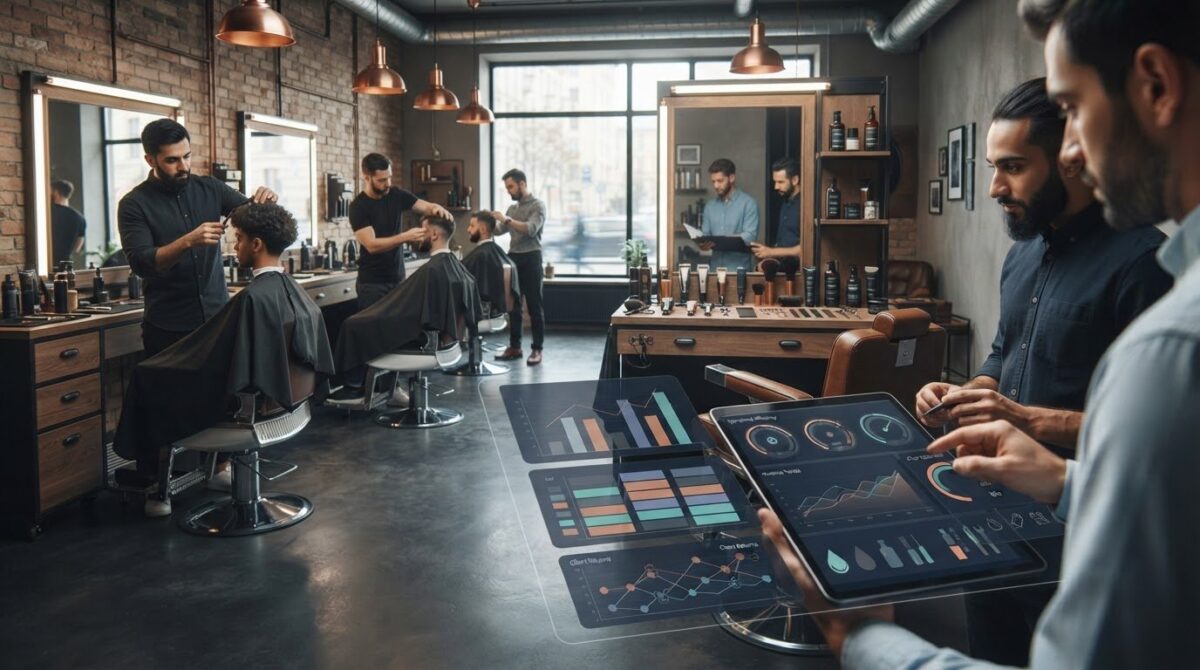
What if a full appointment book is masking your barbershop’s biggest opportunity? A packed Saturday can look like success, but it won’t tell you whether clients are returning, chairs are being used consistently, or each visit is supporting healthy revenue. A barbershop performance dashboard brings those signals into view when you focus on the right measures and interpret them together.

If booking, client, sales, and inventory information lives in separate places, it’s easy to miss patterns or react to a single number without context. You don’t need to track everything. You need a focused set of indicators that answers practical questions about your shop. Connected tools for booking, client management, transactions, and inventory can give you a broader view of daily operations.

This guide covers which revenue, client, and operational metrics deserve attention, how to interpret changes against your shop’s schedule and goals, and how to turn what you learn into practical next steps. You’ll also find a repeatable review routine to make performance data useful in everyday decisions, not just another report to glance at.

Key Takeaways

  • Build a barbershop performance dashboard around decisions you need to make, not numbers that look impressive but offer no clear next step.
  • Organize measures across revenue, appointments, client relationships, and inventory to spot where closer attention may help.
  • Read results against comparable periods and changes in your schedule or service mix before deciding what they mean.
  • Use a steady review routine to turn patterns into a small number of practical actions and follow up on what changes.
  • Connect booking, client records, sales, and inventory tools to create a clearer view of daily operations.

What a Barbershop Performance Dashboard Should Help You See

Bookings may sit in one place, sales in another, and client or inventory details somewhere else. When you’re piecing together the shop’s performance between appointments, scattered figures can be frustrating. A barbershop performance dashboard is a focused view of selected business measures that helps you understand what’s happening and decide what to do next. It’s not a wall of numbers. It’s a way to connect daily activity to decisions you can influence.

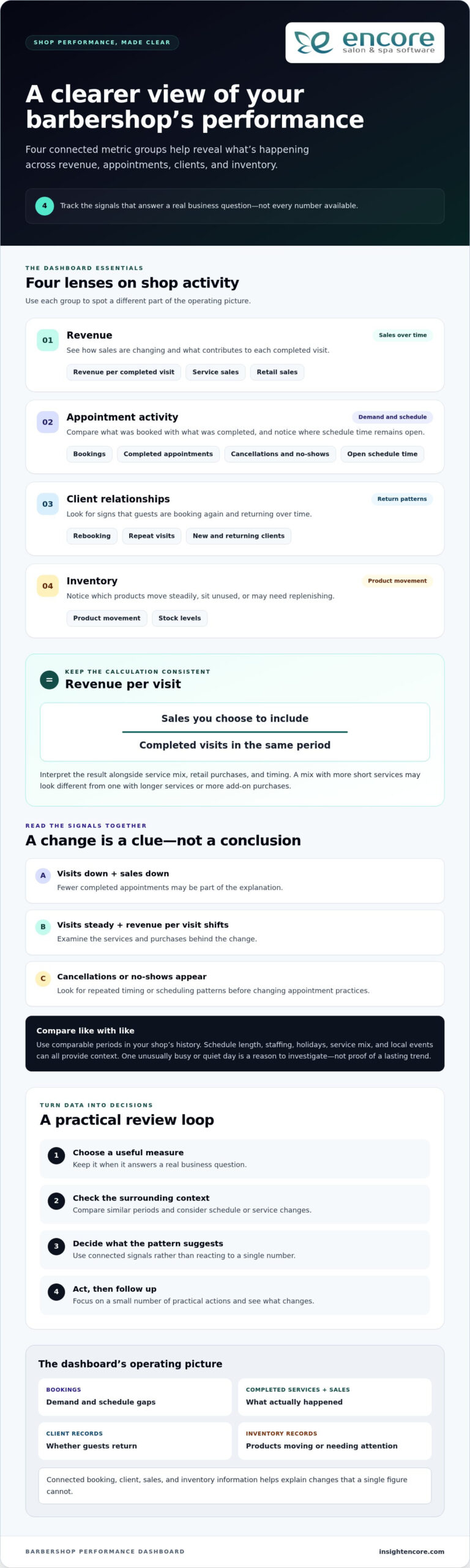
Think of a dashboard as the shop’s operating picture. Booking records can show demand and gaps in the schedule. Completed services and sales transactions show what actually happened, while client records can reveal whether guests are returning. Inventory records add context by showing which products are moving and which may need attention. Together, these sources can help explain a change that a single figure can’t.

The goal is to track useful signals, not every available count. A large social following or a high number of appointments booked might look impressive, but neither tells you whether those bookings are completed or clients come back. Give a measure space on your dashboard when it answers a real business question and points toward an action.

Which daily questions should the dashboard answer?

Start with questions that connect shop activity to choices you can make. For demand, ask whether upcoming bookings are filling the hours and days you want to staff. If certain periods are consistently quiet, you might adjust scheduling or consider a targeted promotion. For completed services, compare appointments on the book with visits completed. A gap may prompt you to review cancellations, reminders, or the time set aside between services.

For sales activity, look at what guests purchased alongside their services. If service sales are steady but retail activity changes, explore product visibility or staff recommendations before changing your inventory. For returning clients, review whether guests book their next visit or come back over time. That pattern can help you decide where follow-up or rebooking conversations deserve more attention.

Keep the time frame in mind. One unusually busy day may reflect a holiday, a local event, or a schedule change. One quiet day may be just that, one day. Treat it as context to investigate, not proof of a lasting trend. Look for a pattern across comparable periods before making a bigger change.

Dashboard, report, and KPI: what is the difference?

A report gives you detailed records to examine, such as individual transactions or appointment histories. A dashboard presents a concise overview of selected measures, making it easier to notice what deserves a closer look. A business dashboard can be organized in different ways, but its purpose is to make important information easier to monitor and use.

A KPI, or key performance indicator, is a measure tied to an important business objective, such as improving repeat visits. A raw operational count records activity; a KPI shows whether that activity is helping meet a goal. A count tells you what happened; a KPI helps you judge whether it moved the business toward an objective. That distinction keeps your dashboard focused on decisions, not just data.

Which Barbershop Performance Metrics Belong on Your Dashboard?

A useful barbershop performance dashboard gives you a balanced view, not a crowded collection of numbers. Choose a small group of measures across revenue, appointment activity, client relationships, and inventory. For each one, know what question it answers and what decision it might inform. A metric without a clear purpose adds noise instead of helping you manage the shop.

  • Revenue: Track sales over time, revenue per completed visit, and the mix of service and retail sales.
  • Appointment activity: Review bookings, completed appointments, cancellations, no-shows, and open time in the schedule.
  • Client relationships: Watch rebooking and repeat-visit patterns, including how new and returning clients contribute to activity.
  • Inventory: Look at product movement and stock levels to notice items that sell steadily, sit unused, or may need replenishing.

Revenue and appointment indicators to interpret together

Revenue per visit can show whether the value generated by each completed appointment is changing. Calculate it consistently by dividing the sales you choose to include by completed visits for the same period. Then interpret the result alongside service mix, retail purchases, and timing. A period with more short services may produce a different average than one with longer services or more add-on purchases. Keep the calculation consistent so comparisons remain meaningful.

Pair the revenue figure with appointment activity. If completed visits fall and sales fall with them, fewer appointments may be part of the explanation. If visits stay steady but revenue per visit shifts, examine the services and purchases behind the change. Compare similar days or periods in your own shop’s history rather than applying a universal target. Schedule length, staffing, holidays, and changes in the services offered can all affect the result.

Cancellation patterns need the same care. Review cancellations and no-shows in relation to bookings, and look for repeated timing or scheduling patterns before changing policies or appointment practices. One cancellation is an event; a recurring pattern is a reason to investigate.

Client and inventory signals that reveal patterns

Rebooking and repeat visits help you understand whether clients are returning and how consistently they do so. A change may relate to service timing, availability, or the way the next appointment is offered. Use client records to explore the pattern, then choose a practical response, such as making rebooking part of checkout conversations. Keep staff utilization distinct from shop-wide appointment measures: the former focuses on an individual barber’s working time, while the latter looks across the shop’s schedule and capacity. For a closer look at the staff measure, see this barbershop staff utilization guide.

Inventory movement adds context to sales. If a product’s sales change, consider whether client demand shifted, purchasing changed, or the item was unavailable when guests wanted it. Compare sales activity with inventory records before adjusting orders. No single measure explains the whole story. Together, these signals help you decide what deserves a closer look and what action is worth testing.

How to Read Dashboard Results Without Misleading Yourself

A dashboard shows what changed, but it can’t explain the cause on its own. Read each measure in context before adjusting prices, staffing, or promotions. Upcoming bookings are a leading indicator: they offer a view of demand that may turn into future work. Completed appointments and sales are lagging results: they show what has already happened. Comparing the two can help you see whether a shift in bookings is showing up in completed business, but allow enough time for the results to develop.

Compare like with like before drawing conclusions

Choose comparable periods, such as the same weekdays across two time windows, rather than comparing a full week with a partial one. Check whether opening hours, staffing, available services, or local events changed. A holiday week may follow a different pattern from a regular week, and a new service mix can shift average sales without indicating a problem. Be cautious with small samples. A single comparison can point to a question, but it rarely proves what caused the change.

Turn a metric change into a useful question

Suppose completed sales are lower than in the prior comparison period. The cause could be fewer appointments, more cancellations, shorter hours, a different mix of services, or a change in retail purchases. Each explanation suggests a different follow-up. Check booking records, completed appointments, and transaction details before deciding whether to change a schedule, price, or promotion.

A metric is a clue to investigate, not a diagnosis of what’s wrong. Use a change to guide your next question, then look for supporting evidence. Connected booking, client, point-of-sale, and inventory records make that review more grounded. Encore’s software features include tools across these operational areas, helping shops keep relevant information connected to daily work.

Signal Possible explanations Follow-up question
Upcoming bookings are down Fewer repeat bookings, reduced availability, seasonal demand, or a shorter booking window Are comparable days and booking lead times also lower?
Completed visits are steady, but sales have shifted Different service mix, changes in add-on purchases, or altered transaction patterns Which services or items account for the change?
Cancellations have increased A particular day, time, service, or booking pattern may be contributing Do appointment records show a recurring pattern or just a brief fluctuation?
Product sales have changed Shifting guest demand, purchase timing, or product availability Do inventory records support the same pattern?

For a barbershop performance dashboard to support sound decisions, keep the comparison method consistent and note important changes alongside the figures. If the signal persists and related records point in the same direction, you have a stronger basis for action. If they don’t, keep observing rather than making a costly change based on one reading.

Barbershop Performance Dashboard: Metrics That Drive Better Decisions in 2026

Build a Simple Barbershop Dashboard Review Routine

A barbershop performance dashboard becomes useful when you review it consistently and connect what you see to a next step. Keep the process light enough to fit around the work of running the shop. You don’t need a long meeting or a complicated scorecard. A focused check-in, consistent definitions, and a clear record of follow-up can turn scattered figures into a routine you can maintain.

Start with a small, decision-focused scorecard

Choose measures that match your current priorities, such as filling appointment gaps, understanding repeat visits, or reviewing retail movement. For every measure, write down its definition, where its information comes from, and the period you’ll review. This prevents the same label from being calculated differently each time. Add one sentence about the decision it supports, such as, “This measure helps us decide whether to adjust coverage during quiet appointment periods.”

Then follow a repeatable sequence:

  1. Choose the question. Name the operating issue you want to understand before opening the figures.
  2. Select the measures. Use only the indicators that help answer that question, and keep their definitions consistent.
  3. Review the pattern. Compare the chosen period with a relevant prior period, noting changes in hours, staffing, or services.
  4. Record an action. Decide whether to investigate further, try a practical adjustment, or keep watching the trend.

Move from review to action and follow-up

Close each review with a brief note: what you observed, what you’ll do next, who owns the action, and when you’ll revisit it. For example, if appointment gaps appear repeatedly during a particular time, review staffing coverage or booking availability. Assign one person to follow through, even if that person is the owner. Clear responsibility helps turn a useful observation into a completed task.

Pick a cadence that fits your operating rhythm. A short weekly check can help you notice near-term changes in bookings or cancellations, while a monthly review gives you more room to assess repeat visits, sales patterns, and inventory movement. These are starting points, not fixed rules. If a measure changes slowly, review it over a longer period; if it affects daily scheduling, a more frequent glance may make sense.

At the next check-in, ask whether the action changed the pattern you were watching. If it did, decide whether to continue or make the adjustment part of normal operations. If it didn’t, revisit your assumption before repeating the same step. Avoid adding another metric simply because it’s available. Add one only when it answers a real operating question or helps you make a decision with more confidence.

Explore Encore Barber Software

Use Barbershop Management Software to Connect the Operating Picture

A useful review depends on having relevant operating information available when you need it. If appointments, client details, sales, and inventory are recorded in separate places, it can take extra effort to understand how one part of the shop relates to another. Barbershop management software can bring these everyday activities into one platform, giving you a more organized foundation for reviewing how the business is operating.

Connect everyday records to better-informed decisions

Booking records help you examine appointment activity, such as how the schedule fills and which periods have open time. Client management records add context about guest history and return visits. Consider them together: booking activity shows what’s planned, while client records can help you understand who is coming back and how often.

Point-of-sale transactions provide a record of completed sales. Inventory records add information about product movement. Looking at both can help you ask useful questions: Did product sales change along with inventory movement? Are there items that appear to be moving differently than expected? The records don’t make the decision for you, but they give you relevant details to investigate before changing purchasing or sales practices.

These connections matter when you’re reviewing a barbershop performance dashboard. Encore’s barber shop software brings together tools for online booking, client management, point-of-sale transactions, and inventory tracking. Having these management activities in one platform helps organize information you can use to review daily operations and investigate performance changes.

Choose tools that fit the way your barbershop operates

Start with the work your shop needs to manage. Consider how you handle booking, client information, transactions, and inventory today. Then assess whether a software platform supports those workflows and makes the information easier to keep organized and review. Bringing relevant management activities together can reduce the need to piece together the operating picture from unrelated records.

The right setup should support your real routine, not add complexity for its own sake. A shop focused on appointment flow may start by keeping booking activity organized; another may prioritize client records or product tracking. Define what information you need to review and how it will support a decision. Then use the same definitions and review periods over time so comparisons remain useful.

Software is one part of effective operations. Staff communication, service standards, and clear day-to-day processes matter too. For practical ideas beyond the numbers, explore this barbershop management tips guide. Together, consistent operating practices and organized records can make it easier to spot questions worth investigating.

If you’re ready to bring booking, client management, sales, and inventory activities into a more organized workflow, take a look at Encore’s barber shop software.

Explore Encore Barber Software

Make Your Next Review a Step Toward Better Decisions

Your next step doesn’t need to be a major overhaul. Choose one operating question you want to answer, decide which figures can help, and note one action to test. A barbershop performance dashboard becomes more useful as that simple habit helps you learn what deserves attention and what can wait. Keep the process grounded in your shop’s goals, and let the evidence guide the next adjustment.

Encore has supported salon and barber shop businesses since 1991, with specialized software for barber shops. If you’re ready to explore management tools that can support your shop’s day-to-day work, take a look at Encore as a practical next step.

Try Encore for your barbershop

Keep asking clear questions, reviewing what changes, and building on what you learn. Your next decision can start with one useful signal.

Frequently Asked Questions

What is a barbershop performance dashboard?

A barbershop performance dashboard is a compact way to keep important business measures visible so you can decide what deserves attention. For example, an owner preparing for a staffing discussion might look at upcoming appointment demand alongside recent completed visits. The dashboard doesn’t explain every change by itself. Its value is helping you identify a useful question, then find the records or context needed to investigate it.

Which KPIs should a barbershop track?

Track the measures that help you manage a current priority. If you’re trying to understand quiet appointment periods, you might review bookings and completed visits for those time slots. If you’re focused on repeat business, consider rebooking or return-visit measures. Define each measure the same way every time, and compare it with your shop’s own history. A figure is more useful when you know what decision it can inform.

How often should a barbershop owner review performance metrics?

Choose a review rhythm you can maintain and match it to the decision at hand. A quick weekly look may help you notice upcoming schedule gaps, while a longer comparison can be more helpful for assessing a gradual change in client visits. Avoid changing the review window from one check-in to the next. Keep a short note of what you observed and what you plan to revisit, so each review builds on the last.

Can barbershop software help track business performance?

Yes. Barbershop software can organize records that support performance reviews, including online bookings, client information, point-of-sale transactions, and inventory activity. Encore offers specialized software for barber shops with these management tools. Use the records to examine specific questions, such as whether a scheduling change coincides with a shift in completed appointments. Software can help organize business information, but you still need context to interpret what a change means.

What should I do if my barbershop metrics suddenly change?

First check that you’re comparing the same type of period and using the same calculation. Then look for a practical explanation in the records. If sales shift, for example, check whether the number of completed appointments or the mix of services also changed. Note what you find and choose a proportionate next step, such as watching the pattern for another review period. One unexpected result is a reason to investigate, not automatically to overhaul your process.

How much does a barbershop performance dashboard cost?

There isn’t one cost that applies to every dashboard or software setup. The amount depends on the solution and the tools your barbershop chooses. Consider which activities you need to manage, what’s included in the option you’re evaluating, and whether it suits your shop’s workflow. Compare pricing information for the options you’re considering with the needs you’ve identified.

Is a performance dashboard useful for a one-chair barbershop?

Yes, if it helps you make a practical decision without creating unnecessary admin. A solo barber might use a small scorecard to understand which appointment periods are hardest to fill or whether clients are booking their next visit. Start with information you already record during daily work. If a measure doesn’t lead to a useful question or action, leave it off. A simple review habit can be more manageable than a complicated tracking system.

Disclaimer

This article is general in nature and may contain errors, please verify all claims with your sales rep
Categories
Uncategorized

Client Profile Template for Hair Stylists: A Practical Guide

What if a client profile did more than remind you of someone’s name and appointment time? A useful client profile template for hair stylists brings preferences, service history, color formulas, and follow-up notes together, so you’re not relying on memory or hunting through scattered records. It should support a personal consultation, not turn one into paperwork.

Small details can make the next appointment feel more consistent and considered: a client’s hair goals, what worked at their last visit, or what they’d like to avoid. But generic forms may ask for too much while missing the hair-specific information you need.

This guide provides an adaptable template for new and returning clients, plus tips for keeping service notes clear and useful. You’ll learn what to record, what to leave out, and how to make the process repeatable without losing the human touch. We’ll also compare paper profiles with digital client management, including how salon software can keep client records alongside broader salon operations.

Key Takeaways

  • Use a client profile template for hair stylists to capture useful preferences and service details without making consultations feel like paperwork.
  • Choose essential, optional, and service-specific fields to keep your template focused on what you’ll actually use.
  • Compare paper and digital records by considering access, updates, storage, and who needs to see the information.
  • Follow a simple prepare, consult, record, and review routine to keep client notes current between appointments.
  • Recognize when a standalone template works well and when connected digital client management may better suit your salon’s workflow.

What Should a Hair Stylist Client Profile Template Help You Remember?

A client’s preferences can be easy to overlook between appointments, especially when service notes live in different places or rely on memory. A profile gives you one concise reference for details that matter across visits: what the client likes, which services they’ve had, and what may need a follow-up. Its purpose isn’t to record everything about a person. It’s to help you prepare and continue the conversation with care.

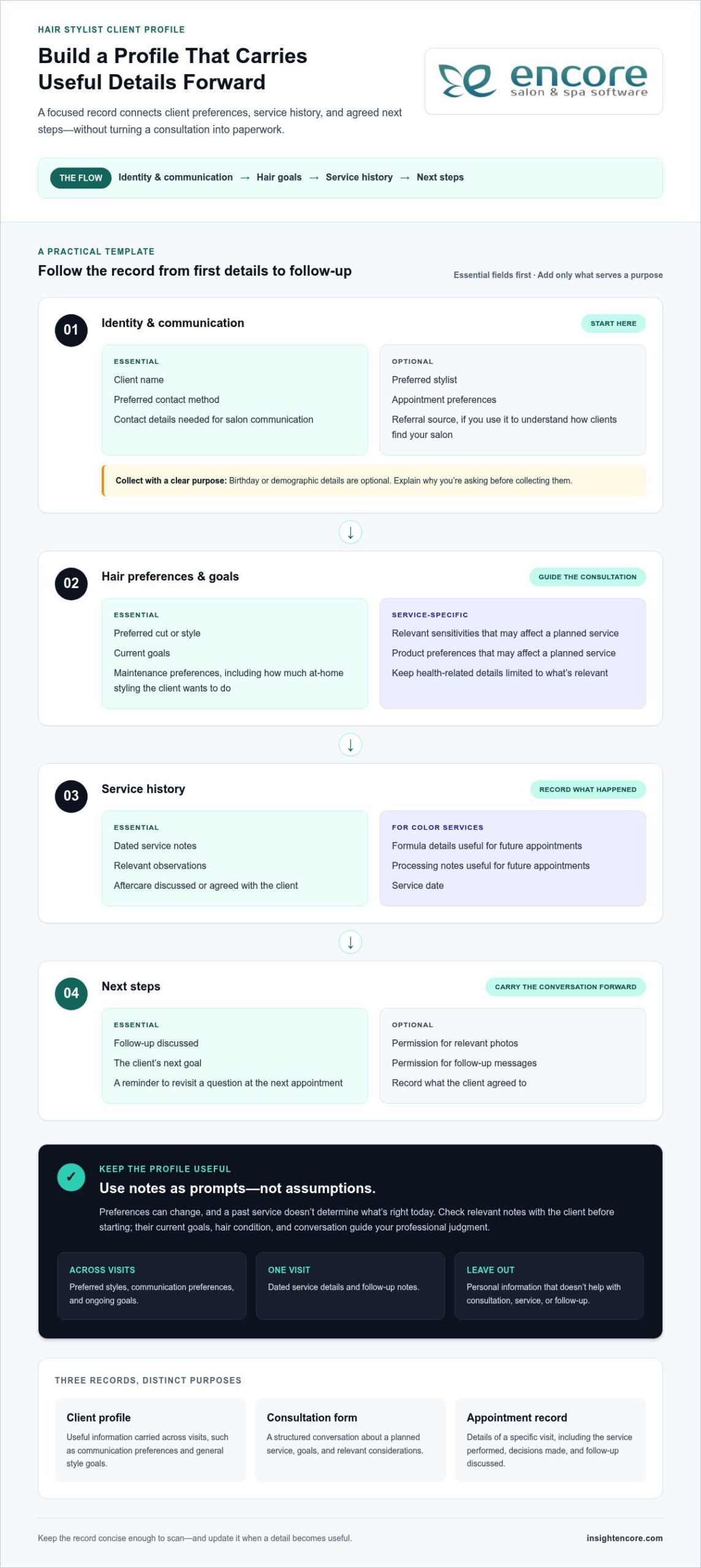
A hair stylist client profile is a concise, ongoing record of service-relevant client details that supports consultations, continuity between appointments, and thoughtful follow-up.

A useful client profile template for hair stylists makes those details easy to find and update. Focus on information that helps you deliver salon care, such as preferred styles, communication preferences, and notes from previous services. Avoid collecting personal details simply because a form has room for them. The goal is a practical working record, not a longer intake form. This reflects the broader idea of Customer Relationship Management (CRM), where organized customer information helps support ongoing relationships.

Client profile, consultation form, and appointment record: what is the difference?

These records serve related but distinct purposes. A client profile holds useful information across visits, such as how someone prefers to communicate or the general style they’re working toward. A consultation form guides a structured conversation about a planned service, helping you discuss the client’s goals and relevant considerations before you begin. An appointment record documents a specific visit, including the service performed, decisions made, and any follow-up discussed. Together, they provide context without treating every appointment as a first meeting.

When does a stylist benefit from a consistent client record?

A consistent record is especially helpful when details need to carry forward. You might note that a client prefers a quiet appointment, likes to see style options before deciding, or wants to discuss how a previous cut has grown out. For a solo stylist, a repeatable format makes it easier to review those notes before the next service. In a salon team, shared record-keeping can help colleagues maintain continuity when a client sees different stylists.

Use notes as prompts, not assumptions. A preference can change, and a past service doesn’t determine what’s right today. Before starting, check relevant notes with the client and ask what they’d like this time. Their current goals, hair condition, and conversation guide your professional judgment. The record simply gives you a more informed place to begin.

  • Useful across visits: preferred styles, communication preferences, and ongoing goals.
  • Specific to one visit: dated service details and follow-up notes.
  • Unnecessary for the task: personal information that doesn’t help with consultation, service, or follow-up.

Keep the profile concise enough to scan before an appointment, and update it when a detail becomes useful. That balance helps records feel supportive rather than bureaucratic, while leaving space for the most important part of the service: listening to the client in front of you.

Build a Hair Stylist Client Profile Template With These Essential Fields

A useful template isn’t the longest one. It’s a focused record that helps you prepare, provide a considered service, and pick up the conversation next time. Use the outline below as a starting point. Remove fields that don’t fit your services or workflow, and add service-specific details only when they’ll help with future appointments.

A practical stylist profile can include contact and appointment preferences, hair goals, relevant service history, and agreed next steps, with optional or service-specific fields added only when they serve a clear purpose.

Copy-ready client profile outline

  • Identity and communication
    • Essential: Client name; preferred contact method; contact details needed for salon communication.
    • Optional: Preferred stylist; appointment preferences; referral source, if you use it to understand how clients find your salon.
    • Optional: Birthday or demographic details only when they support a clear business purpose. Explain why you’re asking before collecting them.
  • Hair preferences and goals
    • Essential: Preferred cut or style; current goals; maintenance preferences, such as how much at-home styling the client wants to do.
    • Service-specific: Relevant sensitivities or product preferences that may affect a planned service. Keep health-related details limited to what’s relevant.
  • Service history
    • Essential: Dated service notes, relevant observations, and aftercare discussed or agreed with the client.
    • Service-specific: For color services, record the formula details and processing notes that are useful for future appointments, along with the service date.
  • Next steps
    • Essential: Follow-up discussed, the client’s next goal, or a reminder to revisit a question at the next appointment.
    • Optional: Permission for relevant photos or follow-up messages, including what the client agreed to and the intended use.

Keep contact and appointment fields purposeful

Collect only the contact information you need to communicate about salon services and appointments. A preferred stylist or appointment preference can help with scheduling, while a referral source may be useful if you track how clients discover your business. Birthday and demographic fields are not automatically necessary. If you include them, be clear about their purpose and let that purpose guide whether they belong on the form.

Write service notes clearly and handle sensitive details with care

Use factual, neutral language. For example, note the client’s stated style goal or what aftercare you discussed, rather than making assumptions about their habits. Record color details in a format you can understand and use again; don’t rely on vague shorthand. Treat health-related information and other sensitive details thoughtfully, and limit collection to what supports the service. Follow the privacy and retention practices that apply in your location. Requirements vary by jurisdiction, so verify the rules that apply to your salon before using the form.

Document permission for photos or follow-up messages clearly, including what the client agreed to. A well-organized client profile template for hair stylists makes relevant details easy to find while keeping unnecessary personal information out. To organize client records alongside salon operations, explore Encore’s client management tools.

Paper or Digital Client Profile Template: Which Format Fits Your Salon?

Choosing a format comes down to how you work, who needs access, and how often you look back at a client’s history. A printable profile can suit an individual stylist who likes to write during a face-to-face consultation. Digital records may be more practical when you need to find details across a busy schedule or keep information accessible to a salon team. Neither format is right for every business.

Compare how each option fits your day-to-day routine:

Consideration Paper profiles Digital profiles
Access Available where the physical file is kept. Can be retrieved through the system or device where records are maintained.
Updates Write additions by hand; keep notes legible and dated. Update the electronic record as details change.
Storage Requires space for organized physical files. Stored digitally, with access practices suited to your salon.
Team visibility Colleagues need access to the relevant file. May make records easier for authorized team members to find, depending on the system and setup.

Think about the friction you want to reduce. If looking up a note means searching through folders, a consistent filing routine may help. If several people need to refer to client information, consider how your chosen format supports appropriate access and makes it clear which record is current.

When a printable client profile is a practical starting point

Paper can be a straightforward choice for a solo stylist or anyone who prefers handwriting during consultations. Print one consistent profile for each client, date new visit notes, and file updates with the original record so service history stays together. Set a routine for returning files to their place after appointments. Keep records from being casually viewed, misplaced, or accessed by people who don’t need them.

When a digital client profile can reduce recordkeeping friction

Digital records may help when you regularly need to retrieve information for returning clients or keep records organized across a salon team. Clear naming and updating habits still matter; a digital file isn’t useful if notes are hard to locate or out of date. Digital client management can also sit alongside broader salon workflows. Encore combines client management with online booking and point-of-sale tools. See how these operational areas fit together in its salon software features.

Start with the format you can maintain consistently. A printable client profile template for hair stylists can establish a reliable routine, while digital records may suit a growing team or a workflow that benefits from connected client management. Whichever you choose, set clear habits for updates, storage, and access. Revisit the decision if your salon’s needs change.

Client Profile Template for Hair Stylists: A Practical Guide

How to Use and Update a Hair Stylist Client Profile at Every Visit

A profile works best as part of the appointment routine, not as a form you complete once and forget. Use the same four stages each time: prepare, consult, record, and review. This rhythm helps you arrive with useful context, make room for the client’s current preferences, and leave clear notes for the next visit.

Introducing the profile without making consultation feel like paperwork

Keep the explanation simple: “I keep a few notes so we can pick up where we left off and focus on what you want today.” Invite the client to share preferences that matter to the service, then fill in only the relevant fields. The profile supports your conversation; it shouldn’t compete with it.

A four-stage routine for each appointment

  • Prepare: Before the appointment, check the client’s existing profile and most recent service notes. Look for useful context, such as a style goal or a detail to follow up on. Don’t treat old notes as instructions for today.
  • Consult: Welcome the client and confirm what still applies. Instead of asking a returning client to repeat everything, try, “Last time, you mentioned wanting a lower-maintenance style. Is that still your goal?” Ask what has changed, then discuss the planned service in person.
  • Record: After the consultation and service, add concise, dated notes. Capture relevant service details, the client’s stated preferences, your observations, and any maintenance guidance you agreed on. Separate what the client said from what you observed so the next reader can understand the context.
  • Review: Before the next visit, read the latest entry and note anything worth revisiting. This makes it easier to continue the conversation without assuming the client’s needs or preferences have stayed the same.

Updating service history and preparing for the next appointment

Useful notes are specific enough to guide a follow-up, but brief enough to scan. For example, record the service date, relevant formula details when applicable, the result discussed with the client, and agreed maintenance notes. Avoid turning the profile into a transcript of the appointment. If a detail isn’t useful for the service or future continuity, leave it out.

Use neutral, clear wording. “Client prefers to air-dry; discussed styling options” distinguishes a client-stated preference from a stylist’s observation. If you note an observation, keep it factual and connected to the service rather than writing a judgment. That makes the record easier for you or a colleague to interpret later.

This repeatable approach works with paper records or digital client management. As a salon grows, connected records can help keep client management alongside broader salon operations. Encore’s client management tools support an organized digital workflow for salon businesses.

Make the routine easy to maintain. Update the record while the appointment details are fresh, then use the next visit to confirm what remains relevant. A consistent client profile template for hair stylists helps you remember the context without asking clients to start from scratch or letting notes replace a personal consultation.

See Encore’s client management tools

From a Client Profile Template to Organized Salon Client Management

A standalone template can be enough when you’re an independent stylist with a manageable client list and a recordkeeping routine you can maintain. It gives you a consistent place for relevant notes without adding another system to learn. As your salon grows, separate files may become harder to keep current or find quickly. The decision isn’t simply paper versus software. It’s whether your current process helps the right people find and update the right information at the right time.

Signs your salon may have outgrown separate client forms

Look for repeated friction in everyday work. Are there duplicate profiles because staff aren’t sure which record to use? Do you spend appointment time searching for a previous note? Are service updates kept in different places, or does each team member record details in a different way? These are signs that your recordkeeping process may need more structure.

A shared process can help salon teams maintain continuity, but software alone won’t set expectations. Agree on what staff should record, when to update a profile, and who should have access. Keep the form focused, and make sure the workflow respects applicable privacy practices. Clear habits matter as much as the tool.

Choosing a client management workflow staff can maintain

Choose a process that fits naturally around appointments. Ask whether the profile is quick to use, whether staff can keep it updated after a service, and whether it’s easy to review before the next visit. For a solo professional, a simple template or digital record may be sufficient if it stays organized and easy to access. A booth renter can build a consistent individual workflow around the same principles: prepare, confirm, record, and revisit.

For a salon team, digital client management can bring client records alongside other salon operations. Encore includes a client management system as part of its salon software offering, with online booking and point-of-sale tools within the broader platform. These tools support different parts of the client journey, from arranging an appointment to completing a transaction. Set clear team habits for recording and updating client details so the workflow stays consistent.

Start by reviewing where client information lives today and where staff experience friction. Then choose a process that’s easy to follow consistently, whether that means refining your form or moving toward digital client management. A client profile template for hair stylists is a practical foundation; organized salon client management can help keep the recordkeeping approach aligned with the way your business operates.

Read the Encore Salon Software overview to see how client management fits within a broader salon platform.

Make Your Next Client Record Easier to Use

Your next step doesn’t need to be a complete change to the way you run your salon. Start by choosing one part of your recordkeeping that feels harder than it should, then adjust your process to make that moment simpler. A client profile template for hair stylists should fit naturally into the way you welcome, consult with, and care for clients.

As you use your template, pay attention to which notes help you feel prepared and which fields rarely serve a purpose. That everyday feedback gives you a practical way to refine the form over time. Keep what supports thoughtful service, and let go of what creates extra work without adding useful context. The result can be a recordkeeping habit that feels personal to clients and manageable for you.

Encore’s salon and spa software brings client management, online booking, and point-of-sale tools together in one platform.

Explore Encore’s client management tools

Choose a process you can keep up with, then build on it at your own pace. A little more clarity can make each client interaction feel that much more considered.

Frequently Asked Questions

What should a hair stylist include in a client profile?

Include details that help you prepare for the client’s next service, and make it clear which notes apply to a specific visit. For example, a general preference can live in the profile, while a formula belongs with its dated color-service entry. If a field wasn’t discussed, don’t guess or fill it with an assumption. Leaving it blank is more useful than recording something that could mislead you later.

How do I create a client profile template for hair clients?

Build the form around your actual appointment flow, then test it before making it standard. Complete a sample profile for a familiar service and check whether another stylist could understand the entries without asking you to translate shorthand. Rename unclear fields, remove questions that don’t inform a service decision, and keep different service types adaptable. A template should guide note-taking, not force every client into the same consultation.

Should hair stylists use paper or digital client records?

Either format can work; choose the one your salon can keep accurate and appropriately protected. If you use both, decide which record is authoritative and how updates move between them. Otherwise, one version may show a newer preference than the other. Consider a short trial using your regular appointment routine, then notice whether staff can locate the right information and make updates without creating duplicate records.

How often should a hairstylist update a client profile?

Review the profile at every appointment, and update it whenever the client shares a meaningful change or a service adds useful context. You don’t need to rewrite unchanged details. For instance, if a client switches their preferred contact method, update that specific field and leave unrelated notes intact. A dated entry helps distinguish new information from older context, especially when several visits have passed between major changes.

Should a hair stylist record allergies and color formulas?

Record relevant sensitivities and color-service details carefully, but treat notes as context for a fresh consultation, not as a substitute for checking with the client. A formula entry can include the service date and the outcome discussed, so you can understand when and why it was used. Limit sensitive details to what supports the service, and follow the privacy and recordkeeping rules that apply where your salon operates.

How can a stylist keep client profile forms from feeling intrusive?

Tell clients why a question helps, and make it easy to skip information that isn’t needed for the service. You might say, “I ask about styling preferences so I can tailor the appointment. You can leave anything blank.” Ask only relevant questions, and let the client’s answers guide the conversation. A brief, respectful explanation can make the form feel like a helpful part of their visit, not an interrogation.

Disclaimer

This article is general in nature and may contain errors, please verify all claims with your sales rep
Categories
Uncategorized

Salon Key Performance Indicators to Track in 2026: A Practical Guide

What if tracking fewer numbers helped your salon make better decisions? Collecting reports can still leave you unsure what to change, especially when records aren’t consistent or a result doesn’t point to an obvious cause. The salon key performance indicators to track are the ones that connect a business goal to a practical next step.

You don’t need to measure everything at once. A focused set of KPIs can show where bookings are slipping, whether clients are returning, how staff time is being used, and which services or products deserve a closer look. Use consistent formulas and compare equivalent time periods so changes in the numbers tell a useful story.

This guide explains which salon KPIs matter, how to calculate them, and how to turn trends into decisions about bookings, staffing, retention, and inventory. You’ll also see how connected booking, client, sales, and inventory records can make tracking more consistent, whether you use salon software, spreadsheets, or both.

Key Takeaways

  • Choose salon key performance indicators to track based on a specific business goal, not simply because a number appears in a report.
  • Use clear formulas and reliable data sources to measure sales, client behavior, team productivity, and retail performance consistently.
  • Compare results with your salon’s own past periods, accounting for seasonality, service mix, hours, and staffing changes.
  • Turn KPI reviews into a repeatable cycle: ask a business question, check the trend, choose an action, then reassess.
  • Connected appointment, client, sales, and inventory records can reduce manual reconciliation and make tracking easier to maintain.

Salon key performance indicators to track: what they reveal about business health

A salon can collect plenty of numbers and still be unsure what to do next. A Key Performance Indicator (KPI) is a measurable indicator tied to a specific business goal. It helps you judge whether an important part of the business is moving in the right direction and whether an adjustment may be needed.

The best salon key performance indicators to track depend on your priorities, services, and operating model. A booth-rental salon may focus on different questions than a team-based salon. You don’t need to monitor every available figure. Start with a small, balanced set, define how each measure is calculated, and review it consistently. A number belongs on your dashboard only if it helps guide a decision.

How KPIs differ from salon metrics

A metric is a measurement; a KPI connects that measurement to a goal. Appointment count, for example, tells you how many bookings were made. Booking conversion, calculated as bookings divided by booking inquiries or opportunities, can help assess how effectively interest turns into appointments. Define what counts as an inquiry or opportunity, then use the same definition and time period in every comparison. A KPI should prompt a useful question, such as whether to adjust booking availability or follow-up, rather than simply fill a report.

Context makes the numbers more useful. One week’s booking count is a data point; comparing weekly counts across equivalent periods can reveal a pattern. Before drawing a conclusion, check that the periods cover the same number of days and that your records use the same counting rules. Otherwise, an apparent improvement or drop may reflect inconsistent tracking rather than a real change in performance.

Choose KPIs around the salon’s priorities

Begin with the business outcome you want to understand, then choose a measure that can help explain it. Revenue stability may call for a financial measure, repeat visits may call for a client measure, and better capacity use may call for an operational measure. Keep owner-level KPIs focused on the health of the whole salon. Use individual staff measures for coaching conversations, with relevant context such as scheduled hours, service mix, and role.

  • Financial health: Are sales and revenue patterns supporting the salon’s goals?
  • Client health: Are clients returning and maintaining a steady visit pattern?
  • Operational health: Are available appointments and team time being used effectively?

This compact view helps you spot trade-offs instead of reacting to one number in isolation. A change in sales, for instance, may relate to client behavior or available capacity. Next, choose specific measures, formulas, data sources, and review periods that make those questions answerable.

The essential salon KPIs to track, with straightforward formulas

Useful measures start with clear rules. For the salon key performance indicators to track, define the reporting period, what counts as a completed visit, and how you handle discounts, refunds, cancellations, tips, and taxes. Apply the same rules each time so a change in the result reflects business activity, not a change in bookkeeping.

The U.S. Bureau of Labor Statistics reports that employment of barbers, hairstylists, and cosmetologists is projected to grow 7 percent. Tracking your own business health can help you understand how revenue, client activity, and available capacity are changing within your salon.

Revenue and visit-value KPIs

Start with sales and the value of each completed visit. For consistent comparisons, calculate sales after discounts and refunds, and exclude taxes and tips. Keep service and retail revenue separate so a shift in the sales mix is visible. These measures show what’s changing, but they don’t account for operating costs. For profit-focused guidance, see increasing salon profit margin.

Client, booking, and capacity KPIs

Client and appointment measures need defined time windows. For retention, select a return window that fits your salon’s visit patterns and compare eligible clients in each group. For utilization, divide booked service hours by available service hours, excluding breaks and other time when appointments can’t be scheduled. Keep the definition of available hours consistent when comparing staff or periods. For more detail, read calculating salon staff utilization rate.

KPI Formula and counting rule Data source Review cadence
Total sales Service revenue + retail revenue, less discounts and refunds; exclude taxes and tips. Point-of-sale records Weekly and monthly
Average ticket Service and product revenue, net of discounts and refunds, divided by completed visits; exclude taxes and tips. POS and completed appointments Weekly and monthly
Revenue mix Service or retail revenue divided by total service and retail revenue. POS categories Monthly
Client retention Clients in a defined group who return within the chosen window divided by eligible clients in that group. Client and appointment records Monthly or quarterly
Rebooking rate Completed visits where the client books again before leaving divided by completed visits. Appointment records Weekly
Cancellation / no-show rate Cancelled appointments or no-shows divided by appointments scheduled for the period. Track each separately. Appointment records Weekly
Appointment utilization Booked service hours divided by available service hours. Staff schedules and appointments Weekly

Use linked appointment, client, and POS records where possible to reduce manual matching. Encore Salon & Spa Software brings booking, client management, point-of-sale, and inventory tools together, giving salons a connected operational record to support consistent KPI tracking. Explore salon management tools.

A KPI change is a signal to investigate, not a verdict on your salon or team. Before reaching for an industry benchmark, compare the result with your own earlier periods. Your services, prices, opening hours, staffing model, and client mix all shape what a reasonable result looks like. The salon key performance indicators to track become more useful when you can explain what changed and decide what to test next.

What is a good salon KPI result?

There’s no universal target that suits every salon or service mix. Build a baseline from reliable historical records, then set a target that supports your business priorities. Compare like with like, such as the same month year over year or equivalent weeks, and document changes to formulas, booking systems, or recordkeeping. A new definition can create a jump in the numbers without any real change in performance.

Seasonality can affect demand, while changes in working hours or staffing can alter available capacity. Service mix matters too: a month with more long or higher-value appointments may shift revenue measures even if visit volume stays steady. Where records allow, break results down by service, staff member, booking channel, or new versus returning clients. These segments can suggest where to investigate, but they don’t prove what caused a change.

Find a useful explanation for a changing KPI

If average ticket falls, check whether clients booked a different mix of services, discounts increased, or fewer clients added retail products. If rebooking declines, look at client segments, appointment availability, and follow-up practices. These checks help you move from “the number changed” to a practical question the team can address.

  • Check the context: Confirm the date range, metric definition, staffing, and service mix.
  • Look for a pattern: Compare relevant client, service, or booking segments where records are available.
  • Test one adjustment: Change one operational factor, such as availability or follow-up, and review the result after a defined period.

Keep KPI conversations focused on coaching and planning, not surveillance. Use team-level trends to identify barriers, improve schedules, or support consistent client follow-up. If you review an individual measure with a staff member, add context such as their hours and service mix, then agree on a useful next step together. Numbers work best as a shared tool for learning, not a scorecard without explanation.

Salon Key Performance Indicators to Track in 2026: A Practical Guide

Build a practical salon KPI review routine your team can maintain

A useful KPI process doesn’t need to become another full-time task. Give it a simple rhythm: define the question, check the data, review the trend, choose one action, then reassess. Frequent checks can catch operational issues such as schedule gaps or cancellations. Monthly or quarterly reviews give you room to consider broader goals, staffing, and service mix.

Set up reliable KPI definitions and data sources

Before each review, make sure the numbers use the same rules. Keep a short reference for every measure that records its formula, data source, reporting period, and treatment of cancellations, discounts, or refunds. Then reconcile appointment, POS, client, and inventory records as needed. If you’re not ready for a formal reporting workflow, a spreadsheet is a practical place to start, provided someone updates it consistently.

Connected operational records can reduce the time spent matching figures from separate systems. Salon software features such as appointment booking, client management, point-of-sale transactions, and inventory tracking can help bring relevant information into a more consistent workflow. The right setup is one your team can maintain and use to answer real business questions.

Turn a review into one measurable next step

Choose one KPI tied to a current priority. If rebooking is the focus, for example, agree on one change to test, such as adjusting the time staff set aside to discuss the next appointment. Don’t change several processes at once; otherwise, it’s harder to tell which adjustment affected the result.

Record the decision in a simple action log:

  • KPI and question: What changed, and what do you need to understand?
  • Action and owner: What will change, and who is responsible?
  • Expected signal: What movement in the measure would suggest the action is helping?
  • Follow-up date: When will you review the result using the same definition and time period?

Use the follow-up to decide whether to keep, adjust, or stop the test. This turns the salon key performance indicators to track into a steady learning loop rather than a report that gets opened once and forgotten. Keep the process supportive: discuss obstacles, share useful context, and focus on what the team can try next.

Explore Encore salon software

How salon software can make KPI tracking more consistent

Spreadsheets can be a practical way to start: they’re flexible and easy to adapt to a small set of measures. But someone needs to enter and reconcile the information, and separate files can make it harder to compare bookings, sales, client activity, and inventory reliably. An integrated system can bring those records together, reducing manual matching and making it easier to work from consistent source data.

What to look for in salon KPI tracking software

Start with your chosen KPIs, then check whether the system supports the records behind them. Booking measures need appointment information; retention depends on consistent client records; revenue measures draw on point-of-sale data; and retail or stock decisions rely on inventory information. Reporting should make the date range clear and align with your formulas, including how completed visits, cancellations, discounts, and refunds are treated.

Ease of use matters, too. A report that’s difficult to access or a workflow staff can’t maintain won’t support dependable comparisons. Review the salon software features that can help centralize day-to-day information, and choose an approach your team can follow consistently. Spreadsheets can still play a role in calculations or analysis when needed.

Connect Encore tools to the measures that matter

Encore’s salon management platform brings appointment booking, client management, point-of-sale transactions, and inventory tracking into one operational setting. Those connected records can support a more consistent view of the activity behind your selected KPIs. Explore Encore salon software and its management tools.

Software supports the measurement routine; it doesn’t replace sound judgment. Keep your KPI definitions clear, check that the underlying records fit the question, and use trends to guide decisions rather than treating a dashboard as an automatic answer. The most useful setup is one that helps your team gather dependable information and act on it.

Learn about Encore salon software

Make your salon numbers work for you

The most useful salon key performance indicators to track are tied to clear business goals, measured with consistent formulas, and reviewed over comparable periods. A focused set of financial, client, and operational measures can reveal where to look without burying you in reports.

Use trends as prompts for investigation, not instant conclusions. Consider changes in seasonality, service mix, staffing, and availability, then choose one practical action, assign an owner, and set a date to reassess. That simple routine helps turn a result into a decision your team can learn from.

Encore brings appointment booking, client management, point-of-sale, inventory, payment processing, and marketing tools together to support salon operations.

Start with one meaningful question and a manageable set of measures. With consistent records and regular follow-through, you can build a clearer picture of your salon’s health and move forward with confidence.

Frequently Asked Questions

What are the most important KPIs for a salon to track?

The most important KPIs are the ones tied to your salon’s goals. A useful starting set includes total sales and average ticket for financial health, retention and rebooking rate for client relationships, and appointment utilization and no-show rate for operations. You might also track retail sales if product revenue is a priority. Choose a manageable group of salon key performance indicators to track, and use clear formulas and consistent time periods.

How do you calculate a salon rebooking rate?

Divide the number of completed visits where the client books their next appointment before leaving by the total number of completed visits, then multiply by 100 to express the result as a percentage. For example, if 30 out of 50 completed visits include a rebooking, the rate is 60%. Use the same period and counting rules each time, and decide how to treat rescheduled visits so comparisons stay consistent.

What is a good average ticket for a salon?

There’s no single average ticket target that fits every salon, since prices, service mix, and retail sales vary. Calculate yours by dividing service and product revenue by completed visits, using the same rules for discounts, refunds, taxes, and tips each period. Then compare the result with your own past periods. If it changes, check whether clients chose different services or added fewer retail products before deciding what to adjust.

How often should a salon review its KPIs?

Review operational measures, such as bookings, cancellations, and no-shows, frequently enough to respond to scheduling issues. A weekly check may suit these day-to-day questions. Review broader measures, such as retention or revenue trends, monthly or quarterly so there’s enough context to identify patterns. Pick a cadence your team can maintain, use consistent date ranges, and set a follow-up date whenever you decide to test a change.

How do you calculate salon staff utilization?

Divide booked service hours by available service hours, then multiply by 100 to get a utilization percentage. For example, 24 booked service hours out of 30 available hours equals 80% utilization. Define available hours consistently, excluding time when the staff member can’t take appointments, such as breaks or scheduled leave. Keep the same rules across periods, and interpret the result alongside service mix and schedule changes.

Should a salon use industry benchmarks or its own historical data?

Start with your salon’s own historical data. Comparing equivalent periods helps you see whether performance is changing within your business, while accounting for factors such as seasonality, service mix, staffing, and hours. External benchmarks can offer context, but they may reflect different salon models or KPI definitions. Before comparing, confirm that the formulas, reporting periods, and counting rules match closely enough to make the comparison meaningful.

Can salon software track key performance indicators automatically?

Salon software can bring appointment, client, point-of-sale, and inventory records together, which may reduce manual data entry and reconciliation. Some platforms also offer reporting tools, but don’t assume every KPI is calculated automatically or uses your exact formula. Check how reports define date ranges, completed visits, cancellations, discounts, and refunds. You may still need to set definitions, confirm data quality, and interpret trends before choosing an action.

Disclaimer

This article is general in nature and may contain errors, please verify all claims with your sales rep

Categories
Uncategorized

How to Sell More Retail Products in a Salon: A 2026 Guide

What if selling more retail didn’t mean selling harder? If you’re working out how to sell more retail products in a salon, you may already know the challenges: appointments get busy, recommendations can feel awkward, and products can sit on the shelf while you try to figure out what’s working. Retail doesn’t have to feel pushy or become one more task to squeeze into the day.

The most useful recommendations support the results clients want from their service. When staff explain what they’re using and why, product suggestions can feel like a natural part of the appointment, not a sales pitch. A simple, repeatable approach can also help your team recommend products consistently, keep useful items in stock, and follow up thoughtfully.

This guide shows how to connect recommendations, product visibility, availability, and follow-up so salon visits can lead to repeat retail purchases. You’ll find practical ways to build staff confidence, reduce slow-moving stock, and track which efforts are helping. You’ll also see how client, inventory, and point-of-sale tools can support an organized retail routine without losing the personal service your clients value.

Key Takeaways

  • Learn how to sell more retail products in a salon by matching recommendations to client needs, not adding pressure.
  • Use a simple ask, listen, match, explain, and invite routine to make product conversations easier to repeat.
  • Compare displays, service-linked recommendations, bundles, and follow-up to choose tactics that fit your salon and clients.
  • Track retail sales, units sold, and product sell-through consistently to guide stock decisions and assess what’s working.
  • Use inventory, client records, and checkout tools to help keep retail routines organized and trackable.

How to Sell More Retail Products in a Salon Without Making Clients Feel Pressured

Back-to-back appointments make it easy to focus on the service in front of you and leave retail for later. By checkout, the next client may be waiting, and there’s little time to explain what could help someone maintain or recreate their salon result. The answer isn’t to push harder. It’s to make relevant recommendations a natural part of client care.

Client-first retail means recommending a product only when it connects to a client’s stated need or the result they want to maintain.

This approach gives clients useful information for their at-home routine and creates an opportunity for salon retail revenue. A clear explanation matters: the retail marketing mix includes product, place, promotion, price, personnel, and presentation. In a salon, the recommendation and the professional explaining it are part of that experience, alongside how products are displayed and offered.

Why salon clients may leave without the products they need

A client may leave without a product because nobody had time to mention it or because its benefit wasn’t clear. A bottle on a shelf can be easy to overlook, and a product name alone doesn’t explain how it fits into someone’s routine. That’s an opportunity to make the information clearer, not a client or staff failure. An informed recommendation explains the connection and leaves the decision with the client. Pressure makes a purchase feel expected.

Set a helpful standard for retail conversations

Keep conversations brief and specific. Ask what the client uses at home, what they want to achieve, and what they prefer in a routine. Listen before suggesting anything, then connect one relevant option to a service or need. After a blowout, for example, you might explain how a styling product could fit into recreating the look at home, without promising the same result for everyone.

Make the next step easy to understand and easy to decline. Explain how the product is typically used, where it fits into the routine, and why you chose it. For example: “You mentioned wanting a simpler styling routine. This could be one option to consider. Would you like me to show you how it’s used?” If the client isn’t interested, accept that warmly and move on.

  • Ask: Find out about the client’s routine and preferences.
  • Listen: Identify the need or goal they’ve described.
  • Match: Choose a relevant product, if there’s a clear fit.
  • Explain: Connect it to the service or routine in plain language.
  • Invite: Offer the option without making a purchase feel expected.

A consistent, low-pressure standard helps staff speak confidently without turning every appointment into a sales pitch. The focus stays on the client’s needs, and retail becomes part of the service conversation rather than an awkward add-on at checkout.

Build a Salon Retail Recommendation Process Around the Client

A repeatable process helps stylists make recommendations feel personal, even on a busy day. Use five simple steps: ask, listen, match, explain, and invite. The goal isn’t to deliver a perfect sales line. It’s to understand what the client wants, share a relevant option clearly, and let them decide.

Match retail products to a client’s service and routine

Start with questions that uncover context: “What are you using at home?” or “Is there anything you’d like to maintain or change about your routine?” Listen for the client’s priorities before connecting a product to the service. After a colour appointment, for example, a stylist might discuss an at-home product intended for colour-treated hair if it fits the client’s needs. After a haircut, the conversation could focus on how the client likes to style their hair day to day.

Explain the product’s use in plain language. Describe when it fits into the routine and how to use it according to its directions. Avoid guarantees or claims that every client will get the same result. If there’s no clear connection between a product and the client’s needs, don’t recommend it just to make a sale.

Help stylists recommend products with confidence

Confidence comes from knowing what a product is designed for, how it’s used, and where its limits are. Make product education practical: discuss a few common use cases, demonstrate the application when appropriate, and invite questions during team meetings. Short role-play can help, too. One stylist plays a client describing a routine or concern; another practices asking follow-up questions and explaining a relevant option in their own words.

Keep the framework consistent, not the wording. Rigid scripts can sound impersonal, while a shared approach gives stylists room to speak naturally. Recognize good consultations as well as completed purchases. When a stylist listens carefully, makes a suitable suggestion, and respects a client’s decision to pass, they’ve supported trust even if no product leaves the salon that day.

  • Ask and listen: Learn the client’s routine, goals, and preferences.
  • Match and explain: Connect a relevant option to their service or stated need, then describe its use clearly.
  • Invite: Offer the product without pressure and accept the client’s answer.

Client records can help a salon team keep track of relevant preferences and support more consistent conversations, while staff still use their judgment in the moment. Explore how salon client management tools can support client and retail workflows alongside your team’s recommendation process.

These conversations work best when they feel like useful guidance, not a transaction. With a shared process and regular practice, stylists can make thoughtful recommendations in a way that suits both the client and their own communication style.

Compare Salon Retail Tactics: Merchandising, Bundles, and Follow-Up

Retail tactics work best when they address a real barrier, such as products going unnoticed, clients being unsure what fits their routine, or forgetting to restock after an appointment. Before adding a tactic, consider the effort involved and how it will feel from the client’s perspective.

Visibility helps clients discover what’s available, while relevant recommendations help them understand what may suit their needs. Use both, but keep the selection focused and the conversation useful.

Tactic Effort Client experience Best suited to
Display improvements Low to moderate: arrange and refresh products Self-directed browsing Products that are easy to miss or hard to understand
Service-linked recommendations Moderate: explain a relevant option during the visit Personal guidance tied to a service or stated need Clients who need help choosing or understanding product use
Bundles Moderate: select compatible products and explain the pairing A convenient option, if each item has a clear purpose Clients already considering more than one related product
Follow-up Moderate: prepare and send a relevant message A reminder or helpful next step after the visit Clients who may need a prompt to restock or revisit a recommendation

Choose salon merchandising that makes products easy to notice

Set out a focused selection where clients can browse without interrupting a service or blocking the checkout flow. Clear labels can explain what a product is for, who might consider it, or how it fits into a routine. Refresh the display based on client questions and available inventory. If a product is out of stock, avoid making it the centrepiece of the display.

Use follow-up and gift cards thoughtfully

A follow-up can remind a client about an option discussed during their visit, but it should fit the relationship and any consent or communication preferences you have on record. Keep the message relevant and easy to act on. Don’t treat every client as a sales lead. Loyalty rewards can be an optional thank-you, not a promise that someone will purchase. Gift cards may also suit clients looking for a flexible gift. Explore salon gift card management as part of planning how your salon handles them.

Bundles should follow the same client-first principle. Pair products only when each item serves a purpose for the client, and present the combination as a convenience, not a requirement. To decide how to sell more retail products in a salon, test one tactic at a time and observe client questions, product interest, and stock movement. That gives you a clearer sense of what belongs in your routine.

How to Sell More Retail Products in a Salon: A 2026 Guide

Track Salon Retail Results and Improve Stock Decisions

Retail figures are most useful when they help you choose a next step. Start with a small set of measures, define each one, and review them over comparable periods. This makes it easier to judge whether a change in recommendations or product placement is worth keeping, without overwhelming the team with reports.

Measure retail performance without overwhelming the team

Choose measures that match your current goal and the information your salon can reliably record. If you’re checking whether clients are buying more often, review units sold. If you’re assessing retail income, track sales on the same basis each time, such as gross or net sales, and apply that definition consistently.

  • Retail sales: The value of retail transactions during a set period. Decide how you’ll treat returns and discounts.
  • Units sold: The number of individual products sold in that period.
  • Sell-through: Units sold divided by units available for sale during the period, expressed as a percentage. Use the same inventory method each time.

Compare like-for-like periods, such as one month with the previous month, and note changes that could affect the result. A stylist’s sales total, for example, may reflect different hours worked, appointment volume, or client mix. Avoid treating the number as a standalone performance score. Where records allow, review trends by product category as well as across the salon. For the wider business picture, see How to Increase Salon Profit Margin: The 2026 Operational Checklist.

Keep useful products available and reduce guesswork

Sales totals don’t explain every missed opportunity. Keep a simple record of client questions, requests for unavailable products, and recurring stockouts. If clients often ask for an item that’s missing, check whether the timing or quantity of replenishment needs attention. If a product moves slowly, review its sales alongside display location, staff recommendations, and available stock before deciding whether to reorder.

Set a regular stock review and flag products that haven’t moved or may no longer suit your salon’s focus. Inventory records can help your team check what’s on hand and spot repeat gaps; point-of-sale records can help connect transactions with product movement. Confirm that your software reporting supports the measures you plan to use. Salon inventory and point-of-sale features can support a more organized review process.

Tracking gives you a clearer way to assess how to sell more retail products in a salon: look for patterns, consider the context, and make one practical adjustment at a time.

Explore tools for salon retail and inventory workflows

Use Salon Software to Support a Consistent Retail Routine

Software can connect parts of a retail routine that are easy to lose track of during a busy day: the client conversation, the checkout, and what remains in stock. It can organize records and make information easier to review. It can’t replace a stylist’s product knowledge or judgment about whether a recommendation fits the client.

Connect point-of-sale records with inventory checks

A simple review sequence can help the team close the loop: discuss the client’s needs, offer a relevant option, record the purchase at checkout, then check inventory to see whether stock needs attention. Point-of-sale records can help managers review product movement, while inventory tracking can help teams monitor what’s on hand. Check which reporting and inventory functions are included in your software before relying on a specific workflow.

Client records may also help staff keep useful context for future visits, where the system and your salon’s practices support it. This can connect retail conversations to broader client workflows, such as booking and service history. For a closer look at connected client journeys, read The Ultimate Guide to Setting Up a Salon Client Booking Portal in 2026. Encore’s salon inventory and POS features are relevant tools to consider when deciding how records and checkout can fit into your process.

Keep the human part central. A system may help surface a client’s previous purchase or show that an item needs restocking, but the stylist still needs to ask, listen, and decide whether a new recommendation makes sense. Use records to support a thoughtful conversation, not to make assumptions about what someone should buy.

Build a manageable retail improvement plan

Don’t change every part of the retail routine at once. Choose one recommendation behavior, such as asking each client about their at-home routine, and one merchandising improvement, such as making a focused product display easier to browse. Assign someone to own each change and set a review date. Then look at relevant sales and stock information alongside staff observations and client questions.

At the review, decide whether to keep, adjust, or stop each tactic. If a display draws questions but few purchases, staff may need clearer product information. If recommendations are happening but stock is often unavailable, review replenishment. This measured approach helps you learn how to sell more retail products in a salon without making the process harder to manage.

See how Encore can support your salon’s retail workflow

Make Your Salon’s Retail Routine Easier to Repeat

Learning how to sell more retail products in a salon starts with a client-first habit: recommend products that connect to a client’s needs, make useful options easy to notice, and review what sells before adjusting your stock. A simple process gives your team room to offer helpful guidance without making every appointment feel like a sales pitch.

Salon software can support the work behind that routine. Encore Salon & Spa Software includes inventory tracking and point-of-sale transactions, along with client management, automated marketing, loyalty programs, and gift card management. These tools can help organize retail activity and client follow-up, while your team’s knowledge and personal service guide each recommendation. Encore’s parent company was founded in 1991.

Start with one practical improvement, review how it works for your salon, and build from there. Consistent small steps can make retail easier to manage and more useful for clients.

Explore Encore for your salon

Your team can create a retail experience that feels thoughtful, organized, and true to the service your clients value.

Frequently Asked Questions

How can a salon sell more retail products without being pushy?

Make recommendations that connect directly to a client’s needs or service, and leave the choice to them. To learn how to sell more retail products in a salon, build a habit of asking about the client’s routine, listening to their goals, and explaining why a product might be relevant. Keep the suggestion optional, answer questions honestly, and accept a “no” graciously. Helpful advice supports trust, even when the client doesn’t buy.

What should salon staff say when recommending a product?

Start with a question, such as, “What are you using at home?” Then connect a product to what the client has shared: “You mentioned wanting to recreate this style. Would you like to see an option that could fit your routine?” Explain how and when to use it in plain language, following the product directions. Avoid promising a particular result, and make it easy for the client to decline.

Where should retail products be displayed in a salon?

Place a focused selection where clients can notice and browse it without interrupting services or blocking the checkout area. Use clear labels to explain each product’s purpose, who might consider it, or how it fits into a routine. Keep the display aligned with current stock, and refresh it based on client questions and observed interest. A tidy, understandable display can invite browsing without making clients feel pressured to buy.

How do you train salon staff to recommend retail products?

Give staff practical product education, including what each product is intended for, how it’s used, and any relevant limitations. Practice short role-plays in team discussions: one person describes a routine or concern, and another asks follow-up questions before suggesting an option. Encourage stylists to use their own words rather than memorize a rigid script. Recognize thoughtful consultations as well as sales, so staff know that client trust matters.

Which salon retail metrics should I track?

Start with retail sales, units sold, and product sell-through. Define each measure consistently, including how you’ll account for returns or discounts in sales totals. Compare similar periods and, where your records allow, review results by product category. Add context such as appointment volume, staff schedules, client questions, and stockouts before drawing conclusions. A small, consistent set of measures is usually easier to act on than a long list of changing reports.

Can salon software help increase retail product sales?

Salon software can support a more organized retail routine, but it can’t guarantee higher sales or replace staff knowledge. Inventory tracking can help teams monitor product availability, point-of-sale transactions can record purchases, and client management can support organized client records. Check which features and reports are included before choosing a workflow. Use the information to guide stock reviews and follow-up, while letting client needs and professional judgment shape recommendations.

Should salons bundle retail products with services?

Offer bundles as an optional convenience, not as a requirement or a way to move products clients don’t need. A combination makes sense when each item has a clear purpose related to the service or the client’s stated routine. Explain what each product does and let the client choose individual items instead. Review whether clients show interest and whether the products move, then adjust the bundle if it doesn’t fit their needs.

How can a salon avoid overstocking retail products?

Review inventory and sales records before reordering, and pay attention to products that move slowly or repeatedly run out. Track units sold over consistent periods, note client requests for unavailable items, and review stock on hand at a regular interval. Avoid treating one quiet period as the whole story; consider display changes, staff recommendations, and appointment patterns too. Use those observations to adjust order quantities and reconsider products that no longer suit your salon.

Disclaimer

This article is general in nature and may contain errors, please verify all claims with your sales rep
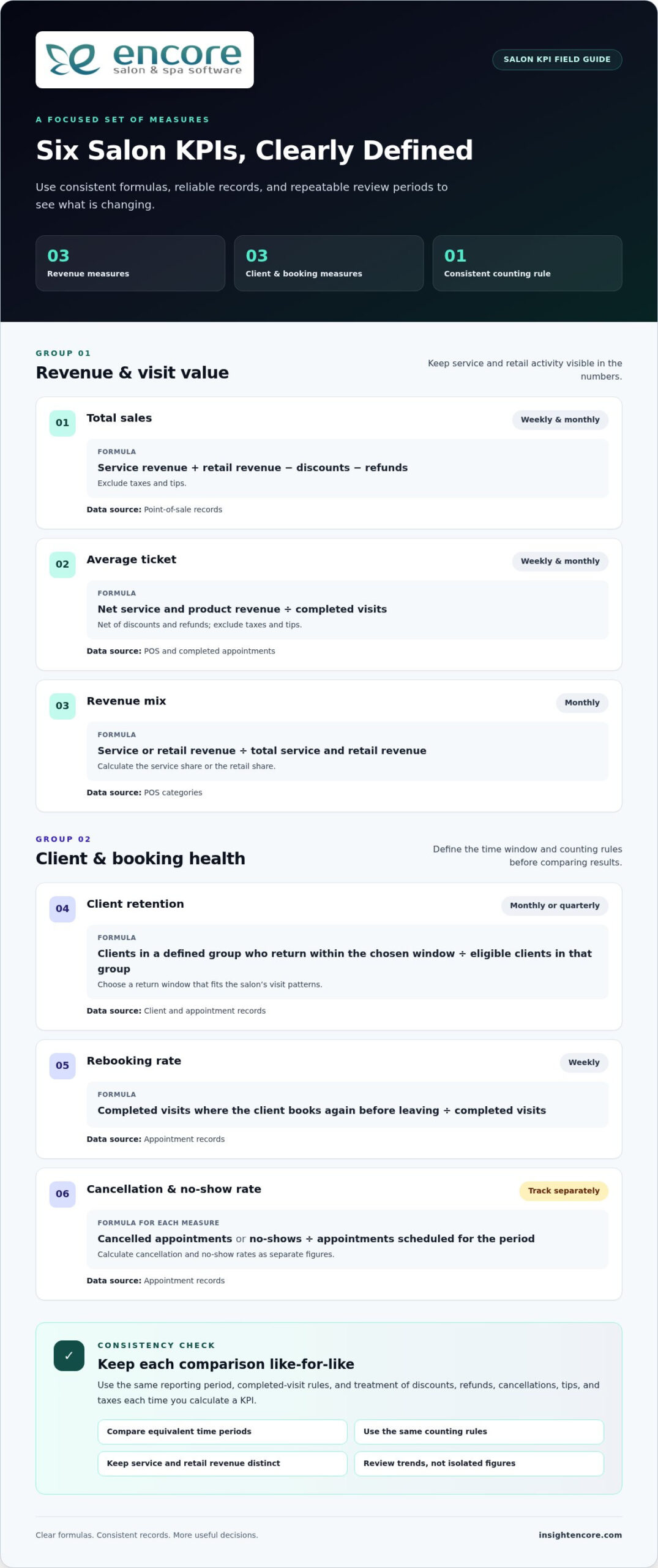
Categories
Uncategorized

Spa Marketing Automation Examples: 10 Ideas to Build Client Loyalty in 2026

What if the best way to bring spa clients back isn’t another generic promotion, but a timely message that fits their client journey? When manual follow-ups compete with appointments and daily operations, messages can go out too late, too often, or without a clear reason. The most useful spa marketing automation examples start with a client’s needs, not a calendar of blasts.

It makes sense to be careful: outreach that feels impersonal can weaken the relationships your spa works hard to build. Automation should make follow-up more thoughtful, not make clients feel like names on a list. This guide shares practical campaign ideas and explains when each may work best, so you can choose messages that feel relevant and useful.

Explore 10 examples across the client journey, from welcome and post-visit messages to rebooking reminders, win-back campaigns, and loyalty outreach. For each, you’ll see what client information can guide the timing and what to measure. You’ll also learn how to start with a manageable plan and review it over time, using connected booking, client management, marketing, and loyalty tools to keep campaigns organized.

Key Takeaways

  • Build campaigns around client actions and stages, so messages feel timely and relevant rather than like generic promotions.
  • Use spa marketing automation examples as adaptable starting points, then tailor each message to its audience, purpose, and timing.
  • Choose one campaign goal and track a fitting measure, such as rebooking or response, to see whether clients find it useful.
  • Compare software by how clearly it connects client records, booking context, campaign controls, and reporting.
  • Connected booking, client management, marketing, and loyalty tools can help organize spa workflows. Confirm which triggers and channels a platform supports.

Why spa marketing automation works best across the client journey

A client’s relationship with your spa doesn’t begin and end in the treatment room. It may start when they discover your services, continue as they book and visit, and grow through useful follow-up and future appointments. Marketing automation can help you communicate at those moments without relying on someone to remember every task manually.

Spa marketing automation is software-supported messaging or tasks that begin when a client takes an action or a chosen time condition is met. A one-off campaign goes to a selected group at a particular time; an automated workflow responds to a defined client moment. This reflects the broader idea of marketing automation, where software helps coordinate marketing tasks and communication.

The distinction matters. Automation isn’t a reason to send more promotions. It’s a way to make communication more useful: booking information when someone schedules, a thoughtful check-in after a visit, or a relevant reminder after a client-defined interval. The best spa marketing automation examples fit the service and the client’s expectations rather than treating every client alike.

Which spa moments are useful automation triggers?

Start with moments that give a message a clear purpose. A booking can prompt practical appointment information. An appointment completion may prompt a follow-up. A client-defined interval can cue a relevant return-visit reminder, while an inactive-client period may prompt a gentle check-in. These are possible workflow ideas, not a universal schedule. Choose triggers that make sense for your services and how clients prefer to hear from you.

Keep operational messages distinct from promotional ones. Operational communication helps a client manage an existing appointment or understand what happens next. Promotional communication invites them to consider another service or offer. The purpose affects the content, timing, and permissions you need to check before sending.

How can automation still feel personal?

Personal doesn’t have to mean overly familiar. Use preferences or service history only when they’ve been appropriately recorded and are relevant to the message. A simple reference to the service a client booked can feel more considered than a generic offer. Adding unnecessary personal details, however, may feel intrusive.

Keep every message warm, specific, and easy to understand. Make the next step clear, and respect the client’s communication permissions and stated preferences. For promotional outreach, ensure your process reflects applicable consent requirements and makes preferences or opt-outs clear.

Connected booking and client-management records may help a spa organize context for follow-up, while marketing and loyalty tools can support related workflows. Before choosing software, confirm which triggers and communication channels it actually supports. The goal is a client journey that feels thoughtfully supported, not a larger volume of automated messages.

Spa marketing automation examples for booking, follow-up, and rebooking

Use these workflows as starting points, not guaranteed revenue drivers or a universal message schedule. The right trigger and timing depend on your spa’s services, policies, and client expectations. For more help assessing booking workflows, consult a spa booking software buyer’s guide.

What can a spa automate before and after an appointment?

Begin with practical messages that support an appointment already on the books. Keep each one clear and focused on what the client needs next.

  • Booking confirmation: Trigger it when an appointment is booked. Send the appointment details and explain how to request a change. Review delivery and how often clients use the stated process to handle changes.
  • Appointment reminder: Trigger it as the appointment approaches, with timing chosen to fit your policies and client preferences. Its purpose is to help clients remember and prepare. Review responses, changes, or missed appointments to assess whether the timing and wording are useful.
  • Post-visit check-in: Trigger it after a completed appointment when follow-up makes sense for the service. Invite the client to share feedback or ask a question. Measure replies or feedback received rather than assuming every treatment needs the same message.

These are operational communications: they help clients manage an existing appointment. Keep them distinct from promotional messages, which invite a client to consider another visit or service.

How can spas encourage the next visit?

A rebooking prompt should relate to the service and arrive at an interval the spa considers appropriate. Avoid treating one schedule as right for every client. A message can invite the client to book again without implying they need a service or assuming a particular result.

  • Service-relevant rebooking: Trigger it after a spa-selected interval has passed since a completed visit. Send it to clients who received that service, with a warm, optional invitation to view booking availability. Measure return bookings among the clients who received the prompt.
  • Relevant next-step suggestion: Trigger it after a visit when a suitable recommendation is supported by the service and the client’s recorded preferences. Keep the message informative, and measure replies or bookings linked to the recommendation.

Gift-related follow-up has a different audience and purpose. After a gift card purchase, for example, a spa might send useful information about how the recipient can use it. Explore gift card management tools when planning that workflow.

Review each campaign’s responses and client feedback. Adjust or pause messages that feel mistimed, irrelevant, or repetitive. The aim is thoughtful follow-up, not more contact for its own sake.

Spa automation examples for retention, win-back, and client loyalty

Retention messages work best when they recognize why a client might value hearing from your spa. A service follow-up can invite feedback, a win-back note can reopen a conversation, and a loyalty update can acknowledge participation. Seasonal education can offer helpful context without turning every change in season into a sales pitch. These spa marketing automation examples are options to adapt, not fixed schedules or promises of results.

Automation should support a human experience, not replace thoughtful service. Use a message to make the next interaction easier or more relevant, then leave room for a personal response when a client has a question or concern.

Trigger Appropriate message Intended client value Measurement option
Visit completed A brief service follow-up or invitation to share feedback, when appropriate A simple way to give input or ask a question Replies or feedback received
Spa-defined inactive period A warm check-in or relevant service reminder A useful, low-pressure prompt to reconnect Responses or return bookings
Loyalty participation changes A clear update about the client’s loyalty activity Recognition and a better understanding of the program Client engagement or questions about the program
Seasonal point chosen by the spa Practical education related to services or client interests Helpful information without an unnecessary sales push Engagement with the message or related inquiries

These measures are options, not industry benchmarks. Choose a spa-defined target for each campaign, then review results alongside client feedback. If a message gets little response or draws complaints, reconsider its timing, relevance, or audience.

What does a respectful win-back message look like?

Define “inactive” using a timeframe that fits the service cycle at your spa. A client who hasn’t returned within that period could receive a friendly check-in or useful reminder, without an assumed discount or pressure to book. If clients don’t engage, stop or adjust the outreach according to your communication policy. Respecting silence helps keep future contact welcome.

How can loyalty campaigns add value without over-messaging?

Send loyalty updates when there’s something useful to share, rather than repeating sales prompts. A clear note can recognize participation or explain relevant program information without inventing rewards or mechanics. Beyond loyalty updates, date-based triggers such as automated birthday greetings for salon clients offer another way to acknowledge clients personally without adding manual work. Encore offers loyalty programs alongside automated marketing capabilities. If you’re comparing software, review its automated marketing and loyalty features, and confirm which triggers and channels are supported.

Keep the experience personal by using only appropriately recorded client information and honoring communication preferences. A smaller number of relevant messages can serve clients better than frequent outreach that asks for their attention without offering something useful.

Spa Marketing Automation Examples: 10 Ideas to Build Client Loyalty in 2026

How to choose spa marketing automation examples and measure them

The most useful spa marketing automation examples solve a clear communication problem and give you a way to assess whether the workflow is helping. Start small. A campaign that’s easy to understand, check, and adjust is more manageable than several automations launched at once.

Use this sequence to shape one workflow:

  • Choose one goal: For example, reduce missed appointments or encourage clients to return.
  • Define the audience: Select clients for whom the message is relevant.
  • Set a trigger: Choose a recorded action or spa-defined timing condition.
  • Write the message: Make its purpose and next step clear.
  • Select a channel: Use a method that suits the message and client permissions.
  • Pick a measure: Decide what response or outcome you’ll review.

Booking information can provide useful context for appointment-related workflows. A salon client booking portal guide may help you consider how booking details fit into the client experience. If you’re evaluating software, look for usable client records, relevant booking context, control over campaign audiences and timing, and reports your team can interpret. Confirm which specific triggers and channels are available before relying on them.

Which metrics can a spa track for each campaign?

Match the measure to the message. For booking reminders, review attendance or rescheduling when those records are reliable. For retention outreach, consider rebooking, repeat visits, replies, and opt-outs. Campaign activity, such as messages sent or opened, isn’t the same as a business outcome. A change in bookings may have other causes, so avoid crediting automation alone. To go further, measuring salon marketing ROI can help you separate campaign-driven visits from business that was already likely to happen and assess what each promotion actually contributed.

Set any performance target yourself, based on your spa’s goals and starting point. Then compare results over a useful review period and note client feedback, not just counts.

How should a spa start without overwhelming the team?

Pick one recurring communication problem staff can describe clearly. Draft the message and review it manually before automating delivery. Check that the audience, wording, timing, and next step make sense. Assign an owner to monitor accuracy, client responses, and the effort required to keep the workflow working. Once the process is dependable, decide whether to refine it or test another campaign.

This measured approach helps you improve without adding unnecessary work. Encore brings online booking, client management, automated marketing, and loyalty programs into one platform. Review whether its capabilities fit your workflow and verify the triggers and channels you need.

Explore Encore for spa marketing workflows

How Encore can support a more organized spa marketing workflow

It’s easier to plan relevant client communication when booking details, client records, and marketing activities are organized together. Encore serves spa and beauty businesses with online booking, client management, automated marketing, and loyalty programs. These capabilities can help a spa coordinate its workflow, such as keeping booking context accessible while planning communications for clients.

That organization is a starting point, not a strategy by itself. Your team still decides who should receive a message, what it should say, and whether the timing suits the service and client. Software can support the process, but it doesn’t replace consent, good judgment, or personal care.

What should spa owners confirm in a software evaluation?

Ask the provider to show how client records, online booking, marketing tools, and loyalty programs work together in practice. A system’s feature list matters less than whether staff can use the information to manage the workflow you have in mind. When evaluating how transactions, client notes, and inventory connect at checkout, it may also be worth reviewing what’s involved in upgrading from a cash register to a POS system to understand what a more connected setup can support.

  • Campaign control: Can your team choose or adjust the audience and timing?
  • Channels and triggers: Which communication channels and campaign triggers are available? Confirm the specific options directly with the provider.
  • Reporting: Can you understand what was sent and review the responses or outcomes that matter to your spa?
  • Team fit: Does the workflow suit your services, staff responsibilities, and clients’ communication preferences?

Bring a real example to the evaluation. For instance, map the information your team would need to send a relevant follow-up after a visit. Check where that information is recorded, who reviews the message, and how you’d know whether the process is working. This helps reveal gaps before you commit to a workflow.

When is it time to explore Encore?

If coordinating bookings and repeat-client communication across separate processes is creating extra work, it may be worth seeing how Encore’s capabilities fit together. Encore offers spa and beauty business software, not a full-service marketing agency. Before relying on a particular automation, confirm the triggers, communication channels, and reporting available for your needs.

The spa marketing automation examples in this article can help you identify a first workflow to evaluate. Choose one that addresses a clear client or team need, then assess whether the tools support it without adding unnecessary complexity. Keep client preferences and thoughtful service at the center. You can explore Encore and its spa workflow tools as part of that evaluation.

Build a more thoughtful client journey, one step at a time

The strongest spa marketing automation examples aren’t about sending more messages. They help your team communicate at useful moments, with content that fits the client and a clear way to review how it’s received. Start with one workflow, define what you want it to do, and adjust based on client responses and your team’s experience.

Good tools can make that work easier to organize. Encore includes online booking, client management, automated marketing, and loyalty programs, bringing key parts of the spa workflow into one platform. As you evaluate the fit, confirm that its available campaign controls and channels support the approach you have in mind. Automation can support your relationships, while your team’s thoughtful care keeps them personal.

You don’t need to automate everything at once. Choose a useful place to begin, learn from the response, and build a client journey that feels considered at every step.

Frequently Asked Questions

What are examples of marketing automation for a spa?

Examples include booking confirmations, appointment reminders, post-visit feedback requests, service-relevant rebooking prompts, loyalty updates, and check-ins for clients who haven’t visited within a spa-defined period. These spa marketing automation examples work best when each has a clear audience and purpose. Before launching one, decide what client need it serves, what information it relies on, and how you’ll tell whether it’s useful.

How can a spa automate client follow-up after an appointment?

A spa can use appointment records to organize a follow-up for clients who’ve completed a visit, if the software supports that workflow. First decide whether follow-up is appropriate for the service, then write a brief message that offers a useful next step, such as a way to share feedback. Review the wording and recipient criteria, and make sure the message respects client permissions and preferences.

Can spa marketing automation help bring clients back?

It can support return visits by helping a spa follow up with relevant clients at a time that fits its service cycle. For example, a spa might identify clients who haven’t booked again within a timeframe it defines, then send a considerate check-in rather than assuming they want a promotion. Review resulting bookings and replies, but remember that automation supports outreach; it can’t guarantee a client will return.

How often should a spa send automated marketing messages?

There’s no single schedule that suits every spa or client. Set timing according to the purpose of each message, your services, client preferences, and communication permissions. Avoid sending multiple messages that repeat the same request or arrive too close together. Review client responses, opt-outs, and complaints for signs that the pace or content needs to change, and pause messages that no longer feel relevant.

What should a spa measure in an automated marketing campaign?

Choose measures that match the campaign’s purpose. For appointment communications, review reliable attendance or rescheduling records. For retention outreach, consider replies, repeat visits, rebookings, and opt-outs. Opens or clicks can show interaction, but they don’t prove a campaign caused a business outcome. A practical approach to measuring salon marketing ROI can help you account for discounts, compare channels consistently, and avoid giving one promotion credit for a client’s ongoing loyalty. Compare results with your spa’s own goals and context, and treat targets as internal benchmarks rather than universal standards.

Does spa marketing automation replace personal client service?

No. Automation can help organize routine communication, but it can’t replace a staff member’s judgment, attentive treatment, or personal response to a client’s question. Use it to handle appropriate, predictable tasks, and give clients a clear way to get help from your team when they need it. Keep messages accurate and considerate, and review feedback so your communication continues to reflect the experience your spa wants to provide.

Explore Encore for your spa marketing workflow

Disclaimer

This article is general in nature and may contain errors, please verify all claims with your sales rep
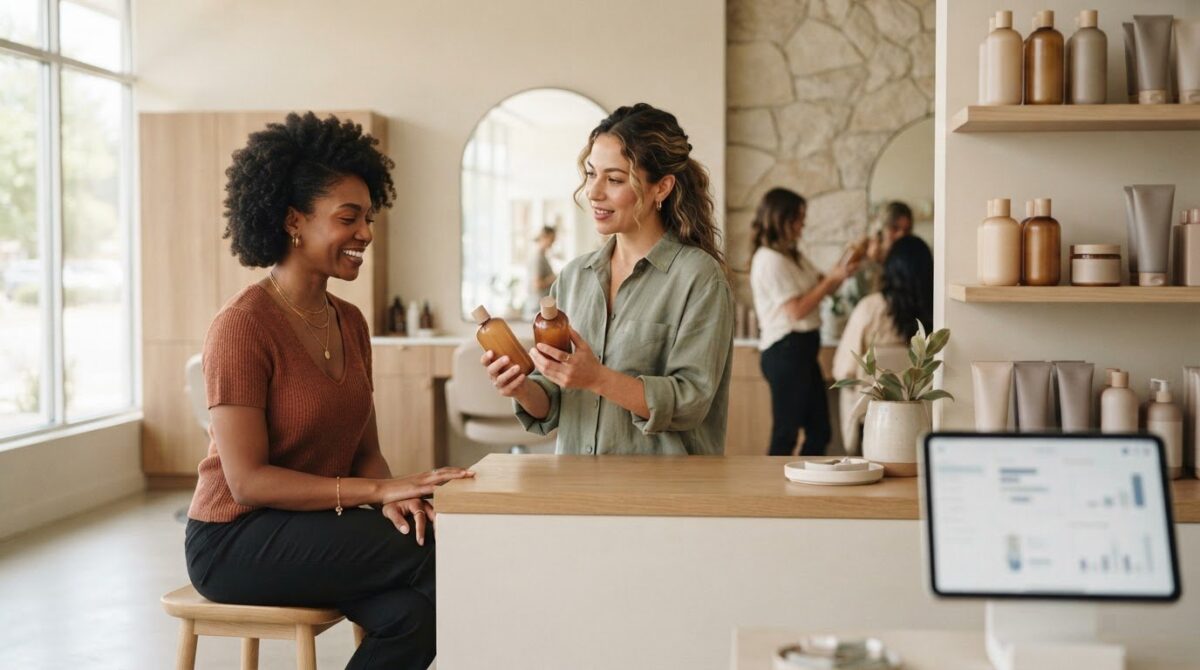
Categories
Uncategorized

How to Set Up Automated Birthday Greetings for Salon Clients in 2026

What if your salon could remember every client’s birthday without adding another task to your already full day? Automated birthday greetings for salon clients can make that possible, but the message should still feel like it came from your team, not a bulk mailing list.

Tracking birthdays manually can be tiring, and it’s reasonable to worry that automation might feel cold or spammy. Done thoughtfully, a birthday message gives you a simple way to celebrate clients, invite them back during quieter periods, and keep your salon in mind between appointments.

This guide explains how to build a birthday marketing system that feels personal and is straightforward to manage. You’ll learn what information to collect, how to choose a message and offer, when to send it, and how to make booking easy. We’ll also cover how salon software with client management and automated marketing tools can help, plus basic considerations for promotional messages. With a few practical choices, you can create a repeatable process while keeping the client relationship at the centre.

Key Takeaways

  • Set up automated birthday greetings for salon clients by keeping client details accurate and choosing a system that can reduce manual work.
  • Match the channel to the message: SMS suits a concise greeting and offer, while email allows more room for imagery and service ideas.
  • Make each greeting personal with a warm tone, a relevant treat, and wording that sounds like your salon.
  • Consider a birthday-month offer to give clients more flexibility to book and redeem it.
  • Track redemptions and bookings to learn which messages encourage clients to return.

The Psychology of the Personal Touch: Why Birthday Marketing Works

A birthday message can do more than fill a quiet appointment slot. It shows clients you remember them as people, not just as services on the books. That gesture can build goodwill and give them a natural reason to consider booking. It won’t guarantee a visit, but it can put your salon top of mind.

This is the idea behind relationship marketing: building lasting client relationships through relevant, thoughtful communication rather than focusing only on the next sale. Automated birthday greetings for salon clients can support that approach when the message sounds sincere and any offer feels optional, not pressuring.

The Emotional Connection in Beauty and Wellness

Salon visits are personal. Clients trust you with their appearance, preferences, and time, which gives your team an opportunity to make milestones feel meaningful. A message that says, “We hope your day feels special,” has a different tone from a generic discount blast. Keep the greeting warm, use the client’s name when you have it recorded accurately, and make the offer secondary to the celebration. Consistent, thoughtful messages can build familiarity over time.

Combating the “Slow Month” with Birthday Peaks

Birthdays fall throughout the year, so a birthday-month offer can create booking opportunities beyond major holidays. Compare client birthday dates with your appointment calendar to identify quieter periods and plan messages in advance. Rather than rely on broad claims about how birthday marketing affects retention, measure your own results. Track offer redemptions, return visits, and bookings during the periods you want to improve.

Encore Salon & Spa Software combines client management with automated marketing and loyalty programs, giving salons tools to organize client outreach. You can explore how to record client details and plan milestone messages, then confirm which birthday-date and campaign options are available in your setup. The value of a greeting may extend beyond one appointment: it can encourage a client to return and remind them of the care they receive from your team. Review the response over time to see whether the campaign supports repeat visits.

How to Set Up Your Automated Birthday System in 4 Steps

A reliable birthday campaign starts with accurate records and a clear plan, not complicated technology. Use these four steps to create automated birthday greetings for salon clients that feel thoughtful and are manageable for your team.

Collecting Quality Data at the Front Desk

When a new client books, ask whether they’d like to share their birthday and explain that you may use it to send a greeting or offer. Include a birthday field in your intake process, but let clients skip it. A salon booking and management system can help organize client details, and a booking portal may give clients a convenient way to review or update their information. Collect only what you need, limit staff access to client records, and follow the privacy and messaging rules that apply to your salon. The Australian Government’s Manage customer relationships guide also explains how customer records can support more relevant communication.

  • Step 1: Clean your database. Check for missing or incomplete birthday dates, duplicate records, and outdated contact details. Ask permission before using birthday information for marketing, and establish a simple process for correcting records.
  • Step 2: Choose your channel. SMS is suited to a brief greeting and direct booking prompt. Email gives you more room for salon imagery, service ideas, and a fuller message. Use a channel the client has agreed to receive, and check that your software supports the delivery method you choose.
  • Step 3: Set the trigger. Decide when the message should be sent. A week before the birthday is one practical starting point: it gives clients time to plan without making the reminder feel last minute. It won’t suit every salon, so compare it with a birthday-month message or a greeting on the day itself.
  • Step 4: Choose the offer and expiry. Select a clear, simple birthday treat and set an expiry date that gives clients a reasonable booking window. Spell out the terms so clients and staff know how redemption works.

Configure, Check, Then Switch It On

Before launching, preview the message on a phone and in an email inbox. Check that the client’s name, timing, offer details, and booking instructions appear correctly. Send a test to your own contact details first. To prevent duplicate messages, use one primary birthday trigger, look for overlapping campaigns, and review who will receive the message. If your system allows it, begin with a small test group and check delivery and bookings before expanding. Encore’s Automated Marketing & Loyalty Programs can support more organized outreach; confirm the available trigger and channel settings for your setup.

Crafting the Perfect Birthday Message: Templates and Offers

A good birthday message starts with the client, not the promotion. Keep the greeting warm, make the offer easy to understand, and give the client one clear next step. These examples are starting points for automated birthday greetings for salon clients. Adjust the wording to suit your team, and test personalization fields before sending.

Two Ready-to-Adapt Templates

Short and sweet SMS: “Happy birthday, [First Name]! Treat yourself to a little extra care this month. Enjoy [birthday offer] when you book by [expiry date]: [booking link]. Hope you have a wonderful day, [Salon Name].” Keep the text brief, include one clear offer, and check that the booking link works on a phone.

Visual storyteller email: Use your salon’s current branding, a welcoming subject line such as “A birthday treat from [Salon Name],” and a layout that’s easy to read on mobile. Start with a personal greeting, explain the offer and its terms, then add a clear booking button. For example: “Happy birthday, [First Name]! We’d love to help you celebrate with [birthday offer]. Book by [expiry date] and choose a time that works for you.”

Before launching, send test messages to check how names, dates, stylist details, and links appear. If you don’t have a reliable stylist name, sign off from the salon instead of leaving a blank or broken placeholder.

Choose Offers That Fit Your Clients

Possible birthday treats include a discount on a service, a complimentary deep-conditioning add-on, or extra loyalty points. A service add-on can feel like a thoughtful upgrade while keeping the focus on the salon experience. The right choice depends on your services, margins, and what clients value. If you offer special rewards to a segment of clients, define eligibility clearly and apply it consistently.

  • Birthday-month pass: Gives clients flexibility to book around work, family, and existing appointments.
  • Birthday-week offer: Creates a shorter booking window and a timely reason to act, but may not suit clients who plan ahead.
  • No-strings-attached greeting: Send a simple birthday wish without a discount or booking request. This can feel especially sincere when your goal is to recognize the client, not prompt a purchase.

Professional and friendly means being clear about the offer while writing with the warmth you’d use in a genuine conversation. For a tattoo studio, tailor the language to its clients and services rather than reusing salon-specific copy. Explore tattoo studio software as a starting point for understanding that specialized setting.

How to Set Up Automated Birthday Greetings for Salon Clients in 2026

Timing and Personalization: 2026 Best Practices

A birthday greeting works best when it arrives early enough to help a client plan, but not so early that it feels disconnected from the occasion. A birthday-month offer gives clients flexibility to choose a date that suits them, including a date before or after the birthday if their schedule is busy.

Give Clients Time to Book

Try sending the first greeting about a week before the birthday. This gives clients a chance to book ahead, whether they want a fresh style for a celebration or simply a moment of self-care. If you offer a birthday-month promotion, state the final redemption date clearly rather than implying that clients must visit on their birthday.

Make the next step simple. Link directly to your online booking module if it supports the booking path you want clients to use. Test the link on a phone before sending, and check that it takes clients to a clear appointment option.

Personalize with Purpose

Useful personalization reflects what you know about a client without making the message feel overly familiar. Review service history and preferences to shape a relevant suggestion. For example, a client who regularly books blowouts might appreciate, “Ready for your birthday blowout?” A client who visits for nail services could receive a greeting tailored to that experience. Mention a preferred stylist only if the information is reliable; otherwise, keep the greeting salon-wide.

Use purchase history to shape product recommendations only when the record gives you a sensible reason. Don’t assume every client wants the same service or product, and don’t imply that software provides specific recommendations unless your system supports that feature. For more relevant messages, group clients by service or visit pattern and adjust the wording for each group. Even small changes can make a birthday email feel more thoughtful than a generic broadcast.

Coordinate Channels and Respect Preferences

SMS can deliver a concise birthday greeting and booking prompt, while email allows more room for service ideas and salon imagery. If you use both, give each message a distinct purpose. For instance, send an email with ideas for a birthday visit, then use a brief text to share the offer or a booking reminder. Avoid repeating the same copy across channels, and don’t message clients who have opted out of that channel.

Handle opt-outs promptly and without pressure. Keep contact preferences current, remove unsubscribed recipients from future marketing messages, and make any available unsubscribe option easy to find. Respecting a client’s choice protects trust, even when it means sending fewer birthday offers. A well-timed, relevant message is more useful than a crowded inbox.

Explore Encore for automated salon marketing

Measuring Success: Turning Greetings into Revenue

A birthday campaign should do more than send a pleasant message. Track whether it leads to bookings, offer redemptions, and ongoing engagement. Clear measurement helps you improve automated birthday greetings for salon clients without losing the personal touch.

Track Bookings and Offer Redemptions

Give each birthday offer a distinct code or checkout label so your team can record redemptions. To calculate the redemption rate, divide the number of redeemed offers by the number delivered, then multiply by 100. Compare results across different message timings or offers, but remember that redemptions alone don’t tell the whole story. Also track how many recipients booked, whether they were returning clients, and how many appointments took place during your target period.

To estimate the effect on average ticket size, compare the average spend per birthday visit with a relevant baseline, such as those clients’ typical visit spend or similar appointments during the same period. Keep the comparison consistent and account for discounts or complimentary add-ons. This gives you a more useful picture than counting gross sales alone. For a broader framework on evaluating what your promotions actually contribute, see this practical guide to measuring salon marketing ROI, which covers how to separate campaign-driven visits from bookings that would have happened anyway.

Connect Greetings to Loyalty and Gift Cards

Birthday recognition can complement your salon’s broader loyalty efforts. If your loyalty program supports birthday points, decide how clients qualify, what they can use the points for, and how you’ll record them. Confirm that your software can apply the reward as intended before promising automatic credit. If it can’t, your team can use a consistent manual process. You can also mention salon gift card options as a way for clients to treat themselves or invite someone else to celebrate with them.

Encore Salon Software includes point of sale, booking, and marketing, along with Automated Marketing & Loyalty Programs. Use the records and reports available in your setup to review birthday-related transactions and compare results over time. Check which reporting views can isolate campaign revenue, redemptions, and average ticket size rather than assuming a specific report is available. Consider the overall value of the visit and any subsequent return appointments, not just the initial offer.

Refine the Campaign as You Learn

Test one change at a time, such as a different subject line or a service add-on instead of a discount. Ask clients a simple follow-up question: “Did you enjoy your birthday treat?” Use their responses alongside booking and redemption data to decide what to keep. As your salon grows, review whether client groups, offer rules, and reporting are applied consistently across locations. Regular, small adjustments can keep the campaign useful for clients and staff.

Make Every Birthday a Reason to Reconnect

Thoughtful birthday marketing doesn’t need to be complicated. Keep client details accurate, send a warm message at a useful time, and choose an offer that suits your salon and clients. Then review bookings and redemptions to learn what’s working and refine your approach.

Automated birthday greetings for salon clients help you recognize milestones consistently while reducing the need for manual reminders. The relationship still comes first. Automation simply helps your team show up at the right moment.

Encore offers beauty-industry software with automated marketing tools and an integrated platform that brings point of sale and loyalty programs together. The right system can help you organize a birthday process that feels personal and manageable.

Explore Encore Salon Software

Start with one thoughtful greeting, then build from there. Your next client celebration can be the beginning of a stronger salon relationship.

Frequently Asked Questions

Is automated birthday marketing really effective for small salons?

It can be a practical way for a small salon to recognize clients and encourage return visits, but results depend on the message, offer, and client preferences. Automated birthday greetings for salon clients reduce manual reminders and help you communicate consistently. Start with a simple greeting, then track bookings and offer redemptions to see whether the campaign supports your salon’s goals.

How far in advance should I send an automated birthday greeting?

Try sending the first greeting about a week before the client’s birthday, then compare results with a birthday-month message. An early note gives clients time to plan an appointment, while a month-long offer gives them more flexibility. There isn’t one timing that suits every salon, so test one approach at a time and review booking and redemption activity before changing your schedule.

What is the best offer to give clients for their birthday?

The best offer is one clients value and your salon can provide sustainably. Consider a relevant service add-on, a discount, or loyalty points, and make the terms easy to understand. A complimentary add-on may feel like a personal treat, while a discount is straightforward to explain. Choose one offer, state its expiry date clearly, and review redemptions alongside the value of the visits.

Can I send automated birthday greetings via text (SMS) and email?

You can use SMS, email, or both if your messaging platform supports those channels and clients have agreed to receive marketing messages through them. SMS works well for a brief greeting and booking prompt; email gives you room for images and service ideas. If you use both, make each message useful on its own and avoid sending duplicate copy close together.

What if I don’t have all of my clients’ birth dates?

You can start with the clients whose birthday information you have. Invite others to share their birthday when booking or at the front desk, explain how you’ll use the date, and let them decide whether to provide it. Don’t guess or fill in missing dates. Keep client details current so greetings reach the right person at the right time, and respect a client’s choice not to share.

How do I make sure the automated messages don’t sound like spam?

Write as you would to a valued client: use their name when the information is reliable, keep the greeting warm, and make any offer secondary to the celebration. Avoid generic, sales-heavy copy and repeated reminders. Send messages only through channels clients have agreed to use, make the booking step clear, and provide an easy way to opt out of future marketing messages.

Is there a way to track how many people actually use their birthday discount?

Yes. Use a distinct offer code or checkout label so staff can record each redemption in your point-of-sale system. Calculate the redemption rate by dividing redeemed offers by delivered offers, then multiplying by 100. Also compare birthday bookings and average visit spend with a suitable baseline. These measures help you assess whether an offer is bringing clients in and supporting revenue, not just generating clicks.

Do I need special software to automate birthday greetings?

You don’t necessarily need dedicated birthday software, but a salon management platform can make client records and marketing easier to organize. Encore Salon & Spa Software is an all-in-one platform with online booking, client management, point of sale, automated marketing, and loyalty programs. Check that any system you consider supports the birthday triggers and message channels you need, and confirm how it handles client preferences.

Disclaimer

This article is general in nature and may contain errors, please verify all claims with your sales rep
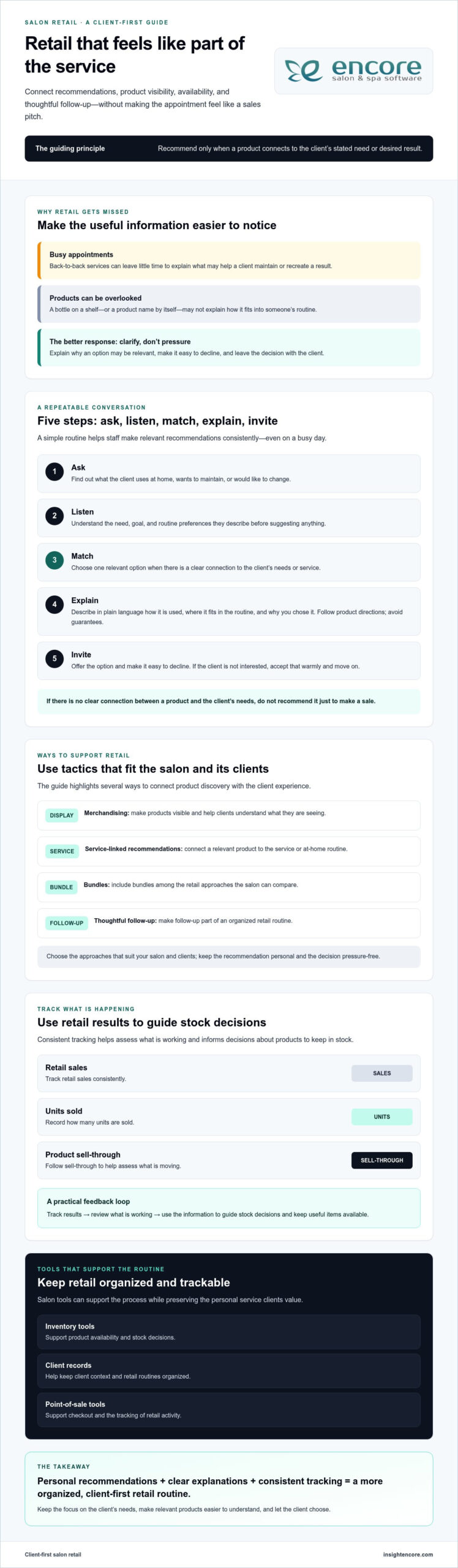
Categories
Uncategorized

Nail Salon Client Retention Ideas: Proven Strategies for 2026

Every nail salon owner knows the sinking feeling of an empty station during what should be peak afternoon hours. You invest hard-earned capital into social media ads, introductory discounts, and street-level marketing to attract new guests. They arrive, enjoy a fresh set of gel extensions or a quick pedicure, and walk out the door—never to be seen again.

Constantly chasing new patrons while ignoring existing ones is like trying to fill a bucket riddled with holes. The salon industry has shifted. Running a thriving, predictable nail business in 2026 is no longer about winning the local price war or riding the wave of short-lived viral trends. It comes down to mastering the art and science of recurring visits. By implementing intentional nail salon client retention ideas, you can transform one-time visitors into devoted regulars who fill your books weeks in advance, protect your profit margins, and advocate for your brand.

Why Nail Salon Client Retention Drives Sustainable Profitability

Client retention measures the percentage of guests who return to your salon within an established timeframe—typically within four to six weeks for nail services. While acquisition captures attention, retention creates your bottom line. Securing a steady stream of recurring appointments is the single most effective way to insulate your business from economic fluctuations and escalating advertising costs.

The math behind retention is undeniable. Acquiring a brand-new customer costs five to seven times more than keeping an existing one. New clients require marketing spend, front-desk onboarding, and extra consultation time. A returning guest already knows your pricing, trusts your sanitation protocols, and respects your schedule. More importantly, loyal clients spend roughly 67% more per visit than first-timers, actively seeking out premium nail art, seasonal upgrades, and home care retail products.

The Real Cost of Client Churn in Nail Salons

Client churn—the rate at which regular patrons stop booking appointments—is a silent profit killer. Many salon owners shrug off a dropped client as an inevitable part of doing business. However, when you look at the cumulative numbers, the loss is staggering.

Consider a client who visits your studio every three weeks for a structured gel manicure and occasional nail art, spending an average of $75 per appointment plus tip. Over the course of twelve months, that single client represents roughly $1,300 in direct service revenue. If your salon loses just three regular clients a month due to poor communication, inconsistent service, or lack of rebooking incentives, you are surrendering nearly $47,000 in annualized revenue.

Beyond the raw financial loss, client churn creates operational friction:

  • Unpredictable technician pay: Inconsistent chair occupancy frustrates your top nail technicians, leading to high staff turnover and burnout.
  • Inefficient inventory turnover: Irregular booking numbers make it difficult to forecast product purchases, resulting in either wasted supplies or costly rush orders.
  • Reliance on margin-eroding discounts: Desperate to fill sudden gaps, salons frequently turn to flash sales and promotional deals. These tactics attract bargain hunters who vanish the moment services return to full price.

Understanding the Natural Nail Maintenance Cycle

Unlike hair salons, where a guest might wait eight to twelve weeks between appointments, nail studios operate within a rapid, biologically enforced schedule. Natural human fingernails grow approximately 3 to 3.5 millimeters per month. As a result, gel manicures, builder gel overlays, and acrylic enhancements experience physical structural imbalances after two to three weeks.

When an enhancement grows out past its apex, the stress point moves toward the free edge. This imbalance leads to premature lifting, painful breakage, and potential damage to the natural nail plate. Educating your guests on this physical reality transforms your marketing message. You are not simply asking them to buy another appointment; you are prescribing necessary maintenance to preserve the health, safety, and beauty of their natural nails.

When you align your operational rebooking workflows with the two-to-three-week biological growth cycle, rebooking ceases to feel like a high-pressure sales pitch. Instead, it becomes a seamless extension of your professional client care.

Elevating the In-Salon Experience: Service Standards That Retain Clients

Marketing and automated reminders can prompt a client to return, but they cannot compensate for a lackluster in-person experience. True client loyalty is earned at the station. Retaining modern nail clients requires setting an elevated, consistent standard from the moment someone steps past your threshold until they finalize their payment.

Hospitality and Station Comfort Standards

Clients do not just pay for polished nails; they pay for how your space makes them feel. In a fast-paced world, an hour spent getting a manicure or pedicure is often one of the few moments of genuine personal downtime a person experiences all week. Every sensory detail shapes their perception of your value.

Consider the physical touchpoints that set an exceptional studio apart from an average one:

  • Ergonomic comfort: High-density memory foam wrist rests and supportive technician seating eliminate physical strain for both the guest and the nail artist during meticulous detail work.
  • Clean air and dust management: The modern nail consumer is increasingly health-conscious. Investing in hospital-grade, source-capture dust extraction systems and quiet air purification reassures guests that your salon prioritizes clean, odor-free air.
  • Station cleanliness: Visible, medical-grade sanitization creates instant professional credibility. Clean tools removed from sealed, sterile pouches directly in front of the guest establish an undeniable sense of trust.
  • Thoughtful hospitality: Offering a curated beverage menu—sparkling water, herbal teas, or seasonal refreshments—along with functional charging cords at every station transforms a standard service into a restorative retreat.

The Chairside Consultation and Detailed Client Notes

A rushed service with zero dialogue creates an interchangeable, transactional experience. If a client feels that any technician down the road could provide the exact same service with identical results, they have no reason to stay loyal when a cheaper alternative opens up nearby.

Instituting a mandatory two-minute chairside consultation at the beginning of every appointment completely alters this dynamic. Encourage technicians to ask targeted lifestyle and aesthetic questions:

  • “How did your last set hold up to your daily routine?”
  • “Are you spending extended time typing, gardening, or working out this week?”
  • “Have you noticed any lifting around the sidewalls or cuticle areas?”
  • “Are we looking to maintain your current length, or are you hoping to grow your natural nails longer?”

Once the service concludes, capturing these details is critical. Professional nail technicians should immediately log client preferences, allergies, cuticle sensitivities, preferred nail shapes, and the exact gel shades or nail art techniques used. When a guest returns three weeks later and their technician says, “I noticed your pointer finger had minor lifting last time, so I adjusted our bonding agent today,” the client realizes they are receiving truly customized, irreplaceable care.

8 Practical Nail Salon Client Retention Ideas for 2026

Building long-term customer loyalty requires a delicate balance of human warmth and structured business incentives. Here are eight actionable, nail-specific retention strategies designed to turn first-time guests into permanent fixtures in your appointment book.

Idea 1: Structured Front-Desk Rebooking Scripts with Immediate Incentives

The single most vulnerable moment in client retention occurs during checkout. If a client leaves your salon without their next date on the calendar, the probability of them booking within their ideal maintenance window drops precipitously. Life gets busy, nails grow out, and clients eventually book wherever they can find a last-minute opening.

Empower your front desk team and technicians with confident, non-pushy rebooking scripts. Instead of asking a vague question like, “Do you want to book your next appointment?”—which invites a polite decline—train your team to guide the process consultatively:

“To keep this builder gel balanced and prevent any lifting, we should schedule your infill between the 14th and the 18th. I have a Thursday at 4:00 PM or a Friday at 10:00 AM with Sarah. Which of those fits your schedule better?”

Sweeten the interaction by offering a modest “Same-Day Rebooking Perk,” such as a complimentary paraffin hand treatment, a free nail art accent on two accent nails, or a small credit toward their next visit if scheduled before walking out the door.

Idea 2: Tiered Frequency-Based Loyalty Programs

Traditional punch cards and generic “spend $100, get $5” programs do very little to drive consistent behavioral changes. In the nail industry, consistency of visits matters far more than an occasional large spend.

Design a tiered loyalty structure that rewards clients for maintaining their recommended booking intervals:

  • Bronze Tier (Occasional Guests): Earns baseline points on service spending and retail purchases.
  • Silver Tier (Every 3-4 Weeks): Earns 1.5x points on all services, complimentary hydration treatments, and access to last-minute waitlist openings.
  • Gold Tier (Every 2-3 Weeks): Earns 2x points, priority booking during peak holiday seasons, complimentary seasonal cuticle oil refills, and an annual birthday pampering voucher.

By rewarding visit frequency rather than just total basket size, you incentivize clients to keep their nails looking immaculate on an uninterrupted schedule.

Idea 3: Curated At-Home Maintenance Kits

Service longevity does not end when the topcoat cures; it depends heavily on how the client treats their hands at home. When a client experiences peeling or chipped polish five days after an appointment, they frequently blame the salon—even if the issue stemmed from unhydrated cuticles or cleaning with harsh household chemicals.

Equip your guests with custom at-home aftercare kits designed to extend the lifespan of their manicure. These kits can include:

  • A travel-sized, high-penetration jojoba-based cuticle oil pen.
  • An ergonomic, high-grit natural nail file for smoothing snagged edges between visits without compromising the enhancement seal.
  • A pair of durable, stylish household gloves for cleaning and dishwashing.
  • A clear instruction card outlining simple habits to preserve gel and acrylic wear.

When you provide clients with the tools and education to keep their nails looking fresh, their sets last longer, their satisfaction skyrockets, and they associate your studio with lasting quality.

Idea 4: Exclusive VIP Holiday Early-Booking Windows

The weeks leading up to Thanksgiving, Christmas, New Year’s Eve, and peak wedding season are notoriously chaotic for nail salons. During these periods, appointment slots are at a premium. Leverage this supply-and-demand dynamic to reward your most dependable regulars.

Two to three weeks before opening your holiday calendar to the general public, send an exclusive private booking link to your regular clients. Frame this as a meaningful expression of gratitude:

“You’ve supported us all year, and we want to make sure your hands look stunning for the holidays without the stress. We are opening our December calendar exclusively to our loyal regulars before general public booking begins on Monday.”

This simple perk costs your salon nothing, yet it makes your core clients feel valued, eliminates holiday scheduling friction, and fills your busiest weeks with your best-paying guests well in advance.

Idea 5: Prepaid Maintenance Bundles and Branded Digital Gift Cards

Cash flow stability improves dramatically when you transition your salon from transactional visits to recurring commitments. Prepaid service packages allow guests to purchase a bundle of three to six maintenance visits at a slight structural value—such as paying for five deluxe pedicures and receiving an included nail strengthener add-on for each visit.

Complement these packages by integrating branded digital gift cards into your checkout experience. Digital gift cards make it effortless for existing fans to treat friends, family, and colleagues to your salon for birthdays and holidays. Because the recipient arrives with prepaid credit in hand, they are far more relaxed, open to trying premium nail art or restorative treatments, and primed to transition into your permanent clientele.

Idea 6: Automated Post-Service Health and Maintenance Reminders

Clients are busy. Even when they intend to return every two weeks, work deadlines, family commitments, and personal errands push salon appointments down their priority list. Before they know it, five weeks have passed, their gel is lifted, and their natural nails are snapping.

Implement automated, intelligent follow-up communications timed perfectly to the biological nail cycle:

  • 48 Hours Post-Service: Send a quick, caring text message: “Hi Maya! Just checking in to make sure you are loving your new Russian manicure set. Remember to apply your cuticle oil daily to keep your beds hydrated!”
  • 14 Days Post-Service: If no future appointment is on the books, dispatch a timely prompt: “Hi Maya, it’s time to balance your overlay! Sarah has a few openings this Thursday and Friday to keep your natural nails strong and healthy. Click here to grab your spot: [Booking Link]”

These gentle, value-focused prompts demonstrate that you care about their nail health, taking the mental burden of remembering off the client’s shoulders.

Idea 7: Personalized Milestone Celebrations and Birthday Pampering

Generic marketing blasts feel cold and transactional. Personalized milestone communications, on the other hand, build authentic emotional connections that keep clients anchored to your salon.

Track client birth dates and visit milestones within your central software. Automatically dispatch a celebratory message during their birthday month offering a complimentary luxury upgrade—such as an aromatic sugar scrub, deep hand massage, or specialized nail stamping accent—with their booked service.

Similarly, celebrate longevity milestones: “Happy 1-Year Salon Anniversary! Thank you for trusting us with your nails over the past twelve months. Your next paraffin treatment is on us!” Celebrating these moments demonstrates that you see the person sitting at the station, not just the revenue they generate.

Idea 8: Exclusive Seasonal Polish Launches and Client Appreciation Events

Transform your nail studio into a vibrant social community by hosting intimate, after-hours trend preview events. When a brand introduces a highly anticipated autumn lacquer palette or a revolutionary chrome technique, invite your top fifty clients for an exclusive evening event.

Serve mocktails and light bites, provide complimentary express swatches or nail art demonstrations, and partner with local neighborhood businesses—such as nearby boutiques, bakeries, or florists—for door prizes and goodie bags. Encouraging guests to snap photos of their swatches and tag your studio creates authentic social buzz while solidifying a deep sense of belonging.

Nail Salon Client Retention Ideas: Proven Strategies for 2026

Automating the Retention Engine with Specialized Salon Software

Executing these eight retention ideas manually using paper appointment books and personal cell phones is an exhausting, unsustainable task. Salon owners and nail technicians are already stretched thin balancing client services, station sanitization, inventory management, and front-desk inquiries. Attempting to manually track which client needs a reminder text or who is celebrating a birthday invariably leads to dropped balls and administrative burnout.

This is where specialized management technology becomes indispensable. By centralizing operations inside modern salon management software, you can automate your communication workflows, protect technician schedules, and deliver an elevated client experience without spending hours behind a desk.

Frictionless Online Scheduling and Automated Messaging

Modern consumers expect convenience. More than 45% of beauty and wellness appointments are booked outside of regular salon operating hours—typically late at night when clients are relaxing on their phones. If your salon requires guests to call during business hours to secure an appointment, you are quietly losing business to competitors with self-service digital booking.

A sophisticated digital booking platform operates 24/7, providing real-time visibility into open chairs while respecting the specific timing, buffer zones, and technician preferences you establish. Once booked, automated confirmation texts and email alerts eliminate miscommunications.

Crucially, automated software safeguards your schedule against revenue loss. Enforcing a transparent salon client no-show policy by capturing credit card details at the time of booking reduces last-minute cancellations to near zero. If a client must reschedule, automated reminder sequences prompt them to do so well within your required cancellation window, giving your team ample time to fill the empty station.

Furthermore, automated win-back triggers rescue slipping clients before they are gone for good. If the software notices that an established regular has gone 45 or 60 days without an appointment, it can automatically deploy a gentle, friendly re-engagement message: “We miss seeing you at the studio! Come in this week and enjoy a complimentary hydrating mask with your manicure.”

Digital Client Profiles and Service History Tracking

The foundation of personalized customer service is accurate, accessible data. Relying on technician memory alone is risky, especially when a busy artist sees 30 to 40 clients every week.

Centralized client database software enables your staff to build exhaustive digital profiles that document every client preference:

  • High-Resolution Photo Archives: Technicians can snap and upload portfolio photos of custom nail art, chrome finishes, and length progression directly to the client’s file. When a client says, “I want the same nude ombre we did last September,” your team can pull up the exact image in seconds.
  • Formulations and Technique Notes: Record specific gel bases, acrylic powder blends, primer preferences, and curing requirements to ensure predictable results regardless of which artist assists them.
  • Health and Safety Logs: Track allergies to methyl methacrylate, sensitivities to acetone, or thin nail beds resulting from prior improper mechanical removal.
  • Personal Touchpoints: Note key personal details—such as children’s names, upcoming vacation plans, or beverage preferences—allowing technicians to pick up conversations seamlessly from appointment to appointment.

These organized records elevate your salon from a basic service stop into an indispensable personal retreat where guests feel completely understood and protected.

Measuring Retention Metrics to Continuously Improve Your Studio

You cannot improve what you do not measure. Many salon owners assume their retention is healthy simply because the salon feels busy on Friday afternoons. However, a full waiting room can easily mask a severe underlying churn problem if those chairs are being filled solely by expensive first-time promotions rather than returning regulars.

To secure lasting profitability and understand how to increase salon profit margins, you must regularly inspect your core operational metrics.

Key Performance Indicators for Nail Salons

Establish a monthly routine to review three vital retention benchmarks across your entire business and for each individual nail technician:

1. Client Retention Rate (CRR)

This metric reveals the percentage of unique clients who return for another paid service within a designated window (typically 30 to 45 days for nail services).

The Formula:
CRR = ((End-of-Period Clients – Newly Acquired Clients During Period) / Start-of-Period Clients) × 100

A healthy benchmark for an established nail salon is an overall retention rate between 65% and 75%. Top-performing nail artists who specialize in custom nail art, natural nail restoration, or complex extensions regularly achieve retention rates exceeding 80%.

2. Front-Desk Pre-Booking Percentage

Measure the proportion of clients who schedule their subsequent visit before completing their checkout transaction. Your salon should target a minimum pre-booking rate of 60% across all stations, with senior technicians aiming for 75% or higher. When this number dips, it immediately signals that your team requires retraining on checkout consultations and rebooking scripts.

3. Client Lifetime Value (CLV)

Client Lifetime Value represents the total net profit attributed to the entire ongoing relationship with a guest. Monitoring this metric helps you determine how much money you can safely afford to spend acquiring a new customer while maintaining robust business margins.

Turning Retention Data into Actionable Business Growth

Once you begin tracking these numbers, the insights reveal clear operational adjustments:

  • Identify Mentorship Opportunities: If a newly hired technician possesses brilliant nail art skills but struggles with a 35% retention rate, review their chairside manner and consultation style. Pairing them with a senior artist whose retention consistently exceeds 80% helps them master client communication and rebooking pacing.
  • Refine Service Offerings: If data shows that clients who book a specific express pedicure service rarely return, inspect the treatment protocol. Is the service rushed? Are the polish results chipping prematurely? Adjusting or replacing an underperforming service protects your salon’s reputation.
  • Incentivize Staff Retention Excellence: Align your team’s compensation and recognition with loyalty metrics. Consider rewarding technicians who achieve the highest rebooking rates with premium schedule choices, retail commission bumps, or advanced continuing education stipends.

When you build a salon culture centered on client retention, staff members stop viewing their work as isolated, one-off appointments. Instead, they begin treating every interaction as an investment in a rewarding, long-term professional relationship.

To eliminate manual administration and build a predictable, fully booked schedule, explore how Encore Salon Software can streamline your bookings, automate client follow-ups, and effortlessly power your retention engine.

Frequently Asked Questions About Nail Salon Client Retention

How much does customer retention impact a nail salon’s overall profitability?

Customer retention has an outsized impact on salon profitability. Extensive business research demonstrates that increasing customer retention rates by just 5% can increase overall profits by 25% to 95%. Returning clients require zero advertising acquisition spend, purchase higher-margin retail products, and are significantly more receptive to booking premium nail art and upgrade services.

What is a good client retention rate for a nail salon?

For independent nail salons and boutique studios, a healthy overall client retention rate falls between 65% and 75%. For brand-new first-time visitors, returning for a second appointment within six weeks typically hovers between 40% and 50%. Senior technicians with established clientele should consistently retain between 75% and 85% of their regular client base.

Can automated text reminders really prevent lost nail clients?

Yes. Automated text messages boast open rates near 98%, far exceeding traditional email marketing. Sending automated, personalized reminders timed to the physical nail maintenance cycle (around 14 to 18 days after an appointment) provides an effortless, frictionless prompt for busy clients to secure their slot before natural nail growth causes structural lifting and damage.

How often should a nail salon contact clients between service appointments?

Communication should always be helpful, relevant, and respectful of the client’s time. A good rule of thumb is two to three touchpoints between visits: an automated appointment confirmation upon booking, a polite reminder 24 to 48 hours prior to service, and a single check-in message two weeks later reminding them to rebook their maintenance if they haven’t already done so. Over-messaging with non-stop promotional blasts often leads to opt-outs.

What happens if a technician leaves with their regular nail clients?

While clients naturally bond with individual nail artists, strong salon operational systems help retain those patrons within your business. When your studio maintains detailed digital client profiles containing specific formula notes, photos, and personal preferences, any skilled technician on your team can step in and deliver an identical, high-caliber experience. Exceptional facility comfort, pristine sanitation, frictionless online scheduling, and salon-wide loyalty perks anchor guests to your brand, not merely to a single technician.

Is offering discounts the best way to bring back inactive salon clients?

No. Deep discounts tend to attract price-sensitive clients who leave the moment prices normalize, while conditioning your regulars to wait for a sale before booking. Instead of eroding your service margins with price cuts, incentivize inactive clients with added value. Offer a complimentary paraffin treatment, a free nail strengthener upgrade, or bonus loyalty points to encourage them to return while preserving your service’s perceived worth.

Disclaimer

This article is general in nature and may contain errors, please verify all claims with your sales rep
Categories
Uncategorized

12 Barbershop Client Retention Ideas to Boost Loyalty in 2026

Did you know that new guest visits to barbershops declined by 17% in 2025? This startling shift means that mastering barbershop client retention ideas is now the most critical part of your growth strategy. You’ve likely felt the pressure of high churn or the frustration of an inconsistent booking schedule. It’s exhausting to hunt for new faces while competing with low-cost chains. You deserve a business that feels stable and a community that truly values your craft.

We believe your focus should stay on the chair, not on chasing "lost" clients. We’re going to show you how to turn one-time walk-ins into lifelong regulars using modern tools and actionable strategies. This guide covers 12 proven methods to automate your follow-ups and build a loyal community that refers their friends. You’ll discover how to fill your calendar weeks in advance and finally get the peace of mind you’ve been working toward. Let’s move from a state of stress to a feeling of total, organized control.

Key Takeaways

  • Learn how to standardize a “Welcome Ritual” and use digital notes to make every client feel like a VIP from the moment they sit down.
  • Discover how to use automated “We Miss You” messages and birthday greetings to stay top-of-mind without lifting a finger.
  • Explore modern barbershop client retention ideas like digital point systems and VIP membership models that move beyond outdated paper punch cards.
  • Find out how to turn your shop into a local hub by hosting exclusive events and building strategic partnerships with nearby businesses.
  • Identify at-risk regulars before they disappear by tracking the right retention metrics through specialized management software.

Elevating the In-Chair Experience for Maximum Retention

The moment a client sits in your chair, the clock starts ticking on their decision to return. While great marketing brings people through the door, the physical experience determines if they stay. High-performing shops succeed because they treat every visit as an audition for the next one. This begins with a standardized "Welcome Ritual." Whether it is a signature beverage or a specific way you draped the cape, consistency builds comfort. When you remove the guesswork for the client, you strengthen the foundation of customer retention by proving your shop is a reliable sanctuary.

To truly stand out from low-cost chains, you must offer what they cannot: personalized indulgence. Small, niche add-ons like a three-minute scalp massage or a peppermint-scented hot towel treatment create sensory memories. These aren’t just services; they are barbershop client retention ideas that turn a basic chore into a luxury highlight of someone’s week. When these "extras" become your standard, you stop competing on price and start winning on value.

The Art of the Digital Consultation

Modern loyalty is built on being heard. Using tablets at the chair allows you to pull up style galleries and previous photos of the client’s best cuts. This visual confirmation builds immediate trust. Don’t rely on your memory for the details. Record specific clipper guard sizes, cowlick directions, and preferred styling products directly into the digital client profile. When a regular returns and you already know they prefer a #2 fade with a matte finish, they feel understood. Before they stand up, always set the "Next Step" by suggesting a style adjustment for their next visit based on their hair growth or upcoming season.

Standardizing Service Quality

Consistency is the enemy of churn. If a client gets a different level of service depending on which barber they book, your brand feels unstable. Create a checklist for the "Encore Experience" to ensure every staff member follows the same high standards. This includes soft skills like active listening and knowing when to keep the conversation flowing or when to offer a quiet, relaxing cut. Training your team on these nuances is just as important as technical skill. For more on operational excellence, check out our 15 Barbershop Management Tips: The 2026 Success Guide. By focusing on these barbershop client retention ideas, you ensure that every chair in your shop produces the same premium results that keep your calendar full.

Using Automation to Stay Top-of-Mind Between Appointments

The relationship with your client shouldn’t end when they walk out the door. In fact, the time between appointments is where most shops lose their regulars. While you’re focused on the precision of a fade, automation acts as your silent partner, maintaining the connection. One of the most effective barbershop client retention ideas is using SMS reminders. Research shows that shops using automated reminders and deposits can reduce no-shows by 89%. It’s a simple way to keep your schedule tight and your revenue predictable.

Beyond reminders, post-visit surveys are a powerful tool for growth. They allow you to catch a negative experience before it turns into a bad review or a lost customer. If a client felt the wait was too long or the music was too loud, you can address it immediately. This proactive approach shows you value their feedback and are committed to excellence. It’s about turning a potential exit into a reason to stay.

The Power of Automated Re-engagement

Most barbershops have a "Churn Window," which is typically between 35 and 45 days. If a client hasn’t re-booked by then, the chances of them "ghosting" your shop increase significantly. You don’t need to manually track every name on your list. Instead, set up automated "We Miss You" messages that trigger at the 40-day mark. A single, friendly sentence like, "It’s been a few weeks since your last visit, and we’d love to see you back in the chair for a fresh look," invites them back without sounding pushy. You can explore how Encore’s automated marketing features handle these workflows for you 24/7, so you never have to worry about a client slipping through the cracks.

Personalized Digital Touchpoints

Personalization is the secret to high-impact customer retention strategies. You can segment your client list based on the services they receive. For example, a client who gets a beard trim every two weeks needs different communication than someone who gets a full buzz cut every month. Send "Style Maintenance" tips via email two weeks after their service to help them keep their look fresh at home. Don’t forget the small wins, like automated birthday and anniversary greetings. Including a small incentive, like a complimentary product or a minor discount, makes the gesture feel like a genuine gift. These small touchpoints are essential barbershop client retention ideas that build a community of regulars who feel seen and appreciated. If you’re ready to see how these systems can transform your shop, you might want to see the platform in action today.

Modern Loyalty Programs: Moving Beyond the Paper Punch Card

The paper punch card is a relic of the past. It’s too easy to lose, forget, or simply ignore in a drawer. In 2026, building a resilient business requires digital barbershop client retention ideas that integrate directly with your point-of-sale system. Transitioning to a point-based system allows you to track total spend rather than just visit frequency. This rewards your highest-value clients who buy premium products or book multi-service appointments. It’s a fairer way to show appreciation and keeps your profit margins healthy while making the client feel like their loyalty is truly recognized. If you’re evaluating which technology to use, our guide to the best POS system for a small barber shop can help you find the right fit for your loyalty and payment needs.

Don’t stop at just rewarding visits. You can also reward your loyal regulars with "Account Credit" for successful referrals. This feels like real money in their digital wallet. It encourages them to return and use that credit toward their next service or a new styling product. It creates a cycle of value that keeps your chair full and your community growing without the messy math of manual discounts.

Gamifying the Barbershop Visit

Retention should be engaging. Create "Double Point Days" for your slower mid-week slots to balance your schedule. This incentivizes clients to book on a Tuesday morning instead of fighting for a crowded Saturday spot. You can also offer "Founder Member" status to your long-term regulars. Give them exclusive perks like early access to new product launches or a specific "members-only" grooming station. Finally, reward "Social Proof." If a client tags your shop in a fresh-cut photo on Instagram, add points to their account automatically. It’s free marketing for you and a small, rewarding win for them. These modern barbershop client retention ideas turn a routine appointment into an experience that clients genuinely enjoy and want to repeat. For a deeper dive into structuring these programs, explore these creative barbershop loyalty program ideas that go beyond the basics to drive real retention results.

12 Barbershop Client Retention Ideas to Boost Loyalty in 2026

Building a Community Brand That Clients Never Want to Leave

In 2026, a haircut is often viewed as a commodity. A community, however, is a destination. People don’t just stay for the precision of the blade; they stay where they feel they belong. Building a brand that resonates on a personal level is one of the most effective barbershop client retention ideas because it creates an emotional bond that a discount chain can’t replicate. When your shop becomes a hub for connection, your clients become your strongest advocates.

Start by hosting "After Hours" networking or grooming education events. These sessions transform your space from a simple service provider into a center for local culture. You could invite a local stylist to talk about beard care or host a small business meetup. You should also showcase real clients on your social media channels. Move away from polished stock imagery and highlight the actual faces in your chairs. This visibility fosters a deep sense of belonging. It turns a routine appointment into a moment of pride for the client.

Local Partnerships and Cross-Pollination

Your shop doesn’t exist in a vacuum. To grow, you should identify three local, non-competing businesses that share your target demographic. A nearby coffee shop, a boutique gym, or a craft brewery are perfect candidates. By establishing a "Regulars Exchange" program, you provide your loyal clients with exclusive perks at these partner locations while they do the same for you. These strategic partnerships build local authority and weave your shop into the fabric of the neighborhood. This approach ensures your brand is mentioned in conversations all over town.

The "Barbershop as a Third Place" Concept

The "Third Place" is the social environment between home and work where people find relaxation and community. You can achieve this by optimizing your waiting area with high-quality amenities like premium refreshments and tech charging stations. Encourage your barbers to do more than just cut hair; they should facilitate introductions between clients who have shared interests. Use your digital platforms to tell the "Stories of the Shop" rather than just showing the technical side of a fade. When you focus on the people behind the hair, you implement barbershop client retention ideas that build a legacy, not just a list of names.

Start building your shop's community today

Tracking Retention Metrics with Barbershop Management Software

You can’t manage what you don’t measure. While the craft happens in the chair, the growth of your business happens in the data. Your Client Retention Rate is the most important metric you’ll ever track. It tells you exactly how many people trust you enough to return. With new guest visits down by 17% across the industry in 2025, keeping the clients you already have is no longer just a goal; it’s a survival strategy. Using software to track these barbershop client retention ideas ensures you aren’t just guessing about your shop’s health.

Modern management tools allow you to identify "At-Risk Clients" before they disappear. These are the regulars who have broken their usual booking pattern. If a client who usually visits every 21 days hasn’t been seen in six weeks, they’re at risk. Catching this early allows you to reach out with a personalized message. It’s much easier to save a relationship than it is to start a new one from scratch.

Decoding Your Retention Data

It’s vital to distinguish between New Client Retention and Existing Client Retention. A high return rate for first-timers suggests your initial "Welcome Ritual" is hitting the mark. Conversely, if your long-term regulars are leaving, you might have a consistency issue. You should also monitor individual barber retention rates. This isn’t about playing favorites; it’s about identifying who needs more support or soft-skills training. To see how these numbers fit into your overall shop efficiency, you can learn how to calculate salon staff utilization rate for deeper performance insights. Encore’s Barbershop Software makes this easy by visualizing these complex numbers into simple, actionable dashboards.

Acting on the Insights

Data is only useful if you act on it. Set aside time for a weekly "Retention Review" with your management team. Look at the "First-Time Client Return Rate" to evaluate the impact of your current shop vibe. If the numbers are dipping, it’s time to investigate why. You can also use this data to reward your team. Instead of just tracking total sales, incentivize barbers based on their personal retention growth. This shifts the focus from "getting the next person in the chair" to "making sure this person comes back." Finally, use these metrics to make big business decisions. If your retention is high and your calendar is full, that’s a data-backed signal that you’re ready for a price increase. These barbershop client retention ideas turn your software into a dedicated mentor that guides your shop toward long-term success.

Building Your Future-Proof Barbershop

You have the tools to transform your shop from a place of high churn into a thriving community of regulars. By moving beyond paper systems and embracing automation, you reclaim your time and your peace of mind. Whether you’re standardizing your welcome ritual or launching a digital membership model, every step you take builds a more resilient business. You’ve worked hard to master your craft; now it’s time to master your growth.

Implementing these barbershop client retention ideas is about winning the moments between visits. With real-time performance dashboards and integrated marketing tools, you can identify at-risk clients before they vanish. We’ve been a trusted partner for barbers since 1991, providing the support you need to lead with confidence and professional clarity.

See how Encore’s Barbershop Software automates your retention strategy
You’re just one step away from a fully booked calendar and a business that feels organized and in control. We’re excited to see your shop reach its full potential.

Frequently Asked Questions

What is a good client retention rate for a barbershop in 2026?

You should aim for at least 44.63% of your total visits to come from returning clients. Since existing guest visits grew by 2% in 2025 while new guest visits declined by 17%, keeping your current base is vital for survival. High-performing shops often see even higher numbers. Tracking this metric monthly helps you spot trends before they impact your revenue and allows you to adjust your strategy accordingly.

How often should I send automated re-engagement emails to my clients?

You should trigger re-engagement messages based on the average time between visits, which is currently 48.5 days. Sending a "We Miss You" note around the 40 to 45-day mark is most effective. This catches clients just as they are considering their next cut. Avoid daily emails; a single, well-timed message with a direct booking link feels helpful rather than intrusive. It’s about being present without being a nuisance.

Are digital loyalty programs better than paper punch cards for barbers?

Yes, digital programs are significantly more effective because they eliminate manual tracking and the risk of lost cards. Shops using automated barbershop client retention ideas like digital points report 25% more repeat business. Digital systems also allow you to track spend rather than just visits, rewarding your highest-value clients. Plus, you get valuable data on client behavior that paper punch cards simply can’t provide to your business. To find the right structure for your shop, check out these barbershop loyalty program ideas designed to increase visit frequency and drive retail sales.

How do I handle a regular client who suddenly stops coming in?

Use "At-Risk Client" reports to identify them immediately and reach out with a personalized "Check-in" message. Sometimes life gets busy, and a friendly reminder is all they need to return. If they’ve had a bad experience, this proactive outreach gives you a chance to apologize and offer a small incentive, like a complimentary scalp massage. It shows you value the relationship more than just the transaction at the end.

Can barbershop management software really help with retention?

Absolutely, because it acts as a silent partner that handles follow-ups while you focus on the cut. It automates the 77.49% of appointments that happen online and sends reminders that reduce no-shows by up to 89%. By using real-time dashboards, you can see exactly which barbershop client retention ideas are working and where your team needs more training. It brings a level of organized control to your daily operations.

What are the most effective incentives for a barbershop loyalty program?

The best incentives focus on value-added services rather than deep discounts. Offer points for "Social Proof" like tagging the shop on Instagram, or give "Account Credit" for referrals. Perks like a complimentary hot towel treatment or a "Founder Member" status create an emotional bond. These rewards make the client feel like a VIP without eroding your profit margins. It’s about building a sense of belonging that keeps them coming back.

How do I ask my clients for referrals without feeling pushy?

The most natural time to ask is right after a successful service when the client is feeling confident. Simply mention that your best clients come from referrals and that you’d love to see their friends in the chair. You can make it even easier by automating a "Refer-a-Friend" text that offers both the existing client and the new guest a small perk. This keeps the conversation professional and focused on mutual benefit for everyone involved.

Should I offer discounts to first-time clients to encourage them to return?

It’s better to offer a "Second Visit Incentive" rather than a first-time discount. A discount on the first visit often attracts price-shoppers who won’t stay. Instead, provide a small credit or a free add-on for their next booking before they leave the chair. This encourages the habit of returning and helps you overcome the 17% decline in new guest visits seen recently. Consistency and value are the keys to long-term loyalty.

Disclaimer

This article is general in nature and may contain errors, please verify all claims with your sales rep
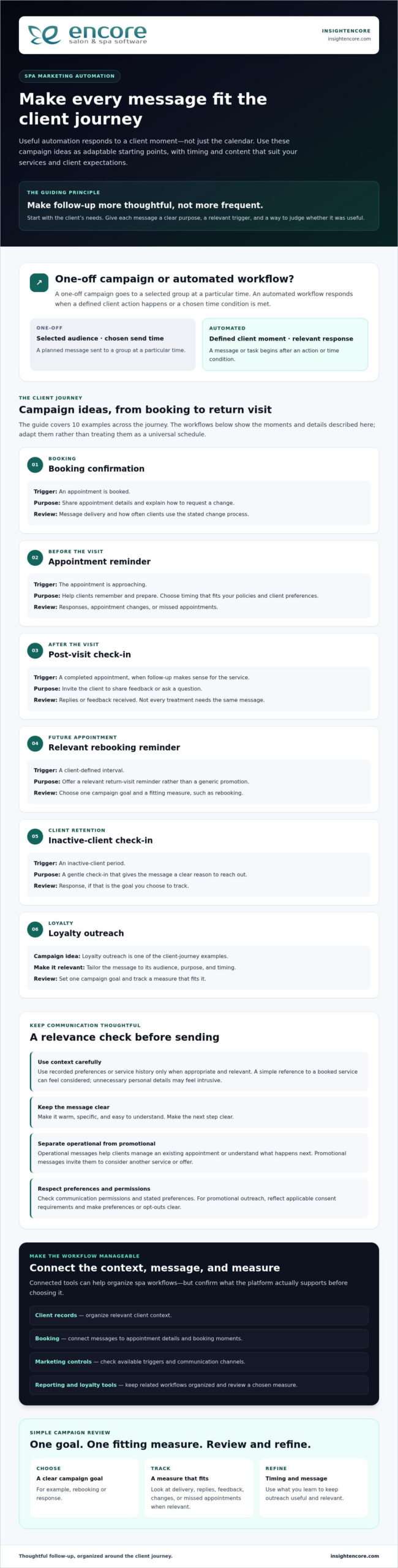
Categories
Uncategorized

The Ultimate Salon Business Health Checklist: Is Your Studio Ready for 2026?

Did you know that increasing your client retention by just 5% can boost your profits by as much as 95%? It’s a staggering figure, yet many owners spend 2026 feeling like they’re just keeping their heads above water. Between rising operating costs and the constant pressure to keep top talent from moving to salon suites, it’s easy to lose track of the actual pulse of your studio. You deserve a business that supports your life, not one that consumes every waking hour with unpredictable cash flow and booking friction.

We’ve designed this salon business health checklist to help you audit your financial, operational, and cultural vitality. It’s time to move past the guesswork and use a clear diagnostic framework to see where you truly stand. This guide will walk you through everything from meeting the latest OSHA hazard communication standards to implementing automated loyalty programs. By the end, you’ll have a clear roadmap to improve your profit margins beyond the 8% industry average and regain the work-life balance you’ve been working so hard to find.

Key Takeaways

  • Learn how to balance cash flow, staff satisfaction, and client loyalty to move from surviving to thriving in the 2026 economy.
  • Audit your profit margins against 2026 benchmarks to ensure your overhead isn’t quietly draining your service revenue.
  • Identify “dead air” in your schedule and remove friction from your booking process by using our comprehensive salon business health checklist.
  • Discover how to boost your bottom line by automating your marketing and loyalty programs to reach clients at the perfect time.
  • Verify your tech stack’s health by ensuring your POS, credit card processing, and reporting tools work together seamlessly for real-time monitoring.

The 2026 Salon Landscape: Why a Business Health Checkup is Mandatory

The 2026 beauty market moves fast. It’s no longer enough to just “keep the lights on” and hope for the best. To move from surviving to thriving, you need a deep understanding of your studio’s inner workings. Relying on gut feelings or outdated paper ledgers is a major risk to your business continuity. Manual tracking makes it impossible to spot trends until it’s too late. It leaves your business vulnerable to simple human errors that digital systems catch instantly. If your data isn’t digital, it isn’t actionable.

True vitality comes from balancing three core pillars: consistent cash flow, high staff satisfaction, and deep client loyalty. When these align, your salon becomes resilient against economic shifts. This is why a comprehensive salon business health checklist is mandatory for any owner who wants to grow rather than just exist. We’ve designed this audit to give you the clarity you need to lead with confidence.

Moving Beyond Revenue: Defining True Business Health

Revenue is a vanity metric if your expenses are out of control. You might have a full book, but are you actually profitable? True health is measured through utilization rates. This means looking at how much of your stylists’ time is actually generating income versus sitting idle. If your team is only 50% utilized, you’re paying for overhead that isn’t working for you.

Applying sound business administration principles helps you build a “Business Continuity Plan” to protect your studio from unexpected market changes. To make this work, you need a single source of truth that consolidates your data. Encore Salon Software provides that data-driven backbone, turning vague feelings of “being busy” into concrete numbers you can use to make real-time decisions.

Common Red Flags in Modern Salon Operations

Identifying problems early saves you thousands in the long run. One major red flag is a high no-show rate. This usually points to a breakdown in your client management or a lack of automated reminders. If your retail sales haven’t moved in months, it often signals a gap in staff training or poor inventory control. These issues don’t fix themselves; they require a proactive approach to management.

Keep an eye out for “operational leakage” in your daily workflow. Operational leakage is the invisible loss of profit caused by small inefficiencies like manual booking errors, unoptimized schedules, or missed rebooking opportunities. By running through a salon business health checklist, you can plug these holes before they drain your bank account. We’ll explore how to audit these financial and operational vital signs in the sections ahead.

Financial Vital Signs: Profits, Margins, and Cash Flow

Checking your bank balance isn’t a financial audit. In 2026, the average hair salon operates on a slim profit margin of about 8% to 8.2%. While top performers can push those margins toward 25%, most studios struggle with rising costs that quietly eat away at their take-home pay. Using a salon business health checklist allows you to see exactly where your money goes before it disappears. You need to know if your overhead, from rent to backbar supplies, is staying in proportion to your service revenue. If your costs are rising faster than your prices, you’re essentially paying for the privilege of working.

Hidden costs are the primary culprits of financial stress. Many owners overlook credit card processing fees, which typically range from 2.5% to 3.5% per transaction. While it seems small, this can cost a high-volume studio thousands every year. If you want to understand how to reduce credit card processing fees for small business and stop junk fees from quietly draining your margins, our 2026 guide breaks down exactly where those costs hide and how to reclaim them. Integrating your payments through Integrated Credit Card Processing can help you track these costs in real-time rather than waiting for a confusing end-of-month statement. For long-term growth, you should also look at SBA financial projections to map out your expected income and expenses for the next quarter. This foresight prevents the “feast or famine” cycle that plagues so many small businesses.

Cash Flow Stability and Expense Management

Cash flow is the lifeblood of your studio, but there’s often a painful gap between performing a service and having that cash available for bills. You need to audit your recurring expenses for “vampire” costs. These are old software subscriptions, unused marketing tools, or redundant services that no longer provide value. Small, $30 monthly charges add up quickly. By tightening your expense management, you ensure that more of your hard-earned money stays in your business. It’s about making sure every dollar has a job to do.

Profit Margins and Revenue Diversification

Healthy salons don’t rely on services alone. You should aim for a retail-to-service ratio of at least 15% to 20%. Since retail products often carry profit margins of 50% or more, they are the fastest way to boost your bottom line without adding more hours to your day. Another vital tool for stability is your gift cards strategy. Gift cards provide immediate cash flow and are excellent for filling the books during traditional off-peak months. If you’re looking for ways to streamline these numbers, you can contact our team to see how data-driven tools make financial tracking effortless.

Diversifying how you earn money makes your business resilient. When you combine high-margin retail sales with a robust rebooking strategy, your profit margins naturally expand. Don’t let your financial health be a mystery. Take control of your data today to build the profitable studio you’ve always envisioned.

Operational Efficiency: Optimizing the Salon Floor

A busy salon floor isn’t always an efficient one. If your stylists are rushing while your chairs sit empty during peak hours, you have a bottleneck. A robust salon business health checklist must include a deep dive into your daily operations. Start by auditing the friction in your booking process. How many clicks does it take for a client to secure an appointment? If the process is clunky or requires a phone call, you’re likely losing younger clients who value speed. Seamless online booking isn’t just a convenience; it’s a vital revenue protector.

Beyond the schedule, you must protect your digital assets. Your client data is one of your most valuable resources for growth. Ensuring full PCI compliance and secure data storage protects your reputation and your clients’ peace of mind. Without secure systems, a single data breach could undo years of brand building. Reliability in your tech stack allows you to focus on the artistry of your craft while the backend stays secure and organized.

Optimizing Staff Utilization and Scheduling

Dead air in the schedule is a silent profit killer. You need to identify if your current hours maximize peak revenue. Are you overstaffed on Tuesday mornings but turning away clients on Thursday nights? Measuring utilization rates helps you spot top-performing stylists and those who might need extra coaching. You can learn how to calculate salon staff utilization rate to turn these observations into hard data. High utilization means your team is productive, but not burnt out. It’s about finding the “sweet spot” where your team stays engaged without feeling overwhelmed by an impossible pace.

Inventory Control and Waste Reduction

Capital locked in dust-gathering products is capital you can’t use for marketing or upgrades. Audit your back-bar usage to prevent the “heavy pour” that drains your supplies faster than expected. A dedicated inventory management system helps you set automated reordering triggers. This prevents “out of stock” scenarios that frustrate clients and staff alike. Efficient inventory turnover ensures your cash stays liquid and your shelves stay fresh. While operational efficiency keeps the floor running, it also supports broader customer retention strategies by ensuring a consistent, reliable experience every time a guest walks through the door.

The Ultimate Salon Business Health Checklist: Is Your Studio Ready for 2026?

Client Retention and Brand Vitality Checklist

Social media followers are often a vanity metric that masks the true health of your studio. While a large following looks great, it doesn’t always translate into a stable bank account. Real vitality is measured by your Client Retention Rate (CRR). A healthy salon usually maintains a retention rate between 60% and 75%, with top performers reaching as high as 85%. If your numbers are slipping, your salon business health checklist should focus on why guests aren’t coming back. Remember, it’s five times more expensive to find a new client than it is to keep an existing one happy.

Reviewing your loyalty program is another essential step in this audit. Is your program actually driving more frequent visits, or is it just handing out discounts to people who would have come anyway? In the 2026 economy, your loyalty strategy should reward engagement and rebooking rather than just slashing your profit margins. You also need to assess your online reputation. Responding to every review shows you’re a human-centric business that cares about feedback. It builds trust with potential clients before they even step through your door.

Understanding Client Lifetime Value (CLV)

Understanding CLV is more important than tracking a single high-ticket service. CLV represents the total revenue a client brings to your studio throughout their entire relationship with you. Your management software should track these spending habits over time so you can clearly see who your most valuable guests are. Once you identify this VIP segment, you can create targeted appreciation campaigns that make them feel seen and valued. This data-driven approach ensures you’re investing your marketing energy where it will have the biggest impact on your long-term stability.

Marketing Automation and Digital Presence

Your marketing shouldn’t feel like a second job. Audit your automated email and SMS triggers to see if you’re reaching clients at the right time. “Thank you” messages after an appointment and “we miss you” prompts for clients who haven’t visited in eight weeks are simple ways to stay top-of-mind. These small touchpoints keep your chairs full without requiring hours of manual work. It’s about working smarter so you can spend more time behind the chair or leading your team.

Branding consistency is the final piece of the vitality puzzle. Your logo, colors, and tone should be identical across your social media and your online booking module. A professional, unified look builds confidence and makes the booking process feel secure. While social media is great for inspiration, your automated SMS marketing often delivers a much higher ROI because it lands directly in your client’s pocket. Mixing these digital tools creates a resilient brand that can weather any market shift.

Build a more loyal client base today

The Tech-Enabled Salon: Automating Your Health Monitoring

A common mistake in any salon business health checklist is treating software as a simple cash register. In reality, your technology is the central nervous system of your studio. You need to verify if your POS system integrates directly with your credit card processing. If these systems are disconnected, you’re forced to reconcile data manually; this invites errors and hides the true state of your margins. Integrated systems ensure that every penny is accounted for without the headache of manual entry.

Real-time reporting is another non-negotiable for 2026. Can you see your health metrics on your phone while you’re away from the desk? Waiting for a monthly report is too slow in a fast-moving market. You need to see staff utilization and daily sales at a glance. This accessibility gives you peace of mind and allows for quick adjustments before small issues become expensive problems. If you can’t monitor your business from anywhere, you’re tied to the front desk instead of leading your team.

Technology should be a tool that supports your staff, not a hurdle that slows them down. Audit how your team interacts with your current systems. If they find the software frustrating or confusing, they won’t use it correctly, and your data will suffer. Scalability is also vital. Your tech stack must be ready to support your 2026 growth, whether that means adding new chairs, hiring more stylists, or opening a second location. Your software should grow with you, not hold you back.

Leveraging Encore Salon Software for Real-Time Insights

Encore’s dashboard is designed to provide an instant business health score. It takes the guesswork out of management by turning raw numbers into clear, actionable insights. We offer specialized tools for tattoo studios, nail salons, and barber shops to ensure the features fit your specific workflow. Moving away from manual spreadsheets to automated accuracy isn’t just about saving time. It’s about having the confidence that your data is 100% correct. When your backend is automated, you can focus on the artistry and client relationships that define your brand.

Setting Your 2026 Growth Roadmap

Now that you’ve completed this salon business health checklist, use your results to set three “Non-Negotiable” goals for Q1. Maybe you need to tighten inventory control, or perhaps your focus is on boosting client retention through automated loyalty programs. Whatever the gap, technology is usually the bridge that gets you there. Scheduling a demo is the best way to see how modern tools can fill the specific needs identified in your audit. It’s time to stop wondering if your business is healthy and start knowing it is. Contact us today to start your tech-driven health check and secure your studio’s future.

Secure Your Studio’s Future with Data-Driven Confidence

Building a thriving studio in 2026 requires more than just artistic talent; it demands a clear view of your business’s inner workings. By running through this salon business health checklist, you’ve taken the first step toward moving from survival to sustainable growth. You now understand that true health is a balance of optimized staff utilization, secure client data, and healthy profit margins that exceed the industry average. It’s about making sure your hard work translates into a stable, profitable future.

Since 1991, we’ve helped thousands of beauty professionals simplify their operations. Whether you run a specialized tattoo studio, a spa, or a traditional salon, our integrated POS and credit card processing tools turn complex numbers into a simple roadmap for success. You deserve the peace of mind that comes with knowing your studio is on the right track. We’ve built our systems to remove the daily frustrations that hold you back from your true potential.

Ready to automate your salon's health check? Explore Encore Salon Software today.

You don’t have to face the hurdles of 2026 alone. With the right tools and a commitment to your studio’s vitality, you can reclaim your time and build a legacy that lasts. We’re here to help you every step of the way, providing the support you need to lead with confidence. Your journey toward a healthier, more organized business starts today.

Frequently Asked Questions

How often should I perform a salon business health checklist?

Aim for a full review every quarter. This frequency allows you to spot seasonal trends without becoming overwhelmed by data. Use a salon business health checklist monthly to monitor your cash flow and no-show rates. Regular checkups ensure you can pivot quickly if your margins slip. Staying consistent with these audits prevents small operational leaks from turning into major financial drains and keeps you focused on growth.

What is the most important KPI for salon health in 2026?

Client Retention Rate (CRR) remains the gold standard for health in 2026. Because acquiring a new client is five times more expensive than keeping an existing one, your ability to bring guests back is vital. A healthy salon targets a CRR between 60% and 75%. While revenue tells you what you’ve earned, retention tells you if your business has a sustainable future and a loyal, returning community.

How do I calculate my salon’s client retention rate accurately?

To calculate your CRR, subtract your new clients from the total number of clients at the end of a period. Divide that number by the total clients you had at the start. It sounds complex to do manually, which is why most owners use their management software to generate this report instantly. Accurate tracking helps you identify whether your stylists are building long-term relationships or just filling seats for a single visit.

Can salon management software really reduce my operating costs?

Yes, modern software reduces costs by eliminating manual errors and automating repetitive tasks. It cuts down on “dead air” in your schedule through smart rebooking and reduces no-shows with automated reminders. An inventory management system also prevents over-ordering, ensuring your capital isn’t tied up in products that don’t sell. These small efficiencies add up to a significant increase in your overall profit margins without needing extra staff.

What are the signs that my salon is financially ‘at risk’?

A primary sign of risk is a profit margin that consistently stays below the 8% industry average. Other red flags include high staff turnover and a rising no-show rate. If you find yourself struggling to cover overhead despite a busy schedule, you likely have operational leakage. Completing a salon business health checklist can help you identify if your pricing or expenses are out of alignment with your long-term studio goals.

How do I improve staff utilization without burning out my stylists?

Focus on optimizing your peak hours rather than just adding more shifts. Use data to identify the busiest times and ensure your top stylists are available when demand is highest. Automated gap-filling tools can also book short services into small openings in the schedule. This approach maximizes revenue without forcing your team to work longer hours. It’s about working smarter to protect their creative energy and your bottom line.

Is my salon data safe with cloud-based management software?

Your data is extremely secure when you use a reputable cloud-based platform. We prioritize PCI compliance and advanced encryption to protect your client records and payment information. Cloud systems are often safer than local computers because they include automatic backups and protection against hardware failure. This reliability ensures your business remains operational even if your physical studio faces an unexpected technical issue or power outage, giving you total peace of mind.

What is a healthy retail-to-service revenue ratio for a modern spa?

Modern spas should aim for a retail-to-service revenue ratio of 15% to 20%. Since retail products often have profit margins near 50%, they are essential for offsetting the lower margins of labor-intensive services. If your ratio is below 10%, it’s a sign that your team may need more training on how to recommend home-care solutions. Improving this metric is one of the fastest ways to boost your studio’s financial vitality and overall health.

Disclaimer

This article is general in nature and may contain errors, please verify all claims with your sales rep