
window.dataLayer = window.dataLayer || []; function gtag(){dataLayer.push(arguments);} gtag('js', new Date()); gtag('config', 'UA-206511945-1');
Search
Categories
Uncategorized

Salon inventory shrinkage control: causes and prevention

Inventory can appear full in your records while products are missing from the shelf. That gap between recorded stock and what you can physically count is inventory shrinkage, often estimated at 1-2% of sales. Effective salon inventory shrinkage control starts with comparing those two totals, then tracing the difference to its cause.

When products go missing, arrive damaged, expire, or aren’t recorded correctly, the result is the same: less stock available when you need it. Learn why shrinkage happens and how staff training, regular physical counts, and inventory automation can help you spot discrepancies sooner and manage stock with more confidence. Consistent tracking also turns inventory records into a practical tool for everyday salon operations.

Key Takeaways

  • Compare the stock on hand with your inventory records to spot shrinkage and understand its impact on salon operations.
  • Look beyond theft: spoilage, damage, receiving mistakes, and recording errors can all explain missing products.
  • Train staff to handle, record, and store products consistently so small process gaps are easier to prevent.
  • Use regular physical counts to find discrepancies, then investigate and correct the underlying cause.
  • Inventory management software can help keep stock records current and make patterns easier to notice.

1. What is inventory shrinkage?

Inventory shrinkage is the difference between the stock your records show and what you can physically count. Your records may show shampoo, colour, or skincare products as available even when the shelf is empty. That mismatch can delay appointments, interrupt retail sales, or lead to replacement orders. A stock audit can help determine whether the gap came from product use, damage, spoilage, a recording mistake, or an unexplained loss.

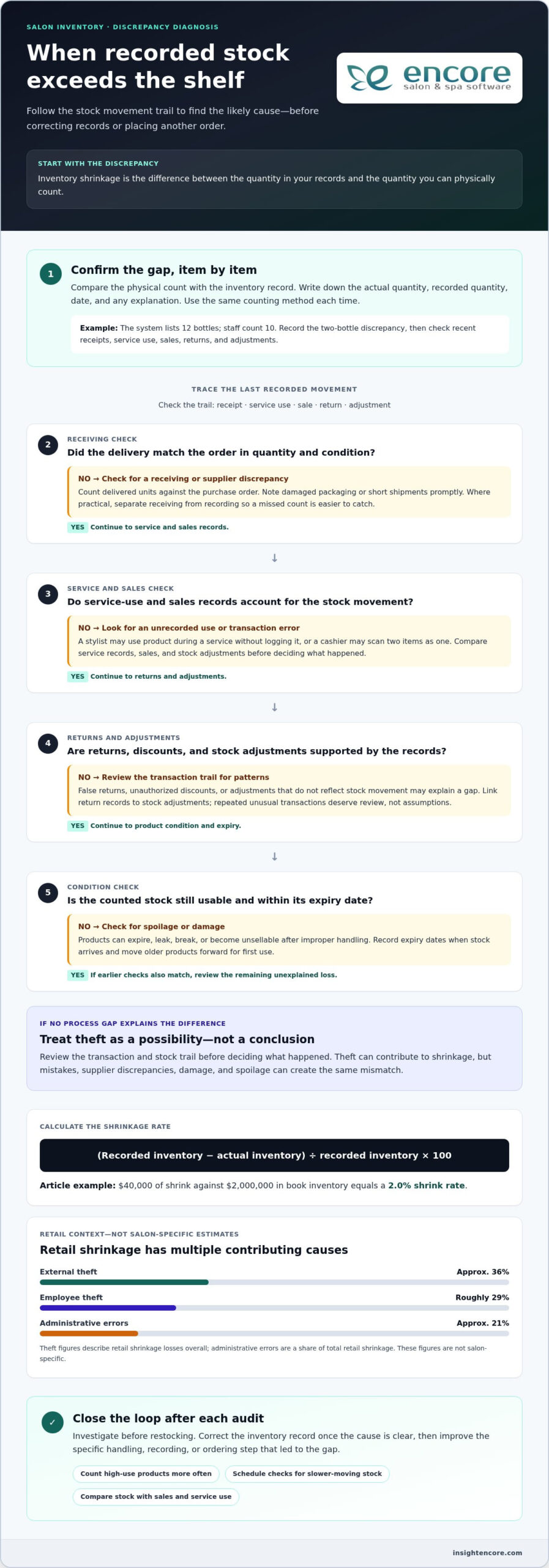
To calculate the salon inventory shrinkage rate, subtract actual inventory from recorded inventory, divide the difference by recorded inventory, then multiply by 100. For example, $40,000 of shrink against $2,000,000 in book inventory equals a 2.0% shrink rate.

Use an inventory system to keep a running record of products received, sold, used for services, returned, and adjusted. During an audit, compare that record with physical counts, item by item. If the system lists 12 bottles of a treatment product but staff count 10, record the discrepancy and check recent sales, service usage, returns, and stock adjustments. This creates a trail for investigation instead of relying on memory.

Regular audits show whether discrepancies are isolated or recurring. Count high-use products more often, and check slower-moving stock on a planned schedule. Surprise counts can also help deter theft because staff can’t predict exactly when checks will happen. After each count, record the actual and recorded quantities, the date, and any explanation. Use the same method each time so differences reflect stock movement, not changes in counting habits.

Inventory records can guide restocking. Before ordering, review recent sales and service use, then compare the proposed order with stock on hand and incoming deliveries. This helps limit over-ordering. For products with expiry dates, note the dates when stock arrives and move older items forward for first use. Review slow-moving or soon-to-expire items regularly, then adjust future orders to match demand. These steps turn audit findings into practical purchasing decisions.

For salon inventory shrinkage control, review stock and sales data together after each audit. A recurring shortage of one product may point to missed usage entries, while expired stock may indicate that orders exceed demand. Investigate discrepancies before restocking. When the cause is clear, correct the inventory record and use what you learned to improve ordering or handling. This cycle helps prevent both shortages and waste.

2. Inventory shrinkage causes

Salons lose inventory through theft, employee mistakes, damaged goods, spoilage, fraud, or supplier discrepancies. Each cause creates the same accounting problem: physical stock falls short of the recorded amount. The reason matters, though. A missing retail product may call for a different response than colour used for a service but never logged.

Theft can contribute to inventory shrinkage, but its role varies by business. Retail figures break this down further: external theft accounts for approximately 36% of retail shrinkage losses, while employee theft accounts for roughly 29%. These figures describe retail overall, not salons specifically, but they show why both customer-facing displays and staff handling deserve attention.

Employee theft can involve products taken without recording, unauthorized discounts, or items rung through incorrectly. Don’t assume every discrepancy signals theft. A stylist may use a product during a service and forget to record it; a cashier may scan two items as one. Administrative errors contribute approximately 21% of total retail shrinkage, so accurate entries matter alongside access controls. Compare sales, service records, discounts, and stock adjustments before deciding what happened.

Receiving and vendor issues create another route to inventory loss. A delivery may contain fewer units than the invoice states, or products may arrive damaged and be shelved before anyone records their condition. When stock arrives, check quantities and packaging against the purchase order. If one person both receives goods and records them, a missed count can go unnoticed. Where practical, separate these tasks and document short shipments or damage promptly.

Spoilage and damage also reduce usable stock. A product may expire in storage, leak, break, or become unsellable after improper handling. For example, placing new stock in front of older bottles can leave the older items unused until they expire. Check expiry dates when restocking and move older products forward. The loss affects profit twice: the salon loses the product and may need to replace it to serve clients.

Fraud may involve false returns, price-tag swapping, or discounts that bypass normal procedures. Look for patterns rather than treating one unusual transaction as proof. Repeated returns without matching receipts or unexplained discounts tied to specific transactions deserve review. Link return records to stock adjustments so accounting reflects what physically came back. Clear records help explain losses and protect the bottom line without prematurely blaming staff or customers.

When a discrepancy appears, trace the stock’s last recorded movement: receipt, service use, sale, return, or adjustment. This can help distinguish a process gap from theft or a vendor error. Effective salon inventory shrinkage control starts with identifying the cause, then improving the specific step where stock went missing.

3. Employee training on inventory handling

Training turns inventory procedures into consistent daily habits. Show each employee how to record product use, sales, returns, damage, and stock transfers, then have them practise with a sample service transaction. For example, after using a colour product, a stylist records the amount used before closing the client’s ticket. Linking the service record to stock movement helps prevent inaccurate balances.

Keep instructions short and accessible where the work happens. A receiving checklist can remind staff to match delivered products against the order, note damaged packaging, and record accepted quantities. A separate usage guide can explain how to log back-bar products used during services. When a process changes, explain the new steps and let employees practise them before relying on them during a busy appointment schedule.

Accountability works best when expectations are clear and applied consistently. Assign responsibility for receiving, adjustments, and closing checks, and record who completed each task. Where practical, separate receiving products from entering their quantities into the inventory record. This adds a second review point without treating every discrepancy as misconduct. Managers should review unusual adjustments with the employee who entered them and document the explanation.

Training also supports customer service. When retail stock is reserved, sold, or used for a client, staff should update the record promptly. Then other employees can check whether an item is available before recommending it. For example, a receptionist checking a product balance can avoid promising a take-home item that a stylist has already used. Accurate tracking keeps client conversations informed and salon operations coordinated.

Build security into routine instruction. Explain how to secure stock, limit access to storage areas, and report damaged or missing products without delay. Teach employees to follow the same process for discounts and returns, then review transaction records when an exception appears. Frequent, brief refreshers can reinforce these steps, especially after procedures change or a review reveals repeated entry errors. Connect the rules to inventory loss and the salon’s bottom line, not suspicion about a particular person.

For U.S. salons, employee searches and theft investigations must follow applicable federal and state requirements. There isn’t one salon-specific rule for every situation. Use documented procedures that are applied consistently, preserve relevant inventory and transaction records, and don’t treat a discrepancy alone as proof of theft. Before conducting a physical search or taking employment action, seek advice from qualified employment counsel about the specific circumstances.

Finish each training cycle with a practical check: ask staff to demonstrate a receipt, service-use entry, and return adjustment. Record who completed the steps and correct misunderstandings right away. This makes salon inventory shrinkage control part of everyday work, rather than a reminder delivered only after stock goes missing.
Salon inventory shrinkage control: causes and prevention

4. Physical inventory counts

Physical counts test whether recorded stock matches what the salon can actually use or sell. Choose a consistent counting method, count items in their usual storage locations, and record quantities before making adjustments. For example, count sealed retail bottles separately from open back-bar products. This distinction helps identify errors without treating partially used supplies as saleable units.

For salons, an inventory tracking system works best when it records product receipts, sales, returns, service use, and adjustments. Pair those records with regular physical counts, then investigate discrepancies instead of simply overwriting them. Inventory management software can help you compare counted quantities with recorded balances and review stock trends.

How often should a salon conduct inventory counts? Use cycle counts throughout the year rather than relying only on one annual count. A practical schedule is weekly counts for A-class inventory, monthly counts for B-class items, and quarterly counts for C-class items.

Apply different tracking rules to retail products and professional-use supplies. Record retail items when they arrive, sell, or are returned, then count the units available for purchase. For back-bar supplies, log product use during services and count remaining usable stock separately. This prevents service consumption from appearing as an unexplained retail shortage.

During each count, use a simple sequence: select the area, count each product, enter the physical quantity, and compare it with the system balance. For instance, $100,000 in recorded inventory and $97,000 in physical inventory produce a $3,000 variance and a 3% shrinkage rate. Recount the affected items before treating the difference as confirmed.

Variance management starts by tracing each mismatch to its last valid movement. Review recent receipts, sales, service-use entries, returns, and adjustments. If the count still differs, record the variance and investigate its likely cause before changing the balance. This preserves a useful account of what happened and helps distinguish a counting mistake from a process issue.

Cycle counting checks a small portion of stock at a time, so salon operations can continue without a full inventory shutdown. Prioritize higher-value or fast-moving items, then rotate through other products according to your schedule. Reconcile each completed count with inventory management records promptly. Repeated variances in one location or product category can show where handling or recording needs attention.

Keep counts consistent across staff by using the same item names, units, and storage map. One person might count individual bottles while another records full cases, creating avoidable discrepancies. Clear counting instructions and timely reconciliation make physical checks more useful for everyday inventory management.

5. Inventory management automation

Automation connects stock changes to the transactions that cause them. When a retail product is sold, the system should reduce its recorded quantity; when a delivery is entered, it should increase it. For a salon, this creates a clearer movement history than a spreadsheet updated only occasionally. The key is to record each event promptly, including service use, returns, damage, and corrections.

Start by creating a reliable product record for every item. Give similar products distinct identifiers, such as barcodes or GTINs, so staff can select the correct size or type. For example, two shampoos with similar packaging shouldn’t share one inventory entry. Use consistent names and units, and review the setup when products or vendor packs change.

Automation can also make internal controls easier to follow. Assign access according to staff roles, and require a reason whenever someone adjusts recorded inventory. A manager can review unusual changes against sales, returns, and receiving records. This doesn’t replace physical counts; it helps focus investigations on a specific product, transaction, or stock movement.

Use reports to spot patterns, not just current balances. Compare sales with product use, returns, adjustments, and count results. If a product repeatedly shows a shortage after a particular type of transaction, review that workflow first. Some retail businesses target shrinkage of 1% or less, but that figure isn’t a universal salon benchmark. Track your own trends consistently before setting an internal goal.

Automation can support stock rotation, too. Record expiry dates where relevant, review products approaching them, and move older stock forward for use. The U.S. Environmental Protection Agency notes that improving inventory management can help prevent product expiration and damage. Clear records help staff spot items that need attention before ordering more or leaving stock unused.

Keep the process practical: choose a few key product categories, enter accurate opening quantities, and record each movement. Compare system balances with physical counts, then correct the underlying process when discrepancies appear. Retail sales and professional-use supplies may need different transaction steps, so configure each to reflect how products move through your salon.

Automation works when the team follows consistent steps and managers review exceptions. Use inventory reports to guide purchasing, investigate recurring discrepancies, and identify items that need closer attention. This makes salon inventory shrinkage control repeatable, with recorded information supporting decisions rather than replacing staff judgment.

Explore automated inventory management

Encore Salon & Spa Software: Encore Salon Software

Encore Salon & Spa Software offers Encore Salon Software for salons looking to manage inventory alongside everyday business operations. Its inventory management tools help organize stock records and track product movement as your team sells retail items or uses supplies during services. This makes it easier to review discrepancies and connect inventory routines with the rest of salon operations.

If your business is a spa, Encore Spa Software is another salon-industry option. Chair and booth renters, as well as tattoo studios, can explore software designed for their business types. Choose a system when manual records make it difficult to keep stock information current or coordinate inventory with transactions. To discuss your salon’s needs, contact Encore Salon & Spa Software.

Make inventory decisions part of the daily rhythm

Lasting salon inventory shrinkage control comes from making stock visibility part of everyday business decisions. Use discrepancy patterns to refine purchasing, clarify responsibilities, and decide which products need closer review. As these routines become familiar, you can spend less time guessing about stock and more time making informed choices for your salon.

Choose a next step that fits your current workflow. You could start by improving how staff record product use or by connecting inventory records more closely with sales and service activity. The goal is steady progress: clearer information, more consistent decisions, and a process your team can maintain.

Explore Encore for your salon

With a practical routine and the right tools, you can manage salon stock with greater confidence, one thoughtful improvement at a time.

Frequently Asked Questions

What is inventory shrinkage?

Inventory shrinkage is stock recorded in business records that can’t be accounted for physically. At month-end, that mismatch can affect stock decisions and accounting reports. For example, if a salon records a product sale but forgets to update a return, its balance may misstate what remains. Separate count differences from timing errors before changing the books, so any adjustment reflects what happened rather than concealing an unresolved discrepancy.

How Do You Control Shrinkage?

Control shrinkage by combining consistent transaction records with regular reviews of unusual stock movements. A practical step is to run a 30-day report of negative inventory balances and trace each entry to its last valid movement. Check for duplicate sales, late service-use entries, or unrecorded deliveries. Correct the process that caused each repeated issue, then review later records to see whether the same type of discrepancy continues.

How Does Shrinkage Affect Retail Profits?

Shrinkage can reduce retail profit because the salon loses stock it expected to sell while still carrying the product’s purchase cost. Replacing missing items adds another expense, and an empty shelf can mean a missed sale when a client wants that product. For example, a salon that regularly loses track of a popular take-home product may need to reorder sooner and have fewer units available for clients.

How Much Is Lost to Shrinkage Annually?

U.S. retailers lost $112.1 billion to inventory shrink in 2022. That national figure covers retail overall, not salon losses alone, so it shouldn’t be used as a salon budget estimate. For an individual business, calculate the value of missing stock from its own recorded and counted inventory. Tracking the result over time helps show whether losses are rising, falling, or concentrated in particular products.

Should You Outsource Inventory Counting?

Outsourcing may make sense if internal counts repeatedly disrupt appointments or staff can’t complete them consistently. The salon should still keep clear product records and review count results, since an outside counter can identify discrepancies but may not know whether a product was used during a service. If the team can count in sections and document differences accurately, keeping the process internal may provide more useful day-to-day context.

What Are the Causes of Shrinkage?

Common causes include theft, recording mistakes, damaged or expired products, and differences between ordered and delivered quantities. To narrow down the cause, trace a missing item through its last recorded sale, service use, return, delivery, or adjustment. For example, a shortage found after receiving stock may point to a delivery or entry issue rather than a retail sales problem.

What is the average inventory shrinkage rate for salons?

There isn’t one rate that fits every salon, because results depend on retail volume, product use, and how consistently stock movements are recorded. General estimates place inventory shrinkage at 1-2% of sales, but that range isn’t a salon-specific benchmark. Calculate your own rate using the same method for each review period, then compare your results with your salon’s earlier counts.

How can salons prevent employee theft and product loss?

Use clear, consistently applied procedures for product access, service-use entries, discounts, returns, and stock adjustments. Assign responsibility for key inventory steps, keep transaction records, and review exceptions without treating a single mismatch as proof of theft. For example, require a reason for an unusual adjustment and have a manager compare it with the related sale or service record. Train staff to report damage and missing items promptly.

Disclaimer

This article is general in nature and may contain errors, please verify all claims with your sales rep

Categories
Uncategorized

How to Create a Salon Budget for Monthly Costs and Cash Flow

A salon’s monthly costs depend on its size, but they shouldn’t be a mystery. To learn how to create a salon budget, list recurring expenses, estimate variable costs, and compare the total with expected income.

Rent, payroll, supplies, and quiet periods can all make cash harder to predict. A clear budget shows what the salon needs to earn, helps you plan for bills, and supports more confident spending decisions.

Learn how to track expenses, build monthly and quarterly forecasts, plan for salon space and equipment, and protect cash flow during slower periods. You’ll also see how to review your numbers and adjust the plan as costs or income change.

Key Takeaways

  • Sort expenses into fixed and variable costs, then review what share of spending each category takes.
  • Build forecasts around your salon model, staffing, rent, supplies, and expected income rather than relying on a one-size-fits-all budget.
  • For a suite or booth, account for rent, startup deposits, supplies, and equipment before setting your monthly spending plan.
  • Prioritize equipment that supports services clients use regularly, and compare its ongoing costs with the revenue it could bring in.
  • Plan for slower periods by setting cash aside and scheduling bill payments around expected income.

1. Should I Track Salon Expenses Using a Spreadsheet?

Yes. A spreadsheet gives you one place to track income, expenses, and performance, then compare actual spending with your plan. Include wages and related staff costs, rent, insurance, supplies, and marketing. Record transactions monthly to see what the salon earns, spends, and where costs are changing.

Create a separate row for each expense, with columns for the date, category, amount, payment method, and a short note. Track income in a separate section, grouped by service, retail sales, or other revenue. For example, record a colour service as service income and the product used as a supply expense. This keeps income and spending distinct while showing how each service contributes to results.

Classify costs as fixed or variable. Fixed expenses generally recur on a regular schedule, such as rent and insurance. Variable expenses change with activity or purchasing decisions, including stock and marketing. Give wages and related staff costs their own category, as they can include different types of compensation. Avoid combining unlike costs: separate product inventory from backbar supplies so you can see which area needs attention.

  • Fixed: Rent, insurance, and other regular bills.
  • Variable: Stock purchases and marketing spend.
  • Staff: Salaries and related employment costs.
  • Utilities: Track power, water, and waste separately.

Use actual bills rather than estimates. These are example figures, not standard salon rates; your entries should match your invoices and payment records. Save receipts and invoices by month, then match each spreadsheet entry to its supporting record. This makes duplicate charges and missing bills easier to spot.

At month-end, total each category and calculate its share of total expenses. Compare the results with the previous month and note the reason for any meaningful change, such as a larger stock order or a new staff cost. Review income alongside expenses rather than judging performance by sales alone. This monthly check can reveal whether higher spending supports revenue or simply reduces what remains.

Keep the spreadsheet manageable: use consistent category names, enter transactions regularly, and preserve original records. A simple sheet works well when you keep it up to date. As salon activity grows, the same categories and monthly totals provide a clear structure for refining your budget and tracking performance.

2. How do you create a solid financial plan and budget for your hair or beauty salon?

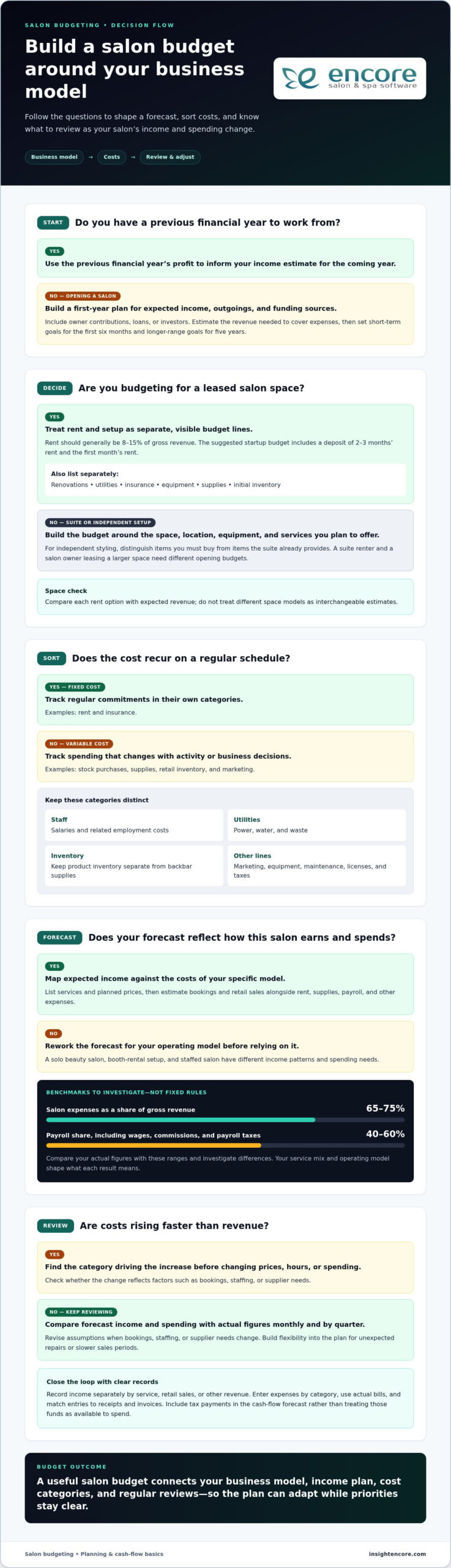
Build the plan around your business model, expected revenue, and costs. A solo beauty salon, a booth-rental setup, and a staffed salon have different income patterns and spending needs. List your services and planned prices, then map expected bookings and retail sales against rent, supplies, payroll, and other expenses. This makes revenue goals practical rather than guesswork.

For a yearly forecast, use the previous financial year’s profit to inform your income estimate for the coming year. If you’re opening a salon, prepare a first-year plan covering expected income, outgoings, and funding sources such as owner contributions, loans, or investors. Set milestones: estimate the revenue needed to cover expenses, then create short-term goals for the first six months and longer-range goals for five years.

Use percentage benchmarks as prompts for review, not fixed rules for every business. Salon expenses commonly total 65 to 75 percent of gross revenue, while payroll, including wages, commissions, and payroll taxes, may take 40 to 60 percent. Compare your actual figures with these ranges and investigate differences. For example, a rising payroll share could reflect staffing changes, lower bookings, or both. Your own service mix and operating model shape the meaning of each result.

Keep fixed and variable costs visible in the plan. Rent and insurance are recurring commitments; supplies, retail inventory, and marketing can change with activity or business decisions. Give marketing, equipment, and maintenance separate categories, and connect each planned expense to a purpose. For example, record a campaign’s cost alongside the bookings or sales it supports. For equipment, consider purchase or financing costs, upkeep, and the services it enables.

Put licenses, taxes, and local operating requirements in separate budget lines, since costs and timing depend on location and business structure. Keep supporting records with each entry, and include tax payments in the cash-flow forecast rather than treating those funds as available to spend.

Review the budget monthly and organize results by month and quarter. Compare forecast income and spending with actual figures, then revise assumptions when bookings, staffing, or supplier needs change. Build flexibility into the plan so an unexpected repair or slower sales period doesn’t derail a key goal. If costs rise faster than revenue, identify the category driving the increase before adjusting prices, hours, or spending. A useful financial plan can adapt while keeping the salon’s priorities clear.

3. Salon suite and independent renter costs

A suite renter and a salon owner leasing a larger space need different opening budgets. Treat them as separate business models, not interchangeable estimates: your figures depend on the space, location, equipment, and services you plan to offer.

Rent is often the largest commitment. Compare each option with expected revenue; salon rent should generally be 8–15% of gross revenue.

Before opening, list the costs required to occupy and operate the space. For a leased salon, the suggested startup budget includes a deposit of 2–3 months’ rent and the first month’s rent. Add renovations, utilities, insurance, equipment, supplies, and initial inventory as separate lines. For independent styling, distinguish items you must buy from items the suite already provides. This prevents a low weekly rent from disguising additional setup spending.

Base the plan on your operating model. A booth renter may have fewer shared-space obligations than a salon owner, but still needs funds for tools, products, and client-facing operations. Estimate monthly outgoings, then compare them with realistic service capacity and expected bookings. If rent takes too much of projected gross revenue, consider whether a smaller space, fewer services, or a different location would make the plan more workable.

Salon owners can lower upfront costs by prioritizing what clients need for everyday services. Start with core retail inventory displayed neatly on simple shelves, then upgrade fixtures as sales grow. Open shelves, ready-made cabinets, or wall racks can replace custom cabinetry at launch. Choose practical roller shades or basic blinds instead of expensive window treatments, and postpone high-end options until the business is established.

Build a startup worksheet with columns for one-time purchases, recurring costs, and each bill’s due month. Include a separate cash reserve for opening expenses that come before regular bookings begin. Review the numbers whenever a lease, renovation, or equipment decision changes. A smaller initial setup can protect cash, but should still support safe, efficient styling and the services you intend to offer.

How to Create a Salon Budget for Monthly Costs and Cash Flow

4. Adding equipment to expand services and revenue

Equipment can create a new revenue stream, but every purchase needs a clear role in your plan. Before adding a facial steamer, nail table, or styling station, identify which service it supports and who will use it. Estimate how often clients might book that service, whether existing staff can provide it, and what supplies or upkeep it requires. Connect each purchase to a specific business opportunity.

Start with the full cost, not just the purchase price. Include financing payments, delivery, setup, maintenance, supplies, and any change in insurance costs related to the equipment. The actual payment depends on the equipment and financing terms, so add the expected amount to your cash-flow forecast before committing.

Next, set a revenue target for the equipment. Estimate how many additional appointments it could support in a typical month, then calculate how much revenue those bookings need to generate to cover ongoing costs. Use your own service prices and realistic appointment capacity. For example, a salon adding a treatment service can track bookings, supply use, and income separately to see whether the new offering contributes to profit.

Prioritize equipment that clients and stylists will use regularly. A core item supporting several appointments may deserve attention before a specialty purchase with limited use. You can delay upgrades to furnishings or tools that don’t affect current services. This staged approach preserves cash for existing expenses and lets you assess whether demand supports a larger investment.

Keep revenue streams distinct in your records. Separate service income from retail sales, booth or suite income, and gift card sales where applicable. Track the service or revenue stream connected to each equipment purchase. This helps you compare performance over time and identify whether growth comes from the new service, stronger bookings elsewhere, or other sales.

Review performance monthly after the equipment is in use. Compare actual appointments and related revenue with your target, then include supplies, repairs, loan payments, and relevant insurance costs. If usage stays low, consider whether scheduling, staff training, or client awareness is limiting bookings before buying more equipment. A clear review helps you base the next purchase on performance, not excitement alone.

5. Reasons salons and spas need budgets and cash-flow plans

A budget shows whether the salon can cover its costs; a cash-flow forecast shows when money arrives and bills are due. To build one, list expected service, retail, and other income by month, then add payment dates for rent, payroll, suppliers, and loans. Set aside a cash reserve from available funds to cover quiet periods or unexpected costs, rather than relying on sales that haven’t arrived.

Timing matters. A salon may be busy around Christmas, then see quieter bookings in January. If rent, wages, and supplier invoices are still due during that slower month, strong holiday sales can disappear quickly. Forecast income and payments across the calendar, not only as monthly totals. This helps you spot a shortfall before a bill is due and decide whether optional spending can wait.

Opening a salon also creates a gap between startup costs and steady customer income. Include deposits, initial stock, equipment payments, and wages in the forecast alongside anticipated bookings. Record when each expense must be paid and when clients are expected to pay. For retail, account for the cash spent on products before projecting income from their sale. Separating these dates makes your working cash needs easier to see.

Use the forecast to plan bill payments. Pay invoices by their due dates, and don’t treat future bookings as cash already available. If income is lower than expected, review upcoming expenses and identify purchases that can wait without disrupting services. Keep essential costs separate from optional upgrades so decisions reflect the actual cash position, not just a sales target.

A useful cash-flow review compares planned and actual deposits, sales, and payments. Update the forecast when bookings shift, a supplier invoice changes, or an equipment repair comes due. Note the reason for each difference. For example, a slower January might mean postponing a retail order, while stronger-than-expected service sales could support replenishing popular products. This connects your reserve to decisions instead of leaving it as an unexplained balance.

Software can help organize appointments, sales, and expenses as part of a regular operating routine, but the forecast still depends on accurate entries and consistent review. Set a monthly review to compare expected cash with the account balance and invoices due. Then adjust planned purchases or reserve contributions using the updated figures. A profitable month doesn’t automatically mean cash will be available when the next bill arrives.

Explore salon cash-flow tools

Encore Salon & Spa Software: Encore Salon Software

Encore Salon & Spa Software offers Encore Salon Software to help manage salon operations. When appointment activity, sales, and stock are spread across separate records, a salon management platform can bring those workflows together and make information easier to use in budget reviews. Online booking helps manage appointments, while point-of-sale transactions and inventory management support tracking sales and product movement.

Use these operating records in your financial reviews: compare service and retail activity with budgeted expenses, then adjust purchasing or forecasts as needed. Encore also offers Encore Spa Software, Chair/Booth Renter Software, and Tattoo Studio Software for other business models.

Contact Encore Salon & Spa Software to learn more about Encore Salon Software.

Make your next budget decision with confidence

A salon budget works best as a living decision tool, not a document you file away after opening. As your services, team, or booking patterns change, use each review to decide what needs attention next. Learning how to create a salon budget helps you make those choices from clear records rather than guesswork.

Choose one manageable next step today: update a category, review an upcoming purchase, or schedule your next financial check-in. If appointment and sales information is difficult to organize alongside those decisions, Encore Salon & Spa Software offers Encore Salon Software, Encore Spa Software, and Chair/Booth Renter Software for different business needs.

Contact Encore Salon & Spa Software

With a clear process and regular reviews, you can approach each new business decision with greater clarity.

Frequently Asked Questions

How much does it cost to run a hair salon per month?

A full-service salon’s costs depend on staffing, rent, services, and purchasing needs, so a smaller salon will have a different cost profile. Estimate your own total by adding regular bills, expected payroll, supply orders, and other operating expenses, then compare the result with forecast revenue.

What Does a Monthly Salon Budget Look Like?

A monthly salon budget brings expected income, planned spending, and payment timing together. List service and retail income separately, then group costs under rent, payroll, utilities, supplies, equipment, and marketing. Add bill due dates and notes about changes, such as an unusually large product order. Reviewing categories during the month can help you spot where actual spending is moving away from plan.

How do you create a solid financial plan and budget for your hair or beauty salon?

Start with your business model, services, and expected income sources. Use sales records if the salon is operating, or estimate opening revenue from planned appointments and service prices. To learn how to create a salon budget, match income estimates against costs and payment dates, then set revenue milestones. Review actual results regularly and revise assumptions when bookings, staffing, or purchasing patterns change.

Should I Track Salon Expenses Using a Spreadsheet?

Yes, a spreadsheet can organize salon spending and compare actual costs with planned amounts. Create sections for transactions, monthly totals, and budget-versus-actual results. Use consistent categories and formulas to total expenses, and keep supplier invoices separate from equipment purchases. Filtering by month can reveal recurring charges or unusual entries. To put a salon budget into practice, use these comparisons to identify categories that need closer review.

What Are Fixed Expenses?

Fixed expenses are recurring business costs that generally remain stable over a set period, even when bookings change. Rent and insurance are common examples; regular software subscriptions or scheduled loan payments may also fit. Record each cost with its due date and payment amount. When a contract or payment schedule changes, update the entry so your forecast reflects the salon’s current commitments.

What Are Variable Expenses?

Variable expenses change with business activity, customer demand, or purchasing decisions. A salon may order more colour products during a busy booking period, while retail stock needs can shift with customer purchases. Marketing costs may also vary by campaign. Track each cost separately and note its purpose. This context helps you distinguish demand-related changes from optional spending when reviewing monthly results.

What makes a salon profitable?

A salon is profitable when revenue exceeds total expenses over the period being measured. The remaining amount is profit, which differs from cash currently available because payments and income may arrive at different times. Most salons have a net profit margin of 8 to 15 percent. Compare service and retail performance with related costs, then assess whether additional spending contributes to income or reduces what remains.

What are typical monthly operating costs for a salon?

Common operating costs include rent, payroll, utilities, insurance, supplies, retail inventory, marketing, software, and equipment upkeep. Keep these categories separate in your records. A single expense total won’t show whether rent, labour, or stock is driving a change in monthly spending.

Disclaimer

This article is general in nature and may contain errors, please verify all claims with your sales rep
Categories
Uncategorized

Massage therapy client intake form software: security and fit

Cloud-based massage therapy client intake form software is a good fit only when its safeguards match the sensitivity of the information you collect and your practice’s legal obligations. In the United States, intake forms that collect protected health information may be subject to HIPAA if a practice qualifies as a covered entity or business associate, according to the U.S. Department of Health and Human Services.

It’s reasonable to want the convenience of digital forms without losing control of private client details. Look beyond the word “secure” and assess how the software handles access, storage, signatures, and client records. This guide explains what to examine, how HIPAA may apply, and how to judge whether a system fits your massage practice, including what your intake process needs to capture and how it can support a smoother visit.

Key Takeaways

  • Assess how client profiles connect intake responses, treatment notes, and payment records, then limit access to the people who need it.
  • Check that digital signatures capture clear consent and that form submissions are encrypted while being sent and stored.
  • Match the system to your practice: prioritize a simple, manageable workflow as a solo therapist and consider shared access and consistent processes for a larger team.
  • In the United States, HIPAA may apply when a practice qualifies as a covered entity or business associate and handles protected health information; keep client notes organized to support continuity of care.
  • Choose structured intake tools when you need client records and forms to work together; a basic form builder may suit a narrower, standalone questionnaire.

How secure is cloud-based massage therapy client software for storing health data?

Choose software that clearly explains how it protects client information and supports your practice’s HIPAA obligations. A product name alone doesn’t prove its forms or storage meet your needs. If your practice requires a business associate agreement (BAA), ask whether the vendor will sign one and review its terms for handling protected information. Which massage therapy intake software offers HIPAA-compliant forms and secure data storage? Look for documented safeguards and clear BAA terms rather than relying on a compliance label alone.

In the United States, massage intake forms that collect protected health information may be subject to HIPAA if a practice qualifies as a covered entity or business associate, according to the U.S. Department of Health and Human Services. Protected health information includes individually identifiable health information transmitted or maintained in any form or medium. This can include a client’s name linked to an injury, medication, or treatment note. A form with a name and appointment preference raises different privacy concerns from one connecting that name to health details.

Start by mapping the client profile. It may connect intake forms, documentation, appointment history, and payment records. This can help a therapist find relevant context, but it also means a single record may contain several kinds of sensitive information. For example, a profile could link a client’s allergy response to a visit and its payment entry. Review which staff roles can see each part, how access is removed when roles change, and how records are retained or deleted.

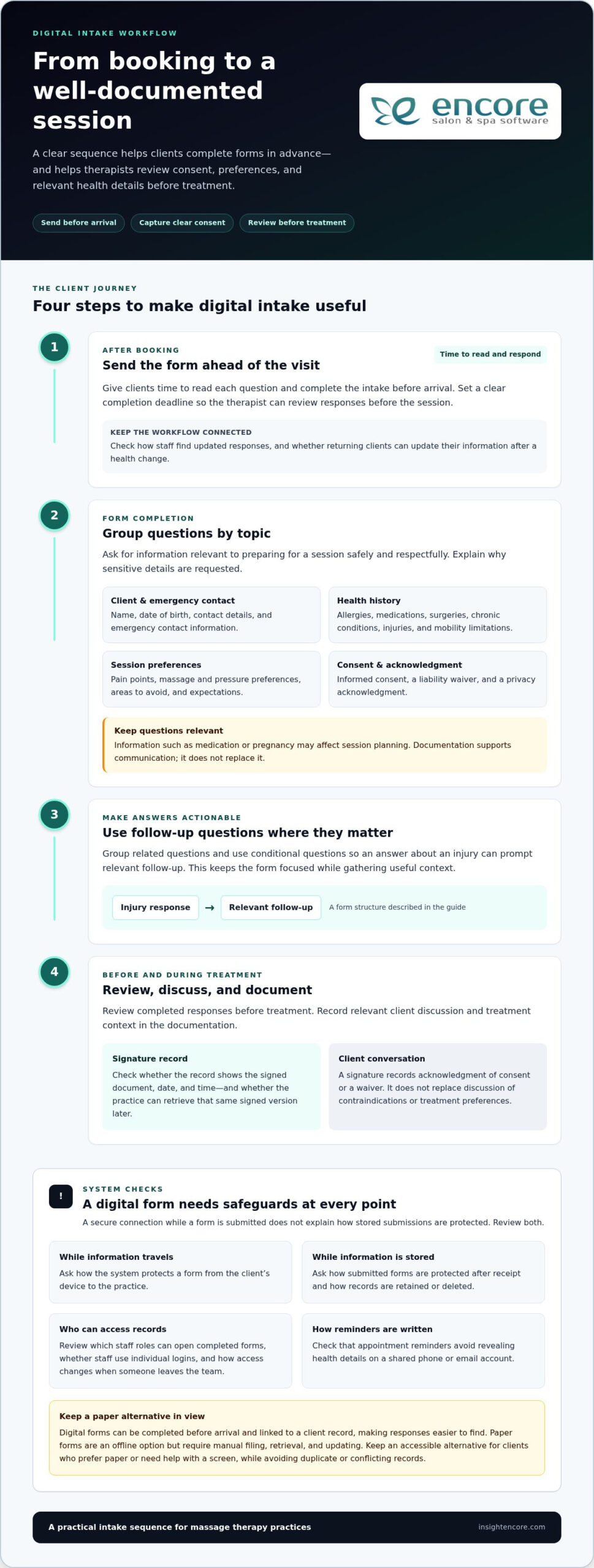
Build intake questions around the information needed to prepare for a session safely and respectfully. A useful form can capture:

  • Client name, date of birth, contact details, and emergency contact information.
  • Medical history, allergies, medications, surgeries, chronic conditions, injuries, and mobility limitations.
  • Pain points, massage preferences, pressure preferences, areas to avoid, and client expectations.
  • Informed consent, a liability waiver, and privacy acknowledgment.

Keep questions relevant to the service, and explain why you request sensitive details. For instance, asking about medication or pregnancy can identify information that may affect session planning. Use documentation to record consent and treatment context, not to replace thoughtful communication with the client.

Finally, look at routine workflow. If a system sends appointment reminders, check that the message avoids revealing health details on a shared phone or email account. Review how staff find updated responses before a session, and whether returning clients can update information after a health change. For a practice combining massage appointments with salon or spa bookings, appointment and client management tools can support a more connected workflow.

Choose software that documents its security safeguards and explains how it handles protected information, including whether the vendor will sign a business associate agreement when needed. Review role-based access and record retention or deletion processes instead of relying on a HIPAA-compliance label alone.

Digital signatures and encrypted form submissions

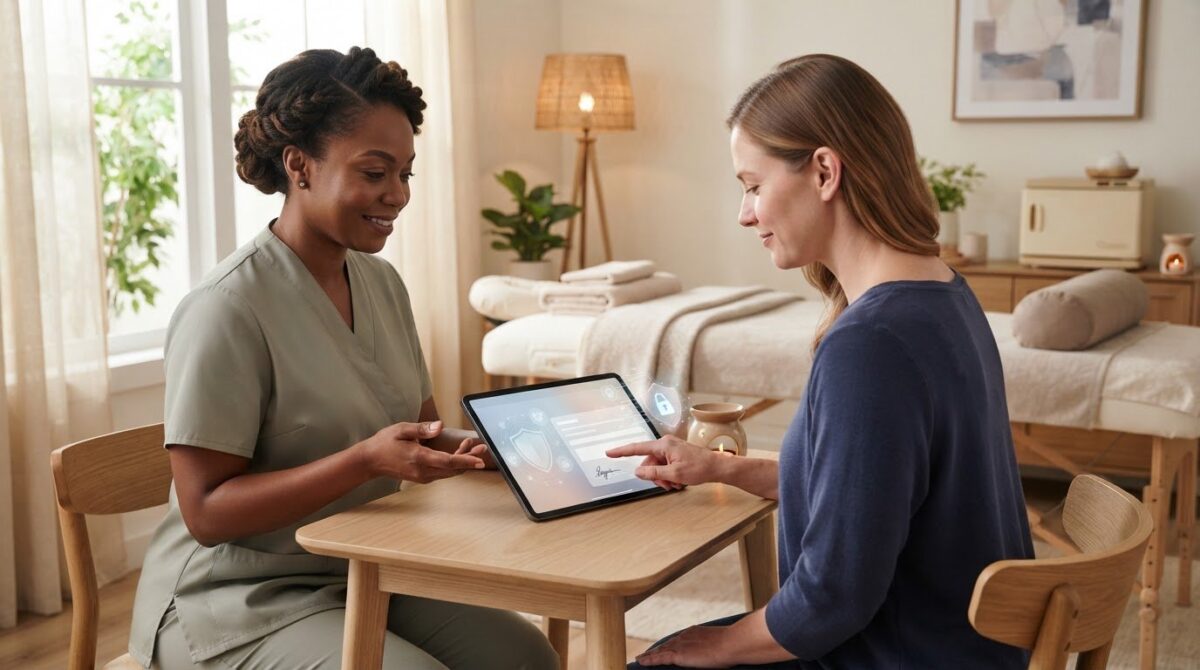
Yes. Clients can complete massage intake forms online before an appointment when the practice provides a digital form. Sending it after booking gives clients time to read each question and lets therapists review responses before the session. A digital signature can record a client’s acknowledgment of consent or a waiver. The form should make clear what the client agreed to, rather than simply adding a name at the bottom of a page.

Check what the signature record captures. For example, does it show the signed document, date, and time? Can the practice retrieve that same signed version later? These details support consistent documentation if a client asks what they agreed to. Keep consent language readable, explain the form’s purpose, and give clients a way to raise questions before signing. A signature supports a clear record, but it doesn’t replace a conversation about contraindications or treatment preferences.

Encryption is another part of the review. Ask how the system protects a form as it travels from a client’s device to the practice, and how it protects stored submissions. These are separate considerations. A secure connection during submission doesn’t explain storage safeguards on its own. Also consider who can open completed forms, whether staff use individual logins, and how access changes when someone leaves the team.

Paper forms offer a familiar, offline option, but staff must file, retrieve, and update them manually. A misplaced folder can expose private details. Digital forms can be completed before arrival and linked to a client record, making responses easier to find. They depend on reliable device access and a process for clients who prefer paper or need help completing a screen. Keep an accessible alternative without creating duplicate or conflicting records.

Build the digital process around the booking and upcoming session:

  • Send the form after booking, with a clear completion deadline before arrival.
  • Group questions by topic, such as health history, preferences, consent, and emergency contact.
  • Use conditional questions so an answer about an injury can prompt relevant follow-up.
  • Review responses before treatment and record any client discussion in documentation.

Customization keeps forms relevant. A sports massage practice may ask about recent injuries and areas to avoid; another practice may focus on pressure preferences and mobility. Avoid collecting details that don’t support intake or treatment planning. Test the form on a phone, make required fields clear, and confirm completed responses appear in the correct client record.

For smoother workflows, connect form completion with appointment tracking and reminders. A client who hasn’t submitted a form can receive a reminder before arrival, while staff can see which responses need attention. To explore how appointment and client workflows can work together, view the practice management option.

Choosing software for solo practitioners, clinics, and franchises

The right intake software matches your practice’s booking, documentation, and staffing needs. A solo therapist taking cash-pay appointments may need a streamlined client record and an easy way to collect signed forms. A clinic coordinating several therapists needs clear role-based access and shared processes. A franchise may prioritize consistent templates and workflows across locations.

For a solo practice, keep the process manageable. Look for forms clients can complete before booking or arrival, and records you can quickly find before a session. For example, a therapist working alone might use one intake template and update client details when health information changes. Avoid a complicated workflow that adds administrative work without improving preparation or recordkeeping.

Group practices need to balance shared access with individual responsibility. A clinic with massage therapists and other wellness practitioners may need separate intake templates for different services. Each practitioner should be able to find relevant client details without treating every record as interchangeable. Consider how the software assigns appointments, links a form to the correct therapist, and keeps signed documentation connected to the right client profile.

Insurance-based practices should align intake and documentation needs with their existing administrative process. Identify which client details staff use for appointment coordination, treatment records, and payment handling. Then assess whether the software organizes those details to support the practice’s workflow. Don’t assume an intake form handles insurance processes; the questions on a form and the record system serve different purposes.

Cash-pay practices can often keep intake focused on treatment preparation and client communication. A solo therapist may prioritize emergency contact details, health history, preferences, consent, and a clear payment record. Choose templates that let you adjust questions for your services instead of sending every client through irrelevant fields. A form for relaxation massage, for example, may need different prompts from one for sports massage.

For franchises, consistency matters across locations, while local teams still need practical flexibility. A shared template can keep core questions and consent language aligned. Location-specific fields can capture details relevant to each branch’s scheduling or services. Before adopting a system, compare how managers maintain templates, how staff see updates, and how records stay organized when clients visit different locations.

Use these criteria to compare systems:

  • Match templates to each service and client group.
  • Connect booking details with the correct practitioner and client record.
  • Set access according to staff roles and responsibilities.
  • Keep signed forms easy to retrieve alongside relevant documentation.
  • Review how the system handles insurance-related records and cash-pay workflows.

The right fit supports proper intake without adding unnecessary steps. Start with a representative booking, such as a new client appointment, and trace the process from form completion to therapist review. This practical test can reveal whether the software suits a solo practice, a multidisciplinary clinic, or a growing franchise.

The best option is software suited to the practice’s size and workflow, with adaptable forms, easy access to client records, and processes that avoid unnecessary administrative work. Solo therapists may favor a simple setup, while clinics and franchises may need shared access, role-based permissions, and consistent templates.

Massage therapy client intake form software: security and fit

Does therapy client intake software need to be HIPAA compliant?

HIPAA may apply to massage intake records in the United States if a practice qualifies as a covered entity or business associate. The U.S. Department of Health and Human Services explains that protected health information includes individually identifiable health information maintained or transmitted in any form. A client’s name connected to an injury or treatment note can therefore require careful handling. Software alone doesn’t determine whether the rules apply; the practice’s legal role and information flow matter.

For treatment continuity, records should help a therapist understand what happened during earlier visits. Consider a returning client whose intake notes mention shoulder discomfort and limited movement. The next therapist needs relevant context, not an unfiltered file of unrelated details. Use client records to connect the current session with prior observations, client preferences, consent, and agreed treatment goals. Clear organization supports continuity while keeping staff focused on information relevant to care.

SOAP notes can provide a consistent structure for documenting a session. “Subjective” captures what the client reports, such as tenderness after exercise. “Objective” records observable details, while “Assessment” summarizes the therapist’s professional interpretation. “Plan” describes the intended follow-up or treatment approach. A software template can make these fields easier to complete, but shouldn’t encourage copy-and-paste notes that miss meaningful changes between visits.

Review how records move through the software. A therapist, for example, may need to open the current intake, review previous notes, document the session, and locate the signed consent record. Each step should lead to the correct client profile. Separate staff accounts and role-based access help limit who can view or edit records. The practice should also understand its retention and deletion processes, especially if a client requests record updates.

Useful record features support clinical context without turning every detail into a permanent note. A therapist can record that a client reported discomfort, asked to avoid a specific area, and agreed to a modified session. The note should distinguish client statements from therapist observations. This helps another practitioner understand what was reported and what was observed, rather than treating both as the same kind of information.

Before adopting a system, test a sample client journey. Open an existing profile, review its intake and SOAP notes, document a follow-up session, and check that consent remains accessible. Then confirm that the staff member who needs the record can find it. Convenience matters, but it should support accurate treatment records, not broaden access or replace professional judgment.

Comparing structured intake software with basic form builders

A basic form builder collects answers; structured intake software connects those answers to practice workflows. For example, a form may gather a client’s preferences but leave staff to copy them into a separate record. A structured system can organize intake responses alongside client information and appointments. The practical difference is what happens after submission: does the answer remain a standalone document, or help staff prepare for the visit?

Start by defining the form’s purpose. If you need a one-time questionnaire for a small practice, a basic builder may do the job. If you need responses linked to repeat appointments, client history, and billing records, a connected system may reduce duplicate entry. Compare the actual workflow, not just the form editor. Ask how staff find a completed form when preparing for a returning client.

Therapist intake software and electronic health record (EHR) tools can overlap, but they serve different needs. Intake software focuses on collecting client details and organizing practice processes. An EHR is designed around clinical records and may include documentation workflows beyond intake. A massage practice should determine whether it needs a focused intake and client-management tool, a broader clinical record system, or both. The answer depends on which records practitioners maintain and how they use them.

Software categories also differ in their main purpose. A booking platform manages appointments; a form builder gathers answers; practice-management software can connect scheduling with client records and administrative tasks. Don’t assume a product covers all three. Trace one new-client journey: appointment booked, form completed, response reviewed, and client record updated. Note where staff must switch systems or re-enter information.

  • Basic form builder: Useful for a standalone questionnaire or simple feedback form.
  • Structured intake system: Better suited to organized templates and client-linked responses.
  • EHR tool: Consider when clinical documentation and records form a central part of practice operations.
  • Practice-management platform: Compare it when appointments, client records, and billing need a shared workflow.

Test customization with real examples. Create separate templates for an initial consultation and a returning-client update. Check that each question is easy to understand, clients can share relevant preferences, and staff can find answers before treatment. Then review what happens when a client updates a response. A suitable system keeps the latest information clear without creating conflicting copies.

Choose the category that matches your daily work, then compare its intake workflow with your current process. This makes gaps visible before you move client records or change how staff handle appointments.

Explore a connected practice-management workflow

Encore Salon & Spa Software: Encore Salon Software

Encore Salon & Spa Software offers Encore Salon Software for practices that want appointment booking and client management as part of their broader business workflow. If your massage practice also needs to coordinate bookings, client relationships, inventory, and point-of-sale transactions, it may be worth considering. Encore Spa Software supports spa operations, while Chair/Booth Renter Software is designed for renter-based businesses.

Use the needs you identified earlier to guide your assessment. Consider how appointment management and client records should support day-to-day operations, while evaluating intake privacy and clinical documentation as separate requirements. A well-matched system should fit the work your practice needs to manage.

For more information, contact Encore Salon & Spa Software.

Make your next software decision with confidence

Turn your requirements into a practical evaluation. Choose a real client journey, from booking through record review, and use it to assess workflow fit alongside privacy and documentation needs. This gives you a clearer basis for deciding whether massage therapy client intake form software supports the way your practice works, rather than simply offering an appealing feature list.

For broader business management, Encore Salon & Spa Software offers Encore Salon Software, Encore Spa Software, and Chair/Booth Renter Software. Consider which offering aligns with your business model and the operations you want to organize. Keep clinical recordkeeping and your privacy obligations central to the decision.

Explore Encore and take the next step

A thoughtful choice can help you build a more organized practice, one practical decision at a time.

Frequently Asked Questions

What should a pre-intake questionnaire actually ask?

A pre-intake questionnaire should collect information that helps you prepare for the client’s session, not every detail about their life. Ask what outcome they hope for, which areas they want addressed or avoided, and what pressure feels comfortable. Include space for relevant health changes and an emergency contact. Use plain-language prompts, clearly mark essential questions, and explain how sensitive questions support treatment planning.

What features should massage therapy client intake form software include?

Choose massage therapy client intake form software with customizable forms, clear consent capture, searchable client records, and an easy way to review responses. Staff should be able to find the right profile without sorting through unrelated appointments. Also consider whether you can revise questions as services change and retrieve records in a usable format. The right feature mix depends on how your practice collects, reviews, and maintains client information.

How do massage therapy intake form platforms compare in features and usability?

When comparing massage therapy client intake form software, test the same task in each platform: create a client record, complete a sample form, and find its answers before an appointment. Notice how many screens or manual transfers the process requires. Then assess whether labels make sense to clients and staff, and whether the interface works comfortably on a phone. A long feature list matters less if everyday tasks are hard to complete.

How do massage therapists create and customize digital intake forms?

Start with a form for a specific purpose, such as first visits, and add only questions relevant to that service. Create a separate update form for returning clients so they can report changes without repeating every answer. Use conditional prompts when a response needs clarification, and preview the form on a phone before sharing it. Ask a colleague to complete it and flag any confusing wording.

Does massage therapy intake software integrate with scheduling, payments, and practice management tools?

Some platforms bring scheduling, client records, and payment tools into one business workflow, while others keep forms separate. Check how information moves after a booking, whether staff can find the relevant client record, and how payment entries connect to appointments. Encore Salon & Spa Software offers an Online Booking Module, Client Management System, Integrated Credit Card Processing, and Client Intake Forms as an add-on.

Which massage therapy intake software offers HIPAA-compliant forms and secure data storage?

Choose software that documents its security safeguards and explains how it handles protected information, including whether the vendor will sign a business associate agreement when needed. Review access controls and record retention rather than relying on a HIPAA-compliance label alone.

Disclaimer

This article is general in nature and may contain errors, please verify all claims with your sales rep
Categories
Uncategorized

Salon App Features for Scheduling, Payments and Business Operations

A salon app should do more than fill the appointment book. A mobile app for salon owners to manage their business can bring scheduling, client histories, payment tools, and reports together in one place. Look for features that also help track inventory and manage missed appointments, two everyday challenges that can affect workflow and revenue.

It’s reasonable to expect appointment booking and payment tools to save time. Look for features that let clients book online around the clock, keep appointment slots up to date, and make it easier to follow up on missed visits. Client profiles can also help you review service history and preferences before an appointment.

This guide explains the features to look for, from scheduling and payments to reports, inventory tracking, and missed-appointment management. It covers how these tools work together, what to consider when comparing salon apps, and how an all-in-one system can simplify daily operations.

Key Takeaways

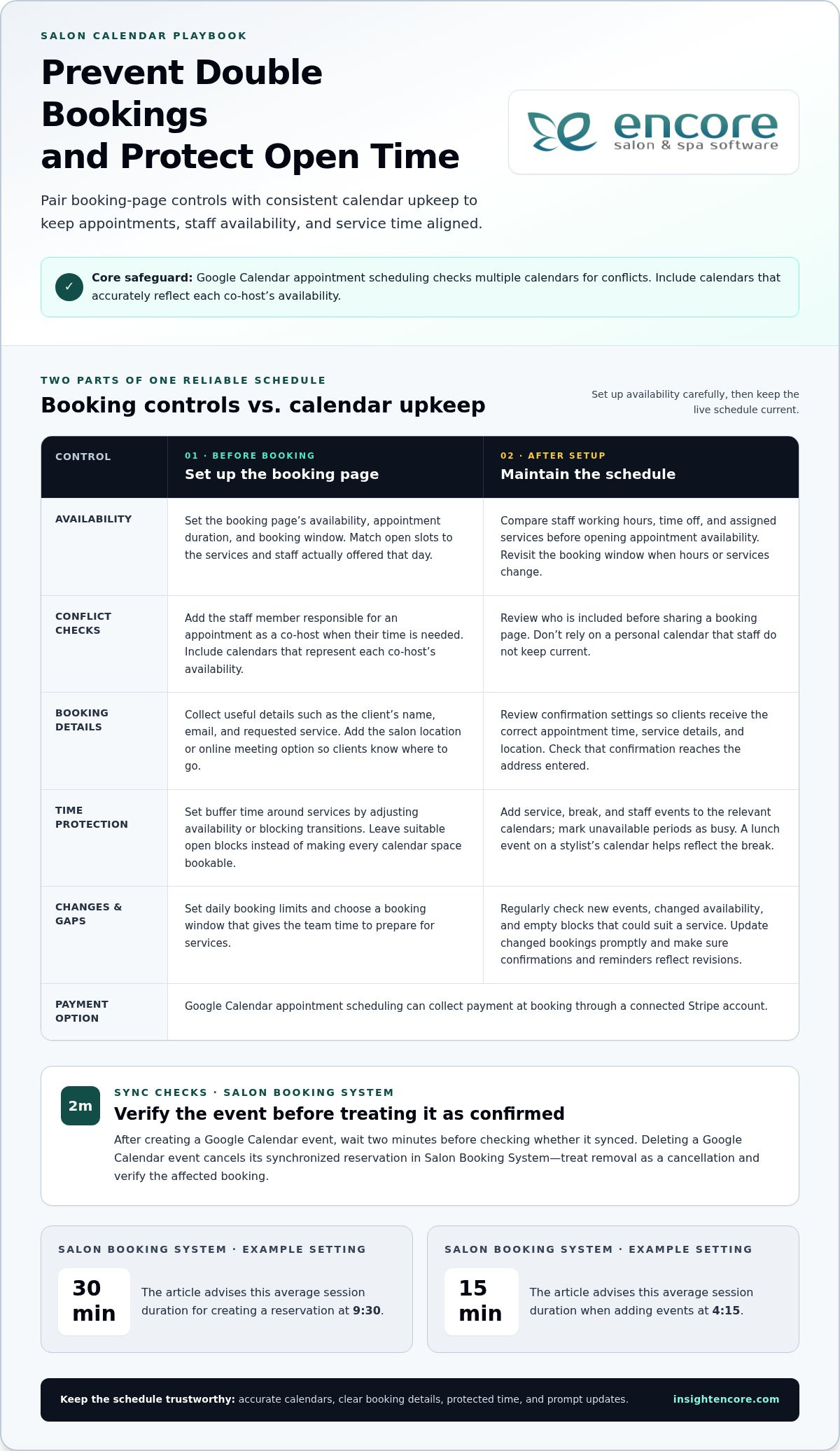
  • Choose scheduling tools that keep bookings visible and update availability as appointments are made, helping reduce double-booking risks.
  • Use payment records and reminders to make outstanding balances easier to track and follow up on.
  • Keep client profiles and service histories organized so you can prepare for appointments with useful details at hand.
  • Review financial reports alongside inventory records to spot business patterns and keep product levels in view.
  • Track missed appointments consistently and use the information to shape a clear, fair no-show process.

1. Appointment scheduling and double-booking prevention

For a solo stylist, a mobile calendar should make personal availability and client bookings easy to manage. A salon with multiple employees needs staff-specific calendars, clear service assignments, and shared visibility. If you manage multiple locations, choose a system with multi-location support. Match the setup to the way appointments move through your business.

Online booking lets clients request appointments without waiting for the salon to respond. Some salon apps support booking 24 hours a day, 7 days a week, through a personalized booking website. When a client reserves a time, the system can block that slot on the calendar. This helps prevent another client or staff member from booking the same time.

Use the mobile calendar to review the day, make changes, and see upcoming appointments while away from the front desk. Web and mobile access can work alongside each other, so a change entered on one interface is visible on the other. For example, if a stylist moves a colour appointment, the updated time should appear in the shared schedule.

Appointment booking and payment tools can connect a reservation to checkout. Depending on the setup, clients may pay when booking or at the salon, while staff can see appointment details in the calendar. An online booking module helps salons accept appointments online and organize them for staff to manage.

Compare salon software by its included tools, employee management, and payment processing. Encore pricing is per location and based on the number of employees. Integrated credit-card processing comes with guaranteed lowest rates. Review how online booking, checkout, and payment processing fit your salon’s workflow.

In the United States, privacy requirements depend on the information a salon collects and applicable federal and state rules. Limit access to client profiles, protect staff accounts, and handle contact, service, and payment details carefully. These practices help keep appointment management organized without exposing more client information than staff need.

Set up the calendar before moving every appointment. First, list services, appointment lengths, staff schedules, breaks, and business hours. Then enter upcoming bookings and client contact details, checking for duplicates and overlapping appointments. Test the booking flow with a sample appointment, including a change and cancellation, before directing clients to the new calendar.

Before relying on the schedule, compare it with the salon’s current bookings. Confirm that each employee sees the right appointments and that online availability reflects actual working hours. A clear setup makes daily booking easier to manage and gives clients a reliable way to reserve time.

When implementing Encore Salon & Spa Software, confirm that the free personalized website is available to clients and that they can book appointments online through it. When a booking is made, the software blocks that time slot, helping prevent a second booking for the same time. This connection between the online booking route and the calendar gives staff a clearer view of reserved availability.

Check that a reserved time no longer appears open so staff can rely on the schedule when reviewing requests or managing existing appointments. Keep online booking and calendar information aligned so clients and staff see the same availability.

2. Credit ledgers and payment reminders

A client ledger shows what a client owes, has paid, or holds as account credit. It connects service payments, retail purchases, deposits, and adjustments to the client record. For example, if a client pays a deposit before a colour service, record it against the appointment. At checkout, apply the credit and leave any remaining balance visible.

Separate transactions by type. A service charge, product sale, refund, and prepaid credit affect an account differently. Clear labels help staff understand why a balance changed without searching through receipts. For beauty services that include retail products, record the service and product separately. This makes it easier to see what remains unpaid and what has been settled.

Payment reminders work best when they identify the balance and explain the next step. A reminder can say that payment remains due, name the related appointment or purchase, and provide a simple way to pay. Keep the wording polite and consistent. Before sending it, compare the ledger with the latest receipt to avoid reminding clients about balances they have already paid.

Build a repeatable follow-up process inside your payment workflow:

  • Record each payment, deposit, refund, and credit against the correct client.
  • Review open balances after checkout and correct any entry errors.
  • Send a clear reminder for an outstanding amount through the system’s available communication tools.
  • Mark the account when payment arrives, then retain the transaction record.

This process distinguishes an unpaid balance from account credit. For instance, a client may have prepaid for a package and later bought retail items. Keep the package credit separate from the product charge, then apply each amount to the correct transaction. Staff can explain the account clearly, and owners can review outstanding balances without relying on memory or scattered notes.

Use access controls and consistent staff procedures to protect payment records. Assign each transaction to the correct client, review adjustments, and keep receipts connected to the ledger. For card payments, integrated credit card processing can connect payment activity with salon operations. A tidy ledger makes payment follow-up more specific, while reminders help keep the next step visible to both staff and clients.

3. Customer profiles and service history

A client profile gives staff useful context before a service. Salon software can record previous hair dye formulas and allergy histories, helping stylists review relevant details before mixing colour. Profiles can also bring visits, services, preferences, and notes together. For example, a returning client’s record might show their last colour service and preferred finish.

Keep entries clear and specific. “Prefers a cool brown” gives a stylist more context than “likes brown.” Record the date and service with each note so staff can distinguish a current preference from an older one. When a client changes their mind, update the profile rather than leaving conflicting instructions in separate places.

Build a consistent profile routine around the appointment:

  • Match the client to an existing profile before creating another record.
  • Review service history and relevant notes before the consultation.
  • Add the service performed and any client-approved preference afterward.
  • Correct outdated details when the client provides an update.

Accurate records help prevent duplicate profiles and scattered notes. For example, if a client books under a shortened name, search their contact details before opening a new record. If two records already exist, follow the platform’s process for merging or correcting them. A clean record makes the client’s service history easier for the team to follow.

Profiles can support a personal consultation without turning notes into assumptions. A stylist might see that a client previously requested a shorter finish, then ask whether they want the same result again. Treat past preferences as useful context, not a substitute for a fresh conversation. Confirm the current service details with the client before proceeding.

Keep notes focused on service delivery. Record details that help staff prepare, such as a preferred appointment approach or products used during a past visit. Avoid unrelated personal commentary. Clear, respectful entries help another team member understand the record without guessing what a note means.

Access matters when several employees use the same platform. Make it easy for staff to find the right profile, and include record updates in the appointment workflow. If a client shares a new preference at checkout, add it while the visit is still fresh in mind. A well-maintained history helps the next consultation start with relevant context, not a search through old messages.

Review profile quality as part of routine salon administration. Look for duplicate entries, incomplete service records, and notes that no longer reflect a client’s preferences. Correcting these details keeps histories useful for future visits and supports consistent service across the salon.

Salon App Features for Scheduling, Payments and Business Operations

4. Financial reports and profitability

Salon software can generate daily, weekly, and monthly financial reports. Each view answers a different management question. A daily report can help you review recent sales and expenses. A weekly view shows whether activity is consistent across the workweek. A monthly statement helps you compare broader business patterns and plan decisions.

Start by checking how the platform groups revenue. Service income, retail sales, and other recorded transactions should be easy to distinguish. If a report combines different income streams, it becomes harder to see what customers are buying. Separate service and retail totals, for example, can show whether product sales contribute to the salon’s overall performance.

Then review the expense categories included in the report. Rent, supplies, payroll, and marketing are examples of costs that affect profitability. Consistent categories make comparisons more useful across reporting periods. If supply purchases are recorded differently each month, a change in the report may reflect inconsistent bookkeeping rather than a real business shift.

Use a simple review routine for each reporting period:

  • Choose the daily, weekly, or monthly statement that fits the decision.
  • Compare service revenue with retail sales and recorded expenses.
  • Look for a change in a category, then review its underlying transactions.
  • Record the question or action you want to revisit in the next report.

For example, a weekly report might show lower retail sales alongside steady service activity. That gives you a focused question: are clients buying fewer products, or are sales being recorded under another category? Review transactions before changing inventory or marketing plans to distinguish a reporting issue from a business trend.

Marketing activity also needs context. A report can help you compare recorded sales across periods, while campaign records can help explain what changed. Timing alone does not prove that a promotion caused a sales increase. Review the offer, audience, and related transactions together before deciding whether to repeat it.

Tax records need care, too. The Internal Revenue Service receives income taxes from self-employed beauty professionals and business owners. Keep business transactions organized and retain the records needed for tax preparation. A salon report can summarize business activity, but its figures should match the underlying accounting records.

Make reporting a repeatable management habit. Review the same categories in each daily, weekly, or monthly statement, and investigate unusual changes before acting. Clear reports help you identify questions worth exploring, such as whether service revenue, retail activity, expenses, or marketing results shifted. That gives your next business decision a concrete starting point.

Include client records and service activity in the broader review. Salon owners can use client profiles to view previous hair dye formulas and allergy histories. These records can provide context for recorded services and details to review before a future appointment. Treat profile information as a reference alongside transaction records, not as a substitute for accurate sales and expense entries. A consistent review connects financial summaries to the work behind them.

5. Inventory tracking and no-show management

Inventory control matters during services and retail checkout. Salon inventory software can update stock when a product is used or sold. For example, recording colour products used during a service keeps the stock count current. Recording a retail sale should reduce the available quantity as well.

Start by entering each product with a clear name and category. Separate back-bar supplies from retail items so staff know which products are used for services and which are for sale. Update product records when stock arrives. During checkout or service completion, record what leaves the shelf. Consistent entries make stock levels more useful for purchasing decisions.

Set a regular stock review that fits the salon’s workflow. Compare the system count with the shelf, then investigate differences before reordering. A mismatch might come from an unrecorded product sale, service use, or delivery. Correct the transaction record first to make the next inventory review more reliable and help prevent repeated counting errors.

Which apps manage salon inventory, client records, marketing, and loyalty programs? Look for salon management software that connects these functions, keeping product activity and client engagement in one platform. An all-in-one system can help owners track stock, maintain customer records, and coordinate marketing and loyalty activity without switching between separate tools.

No-shows need a clear record, not just a blank space in the calendar. Mark missed appointments consistently and distinguish them from cancellations or rescheduled visits. That history helps the owner see whether missed bookings are isolated or recurring. Staff can then follow the salon’s established policy and apply it consistently across future appointments.

Use appointment reminders as one part of no-show management. A reminder gives clients a chance to confirm, cancel, or request a new time before their appointment. When a client does not arrive, record the outcome and any follow-up. Avoid treating every missed visit the same way: a first-time absence and a recurring pattern may call for different conversations.

Connect the records. A client profile can show appointment history, while inventory records show products used or sold. Reviewing both can help staff prepare for a returning client’s service and identify products to replenish. Marketing and loyalty tools can then support relevant follow-up, such as sharing a product update with clients who previously purchased it.

Make the routine practical: record product use, log retail sales, review stock discrepancies, and document missed appointments. These steps turn inventory and attendance records into useful operating information rather than disconnected notes.

Explore salon management features

Encore Salon & Spa Software: Encore Salon Software

Encore Salon & Spa Software is a practical next step if you want salon operations organized in one management platform. Encore Salon Software brings together online appointment booking, client management, inventory tracking, and point-of-sale transactions.

Consider Encore when separate systems make it harder to keep bookings, client records, product stock, and checkout activity aligned. Encore Spa Software, Chair/Booth Renter Software, and Tattoo Studio Software provide management tools for those business formats.

To explore whether Encore Salon Software fits your salon’s workflow, contact Encore Salon & Spa Software.

Choose a system that fits your next step

Turn the feature checklist into a practical decision. Identify the daily task that causes the most friction, then consider how a connected system could fit your team’s routine. A mobile app for salon owners to manage their business should support the way you work now and help keep essential operations organized as your needs change.

Encore Salon & Spa Software offers Encore Salon Software, Encore Spa Software, and Chair/Booth Renter Software. These options give salons, spas, and independent renters a starting point for matching management software to their business setup. Focus on the workflows you want to bring together, then explore how the right fit could support your business.

Explore Encore Salon & Spa Software

Small, thoughtful improvements can make daily work more manageable. Choose a clear, achievable next step and move forward with confidence.

Frequently Asked Questions

What are the best mobile apps for salon owners to manage their business?

The best fit is a platform that matches your salon’s daily workflow and works on your devices through a current web browser. Encore Essentials and Encore Elite support salon operations, with every Encore feature available at all pricing tiers and Elite adding extra modules. Compare how each option handles booking, employee management, checkout, and records. A solo stylist may prioritize straightforward scheduling, while a team may need tools for employee coordination.

What salon management app features are essential for appointments, payments, and staff scheduling?

Prioritize online appointment booking, point of sale, integrated credit-card processing, and employee management. These tools connect client bookings with checkout and staff operations. For example, a salon with commission-based pay may need payroll and commission tracking, while teams tracking attendance can benefit from an employee time clock. Encore Essentials includes booking, point of sale, and employee management; Encore Elite adds modules such as an employee time clock and payroll or commission tracking.

Which salon apps support online booking, reminders, and waitlists?

Look for online booking, appointment confirmations, and a way to manage openings after cancellations. Every Encore subscription includes online appointment booking and free SMS appointment confirmations. Encore Elite also includes an appointment cancellation list and email notifications for online bookings and appointment changes. A cancellation list and a waitlist are not automatically the same feature, so consider how your salon wants to offer newly opened times to clients.

Disclaimer

This article is general in nature and may contain errors, please verify all claims with your sales rep

Categories
Uncategorized

Software for independent hair stylists: compare the features that matter

A booking calendar alone won’t cover the day-to-day needs of an independent stylist. Software for independent hair stylists can bring appointments, client records, payments, and retention tools together, while letting clients book online around the clock. The most useful systems connect four core functions: online booking, scheduling, point-of-sale payments, and client-retention tools.

Look beyond the calendar. Managing client details, tracking products, and encouraging repeat visits can all affect how smoothly your business runs, and platforms vary in how they handle these tasks. The right fit depends on which parts of your work you want to manage in one place.

This guide explains what salon software does and compares key features for independent hair stylists, including scheduling, client management, payments, inventory, loyalty programs, and gift cards. You’ll learn how each can support your daily workflow, what to weigh when comparing options, and how to choose a setup that suits the way you work.

Key Takeaways

  • Compare booking tools by how they handle online appointments, schedule changes, and the flow of your workday.
  • Choose client profiles that make it easy to keep useful service notes and personalize future visits.
  • Look at how payment options fit your setup, including whether you need to take payments away from a fixed counter.
  • Check whether inventory tracking, loyalty programs, and gift cards support the way you manage products and encourage repeat visits.
  • Use the comparison criteria to prioritize the features you’ll actually use, then match them to a salon software option built for your business type.

What is salon software and what does it do?

Salon software brings booking, appointment management, payments, and client tools into one platform. For an independent stylist, it can reduce manual admin and make the booking process clearer, from the first click to a confirmed appointment.

Compare booking platforms by how clients find openings, make changes, and receive appointment information. Choose a system that supports your actual workflow, not simply one with the longest feature list.

Online Booking and Social Media Links

Online booking lets clients choose an available service and time without calling or messaging you. A shareable booking link can sit in a social media profile or post, connecting discovery directly to your calendar. Small salon software should support booking 24 hours a day, seven days a week.

Which salon software supports online booking, reminders, and deposits? Look for a platform with online booking, automatic appointment confirmations or reminders, and a way to take deposits during booking if you need them. Each supports a different step: reserving a slot, reminding clients, and collecting payment upfront. Check that clients can complete the booking smoothly on mobile.

Booking option How clients access it Appointment handling Useful comparison point
Social profile link Social media Online selection Easy to share
Website booking page Business website Online selection Service details in context
Manual calendar Direct message or call Stylist enters appointment More hands-on work
Integrated booking platform Website or shared link Booking connects to calendar Fewer duplicate steps

Choose a system based on where clients discover you and whether new bookings update your calendar automatically.

Appointment Management and Reminders

Appointment management helps you view upcoming services, adjust availability, and handle rescheduling in one calendar. Compare how clearly a platform shows open slots and how quickly you can change an appointment when plans shift. A readable daily view on mobile makes schedule updates easier between services.

Appointment confirmations and reminders give clients key details before their visit. Check whether the platform sends them automatically and lets you manage their timing and content. A message can include the booked service and time, so clients can find the essentials without searching old conversations. Also consider how the system records cancellations and rescheduled visits.

Tax and Recordkeeping Features

Business software can organize sales and appointment records, helping you review income and keep information together. Which tax and recordkeeping features should hairstylists look for? Prioritize searchable transaction histories, clear sales reports, and records you can export for bookkeeping. These tools organize documentation, but they don’t replace tax advice or determine applicable deductions.

Compare what each report includes and how easily you can separate services, retail sales, and payment activity. Consistent records make it easier to reconcile appointments with transactions and prepare information for your bookkeeping process. Connected booking and business records can reduce duplicate entry. For example, salon software features can bring operational details into a more connected workflow.

Client profiles and customer relationship management

A client profile connects appointment history with details that help you prepare for each visit. Compare systems by how easily they organize service notes, preferences, consultation information, reminders, and follow-up marketing.

For example, a profile could record a client’s preferred style, past colour service, and notes for the next visit. Organized client management gives you a practical reference before an appointment, without searching through separate messages.

Client Profiles and Reminders

Client profiles store useful details alongside appointment history, while reminders prompt clients about upcoming visits. Compare how quickly you can find a record, update a note, and see the next booking. Marketing tools can also help you share relevant offers or service updates with existing clients, rather than relying only on marketplace listings to attract new people.

Keep records focused on details that support service and communication. For example, a stylist might note a client’s preferred appointment time and the products used during a previous visit. Before switching platforms, consider how existing profiles and notes will move, and which details you need to retain for upcoming appointments.

Consultation Forms, Deposits, and Policies

Consultation forms collect service information before an appointment, while deposits and written policies clarify booking expectations. These tools differ from profile notes: they focus on preparation and agreement, not ongoing client history. For a colour appointment, a form could gather the client’s goals and relevant service background.

Compare whether clients can complete forms before arriving and whether deposit settings connect to booking. Keep cancellation terms clear and visible during the booking process. In the US, state or local rules may affect deposits, cancellations, and client data. Set your policies with the requirements that apply where your salon operates in mind.

Marketplace listings can help clients discover a stylist while browsing services. A standalone profile or booking page, by contrast, can direct people who already know your name to your own booking process. Compare discovery tools by how clearly they show your services, pricing, availability, and booking steps. Consider whether a listing supports the way you want to attract clients, rather than assuming it will replace your own marketing.

Client management also shapes daily operations. Use a simple review process: check the client’s profile before the visit, add useful service notes afterward, then review upcoming appointments and follow-up needs. This creates a consistent record without turning every interaction into administrative work. For a closer look at the capabilities that connect salon records and client workflows, explore salon management features.

Payments and mobile point-of-sale options

A point-of-sale system records a service sale and processes the client’s payment at checkout. Compare in-person and mobile workflows, plan terms, transaction fees, and how the platform handles sensitive information.

For privacy and payment security, compare access permissions, how card details are handled, and which transaction records staff can view. Avoid storing payment details in informal places, such as appointment notes or message threads.

POS and Payment Processing

A POS connects a service sale to payment processing, so you can record the transaction when the appointment ends. A mobile option may suit a stylist working from a rented chair or moving between stations, while a fixed checkout may suit a dedicated salon space. Compare the steps for charging a client, recording the service, and providing a receipt.

Consider whether checkout can include both a service and a retail product, such as a haircut and shampoo. An integrated workflow keeps both items together in one transaction. Separate tools may require you to record the service and product sale in different places, adding manual work.

Plans and Processing Fees

Software plans and processing fees are separate costs to compare. A plan may charge for platform access or features, while payment processing fees apply to transactions. Review the full fee schedule, including how it handles in-person and online payments, refunds, and other transaction types. Don’t assume a lower plan price means lower overall payment costs.

When comparing software for independent hair stylists, match the features in each plan to your actual checkout routine. A stylist who takes payment after appointments may need a different setup from one who accepts deposits online. Consider how transaction volume, payment methods, and plan features affect your total operating costs, rather than relying on a headline rate alone.

Privacy and Payment Security

Security comparisons should cover who can access client and payment records, how staff sign in, and how transactions are documented. For example, a solo stylist may need one account, while a shared salon workflow may require separate staff permissions. Clear access controls help limit unnecessary exposure of client information.

Review how the platform handles card details and payment records, along with its privacy information. Keep client notes focused on service needs, not payment credentials. A booking record should help you prepare for an appointment, while checkout handles the transaction through the payment system.

Before switching, map the client’s path from service selection to receipt and note every manual step. A client who finds your salon through Google, books online, and pays in person may need a different workflow from someone who books and pays remotely. Check whether transaction records support your bookkeeping process and whether checkout works on the mobile device you use during appointments.

Software for independent hair stylists: compare the features that matter

Appointment scheduling and calendar management

A salon calendar organizes appointments, stylist availability, service durations, and schedule changes. Compare how each platform handles a solo stylist’s day and whether its tools can also support shared salon operations.

Start with the services you offer. A haircut and a colour appointment need different time blocks, so set each service’s duration and availability separately. Check that the calendar displays those details clearly before you confirm a booking. A useful view helps you spot gaps, overlaps, and appointments that need preparation.

Calendar controls can shape the pace of your day. For example, add a buffer after a colour service for cleanup, then check how that gap appears between appointments. Look for clear daily and weekly views, simple edits, and a way to block personal time. The less you need to rewrite manually, the easier it is to keep your schedule accurate.

Managing no-shows and cancellations starts with clear appointment statuses. Compare whether you can mark a client as confirmed, cancelled, or rescheduled and see the change in your calendar. When a client cancels a morning appointment, for example, the open slot should be easy to identify. Tracking changes helps you understand where schedule gaps occur.

Policies matter, too. Explain your cancellation terms in plain language, then make them visible during booking or in appointment communications. A calendar can record whether a change was made, but your policy tells clients what to expect. Review how the system handles late changes, cancellations, and rebooking before relying on it for daily scheduling.

Team scheduling adds another layer. A solo stylist may need only one availability calendar, while a salon with several stylists needs a clear way to distinguish staff schedules. Compare how each system assigns appointments, displays individual availability, and handles changes. If a client requests a particular stylist, the booking view should make that choice easy to track.

Salon management tools can connect the appointment calendar with client records and service details. This helps you prepare for returning clients without searching separate systems. Reviewing the upcoming service alongside the appointment, for example, can help you plan your day. Check that calendar information is easy to access on mobile between services.

Use this practical comparison checklist:

  • Match service durations to the time blocks shown in the calendar.
  • Check how you block breaks, personal time, and cleanup periods.
  • Review how cancellations, rescheduling, and open slots appear.
  • Compare solo scheduling with staff calendars for shared salons.
  • Test whether appointment details are readable on mobile.

Choose a calendar that handles your real appointment flow, from service selection through schedule changes, without adding unnecessary tracking work.

Inventory, loyalty programs, and gift cards

Inventory, loyalty programs, and gift cards can connect product sales with client retention. Compare whether salon software integrates these tasks with appointments and checkout or leaves you to track them separately.

Inventory tools help you record products used during services and items sold to clients. For example, track colour supplies separately from retail shampoo and conditioner. Compare how easily you can add products, update stock after sales, and review what remains. If you regularly recommend beauty products, clear stock records can help you spot items to replenish before a client asks to buy them.

Choose inventory features based on how you use products. A stylist who sells a small selection may need simple product records and sales tracking. Someone managing a wider retail range may value searchable product lists and stock reports. Check whether the system connects product sales to checkout. That connection can reduce duplicate entry and show which products are selling.

Loyalty programs can give clients a reason to return, but the rules should be easy to explain. Compare how a platform records rewards, applies them to eligible purchases, and shows clients their progress. A stylist might reward repeat visits or retail purchases. State the terms clearly, including which services or products qualify, so clients know how the program works before expecting a reward.

Gift cards let clients pay for a future service or give someone else a salon experience. Compare how a system records gift card sales, tracks remaining value, and applies redemption at checkout. A connected process makes it easier to see both the original sale and later use. Keep gift cards distinct from booking deposits: a gift card stores value for future purchases, while a deposit is tied to an appointment.

Before choosing, map how each task fits your existing routine. Consider whether product sales update inventory, loyalty rewards appear at checkout, and gift card redemptions show in transaction records. An integrated workflow can reduce repeated data entry, while separate tools may require you to reconcile records manually. Select features that support the products and retention approach you actually use.

  • List the products you use and sell, then compare inventory tracking against that list.
  • Review loyalty rules for clarity and ease of redemption.
  • Trace a gift card from sale through later checkout.
  • Check whether inventory and retention records connect with sales activity.

These comparisons help show whether inventory, rewards, and gift cards support your daily work or add administration. For a stylist selling retail products, a good fit keeps stock records and sales easy to follow. For a service-focused business, loyalty and gift card workflows may matter more.

Explore inventory and loyalty tools

Encore Salon & Spa Software: Encore Salon Software

Encore Salon & Spa Software offers Encore Salon Software for independent stylists who want core salon operations in one platform. It brings appointment booking, client management, inventory tracking, and point-of-sale transactions together, connecting the client visit with the business tasks around it.

Choose a salon solution when you want those workflows organized in one place. Encore Spa Software, Chair/Booth Renter Software, and Tattoo Studio Software are designed for other business setups. Comparing your daily needs with these options can help you find a closer fit without adding tools you won’t use.

Contact Encore Salon & Spa Software to discuss your salon software needs.

Choose a Setup That Fits Your Next Stage

The right software for independent hair stylists should match how you want to run your business, not add complexity to your day. Before choosing, decide which workflow you want to improve first and which features you’ll use regularly. This gives you a practical starting point for comparing platforms and deciding whether an integrated system suits your plans.

Encore Salon & Spa Software offers Encore Salon Software for salon operations, Encore Spa Software for spa businesses, and Chair/Booth Renter Software for independent professionals renting a chair or booth. Consider which setup aligns with your working arrangement and business needs, then explore how it could support your next steps.

Explore Encore software for your business

A more organized way of working starts with a choice that suits you. Take the next step when you’re ready and build a workflow that supports the business you want to grow.

Frequently Asked Questions

How can I switch from my current booking solution?

Plan the move around your existing appointments so clients know where to book. List upcoming bookings, services, working hours, and client details you need to retain. Set up the new calendar and service options, then compare its schedule with your current one before sharing the new booking link. Choose a clear changeover date and update your website, social profiles, and appointment messages together.

How do I get started?

Start by writing down the tasks you want one system to handle, such as appointment administration, client records, or product sales. Then compare the relevant workflows using a real example from your business. Encore Salon & Spa Software offers a 30-day free trial, no credit card required, no obligation, with live support available. Use that period to explore the platform with your services and daily routines in mind.

What features should independent hairstylists look for in salon software?

Choose features based on the work you handle repeatedly, rather than selecting the longest feature list. A solo stylist might prioritize an easy-to-manage calendar, clear client histories, and checkout suited to their services. Retail sellers may also value stock tracking, while stylists focused on repeat visits may prefer loyalty or gift card tools. Consider whether the system brings these tasks together in a manageable workflow.

What is the best booking and scheduling software for independent hair stylists?

The best option is the one that fits your services, working pattern, and clients’ booking habits. A stylist working from a home studio, for example, may need a straightforward calendar and a booking page clients can use without calling. Someone sharing a salon may need separate availability for each stylist. Compare how platforms handle service durations, schedule edits, and mobile access before deciding.

How much does salon software cost for solo hairstylists in the US?

Salon software pricing depends on the platform, included features, business setup, and payment processing arrangements. Compare the subscription structure with any transaction costs or optional tools, then consider which features support your actual workflow. For Encore Salon & Spa Software, pricing depends on the case and is provided after a quote request. The relevant cost factors include the selected software setup and the number of employees or locations.

What software helps independent stylists manage client records and color formulas?

Look for salon software with client management that keeps each client’s service history and useful preferences organized. For colour work, record formulas consistently, including the date, service, product details, and any adjustments made. Keep notes attached to the correct client profile and review them before the next visit. A clear structure makes records easier to use than scattered messages or paper notes.

What are the best alternatives to salon software for stylists renting a booth or working from home?

A basic calendar and separate client records can work for a stylist with a simple schedule and few administrative needs. As appointments, payments, and client details become harder to track across separate tools, a salon platform can bring those workflows together. Booth renters may also prefer software designed for independent work. Compare the effort of maintaining separate records with the convenience of connected booking and management.

How can an independent hairstylist set up booking software and migrate client data?

Set up services, appointment lengths, availability, and booking rules before inviting clients to use the new system. Review your existing client list and remove duplicate or outdated entries. If your current system offers an export, organize the file and map each field to the matching profile information. Add upcoming appointments, test a sample booking, and share the new link once the calendar is ready.

Disclaimer

This article is general in nature and may contain errors, please verify all claims with your sales rep
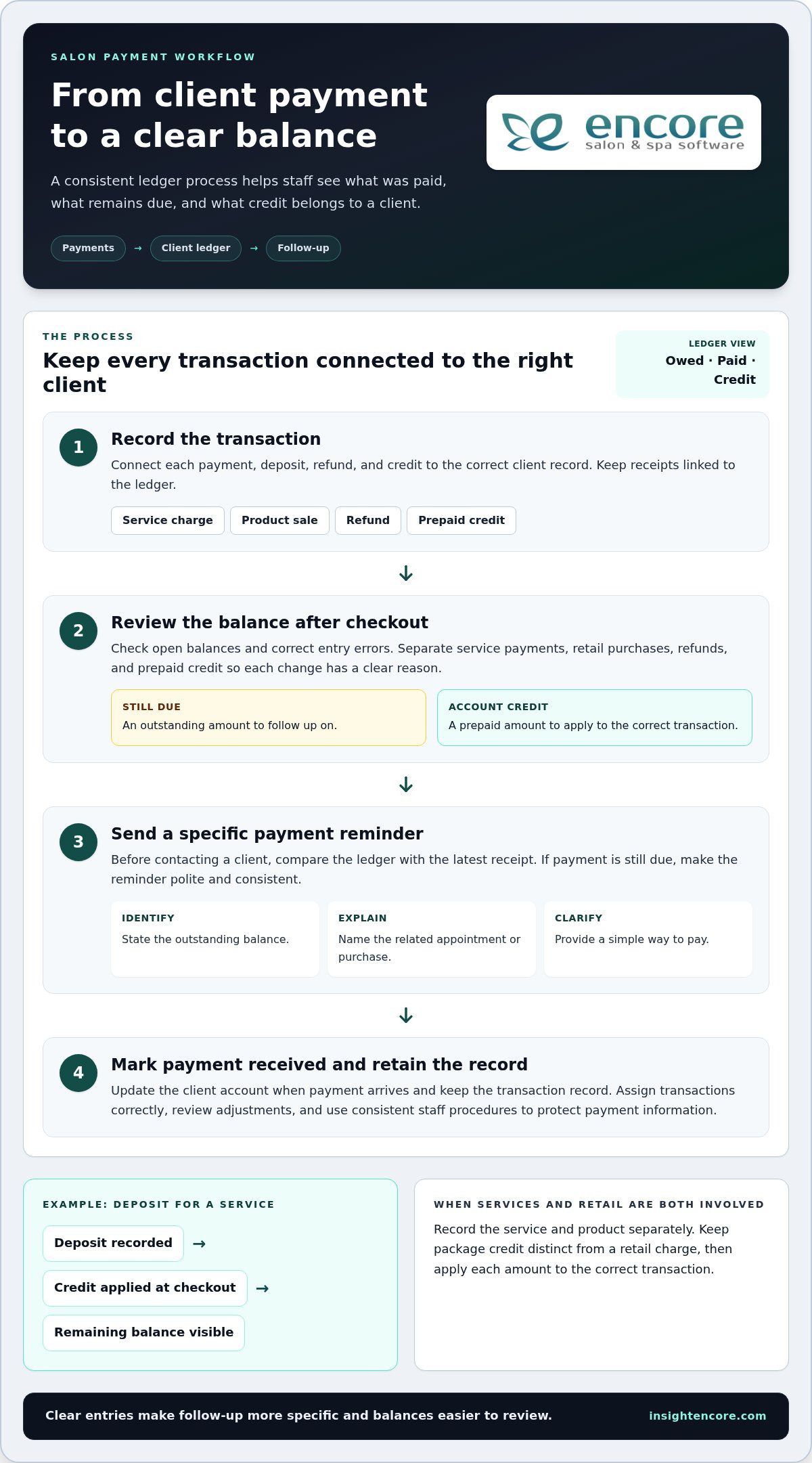
Categories
Uncategorized

Paper Appointment Book or Digital Calendar for Scheduling?

A paper appointment book is still effective if you want a clear, hands-on view of your schedule and are comfortable entering appointments yourself. A digital calendar is generally easier for recurring bookings, quick changes, and sharing schedules. Neither option suits everyone; the right choice depends on how you plan and manage appointments.

Paper’s simplicity has real appeal. Writing an appointment down can help you focus on it, while a planner shows your schedule without competing notifications. But manually recording recurring appointments and updating changes can become a chore, especially when the schedule is busy.

This comparison examines how paper appointment books and digital calendars handle scheduling, manual entry, and recurring appointments. You’ll see when each option works well, which limitations to consider, and how to choose a setup that keeps you organized without adding unnecessary work.

Key Takeaways

  • Use a paper appointment book when a visible, hands-on schedule fits the way you plan and you can keep entries current.
  • Consider how manual updates and recurring appointments affect your routine before choosing paper as your only calendar.
  • Build a simple double-booking check into your planning process, and keep appointments in one reliable system.
  • For a business, weigh how the scheduling method supports both day-to-day appointments and coordination with others.
  • Salon, spa, booth-rental, and tattoo businesses can explore Encore’s software options when they need scheduling tools suited to their work.

What are the advantages of a paper appointment book over a digital calendar?

A paper appointment book gives you a fixed, visible record of your plans. Open a weekly spread to see appointments, open hours, and personal commitments together. This overview can reveal crowded days before you add another task. Unlike a digital calendar, a paper page doesn’t prompt constant rescheduling with alerts or easy edits. You decide when to change the plan instead of reacting to notifications.

Handwriting may also help you remember scheduled activities and follow through. In the first of three studies, participants reported whether they completed plans two weeks after recording them. Paper-calendar users were more likely than mobile-calendar users to complete activities as scheduled and on time. The third study found that a higher percentage of paper-calendar users completed a self-created activity than mobile-calendar users. These results make paper worth considering when remembering and completing personal plans matters.

Writing by hand adds a deliberate step to planning. To book a dentist appointment, for example, you write down the date, time, and location instead of tapping through a screen. That pause gives you a chance to check the appointment against the rest of your day. Handwritten planning is also associated with better memory, focus, and comprehension. A paper page can help you engage with a commitment, not just store it.

A weekly paper spread makes competing priorities easier to compare at a glance. Mark work meetings, errands, and personal plans in different colors, then spot a packed afternoon quickly. This layout suits people who prefer seeing the whole week together rather than scrolling through calendar screens. Writing down a commitment can also make it feel more deliberate. A handwritten note to prepare documents before a meeting keeps the task visible beside the appointment.

Paper works without a charged device or an internet connection. You can open the book during a power outage, in a low-signal location, or while keeping your phone away during focused work. That independence can reduce interruptions from digital alerts. Task-switching, including briefly checking a notification, can reduce productivity for up to 20 minutes. A paper planner won’t generate those alerts, so your schedule stays visible without pulling you into another app.

Paper also lets you choose how information appears. Use a margin for travel time, a symbol for confirmed appointments, or a short note beside a client meeting. Unlike a fixed digital display, a page can combine an appointment with the context you need to act on it. For example, write “bring intake form” beside a scheduled visit. This approach works well when your planning needs are straightforward and you prefer one physical overview.

Paper planning remains relevant even as digital calendars lead adoption. In a 2018 survey, 70% of respondents relied primarily on a mobile or desktop calendar, while 28% relied primarily on paper. The figures show different preferences, not that one method suits everyone. A paper appointment book can still be effective when handwriting supports your focus, a weekly view helps you plan, and manual changes remain manageable. The deciding question is whether that routine helps you act on your schedule consistently.

What are the disadvantages and risks of using a paper appointment book?

A paper appointment book relies on you to enter every commitment and keep it current. If a meeting moves from Tuesday to Wednesday, you must update the original entry and any related notes. A crossed-out time can become hard to read, especially when several changes crowd the page. An outdated entry may leave you relying on a schedule that no longer reflects the day.

Recurring appointments require repeated effort. A digital calendar can set an activity to repeat, but with a paper book you must write down each occurrence. For a weekly team meeting, you need to add every date and revise each entry if the meeting changes. A missed entry can leave a gap, and copying the series by hand makes it easier to overlook a date.

Paper also lacks an alert system for reminders. If you need to prepare for an appointment, the book won’t notify you beforehand. For example, remembering to buy and send a birthday card a week before the birthday means recording both the birthday and the earlier task. Without that separate note, preparation can slip past while the main date remains visible.

Planning far ahead can be awkward when an appointment book ends with its covered period. If a client books a visit beyond the last dated page, you may need another book or a separate note to record it. That creates another place to remember and review. A digital calendar can hold future events beyond the period covered by a particular planner.

Sharing a paper schedule takes extra coordination. If two people need to know about a changed appointment, one must communicate the update and the other must record it. A phone call might change a meeting time, for instance, but a colleague checking an older written schedule won’t see the change. Digital calendars can sync information across devices, making shared schedules easier to update.

Paper entries don’t transfer automatically to other applications. If an appointment needs to appear in a separate work or booking system, someone must enter it again. This duplication creates another chance for a mistyped date, time, or name. Digital calendars can transfer information between programs, which helps when an appointment needs to appear in more than one place.

Capacity can be harder to assess when appointments, travel, and tasks are recorded on separate pages or notes. Before accepting a new commitment, you may need to scan several sections of the book and compare them. A digital calendar can show how activities overlap, helping you judge whether another task fits. Paper can still work, provided you consistently record the details that affect availability.

To reduce these risks, choose one main planning tool and build a regular review habit around it. At the start of each day, check for changed times, missing recurring appointments, and preparation tasks. When an appointment moves, update its entry immediately and clearly mark the old time. This routine helps keep a paper schedule usable, but its reliability still depends on manual upkeep.

Digital calendars may make it easier to see open time at a glance, but a paper book still depends on checking every relevant page and keeping each entry accurate. Missing five minutes per day adds up to 30 hours in a year, an estimate that illustrates how small scheduling gaps can accumulate. Recurring tasks need to be written in by hand rather than set up automatically, so each repetition creates another opportunity for omission. Tools like Encore Salon & Spa Software offer streamlined digital solutions for businesses that find traditional paper appointment books lacking the automation and flexibility needed for tightly timed commitments.

Paper Appointment Book or Digital Calendar for Scheduling?

How can I organize appointments and avoid double-booking with a paper planner

Choose one paper planner as your official schedule. Don’t split appointments between a desk calendar, pocket notebook, and loose notes. Each extra location creates another place to check before accepting a commitment. Keep the planner where you handle scheduling, such as beside your phone or at your reception desk. When someone requests a time, open the planner before agreeing. This makes the written schedule your single source of truth.

Set up the pages before entering appointments. Use the monthly view to mark deadlines, planned time away, and important dates. Use the weekly or daily pages for specific meetings and tasks. If a week is especially busy, write work appointments in one color and personal commitments in another. Add names, locations, and preparation notes beside each entry. A note such as “bring signed form” makes the record more useful than a time alone.

  1. Record the full appointment. Write the date, start time, expected length, name, and location. For a visit at a client’s office, include the address or a clear travel note. A short label such as “meeting” may not tell you which person or place the entry concerns.
  2. Check the surrounding schedule. Before accepting a new booking, scan the day and the adjoining days. Look for travel, preparation, and follow-up tasks, not just empty appointment lines. A free slot may still conflict with time needed to reach another location.
  3. Leave practical space between commitments. Add a note for travel or setup when an appointment requires it. For example, mark travel after an off-site meeting before placing another commitment nearby. This makes the page reflect the time the task actually occupies, not only its scheduled start.
  4. Update changes immediately. When a meeting moves, cross out the old entry so it cannot be mistaken for current information. Write the replacement time clearly and update related notes. If the change affects another person, tell them directly rather than assuming they can see your planner.
  5. Review the schedule at a consistent point. Check the next day before finishing work, then compare new requests against the written plan. Look for missing details, overlapping times, and tasks that need preparation. This review gives you a chance to resolve a conflict before it becomes a missed appointment.

Recurring commitments need a deliberate recording routine. If a class meets weekly, add each date covered by the planner, then review the pattern when a new page begins. Don’t assume that writing down the first meeting will remind you about the rest. For tasks tied to an appointment, record the task on the day it needs to happen. A birthday-card reminder, for instance, belongs on the day you plan to buy or send it, not just on the birthday.

Use one clear method for cancellations. Draw a line through a cancelled appointment and write “cancelled” beside it rather than erasing it completely. The marked entry explains why a time slot is open and prevents an old commitment from being mistaken for a current one. If a colleague also schedules appointments, agree on who records changes in the shared book. A paper system works best when everyone follows the same entry and update routine.

Choose a planning method you’ll maintain, and stick to one main tool. A paper planner can help prevent double-booking when every request is checked against it, changes are recorded promptly, and the schedule is reviewed regularly. If several people need to book or update appointments independently, a shared digital calendar may suit that workflow better.

Are paper appointment books suitable for businesses and healthcare providers?

Yes, a paper appointment book can suit a business with a straightforward schedule and a consistent booking routine. A solo practitioner, for example, can record appointments, breaks, and preparation notes in one daily view. The method works best when one person maintains the book and checks it before confirming each new booking. Coordination becomes harder as more staff need to view or update the same schedule.

Paper remains a real choice among calendar methods. In a 2018 survey, 28% of respondents said they relied primarily on a paper calendar. That figure describes respondents’ reliance, not how well paper works for every business. A business should consider who makes bookings, how often appointments change, and whether staff need to share updates. A single provider managing their own day has different coordination needs from a reception team booking for several practitioners.

For a small business, a paper book can provide a clear front-desk record. Staff can write down the customer’s name, appointment time, service, and relevant preparation notes. A daily review can help identify gaps and conflicts before the day begins. Clear ownership matters: if one employee records bookings while another handles changes, both need to update the same book promptly.

Paper becomes less convenient when several people schedule appointments independently. A receptionist may record a booking while a practitioner accepts another commitment elsewhere. Separate notebooks or desk calendars make it difficult to see the full schedule in one place. A shared digital calendar can sync information across devices and make changes easier to share. Choose based on how staff coordinate, not simply on a preference for paper or screens.

Healthcare providers need to consider both scheduling and how appointment information is handled. A paper diary may give a provider a personal view of consultation times, but it won’t automatically alert staff to changes. If a patient calls to reschedule, the person taking the call must update the entry and notify anyone affected. Avoid including unnecessary personal details in visible appointment notes, and store the book where casual visitors cannot read it.

For a clinic with multiple providers, rooms, or staff members, a single paper book can be difficult to maintain. Changing one appointment may affect room use, preparation, or another clinician’s availability. Teams need a shared procedure for recording bookings, cancellations, and updates. They should also decide who checks the day’s schedule and how staff communicate changes. Without consistent routines, even a neatly written planner can show outdated information.

Use a paper appointment book when one person controls bookings, the schedule is straightforward, and manual updates are manageable. Consider a digital system when appointments recur, change frequently, or are shared across staff and locations. You can also use paper for personal planning while keeping shared bookings in a common calendar. The best setup is one staff use consistently to keep the current schedule clear.

Explore appointment scheduling options

A clear process for recording bookings, changes, room assignments, and staff notifications helps ensure each update reaches the people affected. A paper planner offers a fixed view of a person’s time, unlike digital tools with alerts and easy rescheduling. That steadier view may suit providers who want to review the day without relying on prompts, but someone still needs to make and communicate changes. Teams can agree who maintains the book, when entries are checked, and how changes are shared with colleagues. They can also limit notes to information needed for the appointment and put the book away when it is not in use. The key question is whether a fixed, carefully maintained record suits the provider’s workflow and whether staff can keep it current as appointments change.

Encore Salon & Spa Software: Encore Salon Software

Encore Salon & Spa Software offers Encore Salon Software for salon operations, including appointment booking and client management. If paper entries are becoming difficult to coordinate with bookings and client records, software can bring those tasks into one management system. The right fit depends on your business and scheduling needs.

Encore Spa Software supports spa businesses, while Chair/Booth Renter Software is tailored to chair and booth renters. Tattoo studios can use Tattoo Studio Software. These solutions help businesses choose tools suited to their work instead of relying on a paper planner alone. A paper book may still suit personal planning, while software can support appointment management across business operations.

Contact Encore Salon & Spa Software to discuss your scheduling needs.

Choose a scheduling system that can grow with your routine

Whether a paper appointment book is still effective depends on how well it supports your current workflow and the changes you expect. If you can manage your schedule by hand, keep using a planner you can maintain consistently. If coordinating bookings is becoming harder, consider a system designed for your business and its appointment needs.

Encore Salon & Spa Software offers Encore Salon Software, Encore Spa Software, and Chair/Booth Renter Software. These options give salon, spa, and booth-rental businesses a relevant next step when paper scheduling no longer suits day-to-day operations. Choose a planning approach that keeps you organized and gives your team a clear process to follow.

Contact Encore Salon & Spa Software

Your schedule should support good work, not create unnecessary friction. When you’re ready, take the next step and build a routine that feels clear and manageable.

Frequently Asked Questions

Are paper appointment books effective for managing schedules?

Yes, paper appointment books can manage schedules effectively when bookings are recorded consistently and the schedule isn’t shared among many people. To assess your setup, compare the planner with actual appointments at the end of a typical week. Look for missed changes, unclear entries, or bookings that weren’t copied into the book. If these problems keep recurring, a digital calendar may better support how your schedule is managed.

Disclaimer

This article is general in nature and may contain errors, please verify all claims with your sales rep

Categories
Uncategorized

How to Manage a Salon with Google Calendar and Prevent Gaps

Google Calendar can help prevent double bookings because its appointment scheduling checks multiple calendars for conflicts. Managing a salon with Google Calendar also means reviewing bookings regularly to spot overlaps and open gaps before they disrupt the day. The calendar can integrate with email clients and messaging services, too.

A shared calendar can feel like a practical starting point: your team can view appointments in one place. But keeping the schedule clear still depends on how you set up calendars, assign access, and handle changes.

This guide explains how to organize salon calendars, choose useful views, and use appointment scheduling to reduce clashes and unfilled time. You’ll also learn when manual scheduling becomes harder to manage as your salon grows, and when salon management software may better coordinate appointments and client details.

Key Takeaways

  • Use clear calendar names and consistent event details so your team can understand each appointment at a glance.
  • Choose a calendar view that helps you spot open blocks and busy periods when planning the salon’s day.
  • Separate calendars by purpose or staff member, then display them together when you need an overall schedule.
  • Set up appointment blocks and team access thoughtfully to make daily scheduling easier to maintain.
  • Recognize when manual calendar coordination is becoming difficult to manage, and consider salon software for a more connected workflow.

Preventing double bookings and schedule gaps

Google Calendar appointment scheduling checks multiple calendars for conflicts, helping prevent overlapping bookings. Use these steps to set availability, collect useful booking details, and protect time for salon work.

  1. Create appointment booking slots in Google Calendar by selecting “Create” and choosing “Appointment schedule.” Set the booking page’s availability, appointment duration, and booking window, then share the page with clients. Match available slots to the services and staff actually offered that day.
  2. Choose booking form fields that help you prepare, such as the client’s name, email, and requested service. Require email verification if the booking setup offers it, and check that clients receive confirmation at the address they enter. Clear booking page details, including the salon’s location or online meeting option, tell clients where to go.
  3. Use Co-hosts to Prevent Double Bookings

Add the staff member responsible for an appointment as a co-host when the booking requires their time. Google Calendar appointment scheduling checks multiple calendars for conflicts, so include calendars that reflect each co-host’s availability. Before sharing a booking page, review who is included and don’t rely on a personal calendar that staff don’t keep current.

  1. Block Service, Break, and Staff Time

Block time for salon services, breaks, and staff schedules by adding events to the relevant calendars and marking unavailable periods as busy. For example, add a lunch event to a stylist’s calendar so appointment availability reflects the break. Add reminders to appointments and review confirmation settings so clients receive the correct time, service details, and location.

  1. Set buffer time around services by adjusting availability or blocking the transition between appointments. A stylist may need a gap for cleanup or preparation, while another service may require less turnaround time. Set daily booking limits and leave appropriate open blocks instead of making every calendar space bookable.
  2. Review the booking calendar regularly against staff schedules and confirmed appointments. Check for new events, changed availability, and empty blocks that could suit a service. When a booking changes, update the calendar promptly and make sure the client’s confirmation and reminders reflect the revised appointment.

Google Calendar appointment scheduling can collect payment at the time of booking through a connected Stripe account. This gives salons a way to take payment as part of booking, alongside the availability and booking details managed in the calendar. When using Salon Booking System, the article advises setting the average session duration to 30 minutes to create a reservation at 9.30. For adding events at 4.15, it advises an average session duration of 15 minutes. These settings are specific to the described booking tasks and can help keep entries consistent with the intended appointment time.

The Salon Booking System article advises waiting two minutes after creating a Google Calendar event before checking whether it synced. This gives you a clear point to check the connection instead of assuming the event appeared immediately. Deleting a Google Calendar event cancels its synchronized reservation in the Salon Booking System, so treat removal as a cancellation and verify the affected booking. These steps help prevent a removed or unsynced calendar entry from being mistaken for a confirmed reservation.

Problems with manual salon scheduling

  1. Audit how appointments move from request to confirmation. Write down who answers calls, updates Google Calendar, and tells the stylist about changes. If one person records a booking while another edits the schedule, compare both entries before confirming. A simple handoff rule, such as assigning one staff member to enter each request, reduces missed updates and clarifies responsibility.
  2. Review calendar access before adding staff or sharing a salon calendar. Shared Google Calendars may expose sensitive client information and detailed appointment notes to people with access. A shared calendar can expose client names and appointment details; keep sensitive information out of event titles and notes, and limit access to staff who need it. For HIPAA-related or other sensitive data, don’t assume a shared calendar is suitable for every detail.
  3. Choose scheduling software by listing the manual tasks that cause repeat work. Compare how each option handles online appointments, client records, staff availability, changes, and booking updates. For example, if a receptionist must copy every online request into another schedule, prioritize a workflow that keeps bookings together. Make sure staff can find the appointment details they need without exposing unrelated client information.
  4. Test mobile access with a real schedule change. Open the calendar on a phone, find the next appointment, and update a sample staff event. Confirm the right people can see the change and understand which service or time it affects. Mobile access is useful only when staff know which calendar to open and how to record updates consistently.
  5. Set a booking window that matches how the salon plans its work. Decide how far ahead clients can book and how much notice the team needs to prepare. For example, a service requiring product preparation may need a different lead time from a routine trim. Review the booking window when staff hours or service availability change so old openings don’t remain bookable.
  6. Coordinate staff schedules before opening appointment availability. Compare each stylist’s working hours, time off, and assigned services, then resolve conflicts before clients book. As appointment volume grows, manual checks can become harder to maintain, especially when several staff calendars change independently. Use a shared process for recording availability and confirming changes instead of relying on hallway conversations or memory.

As a salon grows, Google Calendar may struggle to manage a larger appointment volume without advanced salon management features. This matters when staff must keep availability, changes, and confirmations aligned. If manual checking takes more attention, reassess the workflow rather than simply adding more calendar entries. Identify the steps that still depend on someone copying information, chasing a confirmation, or remembering to update availability. Then consider whether salon management software can bring those tasks into one process while preserving the access controls the salon needs. Test any change against the salon’s actual booking routine: enter a sample request, make a change, and verify that the schedule reflects it consistently. Keep the process clear for every staff member.

How to Manage a Salon with Google Calendar and Prevent Gaps

Calendar organization

Set up Google Calendar so staff can identify appointment details quickly. Use consistent names, event fields, and settings to make the daily schedule easier to scan. Managing a salon with Google Calendar works best when the team follows the same organization rules.

  1. Name calendars by purpose, such as “Salon Appointments,” “Staff Time Off,” and “Room Availability.” Clear labels help staff choose the correct calendar before adding an event. Avoid vague names like “Schedule” when several calendars appear together. Keep the naming pattern consistent as the salon adds staff or service areas.
  2. Choose a consistent event title format, such as “Service | Client | Staff.” For example, “Color | Alex Lee | Morgan” makes the appointment type and assigned stylist visible in the calendar grid. Use the same order for every booking so staff don’t have to interpret a new format each time. Keep sensitive client details out of titles visible to shared-calendar viewers.
  3. Decide which event details belong in the description, then use the same pattern each time. Add practical notes such as the requested service, preparation needs, or best contact method. For example, a color appointment could include a formula consultation reminder, while a haircut could note the client’s preferred stylist. Don’t use the description as a substitute for a separate client record.
  4. Apply color settings consistently to distinguish appointment types or staff calendars. You might use one color for booked services and another for staff meetings, then keep those choices stable. Color is a visual cue, not a replacement for readable titles. Check the calendar on a phone as well as a computer, because a compact screen may show fewer event details.
  5. Choose the calendar view that suits the task. Use a daily view to review each stylist’s sequence of appointments, then switch to a weekly view to see coverage and open periods. A monthly view can help with broader planning, such as staff time off. For managing a salon with Google Calendar, choose the view that answers the immediate question instead of scanning every date at once.
  6. Use recurring events for predictable commitments, such as a weekly team meeting or regular staff break. Before saving a repeating event, check its calendar, time, and end date so it doesn’t block bookable hours by mistake. When a staff schedule changes, update the recurring series and review future dates for conflicts. This keeps routine events organized without carrying outdated availability forward.
  7. Make a brief calendar cleanup part of the salon’s closing routine. Review the next day’s event titles, assigned staff, and appointment details, then correct duplicates or unclear entries. For example, if two calendars show the same service, confirm which entry is authoritative before changing either. A consistent review keeps the schedule readable as bookings and staff plans change.

Multiple calendars

Separate calendars can make staff availability, appointments, and salon resources easier to review. Create calendars by purpose, then decide how each team member should use them.

  1. Create a dedicated Google Calendar for each scheduling category, such as salon appointments, staff availability, and room use. Keep the main appointment calendar focused on client visits. Put staff meetings and time off elsewhere so they don’t crowd service details. A separate calendar for premium services can help staff plan resources without mixing those bookings with routine appointments.
  2. Give each calendar a clear name and distinct color. For example, label calendars “Appointments,” “Staff,” and “Rooms,” then assign each a consistent color. A stylist scanning a weekly view can quickly distinguish a room booking from a client appointment. Don’t rely on color alone; recognizable names help staff understand the schedule when colors look similar on smaller screens.
  3. Share each calendar only with people who need it. A stylist may need access to their working schedule, while a receptionist may need the salon appointment calendar. Review sharing settings when someone joins or leaves the team. Shared calendars can expose event details, so keep private client notes out of titles and descriptions visible to broader groups.
  4. Display relevant calendars together when checking for conflicts. In Google Calendar, turn on the calendars you need in the calendar list, then review the combined view before assigning a room or stylist. For instance, compare appointments with staff availability and room use before confirming a premium service. Hide unrelated calendars afterward to keep the daily view readable.
  5. Choose one calendar as the source for each event type. If a client appointment belongs on “Appointments,” don’t also create a duplicate on the stylist’s personal calendar. Add the stylist as a guest when they need an invitation, and check that the event appears where expected. Consistent ownership makes updates easier to track and reduces confusion about which entry is current.
  6. Use recurring calendar events for regular staff meetings or predictable room closures, and review future dates after any schedule change. Google Calendar can integrate with email clients and messaging services, helping staff coordinate around calendar information. Set a simple routine: review the relevant calendars before opening bookings, then update the event’s original calendar if plans change.
  7. Keep the calendar structure simple enough for staff to follow. Start with appointment, staff, and room calendars, then add another only when it solves a clear scheduling need. Too many calendars can make the combined view harder to scan. Review calendar names, sharing access, and visibility settings as the salon’s team or scheduling process changes.

How to set up Google Calendar for a salon

Build the calendar around your actual services, staff availability, and daily workflow. These steps create a practical foundation before clients begin booking.

  1. Use a dedicated Google account for salon scheduling instead of tying bookings to one employee’s personal calendar. Choose an account the appropriate managers can access, then set its time zone to the salon’s local time. Correct time settings help prevent confusion when staff or clients view appointments from another device.
  2. Create calendars for the schedule categories your team needs to see, such as client appointments, staff availability, and room use. Give each a clear name and distinct color. Keep the structure simple at first, adding another calendar only when it separates a real scheduling task rather than making the calendar list harder to manage.
  3. Enter each staff member’s working hours and recurring commitments before opening appointment availability. Add events for time off, meetings, and unavailable periods to the relevant calendar. Then compare those entries with the salon’s opening hours. This gives appointment scheduling a clearer picture of when staff can accept bookings.
  4. Set up an appointment schedule that reflects the services clients can actually book. Choose available days and times, appointment duration, and the booking window. Match service lengths to the work involved: a longer color appointment should not use the same slot as a quick trim. Review availability whenever services or staff hours change.
  5. Check which calendars appointment scheduling uses to identify conflicts. Include calendars that show staff commitments, then review the schedule before sharing the booking page. Google Calendar appointment scheduling checks multiple calendars for conflicts. A calendar without current availability can still leave openings or clashes, so keep relevant schedules updated.
  6. Complete the booking page with the salon’s name, location, and client instructions. Add form fields that collect the details staff need to prepare, such as the requested service and contact information. Keep instructions direct. For example, state whether clients should arrive at the salon or use an online meeting option for a remote consultation.
  7. Set calendar sharing permissions according to each person’s role. Give staff access to the schedules they need and avoid broad access to calendars containing private appointment notes. Keep sensitive client details out of visible event titles. Test the booking process as a client, then confirm the appointment appears on the correct salon and staff calendars.
  8. Agree on a routine for changes before the calendar goes live. Decide who updates cancellations, staff absences, and service changes, then tell the team where to record them. Review upcoming appointments at opening or closing, and correct duplicate or outdated entries. This operating habit keeps the calendar useful beyond the initial setup.
Explore salon scheduling software

Encore Salon & Spa Software: Encore Salon Software

Encore Salon & Spa Software offers Encore Salon Software for salons that need more than a shared calendar. If appointment coordination, client records, inventory, and sales transactions are becoming difficult to manage separately, the platform brings these salon operations together.

Google Calendar can organize availability, but salon software may be a better fit for teams that also need online appointment booking and client management in their daily workflow. Encore Salon Software supports salons, while Encore Spa Software, Chair/Booth Renter Software, and Tattoo Studio Software are designed for other business types.

Choose the approach that fits your scheduling needs and how your salon manages client information. Contact Encore Salon & Spa Software to discuss your salon’s needs.

Build a schedule that supports your next stage

Managing a salon with Google Calendar can be a sensible way to coordinate appointments when your team keeps its calendars current. As your workflow grows, consider whether a shared calendar still gives you the tools to organize client and business information together. The right setup should fit how your salon works today and adapt as your services and staffing needs change.

Encore Salon & Spa Software offers Encore Salon Software, Encore Spa Software, and Chair/Booth Renter Software for different business types. Explore these options if you’re looking for software to support how you manage appointments and operations.

Explore Encore Salon Software

Choose a scheduling approach your team can maintain with confidence. A clear process lays the foundation for a calmer, more organized day.

Frequently Asked Questions

Does it integrate with calendars?

Google Calendar can integrate with email clients and messaging services, helping salon teams coordinate appointment information across their usual communication tools. For example, staff can use calendar events alongside email when reviewing a client’s appointment details. Before relying on an integration, identify which calendar holds the authoritative booking record and make sure the team updates it when plans change.

Does it reduce no-shows?

Calendar reminders can help clients remember appointments, but they can’t prevent every missed visit. Add a reminder to the event and include the appointment time, service, and salon location in the details. For example, a client booking a color service should receive enough information to recognize the appointment. Keep contact details current so staff can follow up when a client needs to change plans.

Disclaimer

This article is general in nature and may contain errors, please verify all claims with your sales rep
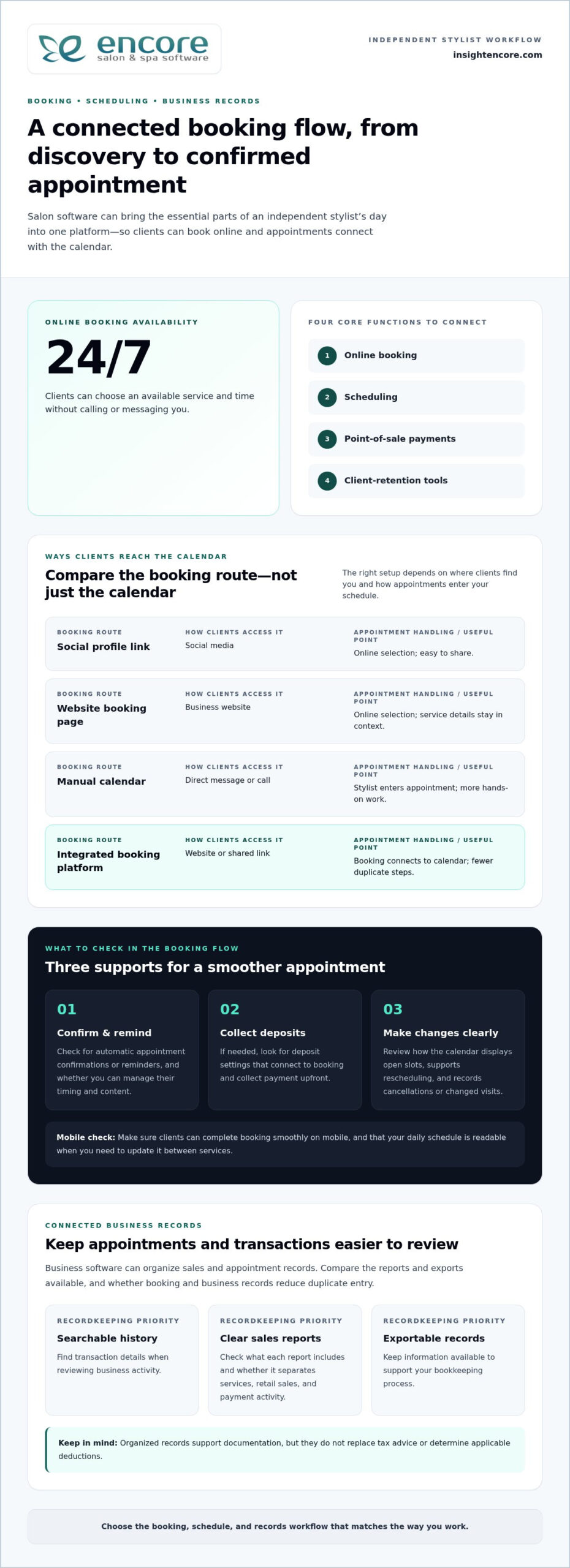
Categories
Uncategorized

Getting Clients to Use Online Booking With Clear Settings

You don’t have to leave your calendar wide open to offer online booking. Getting clients to use an online booking portal starts with clear settings: how far ahead they can book, which services they can choose, and when appointments are available. Set the booking window to suit your business, then explain the options simply.

It’s understandable to worry that an online system could make scheduling feel less personal or create confusion. In practice, clients are more likely to book when the process is easy to find, service details answer their questions, and the settings match how your business works.

This guide explains how to share booking links, clarify service information, and use flexible settings to support client self-service. You’ll also learn how a client portal can simplify booking for returning customers and how to introduce it in a helpful, low-pressure way. Small improvements can make the next step clearer for clients and easier for your team to manage.

Key Takeaways

  • Make the booking option easy to spot across your website, social profiles, and client messages.
  • Write service descriptions that help clients choose confidently without needing to contact you for basic details.
  • Set booking windows, appointment availability, and form fields to fit the way your business operates.
  • Use clear confirmations and reminders to guide clients through booking and appointment changes.
  • Introduce the client portal with simple instructions so clients know how to use it for their next visit.

Encourage clients to book online by placing a clear booking link where they already find your business. Use the same direct invitation on your website, in your email signature, on social media, and in replies to appointment inquiries.

Make the link easy to spot in every channel. On your website, put “Book Now” in the main navigation and near service descriptions. Add the booking link to your email signature and social media bios, so clients can act while they’re considering an appointment. In automated email, SMS, or Messenger replies, include the link with a short prompt such as, “Choose a service and appointment time online.”

Social media can support discovery as well as booking. 32% of consumers use social media to discover new brands and research what to buy. Make the next step clear on platforms such as Instagram or Facebook: a profile link, a booking button, or a post that leads directly to the appointment page. Avoid sending people to a general homepage when a direct booking link can take them closer to choosing a service.

Keep website booking straightforward. Use familiar button text, such as “Book Now” or “Schedule an Appointment,” rather than a vague phrase like “Get Started.” Place booking among the first navigation options, ideally as the second or third tab from the homepage. Then test the route yourself: start at the homepage, select a service, choose an available time, and check that each step is clear.

Website and social media integrations can shorten the booking process by letting clients start from the channel they’re already using. Keep service names, appointment details, and the destination consistent wherever the link appears. For example, a post promoting a haircut should lead to the haircut option, not a broad list that makes clients search again. Check links regularly, especially after changing website navigation or social profiles.

Promote online booking in materials clients already receive. Add the link to newsletters and appointment follow-ups, and use printed cards with a scannable code that opens the booking page. A short demonstration video on YouTube, TikTok, or Instagram can show where to tap and what information clients need. Keep the demonstration focused on the actual process, from opening the link to receiving confirmation.

To measure adoption, compare portal bookings with all bookings over the same period. Divide portal bookings by total bookings to find the share made online. To measure conversion, divide completed online bookings by visits to the booking page. Compare channels to see which links lead to appointments.

2. Benefits of online scheduling compared with phone and email bookings

Phone and email bookings depend on someone being available to answer, record details, and confirm a time. An online platform lets clients choose from current availability without waiting for a reply. In a 2021 GetApp survey, 59% of participants said phone scheduling frustrated them because of hold times and inconvenient office hours. The same survey found 95% would be more likely to choose a new service provider offering online booking.

Less back-and-forth can also give staff time back. Professionals reported spending almost 5 hours a week booking meetings. A scheduling platform can put appointment requests in one place, create a text-based record of client interactions, and send confirmations automatically. Calendar synchronization with Google Calendar or Outlook can help prevent conflicting appointments, while clients can add bookings to their own calendars.

Separate schedules help clients find options that suit their needs. Set availability by service, staff member, or location, then show only relevant appointment times. For example, a client looking for a massage at one branch shouldn’t have to sift through another location’s schedule or unrelated services. Clear categories make choices easier and help staff manage different appointment types.

Automation can reduce manual entry and errors caused by copying appointment details between calls, emails, and calendars. Use one shared schedule as the source of truth, and ensure each booking updates availability. Test a sample appointment from start to finish, including a change or cancellation. Confirm that the correct service, staff member, location, and time appear in the schedule.

Online tools can also make cancellations easier to manage. Clients can change or cancel appointments themselves, while automated notifications can confirm a booking, update, or cancellation. Send reminders by email or SMS, and keep the cancellation instructions visible in the booking flow. In a 2021 GetApp survey, 61% preferred to cancel or reschedule online, compared with 27% by phone and 7% by email.

Choose a platform based on what your team needs to do. Check that it separates schedules clearly, updates availability, supports client changes, and sends useful notifications. If you use Google Calendar or Outlook, look for calendar synchronization to help prevent double bookings. Then test the client experience on a phone and computer, since clients may book on either.

For a salon or spa, a connected booking workflow can bring appointments and client records together. Explore an online booking workflow as a practical next step when manual scheduling takes too much staff time.

3. Using service and business information to support self-service

Clients can book independently when the page answers practical questions before they choose a time. For each service, explain what it includes, who it suits, how long it takes, and anything clients should prepare. For example, distinguish a standard haircut from a haircut with a wash, so clients can select the right appointment without calling. Keep wording consistent between the booking system and your other business information.

Give each service a clear page or section, with your logo, service-specific details, and a booking flow suited to the appointment. A massage page, for instance, can introduce the service and lead directly to available times. Branded pages help clients recognize your business, while distinct descriptions prevent one service from being mistaken for another. Ask a colleague to follow the steps and flag unclear labels or confusing choices.

Location details matter when clients can visit more than one branch. Name each location clearly and include its address, opening hours, and relevant arrival instructions. Connect each service to the locations where it’s available. A client choosing a facial should see the right branch and appointment times, rather than a location that doesn’t provide that service. Review location details whenever hours or service availability change.

Make appointment changes convenient. Let clients cancel or reschedule through the booking system, and explain the steps and applicable cancellation policy before they confirm. Keep contact options visible for questions that need personal help, such as requests involving multiple services. Automated email or SMS reminders can reinforce appointment details, while self-service changes let clients update plans through their preferred channels.

Keep information accurate throughout the booking journey. Test a booking from the service page through confirmation, then check that locations, hours, service details, and cancellation policies match your current operations. A scannable contact card can also help clients connect with your business quickly. If clients regularly ask the same question, answer it on the relevant service page rather than making them search elsewhere.

Give staff a simple, consistent handoff: show clients where to find online booking, explain how to choose a service, and offer the direct link when they ask to book. Practise the steps together, including how to find contact information or change an appointment, so every team member can guide clients confidently.

Getting Clients to Use Online Booking With Clear Settings

4. Customizable booking settings and messages

Set booking options to reflect how your business actually runs. Choose which services clients can book, when appointments are available, and how far ahead the calendar opens. A flexible booking page can give clients access 24/7, while limits on available dates help you plan staffing and appointment capacity. Test the settings as a client before sharing the page.

Customize the booking page with your logo, clear instructions, and a short form. A step-by-step flow can ask clients to choose a service, location, and time without presenting one long form. Collect only the details needed for the appointment, such as a client’s name and preferred contact method. Remove questions that don’t help you prepare for or manage the visit.

Make location descriptions useful before clients choose a time. Include the branch name, address, hours, and arrival instructions, then connect each location to the services available there. For example, explain which entrance to use or where to find the studio. These details help clients choose the right location and reduce confusion in confirmation messages.

Use automated messages to make each booking step clear. Send a confirmation with the chosen service, location, date, and time. Include practical details in a reminder, such as preparation instructions or how to reschedule. Keep the wording direct and consistent with your business profile, so clients recognize the messages and know what to do.

Online booking incentives can encourage clients to try self-service, but keep the offer simple and easy to understand. Options include loyalty points for online bookings, a complimentary add-on, or a percentage discount. For example, a promotion might offer 50% off an add-on service when a client books a nail appointment in the next two weeks. State the terms beside the booking option to avoid surprises.

For a U.S. booking portal, protect client information during transmission and storage, and collect only details needed for appointments. Make the booking flow accessible with clear labels, readable text, and forms that work with common assistive technologies. These practical steps support privacy, security, and accessibility without asking clients to share unnecessary personal details.

Finally, review the complete experience on a phone and computer. Book an appointment, read each message, and confirm the calendar shows the correct service and location. If a returning client can’t tell where to change an appointment or apply an online offer, clarify the page labels and instructions before promoting it.

5. Enabling client-portal booking

A client portal gives returning clients a familiar place to manage appointments instead of starting from scratch each time. Connect the booking system with your management system so appointment and client information stays together. Explain what clients can do in the portal, such as book, review appointment details, or make changes. Clear expectations help clients understand its value before creating an account or booking.

Introduce the portal gradually. Getting clients to use an online booking portal often takes time, so give them room to learn the process. Start by inviting regular clients to try it, then use their questions to improve the instructions. Once the steps are clear, share them with your wider client base through email, appointment follow-ups, and social channels.

Make the first action easy to follow. Provide a short written guide or video tutorial showing how to open the portal, find a service, and select an appointment. Use the same labels clients see on screen. For example, if the portal says “Choose a service,” use that phrase in your instructions instead of “select a treatment.” Consistency means clients don’t have to guess which button to press.

Staff can support the transition without taking the booking away from clients. When someone calls or visits, guide them through the portal once, then invite them to use it next time. If a client prefers phone or email, help with that booking while explaining the self-service option. Offer a useful choice without making clients feel pushed into a new process.

Review portal use and common points of confusion to see how the rollout is progressing. Notice whether clients start but don’t finish, need help accessing accounts, or struggle to find the right service. Update the relevant instruction or booking step, then share the revised guidance. Keep a simple record of recurring questions, such as where to change an appointment or find a confirmation.

For potential customers who find your business through Google or social media, make the portal’s next step clear from the start. Returning clients may prefer a familiar portal, while first-time visitors may need service details before booking. Getting clients to use an online booking portal is easier when the portal gives both groups a clear route.

Explore an online booking solution

Encore Salon & Spa Software: Encore Salon Software

Encore Salon & Spa Software brings online appointments and client management together in one platform. Encore Salon Software and Encore Spa Software support salons and spas that want clients to book online while keeping appointment and client information organized. Chair/Booth Renter Software and Tattoo Studio Software support distinct business settings with different booking needs.

Consider an online booking system if clients still rely on calls or messages to find an available time, or if staff manage appointments across separate tools. An online booking module makes self-service part of your daily workflow, while client management tools keep client details alongside appointments. The right setup should reflect your services and how your team schedules them.

Explore the options that fit your business, or contact Encore Salon & Spa Software to discuss your booking needs.

Make your next booking step easier

Getting clients to use an online booking portal is an ongoing part of creating a convenient client experience. Treat the portal as part of your service, not just a scheduling tool: notice where clients hesitate, refine the steps, and make each visit easier to arrange. Thoughtful adjustments can help clients feel more confident booking on their own.

When you’re ready to connect online booking with the way your business manages appointments, Encore Salon & Spa Software offers Encore Salon Software, Encore Spa Software, and Chair/Booth Renter Software. Choose the option that fits your business, then shape a booking experience for your team and clients.

Explore Encore’s online booking options

Keep the next step clear and welcoming. With a booking process that works for your business, you can help clients move from considering an appointment to choosing a time more easily.

Frequently Asked Questions

Why Aren’t My Customers Booking Online Yet?

Clients may not notice the booking option, understand the choices, or trust the steps needed to finish. Follow the path from a social profile or Google search to the confirmation screen, and note where it becomes unclear. Check whether a service looks unavailable, the page asks for unnecessary details, or clients must create an account before seeing times. Fix the point of friction first, then review whether completed bookings improve.

What are the benefits of online booking portals for clients and businesses?

Clients can compare services and available times at their own pace, while businesses receive appointment details in a consistent format. This can make it easier to prepare for a visit, such as noting a client’s selected service before they arrive. A shared digital record also helps staff find booking information without searching separate email threads. The portal is useful when it reflects real availability and gives clients a clear next step.

How should a business introduce an online booking portal to existing clients?

Introduce the portal during a familiar interaction, such as checkout after an appointment, and explain one useful action clients can take there. You might say, “Next time, you can choose your service and time through our booking page.” Give clients a simple written guide and invite questions without making online booking a condition of service. Use early feedback to clarify confusing instructions before sharing them more broadly.

What incentives increase online booking portal adoption?

Offer a clear, easy-to-redeem reward, such as loyalty points for a completed online booking or a complimentary add-on. Explain the offer before clients begin, including which service qualifies and how they receive the reward. Avoid complicated conditions that leave clients needing help to understand the promotion. Track whether the incentive encourages repeat portal use, not just one-time bookings, and adjust the offer if clients don’t find it useful.

How can businesses make an online booking portal easy to use on mobile?

Test the complete booking journey on a phone, from opening the page to receiving confirmation. Keep service names and instructions brief, make buttons easy to tap, and avoid forms that require repeated typing. Check that clients can read appointment details without zooming or scrolling sideways. Ask someone unfamiliar with the page to book a sample appointment on their device, then simplify any step that causes hesitation.

What are common reasons clients avoid online booking, and how can businesses address them?

Clients may worry about sharing personal details, struggle to choose the right service, or need help with a specific request. Explain why each required form field is needed, and make service differences easy to understand. Keep a contact option visible for questions that don’t fit the standard booking flow. If clients repeatedly ask about the same step, revise the page or instructions to address that concern before it blocks another booking.

Disclaimer

This article is general in nature and may contain errors, please verify all claims with your sales rep
Categories
Uncategorized

How to Increase Salon Client Frequency With Better Follow-Up

Repeat visits are built between appointments, not just at the chair. To understand how to increase salon client frequency, make the next visit easier to book, follow each client’s usual service rhythm, and send a helpful reminder when they’re due. A practical target is 7-8 visits per client per year, adjusted to the services they choose and the maintenance schedule that suits them.

It’s easy to assume clients will remember to rebook when they’re ready. In practice, asking about their preferred days, times, and booking methods can make returning easier without creating pressure. Tracking visit patterns also helps you notice when a client’s usual gap is getting longer, so follow-up feels timely and personal rather than generic.

This guide covers four practical ways to encourage more consistent visits: discuss booking preferences, measure return frequency, use appointment reminders, and adapt follow-up to each client. Together, these steps make regular outreach a considerate part of the salon experience.

Key Takeaways

  • Recommend a return visit based on the client’s service needs, then make rebooking a comfortable choice rather than a sales pitch.
  • Ask when and how clients prefer to book so your follow-up fits their routines.
  • Track repeat visits by both overall salon performance and individual team members to spot patterns worth addressing.
  • Send reminders when clients are approaching or past their usual appointment interval, with a message that feels personal and useful.
  • Review results regularly and adjust your timing and messaging to what clients actually respond to.

1. Client retention and predictable revenue

Retention supports steadier revenue because returning clients already know your service and booking process. Acquiring a new salon or spa client costs 5-7X as much as retaining an existing one. Getting an existing client to visit one additional time per year can increase revenue by 20-30 % per year. Use 7-8 visits per year as a planning target, then adjust recommendations to each service’s maintenance needs.

First-time visits deserve focused attention: roughly half of first-time salon clients do not return for a second appointment. Follow up within 48 hours after the visit, thank the client, and invite them to share feedback. Then recommend a suitable next appointment and make it easy to book. Clients who reach a third visit have sharply higher odds of staying long term, so a warm, consistent start can help build a lasting relationship.

Effective salon promotions give clients a relevant reason to return without making every visit depend on a discount. For example, offer the third blowout at 50% off when a client buys two, or award loyalty points for actions such as posting a 5-star review. Keep rewards tied to services clients value, and explain the offer clearly at checkout.

Discounts can prompt a return visit, but frequent price cuts may reduce revenue per appointment and encourage clients to wait for offers. Before launching a promotion, weigh its redemption cost against the additional visits it generates. Set an end date, track bookings tied to the offer, and avoid discounting services clients already book consistently.

In a salon suite, retention often depends on the personal experience a client receives from one provider. Record styling preferences, past services, and preferred follow-up methods. These details help a renter make each appointment feel connected to the last, even when weeks pass between visits.

To measure frequency, calculate each client’s service visits over twelve months and compare the total with your retention and rebooking rates. For rebooking, divide clients who schedule their next visit before leaving by the total clients served; a 50% rate means 5 of every 10 clients rebook.

Review retention metrics quarterly, using a consistent twelve-month booking period to spot changes. You can also compare clients who visited in the first six months with those who returned in the second six months. Since a first-time client has no interval to measure yet, track first-time returns separately from ongoing visit frequency.

2. Discussing booking preferences without pressure

Start booking conversations with the client’s routine, not a sales target. Ask whether they prefer weekday mornings, evenings, or a particular stylist, then suggest a next appointment that fits. For example: “Would you like to reserve a time that suits your usual schedule, or book later?” This gives clients a clear choice and makes pre-booking helpful rather than pushy.

Recommend a service schedule based on what the client wants to maintain and how their results change over time. For hair, discuss the desired style and how soon it may need refreshing. For nails, ask how long they want to maintain the finish. For skin services, consider their goals and experience with previous services. Explain why an interval may suit them, then let them decide whether to book.

Keep the next-appointment conversation simple at checkout. Mention the recommended timing, offer a couple of suitable openings, and accept “I’ll book later” without pressure. If the client declines, ask whether they would prefer a reminder or no follow-up. Their preference can guide future messages and keep marketing relevant.

Aim for a prebook rate of at least 70% to support more frequent visits. Track how many clients schedule their next appointment before leaving, then review the rate by service or team member. If one service has lower prebooking, discuss whether appointment timing, available openings, or the recommendation itself creates friction.

Online booking can give clients more control over when they schedule. Clients can book 24 hours a day, 7 days a week, including outside salon hours. Online booking can result in two additional appointments per year for each client who books online. Make the booking path easy to find, show available services clearly, and keep appointment choices straightforward.

Mobile access matters in that process: 70% of salon and spa appointments are booked from mobile devices. Test the booking flow on a phone, from choosing a service through confirming the appointment. Avoid unnecessary steps that could interrupt a client ready to book.

Use booking software that connects online scheduling with client records, appointment history, and reminders. Staff can see each client’s last service and follow up at an appropriate time. Automated reminders can help identify when to invite a client back, while leaving the final choice to them.

At the next visit, ask whether the booking method worked well and record any preference that could help next time. This feedback lets you shape scheduling and marketing around actual client habits rather than assumptions.

3. Tracking overall and employee visit frequency

Visit frequency is the average number of service purchases clients make per year. Track it across the salon and by employee, so a steady overall figure doesn’t hide a decline in one team member’s returning clients. Use a consistent reporting period and define which completed services count before comparing results. These records help owners looking at how to increase salon client frequency identify where follow-up may need attention.

Count completed services, such as a haircut, colour appointment, manicure, or facial. Exclude cancellations and bookings that never happened. If one appointment includes several services, decide whether to count the appointment once or each service purchase. Apply the same definition across employees, service categories, and reporting periods.

To calculate average gaps between visits, list each client’s completed appointment dates in order. Find the days between consecutive visits, add those intervals, and divide by the number of intervals. In one illustrative history, three intervals total 112 days, creating an average gap of about 37 days. A client with only one visit has no interval to calculate.

Review individual gaps alongside the average. In that example, the interval from January 10 to February 7 is 28 days, while the gap from March 7 to May 2 is 56 days. The change could point to a shift in routine, a missed follow-up, or a service schedule worth discussing. Compare clients with similar services, since maintenance patterns vary.

Frequency also helps owners understand revenue patterns. In an illustrative example, 1,500 clients making five visits per year at $100 per visit generate $750,000 annually. Increasing the average to six visits produces $900,000, a 20% gain. These figures describe the example, not a forecast for every salon. Actual revenue depends on client count, completed visits, and services purchased.

For employee-level analysis, group client histories by the staff member who performed each service. Compare repeat visits and average intervals across similar services. If one stylist’s clients have longer gaps, review appointment availability and follow-up habits before drawing conclusions. Client transfers, time away, and service mix can also affect comparisons.

A client management system keeps appointment histories together and makes patterns easier to review. Check for missing or duplicate records, then compare overall and employee-level trends using consistent definitions. This gives you a clearer basis for deciding how to increase salon client frequency without assuming every client follows the same schedule.

How to Increase Salon Client Frequency With Better Follow-Up

4. Automated email and text appointment reminders

Time reminders to each client’s actual visit pattern. Review past appointments and identify their usual interval, then follow up if they have gone beyond it. For example, if a client typically returns every eight weeks, reach out once that usual window has passed. Keep the message friendly and make booking the next appointment straightforward.

Automated email and text reminders help staff follow up consistently with clients who have different schedules. Use each client’s preferred channel and make the message specific to their last service. “Ready to refresh your colour?” feels more personal than a general beauty promotion. Include a clear booking prompt while letting the client choose when to return.

Clients may space out appointments because their needs or routines have changed. A longer gap doesn’t necessarily mean they are unhappy. Review the client’s service history before sending a reminder, then tailor the message to their last booking. Someone whose style needs regular maintenance may appreciate a timely nudge, while another client may prefer a longer interval.

Manual review can work for a salon with a manageable client list. Open appointment records, identify clients who have passed their usual interval, and note their last service and preferred follow-up method. Sort the list by service or employee so a stylist can add context before a message goes out. This check helps prevent irrelevant reminders.

For a broad comparison, the stated industry average for salon and spa visit frequency is 4.88 visits per year. Use that figure as context, not as a target for every client. A client’s suitable average depends on the service, maintenance needs, and personal routine. Compare similar services and clients before deciding whether the gap signals a missed opportunity.

Visit patterns can vary with local routines, work schedules, travel, and the services clients seek. Compare appointment history within your own salon and service categories, then adjust reminder timing to fit those patterns instead of using one schedule for everyone.

Personalize follow-ups with the client’s name, last service, stylist, and preferred booking channel. For example, mention their recent haircut and invite them to choose a convenient time for their next visit. If they prefer email, don’t switch to text just because another client responds faster that way.

Before sending a reminder, check upcoming appointments so you don’t invite someone to rebook when they already have a visit scheduled. Then review replies and bookings linked to each message. This shows which reminders lead to appointments and which may need different timing, wording, or a more service-specific approach.

5. Monitoring progress and adjusting tactics

Review your follow-up plan regularly instead of relying on guesswork. Set a baseline using twelve months of booking history, then compare results quarterly. Track repeat visits, rebooking, average visit frequency, and reminder responses separately. This helps show whether more clients are returning or whether a tactic is mainly generating bookings from existing regulars.

Set a practical goal, such as adding 1-2 appointments per client per year. Break that goal into observable changes: more clients rebooking before checkout, fewer overdue appointments, or more completed visits after reminders. Review each measure beside the previous quarter, and keep the service mix in view so different maintenance schedules don’t distort comparisons.

Test one change at a time. For example, adjust reminder timing for clients who have not visited for 3 months or more, then compare their responses with the prior approach. Keep the message, audience, and booking path clear. If replies increase but completed appointments don’t, examine how easy it is to find and book a suitable opening.

Break down results by service, team member, and client history. A colour client and a nail client may have different reasons for delaying a visit, so one reminder schedule may not suit both. If one group has longer gaps, review appointment availability and follow-up wording before applying a change across the salon. Record what you changed and the outcome for the next review.

VIP perks can recognize consistency without relying on blanket discounts. Offer a useful benefit that suits your salon, such as priority access to newly opened appointment times or a reward after a clear visit milestone. Keep the rules simple, and compare booking and return patterns among enrolled clients with similar clients outside the program.

Referral and loyalty programs can support retention while helping attract new clients. A loyalty program might reward repeat visits, referrals, or other actions that matter to your salon. Track referrals separately from repeat bookings to see which outcome the program supports.

Use each quarterly review to decide whether to keep, change, or stop a tactic. Compare completed visits, not just messages sent or appointments booked. If rebooking rises but overall visits stay flat, check cancellations and whether clients are moving existing appointments. If an approach works for one group, apply it where the service and client pattern fit.

Explore tools for salon booking and client follow-up

Encore Salon & Spa Software: Encore Salon Software

Encore Salon & Spa Software offers Encore Salon Software for salons that want to manage bookings and client information in one place. Online booking and client management tools support follow-up by keeping appointments and client records together. When tracking return visits or coordinating booking preferences becomes difficult to do manually, these tools help organize the work in one system.

Choose the approach that fits your business: Encore Spa Software, Chair/Booth Renter Software, and Tattoo Studio Software are also available for their respective settings. To explore how Encore Salon Software could fit your salon’s workflow, contact Encore Salon & Spa Software.

Make the Next Step Easier to Sustain

Stronger client relationships grow from small, consistent choices that fit your salon’s daily routine. Start with one follow-up improvement and give your team a clear process. For example, agree on how to record client preferences or who reviews overdue appointments. A manageable change is easier to maintain than a long list of new procedures.

As you build this habit, keep listening to what clients find useful. Their responses can guide what you refine next, so follow-up feels like part of good service rather than another task on the schedule. If you’re considering how to increase salon client frequency, choose a next step your team can put into practice and review consistently.

Encore Salon & Spa Software offers Encore Salon Software, Encore Spa Software, and Chair/Booth Renter Software for different business settings.

Explore Encore Salon & Spa Software

Focus on thoughtful service and steady progress. Each useful follow-up can help create a more connected salon experience.

Frequently Asked Questions

How do you keep salon clients coming back?

Make each visit dependable, personal, and easy to continue. Remember details that shape the next appointment, such as a client’s styling preference, product sensitivity, or preferred time. If a service didn’t meet expectations, address the concern before sending a routine promotion. For example, a stylist can ask what the client would change next time and record the answer, so the next visit feels attentive rather than starting from scratch.

What is the average salon client rebooking rate and visit frequency?

The stated industry average is 4.88 visits per year; rebooking rate is a separate measure, and no single average rebooking rate is supplied here. For a useful comparison, define rebooking as clients who schedule another appointment before leaving, divided by clients served. Keep that definition consistent across reports. Then compare results by service type and employee, since a combined salon-wide rate can hide different booking patterns.

How can salons improve client rebooking before checkout?

Connect the recommendation to the service just completed. A stylist might say, “To keep this shape, we can plan your next trim around your usual schedule,” then offer the choice to book now or later. Don’t make booking feel compulsory. If the client declines, ask whether they prefer to book online or receive a reminder. Record their preference so the next conversation respects their choice.

What loyalty programs increase repeat salon visits?

Programs work best when rewards are clear, attainable, and relevant to your salon’s services. Clients might earn points for repeat visits or receive a benefit after a series of appointments. A referral reward can recognize someone who introduces a new client, while a VIP perk could offer early access to newly opened appointment times. Track participation and completed visits, not just sign-ups, to see which rewards encourage ongoing bookings.

How can salons use SMS and email reminders to reduce no-shows and encourage return visits?

Use appointment confirmations to help clients remember scheduled visits, then send a separate, considerate follow-up when their usual return window has passed. Keep each message focused: identify the service, explain the next step, and make booking straightforward. Use the client’s preferred channel, and avoid inviting someone to rebook if they already have a future appointment. Review completed bookings and missed visits to refine reminder timing.

Disclaimer

This article is general in nature and may contain errors, please verify all claims with your sales rep
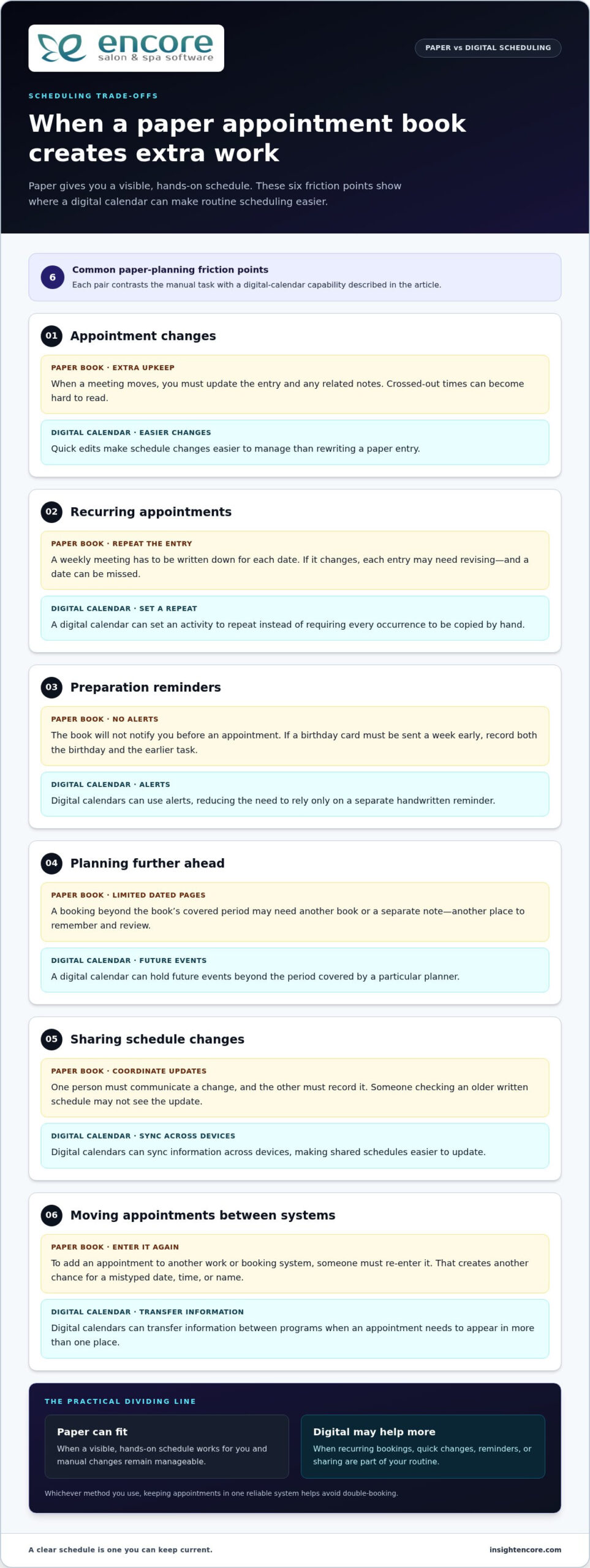
Categories
Uncategorized

Salon reporting KPIs for franchise growth

A full appointment book doesn’t always mean a healthy franchise. Strong salon reporting KPIs give you a clearer view: track revenue and average ticket, client retention and rebooking, no-shows, staff utilization, retail sales mix, and client feedback across locations. For repeat guest rate, divide repeat guests by total guests and multiply by 100, using the same client-identification rules and time period at every location.

It’s easy to see why salon reporting KPIs matter: consistent reports help you identify what’s working, where a location needs support, and whether a change is making a difference. But KPIs are only as useful as the data behind them. This guide explains how to choose measures for salon and spa franchise growth, keep client records consistent, and assess software reporting capabilities. You’ll also learn how to read metrics together, so one busy week or standout location doesn’t tell the whole story.

Key Takeaways

  • Build reports around the decisions franchise leaders need to make, from sales and cash flow to staffing, clients, and inventory.
  • Use clear KPI definitions and consistent client records so location-to-location comparisons are meaningful.
  • Read revenue alongside treatment-hour capacity to see how effectively each location uses its available time.
  • Track booking sources and missed appointments to spot where client demand may be slipping away.
  • Compare salon software by how well its reporting supports your business model and turns day-to-day activity into useful insights.

Why do salon and spa KPI reports need clean client data?

Clean client records let franchise teams compare sales, staffing, visits, and finances using the same definitions across locations. Utilization is booked hours divided by scheduled hours, multiplied by 100; rebooking rate measures completed appointments followed by another booking, while client retention measures clients returning within a set period.

Client Acquisition and Marketing Sources

Client acquisition measures how many new clients a salon gains during a defined period and which sources bring them in. Record each client’s source consistently when they book, such as a referral, social media post, or campaign. Then compare new-client counts and cost per lead by channel. Using a consistent definition of a qualified lead can help make marketing channel comparisons fairer.

Client Demographics and Visit Frequency

Client demographics describe characteristics recorded in client profiles, while visit frequency measures how often each client comes in. Use relevant profile fields recorded consistently to compare client groups across locations, then review visits per client over the same period. For example, a report might show whether clients booking one service group return more often than those booking another. Accurate profiles also help staff avoid duplicate records that split one client’s visits across entries.

Client Retention and Repeat Visits

Client retention is the share of clients who return within a defined period; repeat guest rate is repeat guests divided by total guests, multiplied by 100. New-customer retention focuses on first-time clients returning within a chosen window, typically 90 days. For example, 48 of 120 new clients returning within 90 days equals 40%. Track rebooking separately: count completed appointments followed by a future booking, then divide by completed appointments using one consistent reporting rule. This helps distinguish immediate rebooking from later repeat visits.

Sales, Staff, Inventory, and Finance Reports

Operational reports organize sales, staff activity, inventory movement, and cash flow into measures managers can compare. Match each sale to its service or retail category, and compare staff hours with scheduled or booked hours. Use consistent product names and quantities in inventory records so transfers or duplicate entries don’t distort stock movement. Finance reports should track cash flowing into and out of the business, helping owners monitor liquidity alongside revenue. Together, these views help explain whether a sales change reflects client demand, staffing capacity, retail performance, or expenses.

Before comparing locations, standardize client identifiers, service labels, source categories, and reporting periods. Review duplicate profiles and incomplete appointment records, then apply the same definitions across the franchise. A location’s retention results may appear weaker simply because returning clients were entered under different profiles. Clean, consistent records make comparisons more useful when deciding where to investigate and what action to take.

What are KPIs and how can they help me grow?

Key performance indicators (KPIs) are measures tied to business goals. To assess franchise growth, compare revenue, treatment capacity, and staff performance across locations and consistent reporting periods.

Revenue per Available Treatment Hour

Revenue per available treatment hour compares service revenue with the treatment capacity offered during a set period. To calculate revenue per treatment hour, divide service revenue by treatment hours sold. Then compare sold hours with available hours to see how much capacity remains unused. For example, $7,500 in weekly revenue across 85 available treatment hours produces an average treatment rate of $88 per hour. This view helps distinguish lower revenue caused by fewer bookings from lower revenue per sold hour.

Weekly Revenue and Average Ticket Value

Weekly revenue is the total sales recorded during a week; average ticket value is revenue divided by the number of client visits. Average ticket value can help show how much clients spend per visit. Review weekly revenue alongside the week before and the same week last month. Then break sales down by service category to see whether a change came from fewer appointments, a different service mix, or a shift in average spend. Use the same period and sales definitions at each location.

Staff Utilization and Revenue per Staff Hour

Staff utilization is the share of scheduled staff time filled by booked work. Divide booked hours by scheduled hours, then multiply by 100. A salon with 72 booked hours out of 90 available weekly hours has an 80% productivity rate. The guide gives 75% to 85% as a healthy staff utilization target for most salons. Revenue per staff hour adds another view: divide revenue by staff hours worked. Compare the two measures to identify whether low sales reflect open schedules or lower revenue during booked time.

Revenue Health and Profitability

Revenue health describes how sales and cash flow support the salon’s ongoing operation; profitability compares income with related costs. Track total revenue, service and retail margins, and cash moving into and out of the business. A location can post rising sales while service or product costs also rise, so revenue alone doesn’t show profit. Combine measures to find context: compare average ticket with treatment utilization, then review the service mix. A weekly review of about 20 minutes can flag KPIs that changed by more than 10% and set a focused improvement target for the next four weeks.

What KPIs should salon and spa franchises track?

Useful U.S. benchmarks include keeping no-shows and late cancellations below 5% and aiming for rebooking rates of 60% or higher. Client retention benchmarks vary: beauty-industry retention typically ranges from 30% to 40%, while another salon benchmark is 50% to 70%; define the measure and period before comparing locations.

Track booking sources, appointment demand, online booking share, and missed appointments together. These measures show how potential visits enter operations and where demand may be lost.

Booking Sources and Appointment Demand

Booking-source tracking records how clients found the salon, while appointment demand measures booking activity over a set period. Categorize sources consistently, such as referrals, social media, or the salon website, then compare each location’s appointment volume and source mix. Review available slots alongside bookings to spot lost demand. For example, strong interest paired with unfilled peak-time appointments may point to scheduling or staffing gaps. Also track how quickly available appointments fill.

Website Traffic and Online Booking Share

Website traffic counts visits to a salon’s website, while online booking share is the percentage of appointments booked online. Compare website visits with completed online appointments, not just clicks, to see whether interest turns into bookings. Check the share by location and period, then review appointment volume and average ticket together. AI-supported booking and customer communication can help handle routine requests. Track whether those interactions lead to completed appointments, changes, or cancellations.

No-Shows and Appointment Booking

A no-show rate is the percentage of booked appointments clients miss without attending. Divide missed appointments by total booked appointments, then multiply by 100; calculate late cancellations separately so the two patterns don’t blur. The guide recommends keeping combined no-show and late-cancellation rates below 5%. Compare rates by location, stylist, appointment time, and booking source to identify where unused appointment capacity is concentrated.

Salon KPI Benchmarks

A salon KPI benchmark is a reference value used to assess performance against a defined measure. The 60% or higher rebooking benchmark concerns clients scheduling another visit, while retention measures clients returning within a set period. Those figures aren’t interchangeable. For new-client retention, the guide recommends aiming for at least 50%; calculate it using first-time clients who return within the same chosen window across locations.

Use benchmarks as prompts for investigation, not stand-alone verdicts. Compare each location with its own previous periods, then review booking trends, appointment volume, and ticket value together. If a location’s online booking share rises while missed visits also increase, examine the full booking process before changing operations.

Salon reporting KPIs for franchise growth

Staff utilization and retail sales

Measure staff utilization against scheduled hours, then assess retail sales alongside service activity. Calculate product attachment by dividing appointments with a retail purchase by total appointments, then multiplying by 100.

Staff Utilization

Staff utilization is the percentage of scheduled staff hours filled with booked, billable services. Divide booked hours by scheduled hours and multiply by 100. For example, 72 booked hours out of 90 available weekly hours gives an 80% utilization rate. Review utilization by employee and location, then compare it with service revenue. Rates below 60% can signal empty chairs and wasted payroll, while rates above 90% may contribute to burnout and rushed service.

Retail Sales Mix and Product Attachment

Retail sales mix is retail revenue as a percentage of total revenue. Divide retail revenue by total revenue and multiply by 100. Product attachment shows how often a service appointment includes a product sale. Track both measures by location and stylist; a strong sales mix can coexist with low attachment if a small number of purchases are large. Compare average ticket with and without a retail item to see how product sales relate to visit value.

Inventory and Retail Margins

Inventory turnover measures how quickly retail stock sells and is replaced. Review product sales and stock movement together to identify items that sit unused or sell quickly. Retail margin is the difference between a product’s sales revenue and its cost, expressed relative to sales revenue. Compare margins across products before drawing conclusions from sales volume alone. A popular item may contribute less profit than another, so record product costs and sales categories consistently.

Retail Sales Performance

Retail sales performance measures product revenue and profitability by period, location, and stylist. Compare each stylist’s retail sales with service revenue and appointments, using consistent reporting periods. The guide says many salons target retail sales equal to 15% to 20% of service revenue. Treat that as a reference point, not a substitute for reviewing product margins, client needs, and inventory turnover.

Use these measures together to choose a focused next step. If utilization is low, examine schedules and service demand. If product attachment is low, review how staff introduce relevant products during appointments. Track loyalty activity alongside repeat product purchases, then compare results across locations. This helps managers see whether retail sales reflect client interest, staff practices, or stock availability.

Comparing salon software reporting capabilities

Salon software reporting is useful when its numbers answer real operating questions. Compare platforms by the measures they cover, how clearly they define them, and whether teams can review results consistently across locations. Strong salon reporting KPIs help franchise leaders identify meaningful differences without relying on disconnected spreadsheets.

Reporting Coverage

Reporting coverage is the range of business activity a platform organizes into usable views. Check whether it reports revenue by service category, appointment activity, staff productivity, retail sales, and inventory movement. Then look for filters by location and reporting period. A service-category breakdown, for example, can show whether one location relies on a narrower mix of services than others.

Client experience measures can add context to operational results. Check whether the software can organize feedback, review trends, or consistent measures such as NPS or CSAT. NPS asks clients to rate their likelihood of recommending the salon on a scale from 0 to 10. Reviewing feedback alongside rebooking can help leaders spot questions to investigate, without assuming one measure caused the other.

Consistent Numbers Across Locations

Comparable reports depend on shared definitions, categories, and periods. Agree on what counts as a completed appointment, a new client, and a retail sale. If one location records a rescheduled appointment differently, franchise-wide figures can become difficult to interpret. Consistent client identification matters too: duplicate records may split one person’s history and affect how teams interpret client activity.

Check how each platform handles date ranges and service labels. Reports should let managers compare equivalent periods and use consistent categories across locations. Find out whether managers can trace an overall result back to the records and categories behind it. That visibility makes it easier to spot data-entry differences before they influence decisions.

From Reports to Decisions

Report usability is how easily managers can turn a result into a practical next step. Test a real question, such as why rebooking changed at one location. See whether a report lets you narrow the result by location, service, and period, rather than forcing managers to combine separate exports. This hands-on test shows whether salon reporting KPIs can support a repeatable review process.

Try the same exercise with staff productivity and retail sales. Check whether managers can connect staff activity with booked services, then examine sales by stylist or product category. Clear labels and visible calculation rules help teams understand what each number means. Without that context, two locations may appear different simply because their reports group activity differently.

A Practical Comparison

Compare platforms against the decisions your franchise needs to make. Choose a few important measures, check how each report defines them, and test whether managers can use the same view across locations. Include service revenue and client feedback, then note any manual steps required. The right reporting fit makes salon reporting KPIs easier to interpret and act on consistently.

Explore salon software options

Encore Salon & Spa Software: Encore Salon Software

Encore Salon & Spa Software offers Encore Salon Software for teams managing appointments, client relationships, inventory, and point-of-sale activity. These day-to-day records can support reviews of revenue, client visits, and retail movement across locations. Encore Spa Software, Chair/Booth Renter Software, and Tattoo Studio Software serve different business models, so choose the offering that fits your operation.

Consider Encore when separate tools make it harder to keep appointment, client, sales, and inventory information together. The Encore management platform includes online appointment booking, client management, inventory tracking, and point-of-sale transactions. Use these workflows to support consistent recordkeeping, then review your chosen KPIs using shared definitions across locations.

To discuss which Encore solution fits your business, contact Encore Salon & Spa Software.

Turn Better Reporting Into Your Next Growth Step

Make salon reporting KPIs part of how franchise leaders set priorities, not just a dashboard they open after problems appear. Choose a business question, assign someone to review it, and agree on the next action together. That turns reporting into a practical routine for more consistent decisions across locations.

If your current systems make it difficult to connect daily salon activity with business decisions, consider a platform built around your business model. Encore Salon & Spa Software offers Encore Salon Software, Encore Spa Software, and Chair/Booth Renter Software. The right fit depends on how your teams manage appointments, clients, and operations.

Explore Encore software options

Start with a clear question, choose a manageable next step, and build your reporting routine with confidence.

Frequently Asked Questions

How to Run a Weekly KPI Review?

Set a recurring, focused review and finish with an owner and next action for each issue. A practical agenda takes about 20 minutes weekly: compare results with the previous week and the same week last month, flag KPIs that changed by more than 10%, then discuss causes. Keep the conversation specific. If rebooking moved, identify the affected location or service and assign a follow-up before the next review.

How to Set KPI Goals Your Team Can Hit?

Set a goal based on the team’s current average, then define one measurable result to improve. For example, if appointment fill rates are uneven, choose a location and track the share of available slots that get booked. Make the target manageable to review over the next four weeks. Assign an owner, set a measurement period, and agree on a simple action, such as reviewing unfilled appointment times during scheduling.

What are the most important salon reporting KPIs?

Prioritize measures that connect client demand, service delivery, and business results: total revenue, average ticket, retention, rebooking, appointment fill rate, cancellations, staff utilization, retail sales mix, and cash flow. The best starting set depends on the decision at hand. If revenue is steady but profitability feels pressured, pair sales measures with retail and service margins. If schedules have open gaps, focus first on booking and utilization.

How do you calculate salon revenue per client and average ticket size?

Divide revenue by unique clients to calculate revenue per client, and by completed visits to calculate average ticket size. Keep the distinction clear: one client may visit several times during the period, so these figures answer different questions. Use revenue per client to assess overall client value, then average ticket to see how much each completed appointment contributes. Apply the same revenue categories and period across locations.

How should salons track stylist productivity and service revenue?

Compare each stylist’s booked service hours with scheduled hours, then review service revenue for the same period. This shows whether a change reflects fewer booked hours or a different revenue result during booked time. Pair the figures with service-category reports to see which appointments contributed to the change. Compare equivalent periods, and avoid judging productivity from revenue alone when schedules or service mixes differ.

Which salon KPIs track cancellations, no-shows, and appointment fill rate?

Track no-show rate, late-cancellation rate, and appointment fill rate as separate measures. Calculate fill rate by dividing booked appointment slots by available slots, then multiplying by 100. Divide missed appointments by booked appointments for no-show rate; calculate late cancellations separately using the same period. The guide recommends keeping the combined no-show and late-cancellation rate below 5%. Review patterns by appointment time and booking source to find where capacity is lost.

How should salon owners monitor labor costs, payroll percentage, and profit margin?

Compare labor costs with revenue for the same reporting period. Calculate payroll percentage by dividing payroll costs by total revenue, then multiplying by 100; calculate profit margin by dividing profit by revenue and multiplying by 100. Review these alongside booked hours and service revenue. If payroll percentage rises, check whether scheduled hours, appointment demand, or service mix changed before adjusting staffing plans.

How often should salons review KPI reports, and which metrics should they include?

Review key operating measures weekly, then use longer reporting periods to assess broader patterns. A weekly dashboard can include revenue, average ticket, fill rate, cancellations, rebooking, and staff utilization. Add retention, retail performance, and margins to assess client and financial trends. Compare equivalent periods, such as this week with last week, and note whether a change is isolated or appears across locations before deciding what to do.

Disclaimer

This article is general in nature and may contain errors, please verify all claims with your sales rep