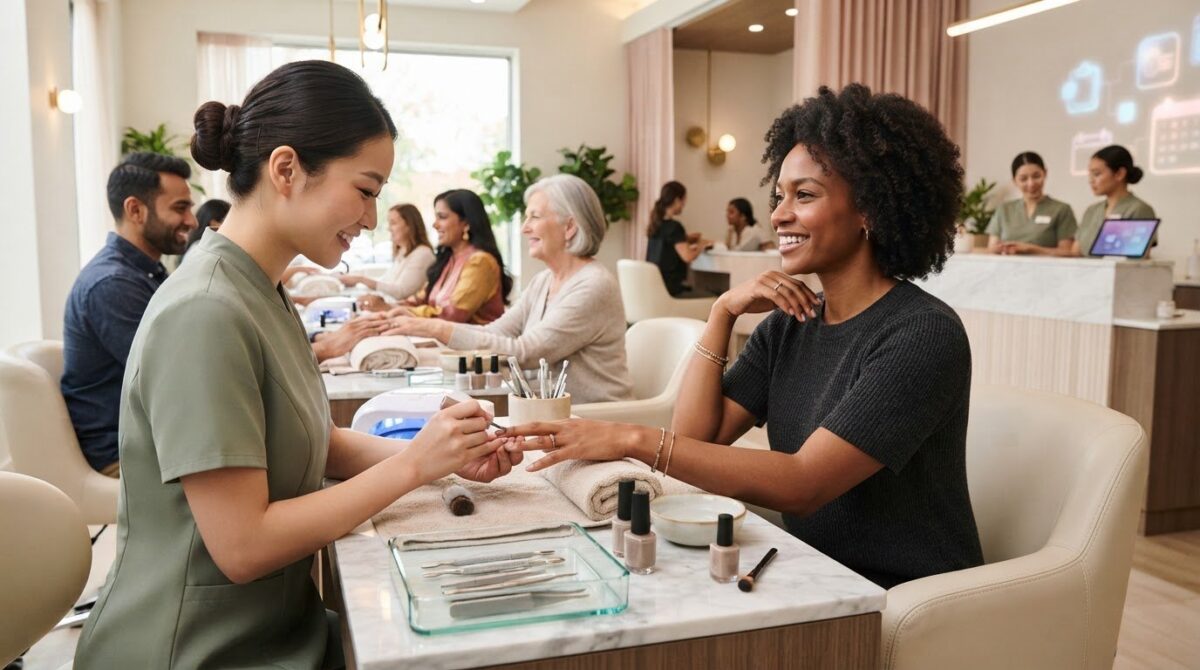
Every nail salon owner knows the sinking feeling of an empty station during what should be peak afternoon hours. You invest hard-earned capital into social media ads, introductory discounts, and street-level marketing to attract new guests. They arrive, enjoy a fresh set of gel extensions or a quick pedicure, and walk out the door—never to be seen again.
Constantly chasing new patrons while ignoring existing ones is like trying to fill a bucket riddled with holes. The salon industry has shifted. Running a thriving, predictable nail business in 2026 is no longer about winning the local price war or riding the wave of short-lived viral trends. It comes down to mastering the art and science of recurring visits. By implementing intentional nail salon client retention ideas, you can transform one-time visitors into devoted regulars who fill your books weeks in advance, protect your profit margins, and advocate for your brand.
Why Nail Salon Client Retention Drives Sustainable Profitability
Client retention measures the percentage of guests who return to your salon within an established timeframe—typically within four to six weeks for nail services. While acquisition captures attention, retention creates your bottom line. Securing a steady stream of recurring appointments is the single most effective way to insulate your business from economic fluctuations and escalating advertising costs.
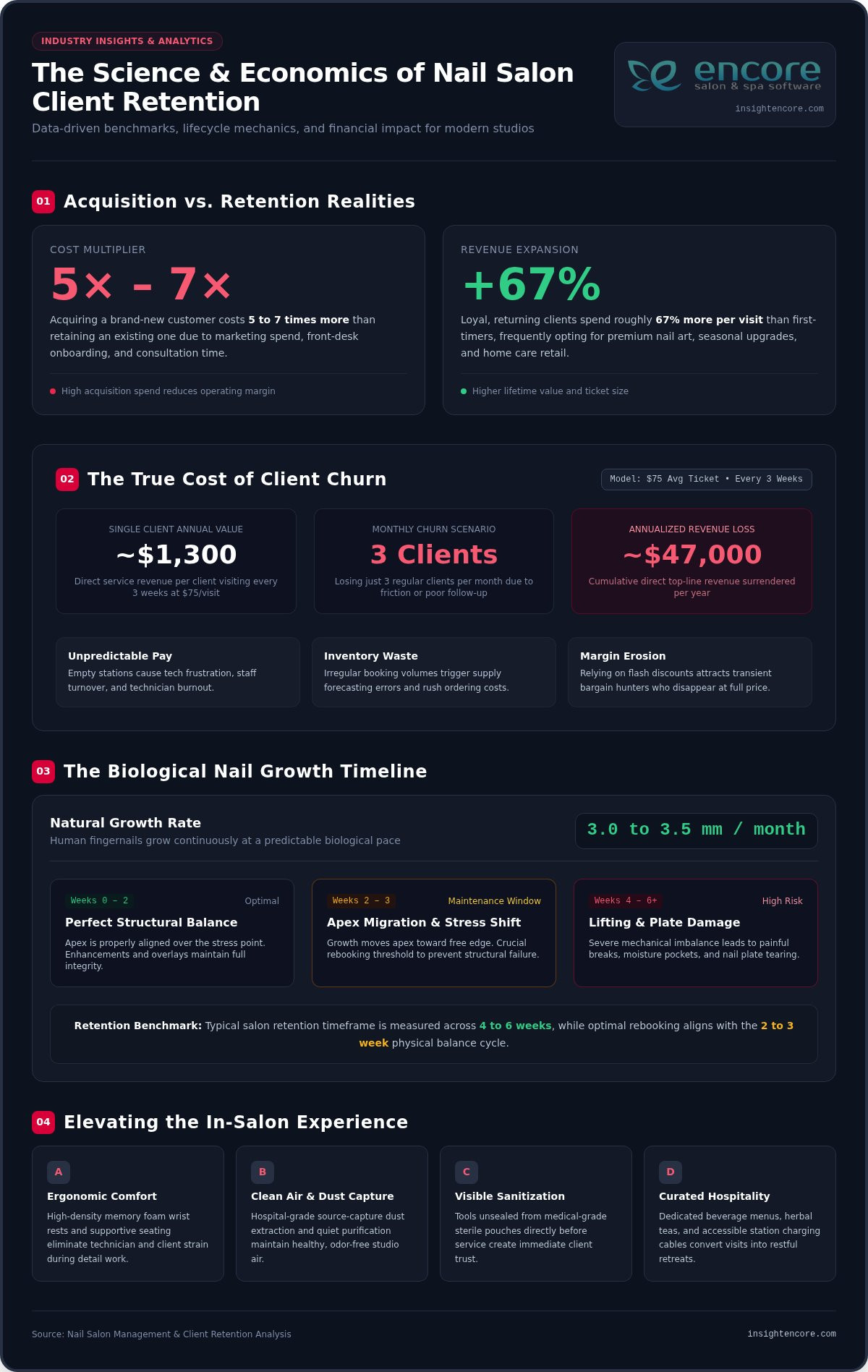
The math behind retention is undeniable. Acquiring a brand-new customer costs five to seven times more than keeping an existing one. New clients require marketing spend, front-desk onboarding, and extra consultation time. A returning guest already knows your pricing, trusts your sanitation protocols, and respects your schedule. More importantly, loyal clients spend roughly 67% more per visit than first-timers, actively seeking out premium nail art, seasonal upgrades, and home care retail products.
The Real Cost of Client Churn in Nail Salons
Client churn—the rate at which regular patrons stop booking appointments—is a silent profit killer. Many salon owners shrug off a dropped client as an inevitable part of doing business. However, when you look at the cumulative numbers, the loss is staggering.
Consider a client who visits your studio every three weeks for a structured gel manicure and occasional nail art, spending an average of $75 per appointment plus tip. Over the course of twelve months, that single client represents roughly $1,300 in direct service revenue. If your salon loses just three regular clients a month due to poor communication, inconsistent service, or lack of rebooking incentives, you are surrendering nearly $47,000 in annualized revenue.
Beyond the raw financial loss, client churn creates operational friction:
- Unpredictable technician pay: Inconsistent chair occupancy frustrates your top nail technicians, leading to high staff turnover and burnout.
- Inefficient inventory turnover: Irregular booking numbers make it difficult to forecast product purchases, resulting in either wasted supplies or costly rush orders.
- Reliance on margin-eroding discounts: Desperate to fill sudden gaps, salons frequently turn to flash sales and promotional deals. These tactics attract bargain hunters who vanish the moment services return to full price.
Understanding the Natural Nail Maintenance Cycle
Unlike hair salons, where a guest might wait eight to twelve weeks between appointments, nail studios operate within a rapid, biologically enforced schedule. Natural human fingernails grow approximately 3 to 3.5 millimeters per month. As a result, gel manicures, builder gel overlays, and acrylic enhancements experience physical structural imbalances after two to three weeks.
When an enhancement grows out past its apex, the stress point moves toward the free edge. This imbalance leads to premature lifting, painful breakage, and potential damage to the natural nail plate. Educating your guests on this physical reality transforms your marketing message. You are not simply asking them to buy another appointment; you are prescribing necessary maintenance to preserve the health, safety, and beauty of their natural nails.
When you align your operational rebooking workflows with the two-to-three-week biological growth cycle, rebooking ceases to feel like a high-pressure sales pitch. Instead, it becomes a seamless extension of your professional client care.
Elevating the In-Salon Experience: Service Standards That Retain Clients
Marketing and automated reminders can prompt a client to return, but they cannot compensate for a lackluster in-person experience. True client loyalty is earned at the station. Retaining modern nail clients requires setting an elevated, consistent standard from the moment someone steps past your threshold until they finalize their payment.
Hospitality and Station Comfort Standards
Clients do not just pay for polished nails; they pay for how your space makes them feel. In a fast-paced world, an hour spent getting a manicure or pedicure is often one of the few moments of genuine personal downtime a person experiences all week. Every sensory detail shapes their perception of your value.
Consider the physical touchpoints that set an exceptional studio apart from an average one:
- Ergonomic comfort: High-density memory foam wrist rests and supportive technician seating eliminate physical strain for both the guest and the nail artist during meticulous detail work.
- Clean air and dust management: The modern nail consumer is increasingly health-conscious. Investing in hospital-grade, source-capture dust extraction systems and quiet air purification reassures guests that your salon prioritizes clean, odor-free air.
- Station cleanliness: Visible, medical-grade sanitization creates instant professional credibility. Clean tools removed from sealed, sterile pouches directly in front of the guest establish an undeniable sense of trust.
- Thoughtful hospitality: Offering a curated beverage menu—sparkling water, herbal teas, or seasonal refreshments—along with functional charging cords at every station transforms a standard service into a restorative retreat.
The Chairside Consultation and Detailed Client Notes
A rushed service with zero dialogue creates an interchangeable, transactional experience. If a client feels that any technician down the road could provide the exact same service with identical results, they have no reason to stay loyal when a cheaper alternative opens up nearby.
Instituting a mandatory two-minute chairside consultation at the beginning of every appointment completely alters this dynamic. Encourage technicians to ask targeted lifestyle and aesthetic questions:
- “How did your last set hold up to your daily routine?”
- “Are you spending extended time typing, gardening, or working out this week?”
- “Have you noticed any lifting around the sidewalls or cuticle areas?”
- “Are we looking to maintain your current length, or are you hoping to grow your natural nails longer?”
Once the service concludes, capturing these details is critical. Professional nail technicians should immediately log client preferences, allergies, cuticle sensitivities, preferred nail shapes, and the exact gel shades or nail art techniques used. When a guest returns three weeks later and their technician says, “I noticed your pointer finger had minor lifting last time, so I adjusted our bonding agent today,” the client realizes they are receiving truly customized, irreplaceable care.
8 Practical Nail Salon Client Retention Ideas for 2026
Building long-term customer loyalty requires a delicate balance of human warmth and structured business incentives. Here are eight actionable, nail-specific retention strategies designed to turn first-time guests into permanent fixtures in your appointment book.
Idea 1: Structured Front-Desk Rebooking Scripts with Immediate Incentives
The single most vulnerable moment in client retention occurs during checkout. If a client leaves your salon without their next date on the calendar, the probability of them booking within their ideal maintenance window drops precipitously. Life gets busy, nails grow out, and clients eventually book wherever they can find a last-minute opening.
Empower your front desk team and technicians with confident, non-pushy rebooking scripts. Instead of asking a vague question like, “Do you want to book your next appointment?”—which invites a polite decline—train your team to guide the process consultatively:
“To keep this builder gel balanced and prevent any lifting, we should schedule your infill between the 14th and the 18th. I have a Thursday at 4:00 PM or a Friday at 10:00 AM with Sarah. Which of those fits your schedule better?”
Sweeten the interaction by offering a modest “Same-Day Rebooking Perk,” such as a complimentary paraffin hand treatment, a free nail art accent on two accent nails, or a small credit toward their next visit if scheduled before walking out the door.
Idea 2: Tiered Frequency-Based Loyalty Programs
Traditional punch cards and generic “spend $100, get $5” programs do very little to drive consistent behavioral changes. In the nail industry, consistency of visits matters far more than an occasional large spend.
Design a tiered loyalty structure that rewards clients for maintaining their recommended booking intervals:
- Bronze Tier (Occasional Guests): Earns baseline points on service spending and retail purchases.
- Silver Tier (Every 3-4 Weeks): Earns 1.5x points on all services, complimentary hydration treatments, and access to last-minute waitlist openings.
- Gold Tier (Every 2-3 Weeks): Earns 2x points, priority booking during peak holiday seasons, complimentary seasonal cuticle oil refills, and an annual birthday pampering voucher.
By rewarding visit frequency rather than just total basket size, you incentivize clients to keep their nails looking immaculate on an uninterrupted schedule.
Idea 3: Curated At-Home Maintenance Kits
Service longevity does not end when the topcoat cures; it depends heavily on how the client treats their hands at home. When a client experiences peeling or chipped polish five days after an appointment, they frequently blame the salon—even if the issue stemmed from unhydrated cuticles or cleaning with harsh household chemicals.
Equip your guests with custom at-home aftercare kits designed to extend the lifespan of their manicure. These kits can include:
- A travel-sized, high-penetration jojoba-based cuticle oil pen.
- An ergonomic, high-grit natural nail file for smoothing snagged edges between visits without compromising the enhancement seal.
- A pair of durable, stylish household gloves for cleaning and dishwashing.
- A clear instruction card outlining simple habits to preserve gel and acrylic wear.
When you provide clients with the tools and education to keep their nails looking fresh, their sets last longer, their satisfaction skyrockets, and they associate your studio with lasting quality.
Idea 4: Exclusive VIP Holiday Early-Booking Windows
The weeks leading up to Thanksgiving, Christmas, New Year’s Eve, and peak wedding season are notoriously chaotic for nail salons. During these periods, appointment slots are at a premium. Leverage this supply-and-demand dynamic to reward your most dependable regulars.
Two to three weeks before opening your holiday calendar to the general public, send an exclusive private booking link to your regular clients. Frame this as a meaningful expression of gratitude:
“You’ve supported us all year, and we want to make sure your hands look stunning for the holidays without the stress. We are opening our December calendar exclusively to our loyal regulars before general public booking begins on Monday.”
This simple perk costs your salon nothing, yet it makes your core clients feel valued, eliminates holiday scheduling friction, and fills your busiest weeks with your best-paying guests well in advance.
Idea 5: Prepaid Maintenance Bundles and Branded Digital Gift Cards
Cash flow stability improves dramatically when you transition your salon from transactional visits to recurring commitments. Prepaid service packages allow guests to purchase a bundle of three to six maintenance visits at a slight structural value—such as paying for five deluxe pedicures and receiving an included nail strengthener add-on for each visit.
Complement these packages by integrating branded digital gift cards into your checkout experience. Digital gift cards make it effortless for existing fans to treat friends, family, and colleagues to your salon for birthdays and holidays. Because the recipient arrives with prepaid credit in hand, they are far more relaxed, open to trying premium nail art or restorative treatments, and primed to transition into your permanent clientele.
Idea 6: Automated Post-Service Health and Maintenance Reminders
Clients are busy. Even when they intend to return every two weeks, work deadlines, family commitments, and personal errands push salon appointments down their priority list. Before they know it, five weeks have passed, their gel is lifted, and their natural nails are snapping.
Implement automated, intelligent follow-up communications timed perfectly to the biological nail cycle:
- 48 Hours Post-Service: Send a quick, caring text message: “Hi Maya! Just checking in to make sure you are loving your new Russian manicure set. Remember to apply your cuticle oil daily to keep your beds hydrated!”
- 14 Days Post-Service: If no future appointment is on the books, dispatch a timely prompt: “Hi Maya, it’s time to balance your overlay! Sarah has a few openings this Thursday and Friday to keep your natural nails strong and healthy. Click here to grab your spot: [Booking Link]”
These gentle, value-focused prompts demonstrate that you care about their nail health, taking the mental burden of remembering off the client’s shoulders.
Idea 7: Personalized Milestone Celebrations and Birthday Pampering
Generic marketing blasts feel cold and transactional. Personalized milestone communications, on the other hand, build authentic emotional connections that keep clients anchored to your salon.
Track client birth dates and visit milestones within your central software. Automatically dispatch a celebratory message during their birthday month offering a complimentary luxury upgrade—such as an aromatic sugar scrub, deep hand massage, or specialized nail stamping accent—with their booked service.
Similarly, celebrate longevity milestones: “Happy 1-Year Salon Anniversary! Thank you for trusting us with your nails over the past twelve months. Your next paraffin treatment is on us!” Celebrating these moments demonstrates that you see the person sitting at the station, not just the revenue they generate.
Idea 8: Exclusive Seasonal Polish Launches and Client Appreciation Events
Transform your nail studio into a vibrant social community by hosting intimate, after-hours trend preview events. When a brand introduces a highly anticipated autumn lacquer palette or a revolutionary chrome technique, invite your top fifty clients for an exclusive evening event.
Serve mocktails and light bites, provide complimentary express swatches or nail art demonstrations, and partner with local neighborhood businesses—such as nearby boutiques, bakeries, or florists—for door prizes and goodie bags. Encouraging guests to snap photos of their swatches and tag your studio creates authentic social buzz while solidifying a deep sense of belonging.
Automating the Retention Engine with Specialized Salon Software
Executing these eight retention ideas manually using paper appointment books and personal cell phones is an exhausting, unsustainable task. Salon owners and nail technicians are already stretched thin balancing client services, station sanitization, inventory management, and front-desk inquiries. Attempting to manually track which client needs a reminder text or who is celebrating a birthday invariably leads to dropped balls and administrative burnout.
This is where specialized management technology becomes indispensable. By centralizing operations inside modern salon management software, you can automate your communication workflows, protect technician schedules, and deliver an elevated client experience without spending hours behind a desk.
Frictionless Online Scheduling and Automated Messaging
Modern consumers expect convenience. More than 45% of beauty and wellness appointments are booked outside of regular salon operating hours—typically late at night when clients are relaxing on their phones. If your salon requires guests to call during business hours to secure an appointment, you are quietly losing business to competitors with self-service digital booking.
A sophisticated digital booking platform operates 24/7, providing real-time visibility into open chairs while respecting the specific timing, buffer zones, and technician preferences you establish. Once booked, automated confirmation texts and email alerts eliminate miscommunications.
Crucially, automated software safeguards your schedule against revenue loss. Enforcing a transparent salon client no-show policy by capturing credit card details at the time of booking reduces last-minute cancellations to near zero. If a client must reschedule, automated reminder sequences prompt them to do so well within your required cancellation window, giving your team ample time to fill the empty station.
Furthermore, automated win-back triggers rescue slipping clients before they are gone for good. If the software notices that an established regular has gone 45 or 60 days without an appointment, it can automatically deploy a gentle, friendly re-engagement message: “We miss seeing you at the studio! Come in this week and enjoy a complimentary hydrating mask with your manicure.”
Digital Client Profiles and Service History Tracking
The foundation of personalized customer service is accurate, accessible data. Relying on technician memory alone is risky, especially when a busy artist sees 30 to 40 clients every week.
Centralized client database software enables your staff to build exhaustive digital profiles that document every client preference:
- High-Resolution Photo Archives: Technicians can snap and upload portfolio photos of custom nail art, chrome finishes, and length progression directly to the client’s file. When a client says, “I want the same nude ombre we did last September,” your team can pull up the exact image in seconds.
- Formulations and Technique Notes: Record specific gel bases, acrylic powder blends, primer preferences, and curing requirements to ensure predictable results regardless of which artist assists them.
- Health and Safety Logs: Track allergies to methyl methacrylate, sensitivities to acetone, or thin nail beds resulting from prior improper mechanical removal.
- Personal Touchpoints: Note key personal details—such as children’s names, upcoming vacation plans, or beverage preferences—allowing technicians to pick up conversations seamlessly from appointment to appointment.
These organized records elevate your salon from a basic service stop into an indispensable personal retreat where guests feel completely understood and protected.
Measuring Retention Metrics to Continuously Improve Your Studio
You cannot improve what you do not measure. Many salon owners assume their retention is healthy simply because the salon feels busy on Friday afternoons. However, a full waiting room can easily mask a severe underlying churn problem if those chairs are being filled solely by expensive first-time promotions rather than returning regulars.
To secure lasting profitability and understand how to increase salon profit margins, you must regularly inspect your core operational metrics.
Key Performance Indicators for Nail Salons
Establish a monthly routine to review three vital retention benchmarks across your entire business and for each individual nail technician:
1. Client Retention Rate (CRR)
This metric reveals the percentage of unique clients who return for another paid service within a designated window (typically 30 to 45 days for nail services).
The Formula:
CRR = ((End-of-Period Clients – Newly Acquired Clients During Period) / Start-of-Period Clients) × 100
A healthy benchmark for an established nail salon is an overall retention rate between 65% and 75%. Top-performing nail artists who specialize in custom nail art, natural nail restoration, or complex extensions regularly achieve retention rates exceeding 80%.
2. Front-Desk Pre-Booking Percentage
Measure the proportion of clients who schedule their subsequent visit before completing their checkout transaction. Your salon should target a minimum pre-booking rate of 60% across all stations, with senior technicians aiming for 75% or higher. When this number dips, it immediately signals that your team requires retraining on checkout consultations and rebooking scripts.
3. Client Lifetime Value (CLV)
Client Lifetime Value represents the total net profit attributed to the entire ongoing relationship with a guest. Monitoring this metric helps you determine how much money you can safely afford to spend acquiring a new customer while maintaining robust business margins.
Turning Retention Data into Actionable Business Growth
Once you begin tracking these numbers, the insights reveal clear operational adjustments:
- Identify Mentorship Opportunities: If a newly hired technician possesses brilliant nail art skills but struggles with a 35% retention rate, review their chairside manner and consultation style. Pairing them with a senior artist whose retention consistently exceeds 80% helps them master client communication and rebooking pacing.
- Refine Service Offerings: If data shows that clients who book a specific express pedicure service rarely return, inspect the treatment protocol. Is the service rushed? Are the polish results chipping prematurely? Adjusting or replacing an underperforming service protects your salon’s reputation.
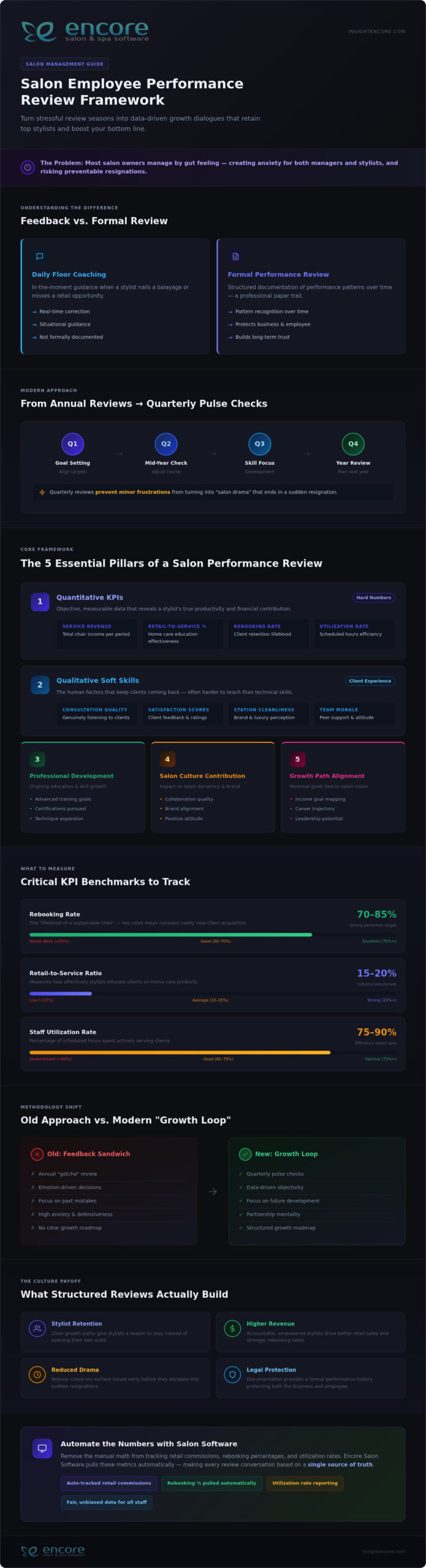
- Incentivize Staff Retention Excellence: Align your team’s compensation and recognition with loyalty metrics. Consider rewarding technicians who achieve the highest rebooking rates with premium schedule choices, retail commission bumps, or advanced continuing education stipends.
When you build a salon culture centered on client retention, staff members stop viewing their work as isolated, one-off appointments. Instead, they begin treating every interaction as an investment in a rewarding, long-term professional relationship.
To eliminate manual administration and build a predictable, fully booked schedule, explore how Encore Salon Software can streamline your bookings, automate client follow-ups, and effortlessly power your retention engine.
Frequently Asked Questions About Nail Salon Client Retention
How much does customer retention impact a nail salon’s overall profitability?
Customer retention has an outsized impact on salon profitability. Extensive business research demonstrates that increasing customer retention rates by just 5% can increase overall profits by 25% to 95%. Returning clients require zero advertising acquisition spend, purchase higher-margin retail products, and are significantly more receptive to booking premium nail art and upgrade services.
What is a good client retention rate for a nail salon?
For independent nail salons and boutique studios, a healthy overall client retention rate falls between 65% and 75%. For brand-new first-time visitors, returning for a second appointment within six weeks typically hovers between 40% and 50%. Senior technicians with established clientele should consistently retain between 75% and 85% of their regular client base.
Can automated text reminders really prevent lost nail clients?
Yes. Automated text messages boast open rates near 98%, far exceeding traditional email marketing. Sending automated, personalized reminders timed to the physical nail maintenance cycle (around 14 to 18 days after an appointment) provides an effortless, frictionless prompt for busy clients to secure their slot before natural nail growth causes structural lifting and damage.
How often should a nail salon contact clients between service appointments?
Communication should always be helpful, relevant, and respectful of the client’s time. A good rule of thumb is two to three touchpoints between visits: an automated appointment confirmation upon booking, a polite reminder 24 to 48 hours prior to service, and a single check-in message two weeks later reminding them to rebook their maintenance if they haven’t already done so. Over-messaging with non-stop promotional blasts often leads to opt-outs.
What happens if a technician leaves with their regular nail clients?
While clients naturally bond with individual nail artists, strong salon operational systems help retain those patrons within your business. When your studio maintains detailed digital client profiles containing specific formula notes, photos, and personal preferences, any skilled technician on your team can step in and deliver an identical, high-caliber experience. Exceptional facility comfort, pristine sanitation, frictionless online scheduling, and salon-wide loyalty perks anchor guests to your brand, not merely to a single technician.
Is offering discounts the best way to bring back inactive salon clients?
No. Deep discounts tend to attract price-sensitive clients who leave the moment prices normalize, while conditioning your regulars to wait for a sale before booking. Instead of eroding your service margins with price cuts, incentivize inactive clients with added value. Offer a complimentary paraffin treatment, a free nail strengthener upgrade, or bonus loyalty points to encourage them to return while preserving your service’s perceived worth.
Disclaimer
This article is general in nature and may contain errors, please verify all claims with your sales rep