
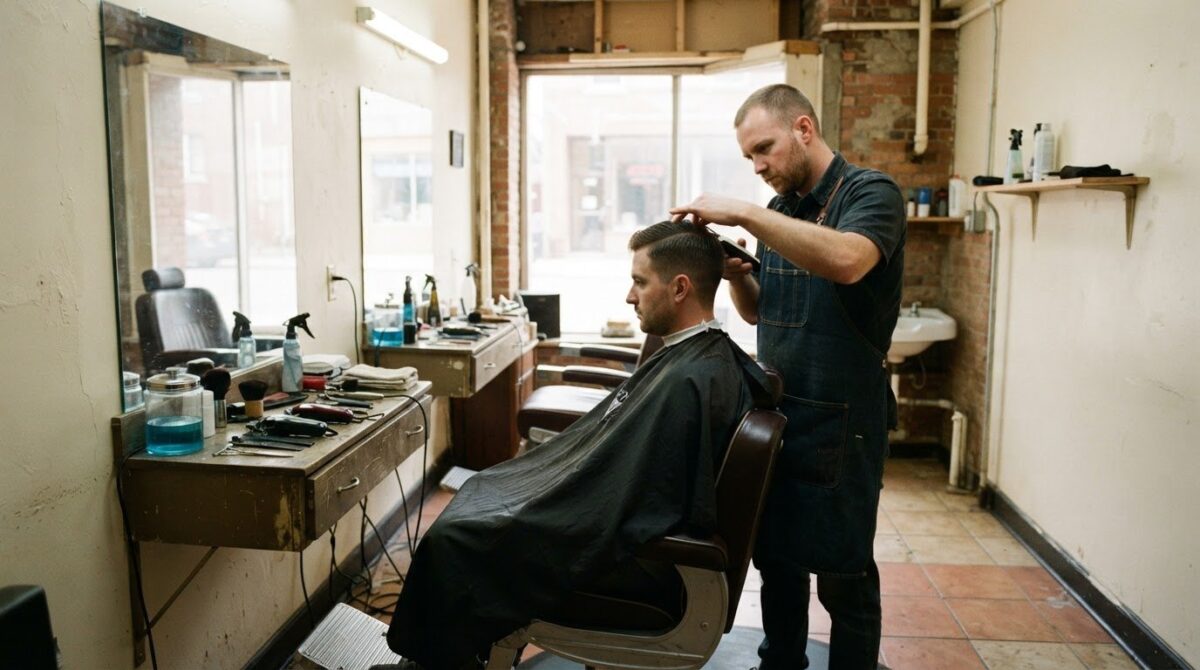
The cost of running a barber shop goes beyond the chairs. Equipment, renovations, rent, and opening supplies all shape the budget.
It’s easy to focus on major purchases and overlook the tools, consumables, and opening stock you’ll need to serve your first clients. These details matter when you’re managing startup costs and avoiding purchases your shop doesn’t need.
This guide explains how shop size and chair count affect startup spending, what to budget for barber chairs and station equipment, and where build-out costs can add up. You’ll also learn which opening supplies to include and how to start lean, so you can plan with a clearer view of upcoming costs.
Key Takeaways
- Compare chair options and set aside a maintenance reserve so equipment costs don’t stop at the purchase price.
- Match your chair count and floor space to your business plan; rent and build-out can shift the startup budget substantially.
- Keep renovations focused on what the space needs, including wash stations and other essential fixtures.
- In California, the state charges an $800 annual franchise tax on top of the LLC filing fee, according to California Franchise Tax Board.
- Prioritize professional tools and essential opening supplies, then add inventory in line with the services you plan to offer.
1. Barber chairs and station equipment
Barber chairs can take a large share of your equipment budget, so compare features with your shop’s needs. For a three-chair setup, the chair categories you choose can substantially change your initial equipment spending.
Decide how many chairs you’ll use on opening day, then assess each chair’s condition, adjustment mechanism, and fit with the station layout. It should support a barber’s daily routine, not just match the shop’s look. If you’re buying used, inspect the hydraulic lift, reclining function, upholstery, and base before committing. Repairs or replacement can eat into the savings from a lower purchase price.
Budget for more than chairs. Each station may need a mirror, counter or cabinet, tool storage, and a mat. Barber equipment also includes clippers, trimmers, shears, combs, and cleaning supplies. List each barber’s essentials and separate shared equipment from personal tools. This inventory helps prevent duplicate purchases and keeps opening-day needs in view.
There’s no single reliable average for a shop’s revenue, profit, or profit margin. Revenue depends on appointment volume, service mix, prices, and how consistently chairs are used. Profit is what remains after expenses such as rent, wages, supplies, and equipment upkeep. Track these inputs to understand your own margin instead of relying on a broad average.
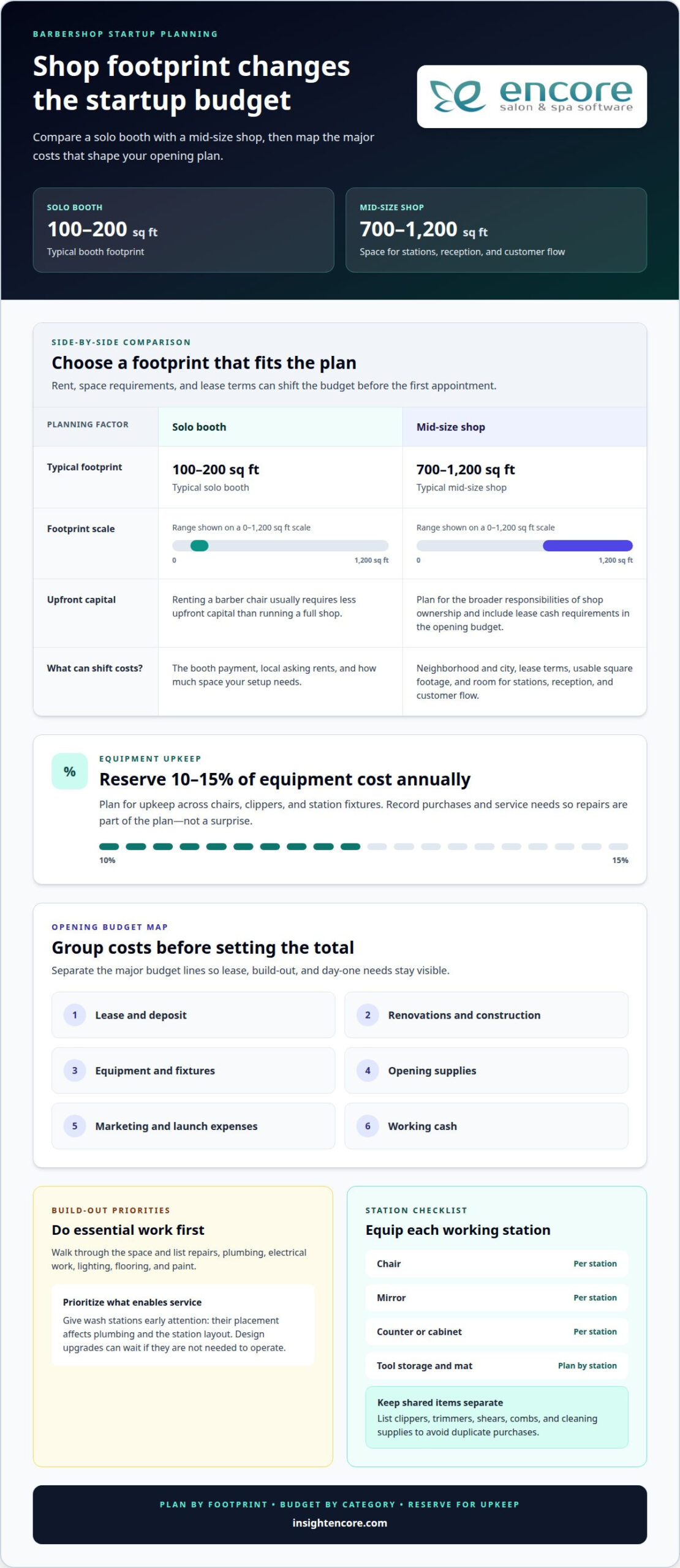
Include maintenance in your equipment plan. Set aside 10-15% of equipment cost annually as a maintenance reserve. Use it to plan for upkeep across chairs, clippers, and station fixtures, rather than treating repairs as unexpected spending. Keep purchase records and note when equipment needs service. A basic log can help you spot repeated issues and decide whether repairing or replacing an item makes more sense.
Staffing also affects the cost of running a barber shop. If you hire employees, the Internal Revenue Service says employers generally pay the employer share of Social Security and Medicare taxes, as well as unemployment tax on employee wages. Budget for these separately from equipment. Clear payroll, purchase, and maintenance records help show which expenses are affecting your shop’s profit.
Before ordering, make a checklist for each station. For example, list a chair, mirror, storage area, and tool set for every working station, then identify shared items separately. Compare the total with your equipment budget and prioritize reliable essentials. This keeps the plan aligned with the number of barbers you can support, rather than filling the shop with costly extras before they’re needed.
2. Startup costs by shop size and chair count
Shop size and chair count shape both your opening budget and ongoing overhead. These estimates provide a starting point, but your space, lease, and setup choices determine the final costs.
Renting a barber chair usually requires less upfront capital than running a full shop. Compare the recurring booth payment with the broader responsibilities of shop ownership.
Location matters. Commercial rent in most U.S. markets varies widely by neighborhood and city. A 1,000-square-foot shop in a decent U.S. location will have very different requirements than a rural storefront. A solo booth typically uses 100-200 square feet, while a mid-size shop uses 700-1,200 square feet. Local asking rents and the space you need for stations, reception, and customer flow drive the difference.
Lease terms can create a significant upfront expense. Include that cash requirement in your opening budget instead of treating rent as only a monthly cost. Compare usable square footage with your layout: extra space may mean higher rent without adding working chairs.
Plan separately for marketing and customer retention. Divide the budget among launch promotions, a clear online presence, and follow-up that encourages clients to book again. Track repeat appointments and the promotions that bring in clients. Reviewing results helps you adjust spending rather than repeating campaigns without assessing their impact.
Software and booking costs also belong in your operating plan. List the tools you’ll use and compare their recurring costs with your projected expenses. When managing these systems, platforms like Encore Salon & Spa Software can streamline daily operations. To estimate startup costs, group your figures into lease and deposit, renovations, equipment, opening supplies, marketing, and working cash. The cost of running a barber shop varies by location because rent, required space, and lease terms can shift the budget before your first appointment.
3. Build-out and renovation expenses
The space’s condition determines how much work is needed before opening. Walk through the shop and list repairs, plumbing changes, electrical work, lighting, flooring, and paint. Separate work essential to barber services from design upgrades you can postpone. A worn feature wall can wait, for example, while an unusable wash area may prevent you from operating as planned.
Give wash stations early attention because their placement affects plumbing and the station layout. Before choosing a model, map where the bowl will sit and how clients and staff will move around it. Relocating it after installation can require changes to the surrounding build-out.
Create a cost-to-open worksheet with separate lines for construction, fixtures, furniture, permits, and launch expenses. Record each estimate alongside the work it covers, such as installing a wash bowl or updating a service area. Sort the list into essential opening work and improvements that can wait. This makes it easier to spot renovation costs that could use up the budget before you set aside money for opening supplies and working cash.
Keep launch spending separate from renovation spending. Marketing introduces the shop and attracts first appointments; the build-out prepares the premises to serve clients. Plan launch activity around the services and experience you can provide from day one. Promote available barber services, for example, rather than features that won’t be ready during construction.
Opening cash matters because revenue may take time to cover operating expenses. A newly launched barbershop should hold $12,000 to $20,000 in liquid working capital for 3 to 6 months of initial operating expenses. A new barbershop typically reaches break-even between six and eighteen months after opening. Use those figures to separate cash for early bills from money already committed to the renovation.
After opening, track recurring expenses separately from one-time construction costs. Put recurring items on a monthly expense sheet so you can see their impact alongside utilities, upkeep, and payroll.
Review the renovation plan before approving changes. If the project includes a wash bowl, make sure the plumbing, fixture, and surrounding finish appear as separate line items. Compare the proposed work with your opening-day service plan, then defer cosmetic additions that won’t improve operations. This staged approach helps protect working capital while keeping essential build-out work on track.
4. What is the cheapest way to start a barbershop business?
Start with the smallest setup that supports your planned services. Keep it focused: rent a booth, use essential tools, and avoid space or fixtures you don’t need. This can reduce overhead while you build a steady client base.
Licensing and registration still belong in your startup budget. Barber shop establishment license fees typically range from $50 to $250 in most states, and most states require establishment licenses to be renewed every one to two years. The initial expenditure for establishment permits, municipal health permits, and local business registrations is $150 to $1,500. Put these costs on separate budget lines so licensing doesn’t get lost among equipment purchases.
Training requirements can also affect how quickly you’re ready to open. In California, barber licensure requires completing a state Board-approved training program of at least 1,000 hours before taking the licensing exam. If you’re opening there, include this training step in your timeline and financial plan. A lower-cost shop setup won’t remove the need to account for professional preparation.
Choose a business structure with ownership and responsibilities in mind. A partnership has two or more people as stakeholders who share ownership of the business. If you’re comparing a partnership with an LLC, consider how decisions, records, and expenses will be handled, then include the relevant registration costs in your plan. In California, the state charges an $800 annual franchise tax on top of the LLC filing fee, according to California Franchise Tax Board.
Insurance is another part of a responsible launch budget. Consider the shop’s activities, premises, equipment, and staffing when deciding what coverage fits. List insurance separately from licensing and registration so you can see each commitment clearly. A booth renter and a shop owner have different operating arrangements, which can affect the risks their coverage needs to address.
To keep the total lean, price the essentials first: the booth or premises, licensing, registration, tools, insurance, and opening supplies. Delay décor upgrades and extra stations until there’s a clear business need. If you’re starting with a partner, agree on ownership and who handles each expense before signing agreements. A written budget helps you compare the lower-overhead booth model with a full shop and choose a plan that fits your available capital.
5. Barber tools and opening supplies
Tools and opening supplies can take a meaningful share of a startup budget, even in a compact shop. Build a checklist around your planned services, separating each barber’s personal tools from items shared at the station. This keeps the opening order focused and helps prevent duplicate purchases across chairs.
For each barber, list tools needed for planned services, such as clippers, trimmers, shears, combs, and brushes. Mark which are personal and which can be shared. The cost of running a barber shop also includes purchases beyond personal tools, so list those separately in your budget.
Give consumables and retail stock their own lines in the opening plan. Divide them into products used during services, cleaning supplies, and items for sale. Styling products used on clients, for example, are service consumables, while products displayed for purchase are retail inventory.
Use your service menu to decide what goes into the first order. If you’ll focus on cuts and beard trims, prioritize tools and products for those services. Choose retail items that complement the menu instead of filling shelves with unrelated stock. A smaller, relevant inventory is easier to track and lets you adjust future orders based on what clients actually buy.
Before ordering, create an inventory sheet with four fields: item, quantity, assigned station, and purpose. Label each purchase as a tool, service consumable, cleaning supply, or retail product. Compare the list with what’s already available in the shop. This can reveal duplicate purchases and clarify how much of the cost of running a barber shop comes from opening stock rather than recurring supplies.
Identify what your plan adds, such as consumables or retail inventory, and prioritize what you need for opening day.
Record opening stock and update it as products are used or sold. Regular counts can flag slow-moving retail items before you place another order. Start with stock that supports your service menu, then use client purchases to guide future choices. This helps control ongoing expenses while keeping your opening selection useful and manageable.
Encore Salon & Spa Software: Encore Salon Software
Encore Salon & Spa Software offers Encore Barber Software to help barbershops manage daily operations. If you’re moving from startup planning to managing appointments and client relationships, the software supports online booking, client management, inventory tracking, and point-of-sale transactions. These tools can help organize bookings, supplies, and payments as your shop begins serving clients.
For a booth-rental setup, Chair/Booth Renter Software is another relevant option. Choose the solution that fits how you operate, whether you manage a shop or rent a chair. Explore Encore Salon & Spa Software to see how its tools can support your barbershop.
Build a shop that’s ready to grow
Your opening plan is only a starting point. As you learn more about appointments, product use, and daily expenses, review your budget and adjust operations to match client needs. Ongoing attention can make the cost of running a barber shop easier to manage and help you avoid decisions based only on opening-day estimates.
Encore Salon & Spa Software offers Encore Salon Software, Encore Spa Software, Chair/Booth Renter Software, and Encore Barber Software for barber shop management. Explore the software to find tools that fit your business and take the next step when you’re ready.
With a practical plan and suitable systems in place, you can focus on serving clients well and building a shop that grows with confidence.
Frequently Asked Questions
To keep the cost of running a barber shop manageable, budget for working cash as well as opening purchases.
How long until a new barbershop becomes profitable?
A new barbershop typically reaches break-even between six and eighteen months after opening. Break-even means revenue covers expenses, not necessarily that the owner is earning a strong profit. Build a monthly forecast that tracks booked services, wages or booth arrangements, rent, and supply purchases. Compare actual results with the forecast regularly to see whether slower bookings or higher expenses are affecting your path to break-even.
How much working capital is needed to start a barbershop?
A newly launched barbershop should hold $12,000 to $20,000 in liquid working capital for 3 to 6 months of initial operating expenses. Keep this reserve separate from money set aside for construction, equipment, or opening inventory. A cash-flow plan should map expected bills against the timing of income, including quieter opening weeks. That makes it easier to identify how much cash remains available after each commitment.
What is the cheapest way to start a barbershop business?
Keep the launch focused on the tools, supplies, and services you need to start working, rather than leasing and fitting out a full shop. Before choosing this model, compare the booth arrangement with your plans for scheduling, client records, and future ownership. A lean setup can reduce initial commitments while you establish demand.
What’s the single biggest mistake new barbershop owners make on startup costs?
A costly planning error is budgeting for the opening setup but not the cash needed to operate afterward. A shop may have chairs and supplies ready but still face rent, payroll, cleaning products, and other recurring bills before revenue settles into a pattern. Separate one-time purchases from ongoing expenses, then assess your cash reserve against a slower opening period, not just your best-case booking forecast.
What are the startup costs to open a barber shop in the United States?
Build a location-specific budget that includes lease commitments, renovations, equipment, opening stock, and working cash.
What is the average monthly rent for a barber shop by city or region?
Rent varies substantially by location and square footage. Commercial rent in most U.S. A 1,000-square-foot shop in a decent U.S. Low-cost U.S. Calculate rent using the actual space and local asking rate.
How much do barber shop utilities, insurance, and internet cost per month?
There isn’t one reliable monthly figure for utilities, insurance, and internet across barber shops. Utility costs depend on the premises and its operating needs; insurance depends on the business, equipment, and staffing; internet costs depend on the service selected. List each expense separately in your monthly forecast, using the shop’s lease, coverage needs, and connectivity requirements to estimate the cash needed.
Disclaimer
This article is general in nature and may contain errors, please verify all claims with your sales rep